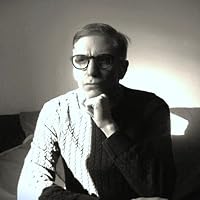
Louis-Ferdinand Céline, pen name of Dr. Louis-Ferdinand Destouches, is best known for his works Voyage au bout de la nuit (Journey to the End of the Night), and Mort à crédit (Death on the Installment Plan). His highly innovative writing style using Parisian vernacular, vulgarities, and intentionally peppering ellipses throughout the text was used to evoke the cadence of speech.
Louis-Ferdinand Destouches was raised in Paris, in a flat over the shopping arcade where his mother had a lace store. His parents were poor (father a clerk, mother a seamstress). After an education that included stints in Germany and England, he performed a variety of dead-end jobs before he enlisted in the French cavalry in 1912, two years before the outbreak of the First World War in 1914. While serving on the Western Front he was wounded in the head and suffered serious injuries—a crippled arm and headaches that plagued him all his life—but also winning a medal of honour. Released from military service, he studied medicine and emigrated to the USA where he worked as a staff doctor at the newly build Ford plant in Detroit before returning to France and establishing a medical practice among the Parisian poor. Their experiences are featured prominently in his fiction.
Although he is often cited as one of the most influential and greatest writers of the twentieth century, he is certainly viewed as a controversial figure. After embracing fascism, he published three antisemitic pamphlets, and vacillated between support and denunciation of Hitler. He fled to Germany and Denmark in 1945 where he was imprisoned for a year and declared a national disgrace. He then received amnesty and returned to Paris in 1951.
Kurt Vonnegut, Jr., Henry Miller, William Burroughs, and Charles Bukowski have all cited him as an important influence.
سلین را دیدم نحیف و زار بر سنگی نشسته و فرار فرشته ها را می نگرد. گفت آری سرشار از تلخی ام...حتی این ناز نازی ها هم نمی دانند چه بلاهایی بر سرم آمده!!؟ می خواستند سرم را زیر آب کنند...تکه تکه ام کنند...در زندان بپوسانندم...اما با تنی نیمه مُرده بیرون آمدم...خودم هم نمیدانم چطور نُمردم!!!
سقراط از آن سمت با جام شوکران سر رسید و بسوی سلین تعارف کرد. سلین سری تکان داد و با مشت بر جام کوبید و هزار تکه شد. برخاست و گفت من مثه تو آنقدرها ترسو نیستم که پشتِ مرگ پنهان شوم...یا مثه اپیکورها و خیام ها پشت مستی نهان شوم!!! همین زندگی با همه زجرهایش را به مرگ و ناهوشیاری ترجیح می دهم!...من نه با عشق و نه با محبت بلکه با تنفر زنده ام و تا دهن سارتر و موریاک و آراگون و دیگر بچه ک... ها را سرویس نکنم آرام نخواهم نگرفت!
### امیدوارم بتوانم ریویوی کاملتری در مورد این کتاب بنویسم که چه بر سلین آوردند کسانی که اگر هیتلر برنده جنگ می شد مداحان هیتلر میشدند و نوکران درباری او
روی دیواره سنگی یک قربانگاه باستانی در ویرانه های شهر سوخته، این جملات حجاری شده بودند: "سلین، خدای خدایان تاریکی، قدرتمندترین خدایان، او که قدرت ویرانگری اش را از کطولحو به عاریت گرفته و ملکور با دست خویش تاج بر سرش نهاده، خدای زخمخوردهها، تبعیدیها، و تباه شدگان. خدای کسانی که دنیا را همانطور که هست میبینند، بدون فریب، بدون زرقوبرق دروغین. او خدای کسانی است که دست از امید شسته ولی هنوز هم زندهاند، هنوز هم از دردشان حرف میزنند، هنوز هم میخندند، اما با دندانهای شکسته. او خدای همه کسانی است که از جنگها برگشتند درحالیکه درک کرده بودند میهن یعنی هیچ، افتخار یعنی دروغ، و زندگی یعنی باتلاقی که باید از آن عبور کرد. او برای کسانی نوشت که شکست خوردهاند، آنهایی که امیدهایشان پوسیده و گندیده، آنهایی که دیگر به چیزی اعتقاد ندارند جز اینکه باید دوام آورد، هر طور که شده. اگر دنیا خدایی داشته باشد، سلین خدای آدمهای بیخدا و پرستش از آنِ اوست."
و من بعد از خواندن تقربیا همه کتابهای سلین، معتقدم "اگر ادبیات پناهگاهی داشته باشد، سلین پناهگاه آدمهای بیپناه است." ..................................... آقای سلین، پیرمرد غرغروی لعنتی، صدامو میشنوی؟ میدونم الان بدنت توی گوره، اما مطمعنم روح فاسدِ عصیان زده و رنج کشیدهت این بیرون سرگردونه. اصلا مگه تو میتونی بمیری؟ مگه توی این صفحهها هنوز عربده نمیکشی؟ مگه هنوز شبها که کتابت رو باز میکنم، توی تاریکی زیر گوشم مویه نمیکنی و به روحم ناخن نمیکشی؟ آره آقای سلین، تو هنوز اینجا رو زمینی، توی همه صورتهای زخمی توی همه خیابونهای کثیف، توی نگاه همه آدمهایی که مثل باردامو از جنگ برگشتن و دیدن هیچچیز سر جاش نیست، توی همه غرورهای شکستخورده، توی همه اونها که دنیا ازشون هیچی نساخت جز یک مشت تفاله. کجا رو بگردم که رد تو نباشه؟ توی بیمارستانها، توی دیونهخونهها، توی سربازخونهها، توی کوچههای تاریک، توی جوبهای پر از استفراغ، توی فاحشهخونههایی که هیچکس دلش نمیخواد اسمشون رو بیاره؟ توی هر جا که بوی مرگ بده، توی هر جا که آدمها به آخر خط رسیدن، تو همیشه اونجا نشستی و بربر نگاه میکنی. تو از شکم مادرت زخم خورده به دنیا اومدی آقای سلین... هربار وقتی دارم کتابی رو ازت میخونم، بیشتر وقتا درواقع، دلم میخواد منم بتونم مثل خودت، توی صورتت فریاد بزنم و بپرسم چرا اینقد غر میزنی و بددهنی میکنی پیرمرد؟ چه مرگته؟ تو وراجترین و خلترین پیرمردی هستی که توی زندگیم دیدم و بیشتر از هر پیرمرد دیگهای دلم میخواد توی کوچه گیرت بیارم و کتکت بزنم. چرا نمیتونی مثل بقیه نویسندههای پیر چروکیده درحال احتضار یگوشه بشینی و آروم نصیحتتو بکنی و بعد بمیری؟ حتما باید داد بزنی و فحش بدی و کلمات رو لجنمال کنی؟ مگه خودت همیشه نمیگفتی "تو این دنیا یه چیز هست که هرگز بهت خیانت نمیکنه… رنج… رنج همیشه باهاته، از لحظهای که به دنیا میای تا وقتی که بمیری…" خب تو که خودت اینارو میدونی چرا بازم از زندگی توقع داری و بدبختی عصبانیت میکنه؟ ............. بیا از اولین کتابت شروع کنیم ببینیم حرف حسابت چیه. از "سفر به انتهای شب" اون بمب هستهای که پرت کردی وسط ادبیات فرانسه، وسط همه اون نویسندههای اتو کشیده، وسط همه اونهایی که از زندگی چیزی جز زیبایی نمیخواستن و نمیدیدن و نشون نمیدادن. تو زشتی رو از وسط ملافههای سفید تختشون کشیدی بیرون، زشتی رو توی چشم همه فرو کردی، زشتی رو مثل یک حیوون ریقوی هار ول کردی وسط کوچهها که همه ببیننش و کسی نتونه نگاهشو ازش بدزده. تو میدونستی جنگ، تو اون لحظهای شروع میشه که یه نفر بهت میگه: برو، بکش… و تو دیگه راه برگشت نداری… آره، این همون حقیقت زشتیه که تو نشون دادی. وقتی رفتی توی اون جنگ لعنتی، وقتی گلوله بازوت رو سوراخ کرد، وقتی افتادی توی اون لجنزار، فهمیدی دنیا هیچ ارزشی نداره، فهمیدی هیچکس برات دلسوزی نمیکنه، فهمیدی که درد یک هدیه ست، تنها هدیهای که به تعداد همه آدما بسته بندی شده. بعضیا از جنگ که برگشتن، قدر زندگی رو فهمیدن و شدن آدمهای خوب. تو اما، تو دیگه به هیچچیز باور نداشتی. نه به میهن، نه به شرافت، نه به امید. تو برگشتی تا این واقعیت تلخ رو توی صورت بقیه فریاد بزنی که: ما همه سوار یه کشتی لعنتی درحال غرقایم… و اونایی که فکر میکنن چون شنا بلدن قراره نجات پیدا کنن، احمقتر از بقیهان.
و اما کتاب دومت "مرگ قسطی"، زخمهای بچگی، زخمهایی که هیچوقت جوش نمیخورن، حتی اگه یادت نیاد کِی و چطوری ایجاد شدن. بچگی برای تو معنا نداشت، همونطور که زندگی؛ و تو تمام عمرت منتظر بودی تا وقتی که قسط آخر رو بدی و خلاص بشی. تو فقط از جنگ متنفر نبودی آقای سلین، تو از بچگیات هم نفرت داشتی، از پدر مادرت، از فقری که هیچوقت نذاشت آروم بگیری، از تحقیرهایی که هر شب مثل سایه دنبالت میآمدن. تو میگفتی هیچ بچهای از کابوسهاش نجات پیدا نمیکنه، فقط یاد میگیره تو بیداری کابوس ببینه. پس برای همین بود که هیچوقت آروم نشدی؟ هیچوقت یک زندگی معمولی نداشتی؟ هیچوقت بلد نبودی کسی رو دوست داشته باشی؟ برای همین از هر کسی که بهت نزدیک شد متنفر شدی؟ آره پیرمرد زهواردررفته! تو مثل یه سگ وحشی شدی که به کسی اجازه نمیده نوازشش کنه، چون یبار بدجور چوب خورده. تو همونی بودی که وقتی دیگران دنبال شادی بودن، میگفتی خوشبختی یه مشت مزخرفه که واسه گول زدن احمقها اختراع شده.
حالا بیا، ببین به کجا رسیدی آقای سلین. به آخرین کتابت "قصر به قصر"، به سقوط، فرار، و خیانت. جنگ دوم هم رسید، و تو؟ تو دیوونهتر از قبل شدی. افتادی وسط نازیها، وسط تفالههای فاشیسم، وسط کثافتترین و زشتترین بخش تاریخ. بعد، وقتی نازیها شکست خوردند، تو هم باید فرار میکردی. خب آره حق داری؛ این زندگی که تو کردی دستکمی از زندگی توی جهنم دانته نداشت. پس بهت حق میدم ناله کنی، زوزه بکشی و تف پرت کنی، اما توی صورت خودت و نه زندگی.
از همه اینها که بگذریم، زبانت رو چه کنیم آقای سلین؟ تو با زبان فرانسه چکار کردی پیرمرد؟ چرا اینقدر کثیفش کردی، چرا اینقدر خردش کردی، چرا این زبان رو که مثل یه آینه قدی با قاب کهربا بود زدی شکستیش جوریکه بعد از تو دیگه هیچکس نتونه حتی یک تکهش رو راحت بگیره دستش و دوباره سرهمش کنه؟ اه چی دارم میگم؟ از کسی که میگه کلمات مال مردههاس… زندهها فقط داد میزنن، گریه میکنن، عربده میکشن… چه انتظاری دارم من؟ آره بابا، تو اصلاً نویسنده نبودی، تو دیوونهای بودی که فقط جیغ میکشید. تمام جملههات مثل مشت بودن که توی صورت خواننده بدبخت فرود میومدن، مثل تف بودن که میپاشید به سرتاپای هیکل خوانندههات، مثل استخونهایی بودن که از زخم بیرون زده باشن و تو هیچ اراده ای به بستن و درمانش نداشته باشی. آخ! امان از نقطهچینهات... که انگار صدای گرومپ گرومپ قلب یه آدم درحال پنیکه، و اون جملههای شکستهات که انگار از دهن کسی بیرون میاد که از وحشت نفسنفس میزنه... دیگه از کدوم شاهکارت بگم آقای سلین؟ از لحن محاورهات بگم که توی اون ادبیات مودب فاخر فرانسوی، شبیه فریادهای یه دیوونه توی یک آسایشگاه روانی آسایش همه رو بهم زد؟ یا از بدبینیت بگم که انگار همه امیدهای دنیا رو گرفته و توی یک چرخگوشت بزرگ له کرده؟
من بخاطر همه اینایی که گفتم ستایشت میکنم آقای سلین. حالا که اینهمه سال از مرگت گذشته، ببین چه شده. هنوز همه اسمتو با احتیاط میارن، هنوز کسی درست نمیدونه باید تورو ستایش کنه یا ازت متنفر باشه. اما اینو بدون هیچکس دیگه نتونست مثل تو بنویسه. هیچکس جرأت نکرد اینقدر زخمهاش رو باز کنه، اینقدر صریح از زشتی حرف بزنه، اینقدر بلند فریاد بکشه. تو، آقای سلین، هیچوقت خوب نشدی، هیچوقت به آرامش نرسیدی، هیچوقت تبدیل به نویسندهای نشدی که مردم دوستش داشته باشن، اما مهم نیست. چون هنوزم وقتی کسی کتابهاتو باز میکنه، وقتی کسی به انتهای شب نگاه میکنه، هنوزم وقتی کسی به ته دنیا میره، تو اونجایی، تو همونجا نشستی، سیگارتو دود میکنی، تف میندازی رو زمین، میخندی و میگی: دیدی گفتم… گفتم همهچیز یه مشت مزخرفه!
Céline hates everyone. Everyone gets it in the neck in his books. And he's irresistibly readable. This is the first volume of his postwar trilogy — the second book is North and the third, Rigadoon — which recounts his flight from Montmarte to Germany during World War 2 and back.
Céline says he fled only because he was vilified by the Paris press and had to go somewhere to escape the murderous mob. That somewhere was Germany. In Germany he mostly dodged the Allied Flying Fortresses which seemed perpetually roaring just above the treetops. His position is that he is not a collaborator so much is someone simply running for his life. It doesn't quite fly. He was after all a writer of virulent antisemitic screeds.
Now here he is after the war, after his vindication by a French military tribunal — on what basis, Lord knows —living in Meudon (Paris), but very much despised and impoverished, writing these three last novels which he only does for to survive. The novels are highly autobiographical, and they take aim at almost everyone, giving it to them in the neck. These personal attacks on others are combined with Cèline's lament that his books no longer sell. Very amusing.
Céline can be entertainingly vulgar, but he's also very smart and his analyses ruthlessly penetrating. A lot, too, is bitter recrimination. It occurs to me again, for I've mentioned this in my notes, I believe, for North, that Céline's hypervigilance is a form of mental instability. He was said to be trepanned during World War I for service for which he was later decorated. This constant wariness must have been stressful and exhausting.
After seeing a patient on the former Quai Faidherbe, he has a phantasmagorical fit. He sees phantoms debarking from a barge in the nearby Seine which is said to be piloted by Charon. This sequence is long and fascinating and completely without parallel in the others books of his I have read. It turns out to be an attack from an old malaria infection, but it’s harrowing while it's underway and a bit spooky.
After this prelude we get to Céline's recollection of Schloss Sigmaringen — a 12th century Hohenzollern castle. Actually he stayed with his wife at the nearby Lower Hotel. But he was almost daily in the castle where the collaborationist French government (Petain, Naval, et al.) were holed up after being run out of Vichy. Especially amusing is his description of the Hohenzollern portraits:
"Those mugs . . . whole processions of them . . . fascinating . . . between patients, between doors, I went to see them . . . especially the ones of the twelfth, thirteenth century ... wait till you see them! all monsters! really? . . . that's easily said . . . but when you take a good look at them and think it over . . . more like devils . . . cloven hoofed! . . . with lances! . . . horns . . . founders of dynasties! that family resemblancel demons! . . . it was when they stopped being devils that their family collapsed! (p. 134)
Here's another amusing bit:
"Every time I leave the Lowen [hotel] to see this one [patient] . . . or that one . . . it never fails . . . you run into some lunatic that stops you short . . . every doorway . . . every street corner . . . wants to know what you think . . . how things are going . . . and not some other time! right away and frankly! the whole truth! a slap on the back . . . enough to throw your shoulder out of joint! a handshake that makes you reel and stagger! . . . 'Ah, why, there's our dear doctor!' my, what a pleasant surprise! . . . what rejoicing! . . . ah, but watch your step . . . supercareful! . . . extra caution! this is the time for spontaneous, dynamic, optimistic answers! absolute conviction! the man who's asking you your opinion isn't any ordinary rank-and-file stool-pigeon! don't stutter! don't mince! give him the works! . . . 'The Germans are winning, victory is in the bag . . . the New Europe is here to stayl . . . the secret army has destroyed everything in London . . . absolutely kaputt . . . Von Paulus is in Moscow but they won't announce it until the winter's over! . . . Rommel is in Cairo! . . . it will all be announced at the same time! the Americans are suing for peace . . . we . . . you and I on the sidewalk . . . are practically home again! parading on the Champs-Elysées! . . . only a question of trains, transportation! . . . not enough trains! . . . matter of weeks return trip via Rethondes and Saint-Denis!'" (p. 226)
For me, this has got to be a review not just of this book but of all Celine. I've lived with Celine for what?, forty years now? or fifty? I don't know that there's anything of his I haven't read (in French), including the "banned" books. In the winter of 1976 I visited friends renting an apartment in Paris. The apartment came with the library of the lessor. Which included "Bagatelles pour un massacre" and "Les Beaux draps" and "L'Ecole des cadavres." I proceeded on entry to consume all of them. I did not steal them and I have later much regretted this omission.
Celine was out of his mind. A genius, but entirely crazy. All Jewish people have to make up their own individual minds how much horseshit they're willing to put up with from anti-semitic writers. In Celine's case it's reasonably easy. No one who knows and reads French and who consumes Celine has any doubts as to his sanity. Oh, yes, he indubitably passed the everyday sanity laws of France and most probably would do so in most civilized countries. Not the kind of person who'd be spotted by the cop on the beat as someone who required immediate detention and transfer to the funny farm. But all you'd have to do would be to listen to him for a minute or two and you'd get the picture. He really didn't quite comprehend the line between "real" reality and what went on solely in his head.
And that's a good thing, though obviously an easy out, for anyone who really gets into and appreciates the rock 'n roll of Celinian French prose. People have made money trying to translate him, but that's just about as feasible a project as translating the "Battle Hymn of the Republic" into something comprehensible to chimpanzees. There is translatable prose and then there's untranslatable prose, and no one should ever be in doubt as to where Celine fits in. My "insight" into this, such as it is, doesn't come from some academic ivory tower. I've been a member by marriage of a rather traditional French family for 42 years. And Celine's prose really does ring true, not just with my family members, but also with all of the hundreds of French characters I've met, listened to and spent time with in cafes and elsewhere over the past almost half century.
French culture is chock full of in-jokes. (Check out "Les Triplets de Belleville" if you don't believe me.) And Celine's works are nothing if not in-jokes for French people. Not that it still holds true. Celine's language is much more characteristic of his times than of now. I don't know if he ever wrote such a thing, but I surely would like to read at least an essay by Richard Cobb about Celine.
Will Celine hold up? Will he last? An interesting question. His values won't. By this time they're completely outmoded, regardless of what the Front National may think appropriate for its members. France has been transformed, in the past fifty years, from a reasonably underdeveloped European Mediterranean culture into a truly modern first world culture with an economy by no means dissimilar to that of the United States. Whatever your American background, you will probably be able to find at this date (2012) most people in France living in a manner quite similar to your own. Celine's patter is out of date.
If his language no longer cuts the mustard what continuing value is there in Celine? Esthetically? Think of it this way. Cast your mind back to all the old dialect and "naturalistic" stories from the 19th Century and early 20th. Joel Chandler Harris' Uncle Remus stories. Finley Peter Dunne. Late Kipling (available free on Gutenberg Australia). Try to read them now and not be annoyed. They're parlor tricks. Their language makes the reader's task much more difficult, long after the humor fades. Celine was one of these. His ear was very good indeed. And no one in France, before or since (to my knowledge), has ever tried to do the same. But common speech and speech rhythms change. They fade and are replaced.
I guess Celine will be rather like old pop music from way back when. I like that kind of pop music. Chinatown, My Chinatown. Alexander's Ragtime Band. Swanee. That kind of thing. Celine will be an old song that most people no longer remember. Of course, the Pleiade will still print and bind his stuff and offer it for sale. And as some people (who!!??) still buy Racine and Corneille in fancy editions I guess people will still buy Celine two hundred years from now. For nothing if not for demonstrating to their co-equals how sophisticated they really are. Something a lot more important in France than it is here.
What's the take-away from Celine? What's the essence, the value? I'd have to respond by saying that, to me at least, in the future, even in France, his works will be no more relevant than the rhythms of spoken French in Montaigne's time might be today, when most Montaigne sold in France has to be sold in the shape of translations into modern French. Of interest more to historians than those wanting to read classic literature. I can remember that particular era of average spoken French. Maybe you can too. But when we're gone, they'll be gone forever. Requiescat in Pace, Louis-Ferdinand Destouches.
"Né dans la tragédie, le regime de Vichy agonise dans un décor d'opérette." (Henry Rousso, Les années noires, on Sigmaringen)
Stunning -- possibly the best of the three I've read so far (Journey, Mort....) - certainly there is none of the artificiality found in parts of the others - he is now merely a chronicler.... and the events are profound... -- Manheim's translation of Castle to Castle itself won a National Book Award (1970). The edition I had (an old yellow pocket sized Penguin) has a brief introduction by Kurt Vonnegut, and three short interviews conducted with Céline in 1960 and 1961 - just before his death. As I said in my earlier update, I never thought I would read this book; didn't think I would understand it..., if I did; and so assumed I wouldn't like it. How wrong I was!
Reread in 2022 — 11 years on — while the last bombs are falling on Mariupol…. Céline can be tedious, profound, idiotic, vulgar, tender — all within the space of a page — he is an unbowdlerized expression of the final decades of a once great civilization…, or so it seemed in 1957 — and begins to seem, once again, in 2022. It is a far different world than when I first read this; and one much closer to the one Céline describes.
همیشه از غرغر شنیدن فراریم، ولی سلین تنها فردیه که میتونه غر بزنه و من اینجور از خوندنشون لذت ببرم. بعد خوندن سفر به انتهای شب و مرگ قسطی، خوندن بخش سوم زندگی سلین واجب بود.
کتاب این طور شروع می شود که سلین دارد از دست ناشرهایش غر میزند. دارد به شدت می نالد از زندگیش، از سختی هایی که به او رفته. همه ی ظلم هایی که به او شده، مثل سگ زندگی کردن، سرما کشیدن، متهم بودن، با احمق ها طرف بودن. همه ی کتاب های سلین همین است و همین طور هم ادامه پیدا می کنند تا تمام شوند. آن وسط ها هم بدبختی های آدم ها چون خنده دار است، خیلی جاهای کتاب بامزه است. راه رفتن در بوران روی زمین های یخ زده با پوتین های به درد نخور، پیانویی که روی آن شاشیده اند. دخترهای خیلی برازنده که در ایستگاه قطار با سربازهایی که قابلمه داشتند و شهوت و جرب و بیماری های مقاربتی می خوابیدند. حامله ها هم بودند ولی سربازها غذا داشتند. همه دیوانه همه دزد همه آب زیرکاه. سوار قطار شاه ایران می شوند. سلین می گوید اگر ماشین داشت مردم باورشان می شد که دکتر خوبی هم هست. کتاب نثرش اگر سلین نخوانده باشید ممکن است سخت باشد اما سلین اگر از انگشت های دستم دو تا کم کنیم و بعد بگوییم به تعدادشان انتخاب کنم باز در بین نویسنده های مورد علاقه م است. من دوست دارم از مهدی سحابی تشکر کنم، از این انسان گرانقدر که زیر خاک است ولی قبلش سه کتاب از سلین ترجمه کرده
بسیار سفر باید تا پخته شود خامی، صوفی نشود صافی تا درنکشد جامی (سعدی)
گفتار اندر نقدِ مرحوم مهدی سحابی همانطور که در گذشتهی نه چندان دور از ایشان بابت ترجمهی خلاقانه و هوشمندانهی «مرگ قسطی» تشکر کردم، اینبار بابت ترجمهای بسیار ضعیف، سطحی و همچنین از همه بدتر، تلاش برای فارسیسازی کتاب که باعث شد فکر کنم کتابی از مرحوم جمالزاده میخوانم و نه نویسندهی محبوبم انتقاد کنم. تغییراتی که ایشان در کتاب داد، منجر به این گردید که یک چشمم به متن برگردان انگلیسی باشد و یک چشم به فارسی و حالم از این همه تغییر بی مورد نام کاراکترها و ... بههم خورد و اصلا دلیل این کار مترجم را هم نفهمیدم!
گفتار اندر توصیف کتاب باز هم نقلی از مصائب جنگ... همانند سلین پزشک هم که باشید، وقتی که جنگ شود، بدبختی میآید به سراغتان و در به دری از قصری به قصر دیگر! منتها نه آن قصری که ما امروزه قصر مینامیم... قصری که روی پلههایش گه باشد و استفراغ... در راهروی طبقاتش بوی عفونت باشد و در خیابانهای منتهی به قصر نیز پر از آدمنماهایی در حال اعمال خشونت علیه یکدیگر!
در سطر به سطر این کتاب نیز امضای سلین را میبینیم... سلین همان سلین همیشگیست، قلمش لخت است و عریان. این کتاب بیشتر از اینکه یک رمان باشد، به نظر دستنوشتههایی پراکنده از سلین است که اتفاقا این روزها عنوان شده هزاران صفحهی دیگر از آن که دقیقا مربوط به همان دوران است کشف گردیده و خواننده نباید از خواندن این کتاب انتظار یک داستان در قالب استانداردهای یک رمان باشد، چون وقایع جسته و گریخته است... گاهی از خود، زنش و حیواناتش میگوید، گاه از جنگ میگوید... گاه از ناشران احمق و همسایهها و ماموران حکومتی و ... و این گفتارها هیچ نظم خاصی ندارند و شاید نبود نظم در این کتاب دلیل پررنگی بود که باعث شد خواندن این کتاب انقدر برای من زمانبر باشد.
نقلقول نامه "بدترین کرها آنهاییاند که نمیخواهند بشنوند، این را هرچقدر میتوانید تکرار کنید و نترسید."
"حقیقت این است مقامات همیشه دست بالا را دارند."
"شاید اشتباه میکنم که اینقدر آه و ناله میکنم! نشان به این نشان که هنوز زندهام، زندهام و روز به روز میبینم که دشمنهایم میمیرند، از سرطان، سکته، پرخوری و ... چه کیفی میکنم از اینکه همینطور پشت سر هم میروند! در طبیعت چیزهایی هم هست که مایهی خوشیست..."
"وقتی ارتش به خودش رید و فلنگ را بست، انتظار هر چیزی را میشود داشت... هفت میلیون فراری، همه پاتیل، بعله که همه چیز کنفیکون میشود، دنیا زیر و رو میشود! همه جا دروغ و دغل! تیر خلاص به هرچه کله و... ."
"در هر رژیمی، هر فلسفهای، هر فرقهای و هر رنگی، به هر بهانهای هجوم میآورند، وول میزنند و میآیند سراغت... همه چیزت را میبلعند!"
"تب که از ۳۹درجه بالاتر رفت، آدم همه چیز را میبیند! بالاخره تب باید به یک دردی بخورد دیگر! لحظههای آخر... خداحافظ! گفتنش ساده است..."
"اعتماد نکنید و از من بشنوید: دادگاه نورنبرک را باید دوباره راه انداخت! در دادگاه از همه چیز حرف زدند اما دروغکی، مساله را نشکافتند، جدی نبودند و از کنار موضوع اصلی رد شدند! کلکهای بیناموس."
"خوشبختی واقعی این است که هیچوقت هیچکس موی دماغت نشود وگرنه باقی زندگی هیچ است. این آرزو، کاملا قابل تحقق است و البته نه برای همه، فقط برای آدمهای پولدار!"
"آدمها هیچوقت متوجه نمیشوند که زیادیاند"
"حقیقت اینست که اروپا بدون جنگ حوصلهاش سر میرود! مردم هر از گاهی به سرشان میزند که همه جا را تعطیل کنند و کلههای هم را بترکانند! برای همین، هر از چند گاهی ناگهان در شیپور جنگ دمیده میشود. با شروع جنگ، تعطیلات گسترده آغاز و بساط جشن و پایکوبی به صرف خون رایگان برپا میشود!"
کارنامه یک ستاره بابت عدم وجود چهارچوب و نظم در محتوا و یک ستاره بابت ترجمهی بسیار ضعیف مترجم از کتاب کسر و نهایتا سه ستاره برایش منظور میکنم و خواندن این کتاب را فقط و فقط به عزیزانی که علاقه به خواندن جزئیاتی از میدانِ بیرونی جنگ دارند پیشهاد میکنم و به آنهایی که همانند من به سلین علاقه دارند، پیشنهاد میکنم این کتابش را در نوبتهای آخرِ صف مطالعهی خود قرار دهند.
and I lose an enemy or two every day … cancer, apoplexy, gluttony … it's a pleasure the number that pass on! … I'm not hard to please … a name! … another!
Coincidence rules. I just penned a lengthy (for me, anyway) treatment of how and why Celine should be approached.
That was lost.
The how converged his hysterical realism and penchant for splatter of adjective and detail. The why detailed his good faith account of the vanquished, how he understood the stakes of his ideological bent. Unfortunately, Celine in his derangement perceived his public judgement and persecution to be of personal bent.
There is no painting over of crimes or incitement, instead the author captures with intensity the peril of RAF fighters strafing those fleeing from liberated France into Germany. Sanctuary is found in a train built for the Shah of Iran and crowded not only with collaborators but with screaming, shitting children.
Whether he was being glib or not, I credit Joshua Cohen for inviting me to return to Celine after so long.
Der Kopf ist eine Art Fabrik, die nicht so gut geht, wie man’s wünschte … stellen Sie sich vor! zweitausend Milliarden völlig geheimnisvolle Neuronen … da stecken Sie schon in der Patsche! … die losgelassenen Neuronen! beim geringsten Anfall beginnt Ihr Schädel zu faseln, Sie können keinen Gedanken mehr fassen! …
Es scheint, dass die Wirkung eines Buchs auch davon abhängt, was man zuvor gelesen hat. Franz Werfel und gleich darauf Louis-Ferdinand Céline, größer könnte der Gegensatz nicht sein, und so fühlt sich Célines Schandmaul wie eine eiskalte aber befreiende Dusche nach bedeutungsdichter Schwüle an.
Wie alle Romane Célines ist auch Von einem Schloß zum anderen biografisch inspiriert. 1944, kurz vor dem Ende des 2. Weltkriegs strandete er gemeinsam mit der Vichy-Regierung und einem Tross von Kollaborateuren und Aussenseitern in Sigmaringen, wo sich Céline als gelernter Arzt nützlich machen konnte. Als Zeitdokument taugt das Buch jedoch nicht. Célines Phantasie und Unverlässlichkeit sind sprichwörtlich, er springt von einer Episode zur anderen, je grotesker umso besser, und die Wirkung der Sprache und Absurdität der Ereignisse sind ihm allemal wichtiger als die Wahrheit.
[Schloß Hohenzollern in Sigmaringen, Baden-Württemberg]
Trotzdem wird gerade durch die Überhöhung der Wahnwitz dieser historischen Phase begreifbar. Besser kann man das totale Chaos, die Auflösung Europas zum Kriegsende hin nicht beschreiben. Céline rotzt und ätzt und schimpft und flegelt, dass es einfach eine Freude ist. Alle kriegen ihr Fett ab, die menschliche Niedertracht kennt keine Farbe, Partei, Nation oder Ethnie. Seine Tirade aus Zynismus und Misanthropie steigert sich von einem Kapitel zum anderen und läuft zu Höchstform auf.
Die prinzipiell negative Sicht auf die gesamte menschliche Spezies verbindet sich jedoch immer wieder mit dem sehr empathischen Blick auf den Einzelnen in seinem Leiden und Elend. Es ist diese Ambivalenz, die Céline und seine literarischen Texte so spannend macht. Wie viele Menschenfeinde ist Celine ein großer Tierfreund und die Geschichten von seiner Hündin oder dem kratzbüstigen Kater Bébert, den er in einer umgebauten Reisetasche mit sich trägt, sind geradezu rührend.
… was schön in der Tierwelt ist, nämlich daß sie genau, ohne es sich zu sagen, rein alles wissen! und selbst von weitem! … mit Lichtgeschwindigkeit! … wir dagegen mit dem Kopf voller Worte … es ist erschreckend, wie man sich plagen muß, um schließlich alles noch mehr zu verwirren … um rein nichts mehr zu wissen! … alles zu verfaseln, nichts zu begreifen! …
Die Sprache Célines wird von einem Roman zum anderen extremer, und Von einem Schloss zum anderen ist einer seiner letzten. Oft sind es nur mehr Satzfetzen, Ausrufe, Peng und Knarz, mit drei Punkten getrennt. Kunstvoll ausgedachte Formulierungen sind ihm suspekt, er will spontane Direktheit erreichen, weg vom Kopf und den alles verwirrenden Gedanken hin zum unmittelbaren und hautnahen Ausdruck, hin zur Körpersprache, zum Bellen, Schnurren und Kratzen. Gerade für die im Geschriebenen besonders elaborierte französische Sprache ist das schon sehr bemerkenswert.
Ich habe mich lange gewehrt, Céline zu lesen, aus Prinzip, bis mir die Reise ans Ende der Nacht über den Weg lief, und ich war überwältigt. Auch Tod auf Kredit war einfach großartig. Ich mußte akzeptieren, dass auch ein Widerling schreiben kann.
Aber Kunst hat nicht anständig und korrekt zu sein. Célines Romane gehören zum Besten was je geschrieben wurde und seine übrigen Pamphlete muss man nicht lesen und sind auch nicht Kunst. Dass er nicht nur die Juden, sondern auch die Nazis und überhaupt alles gehasst hat, ist keine Rechtfertigung. Nur für die Ausgestoßenen, die Verletzten und am Boden liegenden hatte er ein offenes Herz und ihre Herkunft war ihm egal.
Die Tatsache, dass ein erklärter Antisemit ein genialer Autor und anerkannter Erneuerer der Literatur sein kann, hat mit den prinzipiellen Fragen über die Moral und die Grenzen der Kunst zu tun, die nur schwer oder gar nicht zu beantworten sind. Bücher über Céline mit wahrscheinlich erhellenden Hinweisen zu seiner Person, Ulf Geyersbach - Louis-Ferdinand Céline, Philippe Muray - Céline oder die Erinnerungen einer seiner Lebensgefährtinnen Elizabeth Craig, une vie célinienne - habe ich am Radar. Eine definitive Antwort über diese widersprüchliche Figur wird man auch hier nicht erhalten.
متاسفانه برخلاف باقی کتابهای سلین نتونست جذبم کنه، شایدم من در برهه خاصی هستم ولی متاسفانه نتونستم باهاش ارتباط برقرار کنم و بعد از خوندن بیش از نصف کتاب ولش کردم گه معمولا از من بعیده. شاید وقتی دیگر باز سعی کنم بخونمش، ولی واگویههای هذیان گونه ش رو نمیتونستم خوب دنبال کنم و فکر کنم بسیاری از اشارات تاریخی،اجتماعیش رو متوجه نمیشدم، شایدم تمرکز من در حال حاضر برای این کتاب کم بود، ولی بسیار سلین را بدوست به برکت باقی کتاباش :)
OK, so it's not Journey to the End of the Night, but who in the hell else would have had the balls to write a WW2 novel like Castle to Castle!
This is Céline at his darkest and most riotous, and with many memorable passages of writing throughout, it's also one his most overlooked books.
A taster below -
I see that I'm boring you . . . change the record! . . . string up the bourgeois? . . . the bourgeois of all parties . . . I'm all for it, posolutely! . . . A bourgeois is a hundred percent stinker . . . I'm thinking of one in particular, Tartre! . . . the cream of the sewer! the way he slandered me, moved heaven and earth to have me drawn and quartered! . . . I vote him five or six nice malignant tumors between the esophagus and the pancreas . . . top priority! Tartre robbed me, slandered me . . . don't try to tell me different . . . but no worse than my relations . . . and he's not amusing like my aunt! . . . far from it! . . . my aunt's shock . . . practically a stroke! . . . at seeing me again! . . . that I wasn't dead! . . . that they hadn't executed me! . . . "You? you?" . . . she couldn't believe it! . . . "You, here?" As you can imagine, she'd helped herself . . . walked off with three pairs of curtains, six chairs, and all the enamel saucepans . . . not that she needed any of it . . . hell no! . . . she had two . . . three . . . of everything . . . but as long as everybody was helping themselves and I was here nephew, why shouldn't she too? . . . she, empty handed? . . . when my joint was being ransacked . . . by total strangers . . . and she was my aunt after all . . . In the first place I had no business coming back . . . I was supposed to die in prison . . . hanged . . . impaled . . . naturally she would inherit . . . the most natural thing in the world . . . Tartre inherited from me, too . . . and plenty of others! . . . "Hello, auntie" . . . she jumps out of bed in her nightgown to look at me! . . . me! "He murdered his mother! . . . arrest him! . . . arrest him!" . . . Her first words . . . straight from the heart!
زبان تلخ و گزندهی سلین هرچند که در این کتاب به کمال خود میرسد، اما آن را خوشمزهتر از دو شاهکار دیگرش -سفر به انتهای شب و مرگ قسطی- نمیکند.
کتابی بود به غایت سختخوان، تو گویی نشستهای در سر پیرمردی هفهفو و واگویههای هذیانوار مغزش را نظارهگری. انسجام جملات و مفاهیم به راحتی از دست خواننده میلغزد و در میرود؛ باری به نظر میرسد حتی در این پراکندهگویی هم تعمدی نهان است.
being a vichy collaborator was pretty cool imo and he calls sartre "fartre", which i think is a legitimate criticism of him artistically as well as politicall. but its just my opinion man.
For the first 100 pages or so I was fucking floored. But man does this thing fall off a fucking cliff. Celine in his later, frankly more deranged years, became a very one dimensional writer. In Journey or Death on Credit there always was a melancholic aura that pervaded the work, which lent all the spite and cynicism a certain haggard and world wearied appeal. The Celine we get in Castle to Castle is a cartoon caricature—a literary super villain if you will. Yes the book is riotously funny and demented in sections...Yet the narrative is so fucking scattershot and hairbrained...and Celine really does come off in many parts like a mischievous thirteen year old...A thirteen year old with a real and frankly objectionable history in relation to Nazism, Anti-Semitism, Racism, Sexism, and any and all other isms you care to add. This is Celine screaming his balls off in the gutter. A stench emanating from the literary dustbin. Almost enough to say good riddance....almost. Never can you fully count the man out. For better or worse—or fuck you...as he'd have it...
Lately, I have been rereading the later novels of disgraced fascist sympathizers—Knut Hamsun and L.F. Céline thus far—in anticipation of the truth and reconciliation trials that will, one day soon, be taking place in the USA. This despite the obvious fact that no US writer with even a modicum of natural ability would ever condone, let alone collaborate with MAGA.
While it is easy to dismiss Hamsun as a doddering old man burdened with Nordic racist proclivities by the time he gifted his Nobel Prize for literature to Adolf Hitler, Céline is harder to categorize. Unlike Hamsun, he was still in his prime during World War II and, more importantly, because he was a brilliant stylist with a unique pessimistic vision. His later trilogy of novels, which describe his running for his life along with his wife Lucette— “Lili” in D'Un Château L'Autre (pub. 1957), Castle to Castle (Trans 1968) — and cat Bébert (no alias) as well as their lives on the lam are absolute masterpieces of world literature. If they are not as widely read as his early novels, Voyage au Bout de la Nuit and Mort à Credit, it is only due to his subsequent disgrace and the fact that these novels were not translated into English until the late 1960’s by Ralph Manheim whose inspiring rendering of Céline’s unique idiom and argot into modern English is utterly captivating. Manheim’s translations of five Céline novels are art in themselves. My French has never been strong enough to read Céline in the original with anything other than dilettantish effort, so I have relied on these translations. Furthermore, Céline’s prose is so argot and gutter-based that—or so I’ve heard—even the French have a difficult time wrestling his prose since it was so cemented in a particular place and time.
In Castle to Castle the disgraced polemicist of virulent anti-Semitic pamphlets—one of which, Bagatelles pour un Massacre is a novel-length screed, one of several screeds that remains unpublished in his complete works with Gallimard—flees Paris with his wife and cat to escape the hordes of irate French who suffered under the Occupation; they ransack his apartment, steal his manuscripts and wreck his motorcycle. Oh, the unfairness! Céline and his family become part of a dilapidated cavalcade of collaborators, Vichy officials, and other anti-Semites who seek refuge in safe regions during the closing days of WWII. Hence the title Castle to Castle which alludes that he and his retinue hopscotched along a path of medieval fortresses, although most of the action takes place in one specific castle in the Hohenzolernschloss in Sigmaringen Germany which Céline deliberately misspells to include the word Sieg, used ironically. While on the lam, he encounters a slew of utter unrepentant weirdos, Vichy officials, German officers, and various hangers-on, most burdened various physical ailments and maladies—Céline was a physician as well as a writer. These people, some of whom are still powerful officials in the collapsing Reich, help ensure that Céline and his family live better than most of the war refugees. A fortuitous prostate exam yields rewards!
Céline was eventually put on trial in France, if only in absentia, since he had sought refuge in Denmark. He was found guilty and, soon after, granted amnesty for being a World War I veteran, although half his property was confiscated as punishment. He returned to Paris and set up a medical practice in a poor Parisian banlieue. The novel begins with him on a monologue tirade against the Parisian publishing world and other writers. The style harkens comparisons to Thomas Bernhard’s later style where he rants uncontrollably for hundreds of pages, though, in the case of Céline, the prose is interspersed with his iconic three dot ellipses. . . allowing him to randomly change the subject and embark on scatological non-sequiturs ad nauseam.
There is not so much of a plot as there is a celebration of gutter language and vituperative ranting. Throughout, Céline’s tone is completely unrepentant. . .a barrage of contumely; he even inserts anti-Semitic barbs now and again that would give a frothing Palestinian symp a tiny scrotum tightening stiffy. . .you can’t teach an old dog new tricks. . . the prose is a non-stop barrage of disgust with the human condition. . .never mind that his sordid state was largely self-inflicted. . .all while exhibiting in his—quite literally—breathtaking whine a vast erudite vocabulary. Céline’s entire oeuvre and style can be classified as experimental, much in the way Joyce’s was. Given my druthers, I’ll turn to Céline’s trilogy, beginning with Castle to Castle in its blistering entirety before I read more than a few pages of soppy Finnigan’s Wake mellifluence.
It is not within the scope of this brief essay to address all the charges against Céline nor the flaccid Mea Culpas of those attempting to defend him as an anarchist or someone who chose—to revert to a nauseating apropos modern turd of cliché—“the lesser of two evils.” While in graduate school—when my French was a tad more proficient—I stumbled upon his Bagatelles pour un Massacre, published in 1938 even before the Nazis invaded France, that had been relegated to the collapsible basement stack in the University of Arizona library. I felt like I found some sort of holy relic and wanted to judge for myself if there was anything buried within of literary merit. There was not. It is an anti-Semitic screed that was republished in October 1942 along with another anti-Semitic, fascist friendly tracts, only months after the round-up of French Jews at the Vélodrome d”Hiver (Source Wikipedia, since I don’t have the stomach to reread Frédéric Vitoux’s 1992 weighty biographical tome). I put the book down in utter disgust and tried to reconcile my admiration for Céline the writer with the feelings of revulsion that Céline the man induces.
The best way to accomplish this reconciliation is to try to understand how such a brilliant individual could run afoul, vociferously espousing such a simplistic awful ideology that it renders him a criminal in the eyes of a significant portion of mankind. Or, better stated, how such a morally compromised individual might defend himself? Kudos to Céline for not even trying. An unrepentant bastard until the bitter end. . .he goes down swinging . . .lashing out at his obnoxious mediocre tormentors and painting himself as a victim. But isn’t that what great literature—above and beyond brilliant stylism—is often about? Describing the plight of the morally compromised and painting an evocative portrait of the disgraced?
داستان رمان قصر به قصر در آلمان و در اواخر جنگ جهانی دوم میگذرد. نیروهای متفقین کنترل نسبی اوضاع را در دست گرفتهاند و اعضای دولت ویشی فرانسه، در قصری با راههای مخفی و مخفیگاههای زیرزمینی فراوان از انظار پنهان شدهاند. حدود هزار و چهارصد نفر از مقامات دولتی و همسران، خدمتکاران و محافظان آنها به همراه خود سلین، همسرش، گربهی خانگی این زوج و یکی از دوستان او در این قصر حضور دارند و تلاش میکنند تا با وجود تهدیدهایی مرگ بار از زمین و آسمان، از این شرایط باورنکردنی و بسیار سخت، جان سالم به در ببرند. همانند سلین پزشک هم که باشید، وقتی که جنگ شود، بدبختی میآید به سراغتان و در به دری از قصری به قصر دیگر! منتها نه آن قصری که ما امروزه قصر مینامیم... قصری که روی پلههایش گه باشد و استفراغ... در راهروی طبقاتش بوی عفونت باشد و در خیابانهای منتهی به قصر نیز پر از آدمنماهایی در حال اعمال خشونت علیه یکدیگر!
در سطر به سطر این کتاب نیز امضای سلین را میبینیم... سلین همان سلین همیشگیست، قلمش لخت است و عریان. این کتاب بیشتر از اینکه یک رمان باشد، به نظر دستنوشتههایی پراکنده از سلین است که اتفاقا این روزها عنوان شده هزاران صفحهی دیگر از آن که دقیقا مربوط به همان دوران است کشف گردیده و خواننده نباید از خواندن این کتاب انتظار یک داستان در قالب استانداردهای یک رمان باشد، چون وقایع جسته و گریخته است... گاهی از خود، زنش و حیواناتش میگوید، گاه از جنگ میگوید... گاه از ناشران احمق و همسایهها و ماموران حکومتی و ... و این گفتارها هیچ نظم خاصی ندارند و شاید نبود نظم در این کتاب دلیل پررنگی بود که باعث شد خواندن این کتاب انقدر برای من زمانبر باشد.
«قصر به قصر» مانند رمانهای سفر به انتهای شب و مرگ قسطی روایت زندگی خود سلین است. در رمان سفر به انتهای شب، سلین راوی جوانی خودش بود. در مرگ قسطی روایتگر دوران کودکی و نوجوانی و حالا در قصر به قصر راوی دوران کهولت و پیری خودش است.
سلين را در روزهاي آخر عمر داريم كه پزشكي فقير هست كه از بيمارانش پول نميگيره و در حقيقت بيماراني فقيرتر از خودش داره. سليني كه دچار مريضي و تب و هذيان ميشه و خاطرات قديم را پراكنده به ياد ميياره. خاطراتي كه عمدتا برميگرده به زماني كه آلمان دو سوم خاك فرانسه را اشغال كرد و دولت موقتي اونجا تشكيل داد، دولتي توي قصر زيگمارينن و سلين دكتر اونها شد. از قصر ميگه و اون دوران از بدبختيها فلاكتها مصيبتها انسانهاي دورهي جنگ و …آنچه که از نظر من این اثر سلین را جذاب کرده،واقعیت های تاریخی است که سلین ان ها در بستر تخیل جلا داده،واقعیت هایی از جنگ جهانی دوم،از کشتار و تفکر نازیسم و مهم تر از همه تقدس زدایی از گروه مقاومت،که برابر المان نازی به هدایت دوگل تشکیل شده بود،بنظرم جذاب تر از روایت سلین پانوشت های پایان کتاب است. حمله به سارتر،ناشران و تمام ان هایی که سلین را قربانی حب و بغض های خودشان کردند،اوارگی مرگ و فقر نویسنده ای چون او در سطر به سطر کتاب پیداست... بنظرم این جنبه از ماجرا واقعا قابلیت تفکر دارد،برای من همچنان تا به اینجا،مرگ قسطی اثری یگانه بود از سلین،بسیار این اثر را بیشتر از سفر به انتهای شب و همه اثار دیگرش، دوست می داشتم،و البته جنگ هم اثری قدر ندیده است از این نویسنده.سلین نویسنده ای است که قربانی اندیشه دگم و نگاه متعصب در زمانه خود شد من یکی از اینکه سلین در هر فصل مبسوط از خجالت سارتر که بسیار از او متنفرم در امده بود بسیار لذت بردم... حقایق تاریخی جالبی در این کتاب هست که واقعا ارزش مطالعه دارد.
قسمتی از کتاب قصر به قصر: راستش را بخواهید، همین طوری بین خودمان، آخر کارم دارد از شروعش هم بدتر میشود… گو اینکه شروعش هم همچو تعریفی نداشت… باز میگویم، در «کوربه و و آه دنیا آمدم، استانی «یمن»… تا حال هزار بار این را گفتهم… بعد از کلی رفتنها و برگشتنها دارم واقعا به بدترین صورت به ته خط میرسم… ممکن است بگویید مسألهست است… خب البته!… سن هم هست!…. در شصت و سه سالگی و خردهای، بینهایت مشکل است که آدم بتواند دوباره برای خودش موقعیتی جور کند…
دوباره مشتریهایی جمع کند… از این ور آنور!… داشت یادم میرفت!… پزشکم من… در حرفه پزشکی، بین خودمان باشد، بی رودرواسی، مشتری به هم زدن فقط کار علم و وجدان نیست… قبل از هر چیز، بالاتر از هر چیز، کار جاذبه شخصی ست… جاذبه شخصی بعد از شصت سالگی؟… میشود کار آدمک خیاط خانه را کرد، یا کاسه کوزه توی موزه… شاید!… به درد بعضیهایی خورد که دنبال چیزهای غیر عادیاند، دنبال معما!.. اما برای خانمها ؟… آدم پیر هر چقدر هم که به سرو وضعش برسد، عطر بزند، رنگ و جلا بزند به خودش؟ … تازه میشود مترسک! مشتری غیر مشتری، دکتر غیر دکتر، مایه چندش است … دترین کرها آنهاییاند که نمیخواهند بشنوند، این را هرچقدر میتوانید تکرار کنید و نترسید." "حقیقت این است مقامات همیشه دست بالا را دارند." "شاید اشتباه میکنم که اینقدر آه و ناله میکنم! نشان به این نشان که هنوز زندهام، زندهام و روز به روز میبینم که دشمنهایم میمیرند، از سرطان، سکته، پرخوری و ... چه کیفی میکنم از اینکه همینطور پشت سر هم میروند! در طبیعت چیزهایی هم هست که مایهی خوشیست..."
"وقتی ارتش به خودش رید و فلنگ را بست، انتظار هر چیزی را میشود داشت... هفت میلیون فراری، همه پاتیل، بعله که همه چیز کنفیکون میشود، دنیا زیر و رو میشود! همه جا دروغ و دغل! تیر خلاص به هرچه کله و... ." "در هر رژیمی، هر فلسفهای، هر فرقهای و هر رنگی، به هر بهانهای هجوم میآورند، وول میزنند و میآیند سراغت... همه چیزت را میبلعند!"
"تب که از ۳۹درجه بالاتر رفت، آدم همه چیز را میبیند! بالاخره تب باید به یک دردی بخورد دیگر! لحظههای آخر... خداحافظ! گفتنش ساده است..." "اعتماد نکنید و از من بشنوید: دادگاه نورنبرک را باید دوباره راه انداخت! در دادگاه از همه چیز حرف زدند اما دروغکی، مساله را نشکافتند، جدی نبودند و از کنار موضوع اصلی رد شدند! کلکهای بیناموس."
"خوشبختی واقعی این است که هیچوقت هیچکس موی دماغت نشود وگرنه باقی زندگی هیچ است. این آرزو، کاملا قابل تحقق است و البته نه برای همه، فقط برای آدمهای پولدار!" "آدمها هیچوقت متوجه نمیشوند که زیادیاند" "حقیقت اینست که اروپا بدون جنگ حوصلهاش سر میرود! مردم هر از گاهی به سرشان میزند که همه جا را تعطیل کنند و کلههای هم را بترکانند! برای همین، هر از چند گاهی ناگهان در شیپور جنگ دمیده میشود. با شروع جنگ، تعطیلات گسترده آغاز و بساط جشن و پایکوبی به صرف خون رایگان برپا میشود!"
Selin je tako brutalno realan a opet kao da sve sto govori prolazi kroz nekakvu prizmu fantasticnog. Stil pisanja je haotica a od opisa i poredjenja vam se prevrce stomak. Samo dok to citate znate da je sve bas tako, nista manje surovo nego sto on kaze. Matori je bio namcor, nema sta, samo razumeo je svet oko sebe. Razumeo ga je na jedan osvescujuc nacin.
سگ ها خبرم می کنند. آمدن پستچی را از چند کیلومتری می فهمند. لیلی را از ایستگاه راه آهن بو می کشند. می فهمند کی از قطار پیاده می شود...هیچ وقت هم اشتباه نمی کنند. همیشه خواسته ام سردر بیاورم که چه جوری میفهمند؟ میفهمند،همین! ما آدم ها سرمان را می کوبیم به دیوار، مشنگ ریاضی ایم... انیشتین هم نمی تواند بگوید لیلی دارد می آید یا نه!
سلین به وقت پیری سلین تو این کتاب خسته س از دست همه چیز و همه کس... به همه معترضه... بتندی اعتراض میکنه به جامعه ادبی فرانسه، بخصوص به سارتر که مورد عنایت خاص سلین قرار گرفته تو این کتاب، میخواد راحتش بذارن که این آخر عمری با آرامش سر کنه... وضع مالی خوبی نداره، کتابهایی که بنا به سیاستهای ناشران فروش نمیرن و انبار شده واسه بعد از مرگ نویسنده که به چندبرابر ارزش فروخته بشن، پزشکی که بیمارای فقیرش چیزی ندارن بهش بدن، جایزه های ادبی و حامیان مالی که انگار هیچوقت سلین رو نمیبینن... سلین خسته س و دنبال آرامش" در یک سنی، بخصوص بعد از بعضی ناملایمات، آدم یک چیز بیشتر دلش نمیخواهد: این که ولش کنند راحت باشد!... حتی از این هم بهتر: جوری رفتار کنند که انگار مردهی! " ص 463
داستان از بعد از جنگ جهانی دوم شروع میشه و اونجا که سلین با همسر و سگها و گربه هاش به پزشکی مشغوله و در حال سروکله زدن با ناشران و جامعه ادبیه که ازش میخوان اثر دیگه ای مثل سفر به انتهای شب بهشون تحویل بده و آخرین شاهکارش رو برای چاپ بعد از مرگش بنویسه! بر اثر توهمی که سلین میبینه و با کشتی ارواح عده ای از دوستان قدیمش برخورد میکنه، دچار تب میشه و از اینجا خاطرات جنگ جهانی دوم و دوره ای که به عنوان پزشک در دولت موقت فرانسه در حال فعالیته رو به صورت پراکنده به یاد میره و در حین تعریف این خاطرات با طنز تلخ و سیاه خودش دوره جنگ و مشکلاتی رو که باهاش دست بگریبان بودن رو به قشنگی توصیف میکنه... کاریکاتوری که سلین از این دوره ارائه میده بسیار عالیه
کتاب خوبیه، هرچند بعضی جاها یه مقدار خسته کننده میشه سبک نوشتاری سلین خیلی با بقیه فرق میکنه و ارتباط گرفتن باهاش یه مقدار سخته، برای من خیلی دوستداشتنیه این سبک... راحت و بدور از تعارفات ادبی رایج، با طنز تلخ و بی احساس گونه
تعریف می کنم که این آقای رودیه عاقبت ش چه شد...از سرطان بود! بله! اما توجه! پای سیاست هم در میان بود!...کما اینکه خودم دیدمش!...آش و لاشِ باتوم!...پهن روی زمین. شش دفعه خونریزی معده... نجاتش از امثال من ساخته نبود، بینوا! خیابانی به اسمش نیست مثل خیلی های دیگر... اگر او بقیه را با باتوم زده بود الان « خیابان رودیه » ای وجود داشت.
The first of Celine's final trilogy set at the end of WWII, and the book that rescued Celine's reputation after a decade in the critical wilderness. Some have suggested this is his funniest book - there are certainly some hilarious episodes, but to me it pales next to Death on the Instalment Plan and Journey to the End of Night.
But it is fascinating, partly because it is based on Celine's real experience in Sigmaringen, the small town in southern Germany where the Vichy French regime was put by the Germans after the invasion of Normandy. As a doctor Celine had access to the big names in the place and his fictional memoir is pretty amazing.
Sigmaringen (which he called Siegmanringen) is still very much like it was then; it was not bombed in the war and much of the centre of the town is just as it was in late 1944 and early 1945 when Celine was there. For the Celinist it is almost obligatory to visit.
Attitude and style kept Céline's great first two novels sailing even-keeled through their duller stretches. In Castle to Castle, he could have dumped those ballasts if he wanted. There are limitless invectives and tragicomic tales galore, but what really impressed me was Céline's newfound view of what an author, an audience, a text, and a language all mean: or where they fail to connect and cohere, someplace in the fatal, ugly ellipsis. His writing is fragmented and vociferous, and his material is utterly, irredeemably personal -- it's a bit like if he were a Beat (but not a pederast), and an auto-fiction novelist (but who actually has a soul), and that's only the beginning. In the end, it's all about the pinching stings of loss and memory. Castle to Castle is my favorite Céline novel I've read so far by a pretty comfortable margin; I've just got to round it down a star because it wasn't racist enough.
It is a kind of closed door. Imagine a concentration of routed French fascist, complained to cohabit in the same place. There is deep resentment and hatred. Celine does not stop complaining, of his living conditions, his absence of recognition.. Such an amount of hatred. He hold it everyone : Sartre (the flies 1943 with agreement of German censure) Aragon, Morand… He was undoubtedly less political skiled. All this little society lose theirself in reasoning, cry on their past glory. It's completely derisory. Nobody assumes the consequences of his choices. It is so much shifted that it is indecent. Remain the style, Celine great prose writer, the inventive prosody. Is it sufficient? No, of course. The alone quality of this text, it is the possibility to have good adaptation for theatre. I saw one of them. It's pleasant to see face to face barbary with human figure.
برخلاف تمام کتابهایی که از سلین خوندم «قصر به قصر» یک مزخرف به تمام معنا بود. یه مشت پرحرفی از پیرمرد خستهی شکست خورده که دل پری از تمام نویسنده های هم عصر خودش داره. ترجمه نثر منقطع و تلگرافی واقعا سخت و ناخواناست؛ هرچند چنین نثری رو در مرگ قسطی هم داشته ولی اونجا به شدت روایت منسجمتر بود.



 [Schloß Hohenzollern in Sigmaringen, Baden-Württemberg]