

What do you think?

Billy Bat #20
빌리 배트 20
Nuages de poussière, tempêtes de sable et tourbillon de la guerre. La Terre se dirige inéluctablement vers l’ultime catastrophe.
Paperback
First published September 23, 2016
About the author
Naoki Urasawa
367 books3,008 followersUrasawa Naoki (浦沢直樹) is a Japanese mangaka. He is perhaps best known for Monster (which drew praise from Junot Díaz, the 2008 Pulitzer Prize winner) and 20th Century Boys.
Urasawa's work often concentrates on intricate plotting, interweaving narratives, a deep focus on character development and psychological complexity. Urasawa has won the Shogakukan Manga Award, the Japan Media Arts Festival excellence award, the Kodansha Manga Award and the Tezuka Osamu Cultural Prize. In 2008 Urasawa accepted a guest teaching post at Nagoya Zokei University.
Series list (not including short stories collections):
- Pineapple ARMY (パイナップルARMY) 1985-1988, written by Kazuya Kudo;
- YAWARA! 1986-1993;
- Master Keaton (MASTERキートン) 1988-1994, written by Hokusei Katsushika;
- Happy! 1993-1999
- MONSTER 1994-2001
- 20th Century Boys (20世紀少年) 1999-2006
- 21st Century Boys (21世紀少年) 2007
- PLUTO 2003-2009, based on Tezuka Osamu's Tetsuwan Atom
- BILLY BAT 2008-2016
- Master Keaton Remaster (MASTERキートン Reマスター) 2012-2014
- Mujirushi (夢印-MUJIRUSHI-) 2017-2018, collaboration with Musée du Louvre
- Asadora! (連続漫画小説 あさドラ!) 2018-ongoing
Urasawa's work often concentrates on intricate plotting, interweaving narratives, a deep focus on character development and psychological complexity. Urasawa has won the Shogakukan Manga Award, the Japan Media Arts Festival excellence award, the Kodansha Manga Award and the Tezuka Osamu Cultural Prize. In 2008 Urasawa accepted a guest teaching post at Nagoya Zokei University.
Series list (not including short stories collections):
- Pineapple ARMY (パイナップルARMY) 1985-1988, written by Kazuya Kudo;
- YAWARA! 1986-1993;
- Master Keaton (MASTERキートン) 1988-1994, written by Hokusei Katsushika;
- Happy! 1993-1999
- MONSTER 1994-2001
- 20th Century Boys (20世紀少年) 1999-2006
- 21st Century Boys (21世紀少年) 2007
- PLUTO 2003-2009, based on Tezuka Osamu's Tetsuwan Atom
- BILLY BAT 2008-2016
- Master Keaton Remaster (MASTERキートン Reマスター) 2012-2014
- Mujirushi (夢印-MUJIRUSHI-) 2017-2018, collaboration with Musée du Louvre
- Asadora! (連続漫画小説 あさドラ!) 2018-ongoing
Ratings & Reviews
Friends & Following
Create a free account to discover what your friends think of this book!
Community Reviews
Displaying 1 - 30 of 80 reviews

July 19, 2025
"Dreams don't come true on their own"
The Final Soundtrack
2018.
Lawyer Monica Maura fights against the gigantic Culkin Enterprises consortium and its CEO Timmy Sanada, each time more power-hungry, as the Momochis (Jackie and Maggie), director Akechi and Kevin Goodman explore the mystical cave where Francis Xavier would have met the watchful bat entity, observing mankind from the dawn of time.
🦇🦇🦇 What follows is basically a spoiler for the ending of the series. Reader, beware! 🦇🦇🦇
🌕🌕🌕🌕🌕🌕🌕🌕🌕
Kevin actually meets the white bat, the black bat and the genuine article during a super moon.
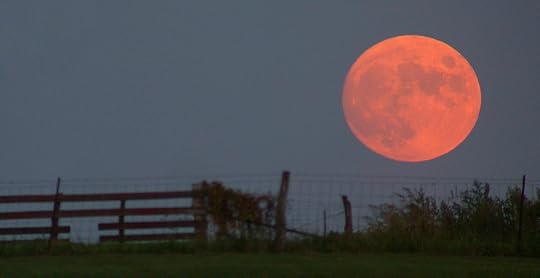
2032.
Kevin Goodman now lives with Monica Maura, he is sticking to his vow, keeping on drawing in spite of harsh living conditions, in a world facing dust storms, with a soil almost completely used up... He sells his hand-drawn copies of Billy Bat for with free princing, and meets one last time Timmy Sanada, on the hunt for other versions of the highly lucrative bat. Culkin Enterprises now owns an estimated 80% of water resources and operates 50% of all businesses worldwide. On the other hand, Timmy stopped drawing, as he can't imagine Billy smiling after all these years of ruthless chairmanship. Kevin asks Timmy to draw with him one last time, and the spite and bitterness of Kevin's former apprentice is boundless...
2063.
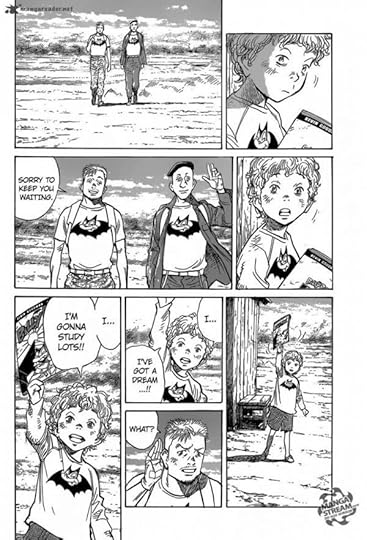
A full-scale world war in a world-wide wasteland rages as we get some extra details on the conversation between the bat entity and Kevin Goodman in Javier. The timeless being is terribly pessimistic when it comes to the nature and future of our species. The bat seems to find only one redeeming trait: disinterested (or is it ego-transcending ?), common love for good stories. In the last pages of this memorable manga, this is what allows two soldiers from enemy nations (?)/alliances (?)/ firms(?) to save an young boy, almost dead for want of water. Billy Bat's legacy is given a (slim) chance to outlive these extremely dire times.
🌕🌕🌕🌕🌕🌕🌕🌕🌕
Now a few words on the series as a whole.
A friendly gift from a close friend who accompanied me in Japan last May, this series doesn't disappoint. Many of its characters are fully delineated and enjoy their time under the spotlight sooner or later. I have been puzzling over the mystery surrounding the batlike being for most of the series, its agency on human events - real or imagined, with the legion of questions it brings about liberty and determinism... Research on the historical characters or the events happening in wildy varied eras throught the series is decent - the Tenshō Iga War, the Shimoyama Incident, Lee Hervey Oswald's life, JFK's assassination to name a few -, the dramatic tension is among the biggest strengths of the series, keeping readers on the lookout. This tension is brilliantly mad use of, to the point that certain specific scenes are a masterpiece of ambiance by themselves: ninja chasing and double-crossing other ninjas, a ghastly KKK ambush with a mixed couple trapped in the Texan city they inhabit, the spellbinding vol. 10 about Henry Charles Duvivier's parents, the introduction of Kōmori village through a classic horror lens, reminiscent of The Night of the Walking Dead... and many others come to mind. I truly enjoyed this manga series, dealing with the art of drawing, its hardships, its influence on the readership, the immense frustrations and joys it gives to its devotees, connecting people beyond the barrier of generation, ethnic group, religion and language itself.
See also:
2001: A Space Odyssey
Earthly Powers
Dr. Bloodmoney
Radio Free Albemuth
Something Like an Autobiography
Terroriser - La méthode de Junji Ito (Mangetsu Junji Ito)
Le Japon en 100 questions: Un modèle en déclin ?
All Quiet on the Western Front
The Final Soundtrack
2018.
Lawyer Monica Maura fights against the gigantic Culkin Enterprises consortium and its CEO Timmy Sanada, each time more power-hungry, as the Momochis (Jackie and Maggie), director Akechi and Kevin Goodman explore the mystical cave where Francis Xavier would have met the watchful bat entity, observing mankind from the dawn of time.
🦇🦇🦇 What follows is basically a spoiler for the ending of the series. Reader, beware! 🦇🦇🦇
🌕🌕🌕🌕🌕🌕🌕🌕🌕
Kevin actually meets the white bat, the black bat and the genuine article during a super moon.
2032.
Kevin Goodman now lives with Monica Maura, he is sticking to his vow, keeping on drawing in spite of harsh living conditions, in a world facing dust storms, with a soil almost completely used up... He sells his hand-drawn copies of Billy Bat for with free princing, and meets one last time Timmy Sanada, on the hunt for other versions of the highly lucrative bat. Culkin Enterprises now owns an estimated 80% of water resources and operates 50% of all businesses worldwide. On the other hand, Timmy stopped drawing, as he can't imagine Billy smiling after all these years of ruthless chairmanship. Kevin asks Timmy to draw with him one last time, and the spite and bitterness of Kevin's former apprentice is boundless...
2063.
A full-scale world war in a world-wide wasteland rages as we get some extra details on the conversation between the bat entity and Kevin Goodman in Javier. The timeless being is terribly pessimistic when it comes to the nature and future of our species. The bat seems to find only one redeeming trait: disinterested (or is it ego-transcending ?), common love for good stories. In the last pages of this memorable manga, this is what allows two soldiers from enemy nations (?)/alliances (?)/ firms(?) to save an young boy, almost dead for want of water. Billy Bat's legacy is given a (slim) chance to outlive these extremely dire times.
🌕🌕🌕🌕🌕🌕🌕🌕🌕
Now a few words on the series as a whole.
A friendly gift from a close friend who accompanied me in Japan last May, this series doesn't disappoint. Many of its characters are fully delineated and enjoy their time under the spotlight sooner or later. I have been puzzling over the mystery surrounding the batlike being for most of the series, its agency on human events - real or imagined, with the legion of questions it brings about liberty and determinism... Research on the historical characters or the events happening in wildy varied eras throught the series is decent - the Tenshō Iga War, the Shimoyama Incident, Lee Hervey Oswald's life, JFK's assassination to name a few -, the dramatic tension is among the biggest strengths of the series, keeping readers on the lookout. This tension is brilliantly mad use of, to the point that certain specific scenes are a masterpiece of ambiance by themselves: ninja chasing and double-crossing other ninjas, a ghastly KKK ambush with a mixed couple trapped in the Texan city they inhabit, the spellbinding vol. 10 about Henry Charles Duvivier's parents, the introduction of Kōmori village through a classic horror lens, reminiscent of The Night of the Walking Dead... and many others come to mind. I truly enjoyed this manga series, dealing with the art of drawing, its hardships, its influence on the readership, the immense frustrations and joys it gives to its devotees, connecting people beyond the barrier of generation, ethnic group, religion and language itself.
See also:
2001: A Space Odyssey
Earthly Powers
Dr. Bloodmoney
Radio Free Albemuth
Something Like an Autobiography
Terroriser - La méthode de Junji Ito (Mangetsu Junji Ito)
Le Japon en 100 questions: Un modèle en déclin ?
All Quiet on the Western Front

March 11, 2022
[SERIES REVIEW] Billy Bat is Naoki Urasawa’s wildest, most ambitious manga - a Da Vinci Code style historical thriller that’s also a commentary on commercial art, and the conflict between an artist’s desire to create and a business’ desire to control. Both desires manifest in the form of identical smart-mouthed talking bats, who can only be seen by a handful of individuals. These ultimately include Hitler, Jesus, Lee Harvey Oswald and Einstein as well as our protagonists, a Japanese and an American cartoonist. One bat seems to provide creative inspiration and some knowledge of future events; the other inspires in a different way, with double-edged promises of heroism. But which you’re talking to is never easy to tell.
Very little of this is made explicit - part of the fun of Billy Bat is that it’s a jigsaw in which history, conspiracy and invention collide in non linear ways. The initial plot thread - artist Kevin Yamagata’s journey to occupied Japan to work out where he got the idea for the Billy Bat comic - rapidly gets shuffled in with storylines and vignettes set in 60s America, 18th century Japan, 1st century Palestine and more, while we see some scenes first as drawings from the Billy Bat comic then as ‘real’ action, and others vice versa. The structure of Billy Bat is a series of more or less coherent short arcs afloat in a quantum foam of flashbacks, sideways jumps, repeated scenes and comics-within-comics. It’s credit to Urasawa’s mastery of pacing and storytelling that this is all much less confusing than it sounds, and he uses a looser, scrappier line that makes the many action sequences sing.
The problem is that the quality of the arcs is wildly variable. There are sequences that are absolutely as strong as anything else Urasawa has done - the mid-series arc flipping between 60s Japan and 20s LA is bravura stuff, for instance. And especially early on there are lots of gasp-out-loud moments as major new elements come into play. But there are also parts that seem dragged out - the Oswald arc starts extremely slowly - and others that lose force from feeling rushed. And while it’s good to see a manga explicitly address racial prejudice, the “Deep South” sequence is horrifically clumsy: Urasawa wants to address some of the worst aspects of modern history but his use of them often feels glib or cheap.
The other big issue with Billy Bat is a tendency that’s familiar to all Urasawa readers - he loves big, multigenerational stories with casts that can age and changes of protagonist. Billy Bat really indulges this habit - not only is there a mid series shift in lead character but the multiple time jumps mean that all the various antagonists fade into decrepitude. Some of their stories are resolved thoughtfully and well but there’s little to replace them and by the later stages of the comic you feel like a carefully built scaffolding of character engagement has been torn away. On the other hand the relationship between artistic master and pupil is the emotional heart of the manga and the epic timeframe lets Billy Bat really get the most from it.
No official English translation of Billy Bat is planned. That’s a shame - you’re at the mercy of scanlators, and it’s hard to imagine you aren’t losing important nuance at times. But it’s honestly not too difficult to see why nobody’s licensed it - you might be able to get away with Jesus claiming God is a cartoon bat but a thinly disguised Walt Disney taking orders from Hitler is perhaps a step too far. (Urasawa has carefully denied any such similarity: readers of the sequences set in “Billyland, the World Of Dreams” can draw their own conclusions).
A bigger indictment is that Billy Bat is not actually as good as it should be given those explosive ingredients - while it’s never confusing it is occasionally repetitive, sometimes boring and has a syrupy streak which leads to an ending whose bleakness and sappiness undercut one another. But its flaws, though serious, are in service to a wildly ambitious and personal conception by one of the most respected modern mangaka. Appropriately for a comic so interested in duality, Billy Bat is both a misfire and a major work.
Very little of this is made explicit - part of the fun of Billy Bat is that it’s a jigsaw in which history, conspiracy and invention collide in non linear ways. The initial plot thread - artist Kevin Yamagata’s journey to occupied Japan to work out where he got the idea for the Billy Bat comic - rapidly gets shuffled in with storylines and vignettes set in 60s America, 18th century Japan, 1st century Palestine and more, while we see some scenes first as drawings from the Billy Bat comic then as ‘real’ action, and others vice versa. The structure of Billy Bat is a series of more or less coherent short arcs afloat in a quantum foam of flashbacks, sideways jumps, repeated scenes and comics-within-comics. It’s credit to Urasawa’s mastery of pacing and storytelling that this is all much less confusing than it sounds, and he uses a looser, scrappier line that makes the many action sequences sing.
The problem is that the quality of the arcs is wildly variable. There are sequences that are absolutely as strong as anything else Urasawa has done - the mid-series arc flipping between 60s Japan and 20s LA is bravura stuff, for instance. And especially early on there are lots of gasp-out-loud moments as major new elements come into play. But there are also parts that seem dragged out - the Oswald arc starts extremely slowly - and others that lose force from feeling rushed. And while it’s good to see a manga explicitly address racial prejudice, the “Deep South” sequence is horrifically clumsy: Urasawa wants to address some of the worst aspects of modern history but his use of them often feels glib or cheap.
The other big issue with Billy Bat is a tendency that’s familiar to all Urasawa readers - he loves big, multigenerational stories with casts that can age and changes of protagonist. Billy Bat really indulges this habit - not only is there a mid series shift in lead character but the multiple time jumps mean that all the various antagonists fade into decrepitude. Some of their stories are resolved thoughtfully and well but there’s little to replace them and by the later stages of the comic you feel like a carefully built scaffolding of character engagement has been torn away. On the other hand the relationship between artistic master and pupil is the emotional heart of the manga and the epic timeframe lets Billy Bat really get the most from it.
No official English translation of Billy Bat is planned. That’s a shame - you’re at the mercy of scanlators, and it’s hard to imagine you aren’t losing important nuance at times. But it’s honestly not too difficult to see why nobody’s licensed it - you might be able to get away with Jesus claiming God is a cartoon bat but a thinly disguised Walt Disney taking orders from Hitler is perhaps a step too far. (Urasawa has carefully denied any such similarity: readers of the sequences set in “Billyland, the World Of Dreams” can draw their own conclusions).
A bigger indictment is that Billy Bat is not actually as good as it should be given those explosive ingredients - while it’s never confusing it is occasionally repetitive, sometimes boring and has a syrupy streak which leads to an ending whose bleakness and sappiness undercut one another. But its flaws, though serious, are in service to a wildly ambitious and personal conception by one of the most respected modern mangaka. Appropriately for a comic so interested in duality, Billy Bat is both a misfire and a major work.
This entire review has been hidden because of spoilers.

June 4, 2017
Et voilà, c'est terminé ! Bon, après le passé, c'est le futur qui nous est montré dans ce dernier tome....Et ce n'est pas très réjouissant (en même temps, ça colle à l'ambiance morose et incertaine de notre époque...)....Gardons l'espoir ! Quoiqu'il en soit, Billy Bat est un très bon seinen que je vous recommande totalement !

September 7, 2021
Mi aspettavo di tutto da questo manga, e tutto ho ricevuto. Ho trovato entusiasmanti tutti gli intrighi, i personaggi e le loro storie, ma la cosa che più mi ha interessato è stato l'arco temporale. Billy Bat è un pipistrello che nacque prima dell'umanità quindi lo vediamo interagire con l'uomo primitivo, con Gesù e Giuda, un ninja del 1600, un missionario gesuita e con alcuni uomini che vissero tra 1920 e il 2064 (fumettisti, taxisti, guide turistiche, Hilter, Einstein, versione malvagia di Walt Disney, membri della Cia, mafiosi giapponesi, l'assassino di Kennedy ovvero Lee Harvey Oswald, manager e imprenditori, assassini, bambini siriani, registi, soldati). Oltre ad alcuni personaggi realmente esistiti, non sono mancate le citazioni di eventi drammatici del passato come la caduta delle torri gemelle e del muro di Berlino, la morte di Kennedy, le atrocità del Ku Klux Klan, l'incidente ferroviario di Shimoyama, le conseguenze della Guerra Fredda e la corsa allo spazio. Oltre agli esseri umani, la Storia è stata una grande protagonista, e non un semplice sfondo, accanto alle bontà e alle nefandezze compiute dai primi. Il fumetto si conlcude nel bel mezzo di una grande guerra planetaria, come predetto dallo stesso Timmy erede della Chuck Culkin Enterprises che non aspettava altro che scarsità idrica, carestie, crisi economiche, guerre di religioni e minerarie; ma il messaggio finale di quel bambino, salvato dai due soldati ormai non più nemici, è comunque di speranza: continuare a sognare e cercare in tutti i modi di rendere noi stessi, il mondo e le persone intorno a noi migliori.
( e per gli artisti "disegnare, disegnare e ancora DISEGNARE!")
( e per gli artisti "disegnare, disegnare e ancora DISEGNARE!")
This entire review has been hidden because of spoilers.

April 5, 2019
Siempre me ha gustado Urasawa por su manera de construir las historias, por cómo te cuenta algo de lo que no te estás enterando pero a la vez te da la tranquilidad de que en algún momento tendrás las claves necesarias para descifrarlo todo. Lo hacía en '20th Century Boys', abriendo miles de tramas paralelas y desatando cabos para luego cerrarlos en los últimos compases de la lectura, y lo hacía también en 'Pluto'. En 'Billy Bat', sin embargo, lo lleva al extremo: hacia el tomo 19/20 aún no tienes ni idea de qué hostias es el murciélago ni qué pinta exactamente en toda la historia, una incertidumbre que puede resultar hasta desesperante —en anteriores historias, al menos, va dando pequeñas dosis para saciar la curiosidad—. El gran problema es que, en lugar de concentrar la resolución a todos los enigmas en el último tomo, decide dejarlo todo en el aire —esa sensación horrible mientras pasas las páginas de que se acaba todo y no vas a comprenderlo—. A mí se me quedó la sensación de haber perdido el tiempo al ver que el rompecabezas no tenía ninguna solución (muy Christopher Priest eso). ¿Para qué tanto misterio, entonces? ¿Para qué han servido los personajes?

April 21, 2023
Là où le reste de la série trainait, prenait son temps, les deux derniers tomes ont explosé dans une fin qui n'explique rien.
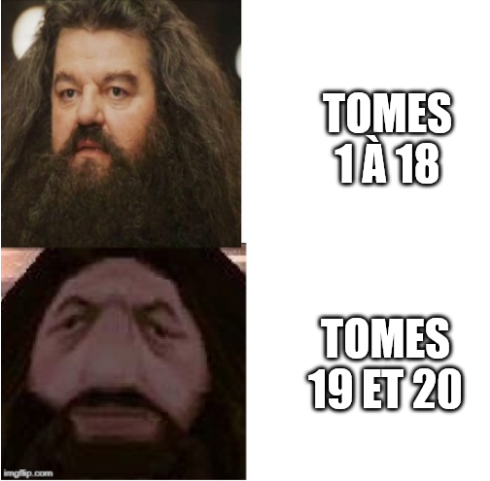
Le côté historique, insidieux, réfléchi du reste de la série fait l'effet d'un pet mouillé avec cette fin probablement très philosophique, mais qui donne un effet de scène post-générique.
Comme pour 20th boys, on dirait que le scénariste s'est perdu dans son propre scénario, essayant de démêler des intrigues qu'il a construit pendant des années, visiblement sans réel but, pour arriver à "oui c'est peut-être une métaphore, peut-être le futur, peut-être l'espoir". Dommage, car comme pour Pluto, j'ai été époustouflée par la capacité à faire ressentir des émotions aussi viscérales pour des personnages.
Le côté historique, insidieux, réfléchi du reste de la série fait l'effet d'un pet mouillé avec cette fin probablement très philosophique, mais qui donne un effet de scène post-générique.
Comme pour 20th boys, on dirait que le scénariste s'est perdu dans son propre scénario, essayant de démêler des intrigues qu'il a construit pendant des années, visiblement sans réel but, pour arriver à "oui c'est peut-être une métaphore, peut-être le futur, peut-être l'espoir". Dommage, car comme pour Pluto, j'ai été époustouflée par la capacité à faire ressentir des émotions aussi viscérales pour des personnages.

September 4, 2018
La última secuencia, el compendio de que ha sido Billy Bat encarnada en una historieta en la que aparece ni uno sólo de los personajes de la serie, puede ser un poco burda pero me ha resultado emocionante. Excelente colofón a un viaje imperfecto, con las inconsistencias y excesos habituales de Urasawa. Pero me ha merecido la pena.

September 3, 2023
Empezó como una historia muy interesante y misteriosa, llena de secretos por descubrir. Asesinatos, eventos históricos, pasados, y futuros, y gente sospechosa de una u otra manera, todos conectados a una figura poderosa con motivos desconocidos que a la vez protagoniza el manga del protagonista, un escritor cuyas ideas para dibujar advierten sin él saberlo sobre eventos que ya pasaron, o que están por ocurrir.
Pero entonces, después de la segunda mitad, el misterio empieza a arrastrarse mucho, y no solo eso, sino que se diluye tanto que comencé a perder el interés un poco. Se agregan tantos elementos que uno no sabe ya qué es qué, y al final la respuesta al misterio me fue insatisfactoria. ¿Cuál era el punto de la máquina en el pergamino? ¿Qué quería H*tler con el Chuck falso? Hay tierras alternativas (o bueno, las habían), ¿y no vemos nada de eso? Se habla de la posibilidad de viajar en el tiempo, y primero hablan de que es posible, y parece ser posible con Shishou, pero ¿luego siempre no?
El final es algo cool y bonito, pero tampoco lo sentí muy coherente con el resto de la historia, en cuanto al tema que trata (de seguir adelante). Además, al fin alguien logra ver a Billy en persona, algo que estuvo creando anticipación todo el manga, y se las arregla para ser la cosa menos extraordinaria de toda la obra.
Los personajes fueron decentes, aunque palidecieron en comparación a los de 20th Century Boys.
Es como un 7. No lo dejé porque, aunque la historia en general me empezó a perder alrededor de los 90 capítulos, Urasawa sabe escribir page-turners.
Pero entonces, después de la segunda mitad, el misterio empieza a arrastrarse mucho, y no solo eso, sino que se diluye tanto que comencé a perder el interés un poco. Se agregan tantos elementos que uno no sabe ya qué es qué, y al final la respuesta al misterio me fue insatisfactoria. ¿Cuál era el punto de la máquina en el pergamino? ¿Qué quería H*tler con el Chuck falso? Hay tierras alternativas (o bueno, las habían), ¿y no vemos nada de eso? Se habla de la posibilidad de viajar en el tiempo, y primero hablan de que es posible, y parece ser posible con Shishou, pero ¿luego siempre no?
El final es algo cool y bonito, pero tampoco lo sentí muy coherente con el resto de la historia, en cuanto al tema que trata (de seguir adelante). Además, al fin alguien logra ver a Billy en persona, algo que estuvo creando anticipación todo el manga, y se las arregla para ser la cosa menos extraordinaria de toda la obra.
Los personajes fueron decentes, aunque palidecieron en comparación a los de 20th Century Boys.
Es como un 7. No lo dejé porque, aunque la historia en general me empezó a perder alrededor de los 90 capítulos, Urasawa sabe escribir page-turners.
May 10, 2025
o mickey mouse forjou a ida a lua e a culpa disso é do Hitler
vamo la
a série como um todo é muito interessante tem muitos pontos de prender a atenção e plots enormes. oq mais falha é o autor decidir explicar tudo nesse volume oq não funciona. passamos todos os 19 volumes atrás do pergaminho sendo que era a coisa mais simples possível. ou como a história pode ser resumida em "não desista de sonhar" ou "seja verdadeiro a si mesmo" muito dos volumes são lentos e não acontecem nada e outros acontece tanta coisa que como leitor não dá pra acompanhar. vários personagens vão e vem sinto que eles não tem uma construção memorável. informações são jogadas e não são trazidas mais.
vejo que é uma obra que tenta ser muito maior do que precisaria ou é necessária. o final é bonito e emocionante mas não acho que vale o tanto de volume e mistério. alguns dos "mistérios" eu ja havia resolvido no volume 5 e ficou redundante demais. dá para ver a crítica que o autor faz aos EUA sobre controlar tudo e tentar sempre ser o maior e melhor. mas ele peca em por exemplo mencionar oq o Japão fez de errado na história e podia até usar isso no plot da história assim como usou o 11 de setembro.
muita expectativa foi criada acho que vale a pena ler mas diminuir um pouco oq se espera da obra.
vamo la
a série como um todo é muito interessante tem muitos pontos de prender a atenção e plots enormes. oq mais falha é o autor decidir explicar tudo nesse volume oq não funciona. passamos todos os 19 volumes atrás do pergaminho sendo que era a coisa mais simples possível. ou como a história pode ser resumida em "não desista de sonhar" ou "seja verdadeiro a si mesmo" muito dos volumes são lentos e não acontecem nada e outros acontece tanta coisa que como leitor não dá pra acompanhar. vários personagens vão e vem sinto que eles não tem uma construção memorável. informações são jogadas e não são trazidas mais.
vejo que é uma obra que tenta ser muito maior do que precisaria ou é necessária. o final é bonito e emocionante mas não acho que vale o tanto de volume e mistério. alguns dos "mistérios" eu ja havia resolvido no volume 5 e ficou redundante demais. dá para ver a crítica que o autor faz aos EUA sobre controlar tudo e tentar sempre ser o maior e melhor. mas ele peca em por exemplo mencionar oq o Japão fez de errado na história e podia até usar isso no plot da história assim como usou o 11 de setembro.
muita expectativa foi criada acho que vale a pena ler mas diminuir um pouco oq se espera da obra.

January 10, 2026
What an extraordinary journey this has been! Having had the privilege of following this story across all 20 volumes, I find myself sitting here in silence, just trying to process the scale of what I’ve witnessed. Billy Bat isn't just a manga; it’s a monumental achievement in storytelling.
Naoki Urasawa has proven once again that he is a master of it. His ability to subvert expectations is unmatched—just when I felt certain I had predicted the next move or grasped the trajectory of the plot, he would throw a curveball that changed everything. Yet, despite the constant surprises, nothing felt cheap. Every twist was woven into a complex, sprawling commitment to exploring the entirety of human history.
What struck me most was the philosophical depth of the work. It’s a permanent interrogation of human nature, a finger pointed at our history of conflict, and a constant questioning of why we do what we do. It’s rare to find a story that is this ambitious in scope but still manages to deliver a finale that is both logically sound and emotionally resonant. The way he tied everything together left me genuinely breathless.
To me, this is hands down the best manga I have ever read.
I’ll say this to anyone who appreciates a great story, regardless of whether they usually read mamga or not: if you only ever pick up one manga in your entire life, let it be Billy Bat. It transcends the medium.
I truly bow before Urasawa for creating what can only be described as an absolute masterpiece.
Naoki Urasawa has proven once again that he is a master of it. His ability to subvert expectations is unmatched—just when I felt certain I had predicted the next move or grasped the trajectory of the plot, he would throw a curveball that changed everything. Yet, despite the constant surprises, nothing felt cheap. Every twist was woven into a complex, sprawling commitment to exploring the entirety of human history.
What struck me most was the philosophical depth of the work. It’s a permanent interrogation of human nature, a finger pointed at our history of conflict, and a constant questioning of why we do what we do. It’s rare to find a story that is this ambitious in scope but still manages to deliver a finale that is both logically sound and emotionally resonant. The way he tied everything together left me genuinely breathless.
To me, this is hands down the best manga I have ever read.
I’ll say this to anyone who appreciates a great story, regardless of whether they usually read mamga or not: if you only ever pick up one manga in your entire life, let it be Billy Bat. It transcends the medium.
I truly bow before Urasawa for creating what can only be described as an absolute masterpiece.

January 21, 2025
Terminado este viaje con Billy Bat, no sé que dejar para la posteridad como opinión.
Buena historia, aunque creo que es a partir de algo mas allá de la mitad que sentí que se desinfló.
Y por mencionar algo del final, no fue hasta que me quedaban pocos números que no podía llegar a imaginar un final para esto, aunque me he sentido algo decepcionado al leerlo, un final muy en la línea del mensaje de la obra, eso sí.
Buena historia, aunque creo que es a partir de algo mas allá de la mitad que sentí que se desinfló.
Y por mencionar algo del final, no fue hasta que me quedaban pocos números que no podía llegar a imaginar un final para esto, aunque me he sentido algo decepcionado al leerlo, un final muy en la línea del mensaje de la obra, eso sí.

March 4, 2026
3,5/5
c'est clairement pas la meilleure série d'Urasawa, mais un mauvais Urasawa reste un très bon manga
ça partait dans tous les sens, j'ai kiffé les personnages, les voir changer et grandir, l'histoire m'a tenu en haleine tout le long bien qu'à la fin j'avais l'impression qu'il restait encore plein de questionnements
c'est clairement pas la meilleure série d'Urasawa, mais un mauvais Urasawa reste un très bon manga
ça partait dans tous les sens, j'ai kiffé les personnages, les voir changer et grandir, l'histoire m'a tenu en haleine tout le long bien qu'à la fin j'avais l'impression qu'il restait encore plein de questionnements
September 19, 2025
Finalmente termino Billy Bat.
Una intrincada e intensa historia que te atrapa en los primeros tomos, pero que luego la emoción decae en los últimos volúmenes. Además, aún tengo varias preguntas🚶♀️
De todos modos, los últimos capítulos me tenían sensible 😮💨
Una intrincada e intensa historia que te atrapa en los primeros tomos, pero que luego la emoción decae en los últimos volúmenes. Además, aún tengo varias preguntas🚶♀️
De todos modos, los últimos capítulos me tenían sensible 😮💨

December 15, 2024
Naoki Urasawa is a genius. Billy bat is genuinely one of the smartest pieces of fiction I have ever read. Blending history's most significant conspiracy theories with sharp social commentary, I could not put down this psychological thriller.

October 22, 2025
La fine di un bel viaggio, meno potente rispetto a Monster e 20th Century Boys. Riesce a tenerti incollato pur avendo una linea temporale frammentata.
Urasawa non si smentisce mai
Urasawa non si smentisce mai

January 20, 2022
Lets gooo Urasawa!! The goat of all mangaka! I wish there was a manga of the manga in this manga.

September 30, 2019
Billy Bat è una bella idea che col passare dei numeri si è inevitabilmente accartocciata su se stessa. E infatti i volumi conclusivi, e soprattutto quest’ultimo, sono (almeno per me) lontani dal regalare vere e proprie emozioni. Tutto è già stato detto, si capisce che c’è un ciclo di disegnatori di Billy, le rivelazioni a proposito del pipistrello sono davvero poca roba e in sostanza non cambiano nulla delle sorti della storia. Il volume finale assomiglia in maniera preoccupante a uno qualsiasi dei volumi intermedi. Peccato.
December 18, 2020
Who is the bat ? how can you use the scroll ? how do the bat choose who can see him ?
unlike Urasawa's 20th Century Boys, this manga gives you a 20-volume journey just to find out that billy is either a philosophical character (and who can see it/him are bunch of a very good guessers), or Urasawa was just too lazy to clear things up in this volume.
unlike Urasawa's 20th Century Boys, this manga gives you a 20-volume journey just to find out that billy is either a philosophical character (and who can see it/him are bunch of a very good guessers), or Urasawa was just too lazy to clear things up in this volume.

December 4, 2019
This series is phenomenal. It's right up there with 20th/21st Century Boys and Monster.
August 21, 2022
Mickey Mouse faked the Moon landing.
This entire review has been hidden because of spoilers.

September 6, 2025
🦇
Finita anche la quarta “grande” serie di urasawa dopo Monster, Pluto e 20th century boys.
Che dire? Le premesse (e le aspettative) come in ogni manga di Urasawa sono altissime: un incipit interessantissimo e un comparto artistico stupendo e riconoscibile spinge il lettore a voler sapere sempre di più della storia e di come essa si svolgerà.
I primi volumi sono incredibili, da amante della storia (e da grandissimo appassionato di tutte le parentesi storiche trattate nel fumetto, cosa che mi ha quasi fatto pensare ad un intervento in prima persona del 🦇) non potevo chiedere di meglio.
La trama ad “imbuto” è nel più classico stile Urasawa: tantissime sotto trame, tantissimi salti temporali che, per quanto a un primo approccio possa intimorire per via della complessità del tutto, vengono gestiti con maestria da uno dei più grandi fumettisti della storia della settima arte e anche grazie a Takashi Nagasaki, da sempre collaboratore e “uomo nell’ombra” delle sceneggiature delle opere del sensei Urasawa.
Veniamo ora alle note dolenti.
Essendo un manga corale, i personaggi e le sotto trame che troviamo nelle numerose epoche storiche non sempre riescono a soddisfare le aspettative; ancora peggio è la sensazione che più si va avanti e meno ci si imbatte in storie personaggi ispirati (Timmy ne è l’esempio lampante, un villain che si presenta senza niente da dire fin dal non così grande colpo di scena che lo coinvolge, e finisce per essere un mix mal fatto di tutti i cattivi legati al Billy fumettistico)
Veniamo poi a quello che a mio parere è il problema più grande, ovvero gli interrogativi senza risposta, che ahimè sono tanti.
Perché Hitler chiede al falso Culkin di diffondere il pipistrello negli USA?
Cos’è il pipistrello? È buono o cattivo? Influenza gli umani? E se lo fa, qual è il suo scopo? In che modo può riscrivere la storia? In che modo può collegarsi con le persone? E perché?
Tutti questi interrogativi non trovano una vera e propria risposta, arrivando così ad un finale tragico ma che dà comunque una speranza nel domani.
Comunque un bel finale ma che lascia l’amaro in bocca.
E questo ci porta a quello che alla fine Billy Bat davvero è, ovvero una grande dichiarazione d’amore verso l’arte (non solo il fumetto) da parte del suo autore.
Dalle pitture rupestri agli ukyo-e, dai fumetti ai graffiti, passando dal cinema al fumetto digitale, (strizzando sempre l’occhio al cartaceo perché si sa, come il fumetto su carta non c’è niente), Urasawa dichiara ancora una volta amore totale all’arte, amore viscerale al fumetto, da quello dei grandi maestri del passato fino ai giorni nostri, un amore che supera le epoche, le tecniche di disegno e le strategie di marketing degli editori.
Un amore che chi ama il fumetto può comprendere.
Alla prossima maestro, e come sempre grazie del viaggio ❤️🩹
Finita anche la quarta “grande” serie di urasawa dopo Monster, Pluto e 20th century boys.
Che dire? Le premesse (e le aspettative) come in ogni manga di Urasawa sono altissime: un incipit interessantissimo e un comparto artistico stupendo e riconoscibile spinge il lettore a voler sapere sempre di più della storia e di come essa si svolgerà.
I primi volumi sono incredibili, da amante della storia (e da grandissimo appassionato di tutte le parentesi storiche trattate nel fumetto, cosa che mi ha quasi fatto pensare ad un intervento in prima persona del 🦇) non potevo chiedere di meglio.
La trama ad “imbuto” è nel più classico stile Urasawa: tantissime sotto trame, tantissimi salti temporali che, per quanto a un primo approccio possa intimorire per via della complessità del tutto, vengono gestiti con maestria da uno dei più grandi fumettisti della storia della settima arte e anche grazie a Takashi Nagasaki, da sempre collaboratore e “uomo nell’ombra” delle sceneggiature delle opere del sensei Urasawa.
Veniamo ora alle note dolenti.
Essendo un manga corale, i personaggi e le sotto trame che troviamo nelle numerose epoche storiche non sempre riescono a soddisfare le aspettative; ancora peggio è la sensazione che più si va avanti e meno ci si imbatte in storie personaggi ispirati (Timmy ne è l’esempio lampante, un villain che si presenta senza niente da dire fin dal non così grande colpo di scena che lo coinvolge, e finisce per essere un mix mal fatto di tutti i cattivi legati al Billy fumettistico)
Veniamo poi a quello che a mio parere è il problema più grande, ovvero gli interrogativi senza risposta, che ahimè sono tanti.
Perché Hitler chiede al falso Culkin di diffondere il pipistrello negli USA?
Cos’è il pipistrello? È buono o cattivo? Influenza gli umani? E se lo fa, qual è il suo scopo? In che modo può riscrivere la storia? In che modo può collegarsi con le persone? E perché?
Tutti questi interrogativi non trovano una vera e propria risposta, arrivando così ad un finale tragico ma che dà comunque una speranza nel domani.
Comunque un bel finale ma che lascia l’amaro in bocca.
E questo ci porta a quello che alla fine Billy Bat davvero è, ovvero una grande dichiarazione d’amore verso l’arte (non solo il fumetto) da parte del suo autore.
Dalle pitture rupestri agli ukyo-e, dai fumetti ai graffiti, passando dal cinema al fumetto digitale, (strizzando sempre l’occhio al cartaceo perché si sa, come il fumetto su carta non c’è niente), Urasawa dichiara ancora una volta amore totale all’arte, amore viscerale al fumetto, da quello dei grandi maestri del passato fino ai giorni nostri, un amore che supera le epoche, le tecniche di disegno e le strategie di marketing degli editori.
Un amore che chi ama il fumetto può comprendere.
Alla prossima maestro, e come sempre grazie del viaggio ❤️🩹
This entire review has been hidden because of spoilers.

May 7, 2025
J'ai adoré Billy Bat: je le place au même niveau que Monster et si ce dernier garde ma préférence, c'est probablement grâce à la valeur sentimental qu'il a pour moi.
Comme d'habitude l'histoire est géniale et comme d'habitude on se perd dans le temps avec délice. Les mangas de Urasawa sont le lieu d'adieux soudains et de retrouvailles inespérées, avec des personnages et des époques, qui font chavirer le cœur et corsent parfois la compréhension: cela peut déplaire à certains lecteur, mais moi, à chaque fois je me régale.
L'émotion véhiculée par les protagonistes est encore une fois magnifiée par le trait du mangaka. Comme presque toujours avec Naoki Urasawa, le lecteur passe constamment du macrocosme au microcosme, de la grande histoire à la petite mais il le fait toujours par le biais d'un ou de quelques individus parce qu'il est avant tout un raconteur de trajectoires d'êtres humains. Et c'est probablement sa plus grande force: même un voyage sur la lune est à la fois un enjeu à l'échelle de l'humanité et l'histoire terriblement intime d'une seule personne. Evidemment le lecteur est, de ce fait, impliqué émotionnellement: surtout qu'il côtoie pendant toute l'histoire à la fois la lie de l'humanité et ce qu'elle peut offrir de meilleur.
Après il y a ce qui est plus spécifique à Billy Bat et qui m'a touché :
Avec sa chauve-souris, Urasawa brise le quatrième mur à plusieurs reprises et il le fait avec beaucoup de finesse: il s'adresse au lecteur dans un manga dont un des thèmes principaux est ce qu'un individu peut receler dans le même temps d'impuissance totale et d'extrêmes possibilités et cette idée là n'est pas la moins puissante du dessinateur. L'utilisation de Billy Bat est si fine que je me suis retrouvée presque systématiquement frustrée de ne pas avoir les versions complètes des histoires de Billy signées Yamagata et Goodman, alors que celles de Culkin et Sanada ne me faisaient pas envie, même le peu que l'on me donnait...
Billy Bat est aussi un des meilleurs mangas sur le thème de l'art: sur les créateurs et les créations artistiques, sur l'inspiration, sur la façon de percevoir et recevoir ce cadeau et sur la réalisation du potentiel humain en général.
Tout dans ce manga est d'une intelligence rare et pour ce qui est du "monde à la dérive", d'une actualité crue... Mais le message qui reste est un message d'espoir: non on ne sauvera pas le monde seul et peut-être même pas tous ensemble, mais chaque être humain reste ce potentiel énorme de possibilités et de rêves à concrétiser.
Une lecture incroyable!
Comme d'habitude l'histoire est géniale et comme d'habitude on se perd dans le temps avec délice. Les mangas de Urasawa sont le lieu d'adieux soudains et de retrouvailles inespérées, avec des personnages et des époques, qui font chavirer le cœur et corsent parfois la compréhension: cela peut déplaire à certains lecteur, mais moi, à chaque fois je me régale.
L'émotion véhiculée par les protagonistes est encore une fois magnifiée par le trait du mangaka. Comme presque toujours avec Naoki Urasawa, le lecteur passe constamment du macrocosme au microcosme, de la grande histoire à la petite mais il le fait toujours par le biais d'un ou de quelques individus parce qu'il est avant tout un raconteur de trajectoires d'êtres humains. Et c'est probablement sa plus grande force: même un voyage sur la lune est à la fois un enjeu à l'échelle de l'humanité et l'histoire terriblement intime d'une seule personne. Evidemment le lecteur est, de ce fait, impliqué émotionnellement: surtout qu'il côtoie pendant toute l'histoire à la fois la lie de l'humanité et ce qu'elle peut offrir de meilleur.
Après il y a ce qui est plus spécifique à Billy Bat et qui m'a touché :
Avec sa chauve-souris, Urasawa brise le quatrième mur à plusieurs reprises et il le fait avec beaucoup de finesse: il s'adresse au lecteur dans un manga dont un des thèmes principaux est ce qu'un individu peut receler dans le même temps d'impuissance totale et d'extrêmes possibilités et cette idée là n'est pas la moins puissante du dessinateur. L'utilisation de Billy Bat est si fine que je me suis retrouvée presque systématiquement frustrée de ne pas avoir les versions complètes des histoires de Billy signées Yamagata et Goodman, alors que celles de Culkin et Sanada ne me faisaient pas envie, même le peu que l'on me donnait...
Billy Bat est aussi un des meilleurs mangas sur le thème de l'art: sur les créateurs et les créations artistiques, sur l'inspiration, sur la façon de percevoir et recevoir ce cadeau et sur la réalisation du potentiel humain en général.
Tout dans ce manga est d'une intelligence rare et pour ce qui est du "monde à la dérive", d'une actualité crue... Mais le message qui reste est un message d'espoir: non on ne sauvera pas le monde seul et peut-être même pas tous ensemble, mais chaque être humain reste ce potentiel énorme de possibilités et de rêves à concrétiser.
Une lecture incroyable!

April 9, 2026
Ci sono opere che raccontano una storia, e poi ci sono opere che parlano del perché raccontiamo storie. Billy Bat appartiene decisamente alla seconda categoria.
A una prima lettura può sembrare un thriller storico, pieno di misteri, simboli ricorrenti e complotti che attraversano epoche e personaggi. Ma più si va avanti, più diventa chiaro che il vero centro dell’opera non è il “pipistrello”, bensì il potere delle narrazioni. Billy Bat suggerisce qualcosa di tanto semplice quanto destabilizzante: non è la realtà a generare le storie, ma sono le storie a dare forma alla realtà. Le ideologie, i conflitti, perfino la storia umana sembrano muoversi seguendo racconti che qualcuno ha deciso di tramandare, manipolare o imporre. Ed è qui che emerge il suo cuore più profondo. Le storie non sono buone o cattive. Sono strumenti. Possono unire oppure dividere, costruire ponti o alzare muri. Possono essere usate per comprendere il mond, oppure per controllarlo: tutto dipende da chi le racconta e da chi sceglie di crederci.
Il finale - che trovo di una bellezza assurda - svela alla fine il suo senso ultimo, mostrando che per tutto il tempo ha messo scena proprio questo conflitto: da una parte chi vuole usare le storie per esercitare potere, dall’altra chi tenta di lasciarle libere, restituendo loro una dimensione più autentica. E in questo discorso si inserisce uno degli aspetti più toccanti dell’opera, e quello che (credo, eh) sia l'invito che Urasawa fa a noi lettori: l’idea di recuperare uno sguardo “bambino”. Non si tratta di tornare ingenui, ma di ritrovare quella capacità di vedere il mondo senza filtri rigidi, senza ideologie che dividono, senza confini costruiti. Uno sguardo “daltolnico”, capace di non distinguere ciò che la società insiste a separare, uno sguardo che invita a rimuovere tutte le sovrastrutture che poi la vita adulta ci insegna duramente ad ergere.
Il finale non offre una risposta semplice, ma lascia una responsabilità chiara: le storie continueranno a esistere, che lo vogliamo o no. Il mondo è una narrazione in continua riscrittura, e ognuno di noi, nel suo piccolo, è sia lettore che autore. Sta a noi decidere che tipo di storia vogliamo raccontare.
Tutto bellissimo. Applausi. Lacrimoni. Standing ovation. Bravo Urasawa.
A una prima lettura può sembrare un thriller storico, pieno di misteri, simboli ricorrenti e complotti che attraversano epoche e personaggi. Ma più si va avanti, più diventa chiaro che il vero centro dell’opera non è il “pipistrello”, bensì il potere delle narrazioni. Billy Bat suggerisce qualcosa di tanto semplice quanto destabilizzante: non è la realtà a generare le storie, ma sono le storie a dare forma alla realtà. Le ideologie, i conflitti, perfino la storia umana sembrano muoversi seguendo racconti che qualcuno ha deciso di tramandare, manipolare o imporre. Ed è qui che emerge il suo cuore più profondo. Le storie non sono buone o cattive. Sono strumenti. Possono unire oppure dividere, costruire ponti o alzare muri. Possono essere usate per comprendere il mond, oppure per controllarlo: tutto dipende da chi le racconta e da chi sceglie di crederci.
Il finale - che trovo di una bellezza assurda - svela alla fine il suo senso ultimo, mostrando che per tutto il tempo ha messo scena proprio questo conflitto: da una parte chi vuole usare le storie per esercitare potere, dall’altra chi tenta di lasciarle libere, restituendo loro una dimensione più autentica. E in questo discorso si inserisce uno degli aspetti più toccanti dell’opera, e quello che (credo, eh) sia l'invito che Urasawa fa a noi lettori: l’idea di recuperare uno sguardo “bambino”. Non si tratta di tornare ingenui, ma di ritrovare quella capacità di vedere il mondo senza filtri rigidi, senza ideologie che dividono, senza confini costruiti. Uno sguardo “daltolnico”, capace di non distinguere ciò che la società insiste a separare, uno sguardo che invita a rimuovere tutte le sovrastrutture che poi la vita adulta ci insegna duramente ad ergere.
Il finale non offre una risposta semplice, ma lascia una responsabilità chiara: le storie continueranno a esistere, che lo vogliamo o no. Il mondo è una narrazione in continua riscrittura, e ognuno di noi, nel suo piccolo, è sia lettore che autore. Sta a noi decidere che tipo di storia vogliamo raccontare.
Tutto bellissimo. Applausi. Lacrimoni. Standing ovation. Bravo Urasawa.
December 3, 2024
Me ne ero accorto già con 20th Century Boys, ma qui ne ho avuto la conferma: Urasawa ha un enorme problema coi finali. Se pure è bravissimo nella costruzione della suspense e degli intrecci della storia, poi arriva a un certo punto (di solito appena superata la metà, come fu attorno al numero 7/8 del già citato 20th Century Boys e come è attorno al numero 14/15 di Billy Bat) e si perde: perde mordente, perde la tensione, perde le idee che lo avevano fatto arrivare fino a quel punto, dando la sensazione di averla tirata un po' troppo per le lunghe e giungendo a un finale sgonfio, un po' tirato via, sicuramente non all'altezza della prima metà della storia che ha raccontato.
Se i primi due cofanetti - incredibili le storie legate ai ninja, le figure di Smith e Finley, e poi il "revisionismo storico" di Oswald, fino alla difficile storia d'amore (e di razzismo) del rampollo della Golden Cola e la bella futura moglie - mi avevano tenuto incollato alle pagine perché volevo vedere cosa sarebbe successo, tanta era la carne al fuoco, a partire dalla fine del terzo cofanetto - con Morehouse, Timmy Sanada, la redenzione di Devivie ecc...- ho iniziato a perdere entusiasmo, perché gli intrecci perdevano di mordente e ogni volta, di fronte a un possibile climax, tutto si risolveva con un nulla di fatto e con un rimando a qualcosa che ancora doveva accadere. Ma a tirare troppo la corda, ossia l'attenzione del lettore, il rischio di tradire le aspettative è sempre più alto...
Se i primi due cofanetti - incredibili le storie legate ai ninja, le figure di Smith e Finley, e poi il "revisionismo storico" di Oswald, fino alla difficile storia d'amore (e di razzismo) del rampollo della Golden Cola e la bella futura moglie - mi avevano tenuto incollato alle pagine perché volevo vedere cosa sarebbe successo, tanta era la carne al fuoco, a partire dalla fine del terzo cofanetto - con Morehouse, Timmy Sanada, la redenzione di Devivie ecc...- ho iniziato a perdere entusiasmo, perché gli intrecci perdevano di mordente e ogni volta, di fronte a un possibile climax, tutto si risolveva con un nulla di fatto e con un rimando a qualcosa che ancora doveva accadere. Ma a tirare troppo la corda, ossia l'attenzione del lettore, il rischio di tradire le aspettative è sempre più alto...

June 13, 2026
Completa y absoluta obra maestra. Es de las mejores cosas que he leído en mi vida. Tiene una calidad de dibujo increíble y una historia absurdamente ambiciosa, llena de complejidad, pero que al mismo tiempo se siente ligera y fascinante de seguir. Naoki Urasawa es, definitivamente, un genio de la narrativa; tiene una capacidad impresionante para construir misterio tras misterio y hacer que sea imposible dejar de leer.
Lo que más me impactó de Billy Bat fue la forma en que toma algunas de las teorías de conspiración, eventos históricos y figuras más importantes de la historia y las entrelaza en una sola narrativa que, por increíble que parezca, nunca se siente caótica. Es una historia que constantemente te hace cuestionarte qué es real, qué no lo es y hasta qué punto las personas son dueñas de su propio destino.
Además, aunque toca temas sumamente delicados y oscuros, nunca pierde ese lado humano que caracteriza tanto a Urasawa. Al final, más allá de las conspiraciones, los misterios y los giros, termina siendo una historia sobre las decisiones que tomamos, el impacto que tienen en los demás y la capacidad de las personas para elegir el bien incluso en las peores circunstancias.
Es un thriller increíblemente absorbente, lleno de momentos que me dejaron con la boca abierta, pero también una obra sorprendentemente optimista. Me dejó sin palabras. De verdad, de lo mejor que he leído. 💗
Lo que más me impactó de Billy Bat fue la forma en que toma algunas de las teorías de conspiración, eventos históricos y figuras más importantes de la historia y las entrelaza en una sola narrativa que, por increíble que parezca, nunca se siente caótica. Es una historia que constantemente te hace cuestionarte qué es real, qué no lo es y hasta qué punto las personas son dueñas de su propio destino.
Además, aunque toca temas sumamente delicados y oscuros, nunca pierde ese lado humano que caracteriza tanto a Urasawa. Al final, más allá de las conspiraciones, los misterios y los giros, termina siendo una historia sobre las decisiones que tomamos, el impacto que tienen en los demás y la capacidad de las personas para elegir el bien incluso en las peores circunstancias.
Es un thriller increíblemente absorbente, lleno de momentos que me dejaron con la boca abierta, pero también una obra sorprendentemente optimista. Me dejó sin palabras. De verdad, de lo mejor que he leído. 💗

November 30, 2017
Adiós Billy Bat... ¿adiós?
No está la portada de la edición en español de Planeta-Agostini.
No hablo de este número 20, sino de la serie completa.
Me da la sensación, ya me pasó con 20 y 21 century boys, que a Urasawa le cuesta finalizar sus obras.
En Billy Bat cuenta con la colaboración al guión de Takashi Nagasaki, pero aún así la obra deriva y se pierde en el tiempo y se remansa. Los últimos números demeritan la intensidad vibrante de los primeros volúmenes, sobre todo aquellos centrados en los hechos ambientados en los EEUU de la década de los sesenta.
Creo que en algún momento Urasawa detuvo la escritura de Billy Bat, y esa pausa se nota. Y aunque el final sea decepcionante comparado con la intensidad anterior, en conjunto es una obra muy interesante, tanto a nivel artístico, como metanarrativo (esa realidad paralela que se impone a la real y que nace de las manos de distintos dibujantes a lo largo del tiempo me parece una idea brillante y genial)
Escribamos y cambiemos el mundo.
(Por cierto, sigo pensando que Stephen King estaba leyendo Billy Bat cuando escribió esa chorrada de la puerta dimensional para impedir el asesinato de Kennedy)
22/11/63, de Stephen King vs Billy Bat, de Naoki Urasawa
No está la portada de la edición en español de Planeta-Agostini.
No hablo de este número 20, sino de la serie completa.
Me da la sensación, ya me pasó con 20 y 21 century boys, que a Urasawa le cuesta finalizar sus obras.
En Billy Bat cuenta con la colaboración al guión de Takashi Nagasaki, pero aún así la obra deriva y se pierde en el tiempo y se remansa. Los últimos números demeritan la intensidad vibrante de los primeros volúmenes, sobre todo aquellos centrados en los hechos ambientados en los EEUU de la década de los sesenta.
Creo que en algún momento Urasawa detuvo la escritura de Billy Bat, y esa pausa se nota. Y aunque el final sea decepcionante comparado con la intensidad anterior, en conjunto es una obra muy interesante, tanto a nivel artístico, como metanarrativo (esa realidad paralela que se impone a la real y que nace de las manos de distintos dibujantes a lo largo del tiempo me parece una idea brillante y genial)
Escribamos y cambiemos el mundo.
(Por cierto, sigo pensando que Stephen King estaba leyendo Billy Bat cuando escribió esa chorrada de la puerta dimensional para impedir el asesinato de Kennedy)
22/11/63, de Stephen King vs Billy Bat, de Naoki Urasawa

September 12, 2019
1949, États-Unis, Kevin Yamagata est l'auteur d'une BD à succès : Billy Bat. Le jour où il apprend que son héros ressemble étrangement à celui d'un manga japonais, il décide de partir au Japon retrouver l'origine de ce dessin. Ce voyage va changer sa vie à un point qu'il est loin d'imaginer...
20 tomes, 20 livres pleins de suspens et de rebondissements, d'allers-retours entre le passé, le présent et le futur, de mystères, de faits réels et d'imaginaire, de personnages tous plus attachants les uns que les autres et d'autres vraiment détestables. J'ai adoré retrouver les dessins de Naoki Urusawa dans un style complètement différents de ses autres séries que j'ai pu dévorer jusqu'à présent. Urusawa est l'un de mes mangakas préférés et je n'ai pas été déçue. Mon seul bémol : la fin un peu étrange / étonnante, pas décevante mais pas folle non plus.
En bref : à lire absolument !
20 tomes, 20 livres pleins de suspens et de rebondissements, d'allers-retours entre le passé, le présent et le futur, de mystères, de faits réels et d'imaginaire, de personnages tous plus attachants les uns que les autres et d'autres vraiment détestables. J'ai adoré retrouver les dessins de Naoki Urusawa dans un style complètement différents de ses autres séries que j'ai pu dévorer jusqu'à présent. Urusawa est l'un de mes mangakas préférés et je n'ai pas été déçue. Mon seul bémol : la fin un peu étrange / étonnante, pas décevante mais pas folle non plus.
En bref : à lire absolument !
November 24, 2025
Final thoughts: this was a very very thrilling and captivating story to read through. The highlight was the plot and the mystery. The characters were kind of a mixed bag for me, people like the Kevins, the real Chuck, zofu, devive, and Oswald were all solidly written characters who I think had complete stories but then people like Jackie, Maggie, yamashita and Timmy all kind felt unfinished. I still need to read 20th century boys and Pluto before making any definitive placements as far as how Billy Bat compares to the rest of Urasawas work but compared to Monster, Billy Bat is not as good, though that is a very high bar. Overall though I think Billy Bat is a very solid mystery that will keep you guessing until the very end.

May 13, 2025
Nun ist es also vorbei, ein sehr gelungenes Ende wie ich finde.
Die ganze Reihe hat mich von Band 1 an bis Band 20 vollkommen in den Bann gezogen.
Naoki Urasawa hat hier sowohl zeichnerisch als auch storytechnisch ein, aus meiner Sicht selbstverständlich, echtes Meisterwerk erschaffen.
Jeder, der Mystery-Stories mag, kommt hier voll auf seine Kosten und findet mit Billy Bat eine Story, die nicht nur spannend ist, sondern auch durch die geschichtlich nachvollziehbaren Bezüge (Bsp. Mondlandung, Kennedy-Attentat) sehr gut greifbar ist.
Auch der Zeichenstil ist unglaublich, Urasawa hat eine Liebe zum Detail, die beneidenswert ist.
Das Lesen hat mir großen Spaß gemacht!
Die ganze Reihe hat mich von Band 1 an bis Band 20 vollkommen in den Bann gezogen.
Naoki Urasawa hat hier sowohl zeichnerisch als auch storytechnisch ein, aus meiner Sicht selbstverständlich, echtes Meisterwerk erschaffen.
Jeder, der Mystery-Stories mag, kommt hier voll auf seine Kosten und findet mit Billy Bat eine Story, die nicht nur spannend ist, sondern auch durch die geschichtlich nachvollziehbaren Bezüge (Bsp. Mondlandung, Kennedy-Attentat) sehr gut greifbar ist.
Auch der Zeichenstil ist unglaublich, Urasawa hat eine Liebe zum Detail, die beneidenswert ist.
Das Lesen hat mir großen Spaß gemacht!

December 5, 2025
Al final, Billy Bat se convierte en mucho más que un thriller conspirativo, es una obra que te toma de la mano y te arrastra por décadas de historia, dolor, amor y destino, mientras te recuerda que todos estamos conectados por las historias que contamos y las que heredamos. Cada personaje (desde los más nobles hasta los más rotos, desde los héroes hasta los villanos que terminan revelando su humanidad) deja una marca profunda.
Este manga me enseñó, me hizo llorar, encariñarme, decepcionarme y volver a amar. Al cerrarlo entendí que Billy Bat no solo observa a sus personajes, también nos observa a nosotros, recordándonos que toda historia está viva y que su significado cambia con cada lector.
Este manga me enseñó, me hizo llorar, encariñarme, decepcionarme y volver a amar. Al cerrarlo entendí que Billy Bat no solo observa a sus personajes, también nos observa a nosotros, recordándonos que toda historia está viva y que su significado cambia con cada lector.
Displaying 1 - 30 of 80 reviews