'De color de amapola' es una novela en la que se entretejen dos tramas: la de los brigadistas internacionales en Albacete, donde tuvieron su cuartel general, y la de una mujer que lucha por la exhumación de los restos de su abuelo. Es una novela en la que se relatan acontecimientos que se desconocen en torno a estas unidades militares de voluntarios internacionales en España. Las dos mujeres que comparten nombre ―Encarna, como si una «encarnara» o fuese el reflejo en el tiempo de la otra― están acompañadas por otros personajes inolvidables, como son las tres traductoras-intérpretes que llegan voluntarias a Albacete desde distintos países ―Elisa, francesa, Eyleen, inglesa, y Gina, argentina de origen ruso―, o Gloria, abogada uruguaya, y Rosa María, bibliotecaria albaceteña. El texto ha sido escrito tras un largo y meticuloso proceso de documentación que no interfiere en el desarrollo de la acción. Una novela amena, con un buen ritmo narrativo, que está dirigida a público juvenil y adulto indistintamente, en la que enseguida nos encontraremos envueltos en fascinantes descubrimientos sobre nuestro presente y pasado más reciente.
I studied English Philology at the University of Granada in the 1980s and received my Ph.D. from the Complutense University of Madrid in the 1990s with a thesis on the early poetry of the Welsh poet Dylan Thomas.
I worked as a teacher of English for many years in secondary schools, public and private universities, and official language schools; I also taught as lecturer documentation for the media, a field I am passionate about and in which I obtained a degree. In addition to some academic publications and collaborations in educational research and a couple of books in English on digital literacy (DIALNET- Alemany-Martínez, Dolores),
I have written short stories and published two poetry books: "La vida inacabada"(2021) and "Panacea: Poesía para la distopía"(2022), the novel "De color de amapola"(2022) and the bilingual picture book "Quédate un poquito más / Stay A Little Bit Longer" (2022).
Writing has always helped me find some beauty and purpose in our life experience.
Hay libros que llegan casi por sorpresa y, sin buscarlo, te reconcilian con la literatura. De color de amapola es uno de ellos. Descubrir que una autora de tu propia ciudad ha sido capaz de construir una novela de casi trescientas páginas que entrelaza la historia local, la memoria de las Brigadas Internacionales y la "posible" microhistoria de quienes vivieron aquellos años duros resulta, sencillamente, emocionante.
La novela se articula en torno a dos líneas narrativas atemporales que avanzan en paralelo. Por un lado, la historia de Encarna, una mujer vacía, sin rumbo, que decide enfrentarse a su propio vacío personal a través de la búsqueda de su abuelo, asesinado tras la Guerra Civil. Esa investigación íntima se convierte en un viaje de reconstrucción de la memoria familiar, pero también colectiva. Por otro lado, la obra nos traslada al Albacete de 1937 y 1938, cuando la ciudad se convirtió en un enclave clave para las Brigadas Internacionales.
Desde el inicio, se intuye que ambas historias están conectadas. El vínculo acaba revelándose de manera lógica, pero lo verdaderamente interesante es que la novela no se sostiene únicamente sobre ese descubrimiento. El abuelo de Encarna, aunque fundamental, funciona en muchos momentos como un protagonista simbólico, un hilo que permite dar voz a muchas otras historias silenciadas. El libro se hace querer precisamente por eso: porque no se limita a una sola memoria, sino que abre un mosaico de vivencias, ideales y contradicciones.
El retrato de Albacete durante la guerra es uno de los mejores puntos de la obra. La ciudad se llenó en ese año y medio de extranjeros llegados de todas partes del mundo; espacios como el Gran Hotel o la calle Tejares se convirtieron en puntos de encuentro de múltiples lenguas, acentos y culturas. En ese contexto aparecen personajes como Gina, Elisa y Elyeen, figuras con un trasfondo histórico real que la autora convierte en personajes vivos, cercanos, capaces de generar empatía y cariño en el lector. No se olvidarán fácilmente de ellas si sienten el libro. Todas ellas comparten una misma lucha: la defensa de la II República y de los valores democráticos. Sin embargo, en Albacete no solo encuentran una causa política, sino también una experiencia vital que las transforma. Encuentran amistad, amor, pérdida y sentido. Esa mirada extranjera sobre la ciudad añade profundidad al relato y conduce inevitablemente a reflexionar sobre lo que supone vivir lejos de casa, adaptarse a lo desconocido y mantener la rebeldía necesaria para sostener una ideología en tiempos de violencia y miedo.
De color de amapola es, en definitiva, una novela recomendable no solo por su valor histórico, sino por su capacidad para humanizar el pasado y acercarlo al presente. Para quien conoce Albacete, el libro tiene además un valor añadido: reconocer tu ciudad, sus calles y su historia, y comprender que también fue escenario de una lucha internacional cargada de ideales, sacrificio y esperanza.
Una obra poco conocida -pero a la altura de libros mucho más exitosos- que invita a ver con otros ojos lo que observamos cada día.
Historias cotidianas, tan bonitas como crueles, se entremezclan en este libro que me ha hecho ver mi ciudad con otros ojos, los que vieron a las Brigadas Internacionales pasearla, más parecida a la que existía antes de que un obús reventara su memoria y la esparciera en cunetas. Gracias a los y las que hicieron suya nuestra guerra.
El pueblo que no conoce su historia está condenado a repetirla
Relato donde se recrea la presencia de los brigadistas en Albacete durante la Guerra Civil. Una lectura muy agradable para entrar en este periodo de la historia con una buena ambientación.
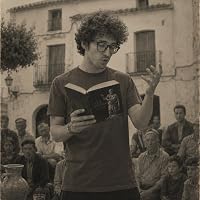
Lola Alemany's novel, 'The Colour of Poppies', is a rich tapestry that skilfully weaves together two compelling plots, transporting readers to the sun-drenched landscapes of Southern inner Spain during the Spanish Civil War while keeping a foot on our current timeline in Valencia coast sixty years apart. I attended her novel presentation in Benicassim, Hotel Voramar in mid-August 2023. She was happy to be presenting again a book that had first come out in Spanish one year earlier in mid-July the Spanish government had approved a new ‘Democratic Memory’ bill to tackle the legacy of Franco’s 1939-1975 dictatorship and the Spanish Civil War that preceded it, with various measures to honour those who suffered persecution or violence. This time it was in David Roes' translation, (a crafty one, I might add) that was being presented. The 23-strong group, mostly tourists in that town were gladly surprised at the content and lively talk we were involved in.
On a personal note, I appreciated her deft hand at exploring the intricacies of the main character, Encarna, and the hardships of a woman who fights for the exhumation of her grandfather’s remains. It breathes out human courage and resilience against the backdrop of our confronted society, still in historical turmoil about its past. Today I received a note from a friend who lives in Amsterdam, Vaudine, who confessed: “Dear friend, I read it in one sitting, and loved it and learned so much“. Enough said! Where to start? Perhaps with the women. A standout feature of the narrative is the portrayal of strong, resilient female characters who play pivotal roles in both plots. One of the novel's strengths lies in its portrayal of the background of credible International Brigades women translators, Elisa, Eyleen and Gina. The large background is peopled by a diverse group of individuals drawn together by a common cause. The narrative follows their interaction with the locals (The grandfather Paco, Don Emilio the doctor, Luis the photographer, Andreu the soldier). Many struggled against the odds and fought failures as they navigated the complex political and social landscape of wartime Spain. Alemany's meticulous research and vivid prose breathe life into this historical period, capturing the reader's imagination and immersing them in the intensity of the conflict. To make her point clear, she informed us that the conflict in Spain was reported by 183 women journalists. These women, with their unwavering determination and courage, challenged traditional gender roles of the mid-thirties era.
But the strongest aspect Ms Alemany brings forth is the character of Encarna (same name) in modern Spain, her fears, dilemmas, looking for a way out, steady in fighting for the memory of the silent, lost, ignored voices (over 100.000), providing a refreshing and empowering perspective on an intertwined plot becoming aware of the contradictions of our incomplete democracy about our present related to our most recent past. As the dual narratives unfold, Alemany skilfully tightens the plot, creating a palpable sense of intrigue. The intricate interweaving of the two storylines keeps the reader eagerly turning the pages, wondering how the fates of these characters will converge. The novel's climax is resolved adeptly, as the threads of the narrative come together in a poignant and satisfying resolution. 'The Colour of Poppies' is a testament to Lola Alemany's storytelling prowess. Through a combination of historical authenticity, a strong pace of development, and effective prose, she delivers a novel that not only entertains but also invites reflection on the enduring human spirit in the face of adversity. A must-read for those who appreciate a well-crafted tale that seamlessly blends history and fiction.
Lo cierto es que no consigo explicarme cómo un libro con una temática tan potente —el paso de las Brigadas Internacionales por Albacete— ha conseguido interesarme tan poco. La premisa prometía muchísimo, pero, al menos para mí, la ejecución se ha quedado corta. No sé si ha sido por la estructura en dos tiempos, con una trama del presente que me ha parecido más un relleno que un apoyo real a la historia del pasado, o por unos personajes planos y estereotipados, pero lo cierto es que no he logrado conectar. Tampoco me ha convencido el estilo: sencillo, sí, pero quizá demasiado naíf para el trasfondo histórico que pretende abordar. No diría que es un mal libro; como novela juvenil podría funcionar, y se nota el cariño por el tema.
This book does not just tell you a story. It brings you back to the history of humankind in times of war. I congratulate the author for taking the time, the resources and, mostly, the strength to delve into her family's most painful chronicles.
p.s. Surely, it was very emotional for me (as a native Bulgarian) to read among other passages lines taken from one of the most symbolic Bulgarian songs (Oblache le byalo) dedicated to all those who have left their homelands for one reason or for the other.
Relato donde se recrea la presencia de los brigadistas en Albacete durante la Guerra Civil. Una lectura muy agradable para entrar en este periodo de la historia con una buena ambientación.
Disclosure: my in-laws met in Spain during the Spanish Civil War - my MIL went over with the International Red Cross and my FIL crossed the mountains and was an ambulance driver. I've been part of two tours honoring the veterans of the War so I came into this with some knowledge of the fight. That said, Ms. Alemany brought the stories I heard to vivid life in this well researched, engaging story of three women who joined in the fight against fascism. The characters were engaging and their stories were interesting. The novel covers the mystery of what happened to a contemporary character's grandfather and her search for his remains as well as the stories of three volunteers who knew him during the war. We know the outcome - we know who won - but we may not have thought about the impact of a civil war on successive generations. I met the author in Los Angeles and she is open to meeting with book clubs and talking more about the book and her personal history. Highly recommend for readers of Beatriz Williams.