तुमच्या बागा फुलाव्यात, ऊसमळे झुलावेत, साखर कारखाने निघावेत, यंत्रं चालावीत, तुमच्या घराघरात वीज खेळावी, म्हणून आम्ही आमची गावं आणि आमचं भवितव्य धरणाच्या घशात कोंबलं. विकासाचा नारळ फोडण्यासाठी दगड म्हणून आमची डोकी वापरलीत. खोबरं तुम्हाला मिळालं आणि आम्ही पाण्यासाठी, साध्या स्मशानासाठी भिका मागायच्या. जिवंतपणी आणि मेल्यावरही झडती चालूच.
गाव आणि देव पाठीवर बांधून चालणार्या हजारो धरणग्रस्तांची मन सुन्न करणारी कहाणी.
पुस्तकाला मिळालेले पुरस्कार: मथुराबाई सार्वजनिक वाचनालय, बीडतर्फे दिला जाणारा महात्मा फुले साहित्य व वाङ्मय पुरस्कार 1991-92 साहित्य अकादमी पुरस्कार, नवी दिल्ली 1992 रोहमारे ग्रामीण साहित्य पुरस्कार 1992 पुणे नगर वाचन मंदिराचा कै. श्री. ज. जोशी पुरस्कार 1992 महाराष्ट्र साहित्य परिषदेचे कै. वामन मल्हार जोशी पारितोषिक 1992-93 पद्मश्री विखे पाटील साहित्य पुरस्कार 1992-93 मारवाडी संमेलन : घनश्यामदास सराफ साहित्य पुरस्कार 1992-93
This book tore my heart to shreds, and it's never been the same since. Never have I read anything that chronicles the human cost of development, dams & displacement in as much heartbreaking detail as this does. If there's one book that deserves to be more widely read, it is this one.
"The Jambhlikars' disbelieving eyes stared at the dam. What a monstrous structure, crouching on our homes, our lands! They glanced westwards and saw a vast expanse of water. Frolicking tourists enjoying themselves in multi-coloured boats bobbing up and down on it. In these same waters is buried our living, loving, green homeland. Where are those trees, the birds that twittered in the pipal tree by the boundary wall, the mud school building that shook with children's laughter, the lowing cattle, the red-faced monkeys on Maruti's spire..."
संघर्ष पाचवीलाच पुजलेला आहे असं आपण म्हणतो तेंव्हापण आपल्या संघर्षाच्या काही व्याख्या असतात, काही सीमा असतात. झाडाझडती वाचताना त्या सर्व सीमांच्या पलीकडे आपण जाऊन उभे राहतो. संघर्ष तरीही संपत नाहीच.
मोठी धरणे बांधली की त्या प्रमाणात विकास होईलच ह्या स्वप्नरंजनातून अनेक मोठ्या धरणाच्या मोहिमा सुरु झाल्या. ह्या कथेतल्या जांभळी धरणापासून, ते आज सरदार सरोवर आणि नर्मदा धरणापर्यंत अनेक ज्वलंत प्रश्न आपल्यापुढे उभे राहिले. तरीही विकास म्हणजे काही कोष्टकांतल्या आकड्यांचा की माणसांचा ह्याचं उत्तर अजूनही हुलकावणी देत राहिलेलं आहे. जांभळी धरण होताना काही गावं विस्थापित झाली. आपली चांगली कसदार जमीन धरणाच्या पाण्यात बुडताना ज्या लोकांनी पाहिली त्यांना मिळाली डोंगराळ किंवा नापीक जमीन. तीही सहजी नाही त्यासाठीच करावा लागला तो संघर्ष.
झाडाझडती या शब्दाचा पुस्तकात दिलेला प्रादेशिक अर्थच मुळी ‘झाडांनी दिलेली झडती; पूर्वजन्मीची पापे या जन्मी फेडणे. झाड ही संज्ञाच दुःख या अर्थी, खेड्यात झाड धरणे याचा अर्थ भूताने वा अज्ञात शक्तीने झपाटणे; न संपणारे दुःख देणे’. इथे व्यवस्थाच दोषी कारण माणूस ही जातच वाईट. व्यवस्थेने नीट बांधलं नाही, तर दोष व्यवस्थेकडेच. आपण आग आटोक्यात राहावी म्हणून नाना प्रयत्न करतो पण आगीकडून न जाळण्याची अपेक्षा धरत नाही तसंच काहीसं.
किंबहुना धरणग्रस्तांची आणि खैरापूरकरांची अदलाबदल केली तरीही माणूस माणूस म्हणून वागेल का ह्याची काहीच शाश्वती देता येत नाही. त्यामुळे अखिल मानवजात निव्वळ काही सदाचारी लोकांमुळे टिकून आहे ह्या निर्णयापर्यंत येऊन आपला प्रवास संपतो. निराशेशिवाय फार वेगळं हाती रहात नाही. अर्थात ह्यात लेखकाची कुठेच चूक नाही, पण कितीही नियम कायदे कानून केले तरी, कितीही बांध घातले तरी पाणी उताराकडेच वाहणार ह्याला प्रत्यवाय नाही.
प्रादेशिक भाषेत पूर्णपणे मुरलेलं हे पुस्तक आहे. अगदीच अकादमीक पुण्यामुंबईची मराठी तुम्हाला येत असेल तर ही भाषा जड जाईल. सरावाला थोडासा वेळ लागेल. पण त्या अनुषंगाने हेही जाणवेल की अगदीच पुण्यापासून १००-१५० किलोमीटर मध्ये अशीही गावं आहेत त्यातल्या लोकांनी कधी लिफ्ट पाहिलेली नाही कि उंच इमारती पाहिलेल्या नाहीत. त्यांना विकासाची अशी कोणती स्वप्न आपण दाखवली. गावांचा विकास झाला का, की अगदी एक दोन गावकऱ्यांचा?
अनेक प्रश्नांचा गुंता सुटता सुटत नाही. खैरमोडे गुरुजी, जे जांभळी धरणग्रस्तांच्या चळवळीचं नेतृत्व करतात, ते एके ठिकाणी कळवळून मुलांना शिक्षणाचं महत्व सांगतात त्या वेळी ते खोलवर जाणवतं. शिक्षित समाज असता तर अश्या धरणांना वेळीच थांबवू शकला असता का? त्याच्या अधिकारांची जाणीव त्यास असती का हेही प्रश्न राहतातच.
५१९ पानांच्या (मराठीच्या दृष्टीने हे मोठं पुस्तक म्हणायला हवं) पुस्तकात अगदी हाताच्या बोटावर मोजता येतील इतकीच चांगली माणसं, खरंच कायद्याबरोबर वागून समाजाचं भलं करणारे एक देशमुख कलेक्टर. त्यांना कोणीतरी विचारतो की धरणग्रस्तांना मदत केल्याने राजकारणी लोकांची खप्पा मर्जी होईल त्याचं काय, तेंव्हा ते त्यांच्या नाशिकजवळच्या जमिनीचा संदर्भ देऊन म्हणतात की दोन वेळचं खाऊ शकेन इतकं कुटुंबीयांकडे आहे. स्वतःचं कर्तव्य असेच जण करू शकतात ज्यांना समाजाचं भलं खरंच करायचं आहे आणि सरकारी नोकरीवर चरितार्थ पूर्णपणे विसंबून नाही. कितीसे असतील असे?
माणसांना बेदखल (dehumanize, ह्या बेदखल पेक्षा चांगला शब्द सुचला नाही, पण असेल) केलं की त्यांच्यावरचे अत्याचार मनाला डागण्या देत नाहीत. अमेरिकेत कृष्णवर्णीयांवर जे अनन्वित अत्याचार झाले तिथेही मुळाशी असच गृहीतक असावं असा स्टॅनफर्ड च्या एका अभ्यासातून पुढे आलेलं आहे (Discrimination against blacks linked to dehumanization, study finds). धरणग्रस्तांचं जिणं काहीसं अश्याच दिशेने गेलं. त्यामुळेच गुरुजींचं शिक्षणाबद्दलचं मत मनाला भिडतं. ह्याच विषयावरचा अरुंधती रॉय ह्यांचा ‘द ग्रेटर कॉमन गुड’ नावाचा लेख अतिशय वाचनीय आहे.
विकास, विकास म्हणताना आणि नाहक विकसित देशांशी आणि शहरांची आपली तुलना करताना विकास नक्की कोणासाठी, कोणाचा आणि कसा हे विचार नागरिक म्हणून आपल्या मनात डोकावलेच पाहिजेत आणि मग बुलेट ट्रेन हवी का कुपोषणमुक्त भारत हवा ह्या दोनपैकी कुठे खर्च करावा हे कळेल. हेच विचार करताना, अशी पुस्तकं शहरी कल्पनाविलास आणि गावातील वास्तव ह्यातील दरी कमी करायला मदत करतील हे नक्की.
The book is all about people n their pain who had to leave their village due to a dam on the river, the entire village was going under river water after construction of a dam,in spite of their constant fight with govt. against building this dam, they failed to retain their houses, properties, fields n had left no choice but to surrender, zhadazadti is a continuous pain & the word is used in rural dialect in marathi which holds perfect for this novel, u will notice a different language in the book instead of standard marathi
विकासाच्या नावाखाली एक धरण कसे गावातील लोकांचे जीवन उध्वस्त करून टाकते आणि सपूर्ण गावाचा बळी जातो याचे हृदयभेदी वर्णन यात केलेले आहे.
“शासनाच्या हाती राक्षसी सत्ता असते. तीच गोष्ट शिकल्या-सुधारल्या मंडळींची. आपल्या वाढत्या सुखसोयी, चोचले पुरविण्यासाठी ते प्रसंगी निसर्गावर, त्यात राहणारा कडेकपारीतील अडाणी जनतेच्या अन्नावर उठतात. आपल्या लुटीला लूट न म्हणता 'विकास', 'प्रगती' अशी गोंडस नावे देतात. गुन्हेगारीला तत्वज्ञानाचा आधार देतात. सारे एक होतात.”
जाम्भली धरण योजना या भोवती ही कथा आहे. धरण बनवण्यापासून ते धरण बनवल्यानंतर सुद्धा गावातील लोकांच्या ज्या हालअपेष्टा होतात त्याचे विदारक चित्रण या पुस्तकामधे आहे. धरण बांधण्याच्या विरोधात सरकारशी सतत संघर्ष करून सुद्धा आपला संसार, घरे, शेतजमिन सर्व सोडून द्यावे लागते.
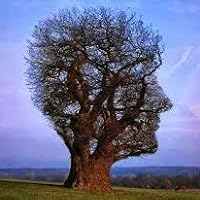
विस्थपितांचे पुनर्वसन हे फ़क्त नावपुरतेच! त्यातही राजकारण येते आणि या सगळ्या माणसाचे जगणे स्वस्त होऊन जाते. स्वतःच्या कसदार जमीनीच्या बदल्यात नापीक जमीन पदरात पड़ते. अगदी स्मशानभूमि मिळवण्यासाठी सुद्धा संघर्ष करावा लागतो. पुस्तकाचे मुखपृष्ट हृदयाला भिडणारे आहे. विश्वास पाटील यांनी ग्रामीण बोलीभाषेत अत्यंत सुंदर शब्दात विस्थपितांचे दुःख मांडले आहे. प्रत्येक पात्राच्या दुःखाशी आपण समरस होऊं जातो. कथा मनातून जातच नाही. अगदी आर्धा जरी वीज नसेल तर व्यवस्थेला चार शिव्या देऊन आपण मोकळे होतो. मग ज्यांच्या जीवावर आपण "विकास" करतो त्यांचा कोणीच विचार करत नाही. हे पुस्तक वाचताना मनात एक अपराधी पणाची भावना निर्माण होते.
A poignant narrative of a community displaced by the dam project. The people of Jambhli village in the mountains seem to have no respite after they lose their village to the upcoming dam project. They are convinced to agree to rehabilitation and give up their lands only to realise that all the promises and assurances given to them by the local leaders are predictably hollow. The local leader with a loyal following tries his best to avail the benefits which are rightfully theirs under the terms and conditions of rehabilitation - but in a so called democratic and free India- who really are the law keepers? In the tussle between the deserving and the greedy, the honest and the crooks, the gentle and the brutal - who wins? Whom do the mountain gods favour? The story takes us through the everyday lives of these families - their farms and fields, their kitchens, weddings, births, naming ceremonies and funerals. What is it that make people matter? Money? Power? Greed? Who and how do we decide which person's life is more important than the other? What makes one person give up while another take on the cause as a leader? How does one person decide to fight only for his/her family and another to fight for the whole village even at the cost of his family? This books forces one to take a hard look at what we define as development not from the nature's perspective as we usually tend to do in modern times but from a very human or rather humane perspective. It took me more time than usual to read this book in its original Marathi edition but it was definitely worth it.
I think everyone should read this book at least once. This book depicts the suffering caused by the lack of planning to the people who are stepped on by the government in the name of development. How people suffer by the hands of oligarchy and capitalism. It shows the importance of why government and justice system should have skin in the game and how corrupt people take advantage of immunity provided by the government to take make themselves rich and powerful. This is still true in present. This book does a good job informing people about it, if people just read the books. It's a good book; the story and the message also good. The story drags a bit. The story is typical Marathi story from the 90s, if you watched the films from 90s you can relate a lot of tragedies which somewhat diluted the experience for me. I have seen so many Marathi tragedy films this is just one of them. This book could be made shorter, many of the monologues are repeated and can be made short or cut entirely. Like other old Marathi literature it has some inaccuracies regarding names and other stuff of characters which is not major flaws but it is there. All in all I highly recommend reading this book.
धरणासारखा प्रकल्प जेव्हा गावंच्या गावं उठावतो, तेव्हा त्या विस्थापितांच्या वाट्याला येणारं दुःख आणि त्याचं यथायोग्य वर्णन करणारी ही कादंबरी मनुष्य वर्गाचं उपजत स्वार्थी स्वभावाचे सूक्ष्म दर्शन करवून जाते.
झाडाझडती ही कादंबरी म्हणजे खैरापूर येथील वाघजाई खोऱ्यातील जांभळी गावच्या धरणाची कथा. जांभळी धरण योजनेमुळे विस्थापित झालेल्या पूर्ण गावाची, सरकारी उपेक्षेची आणि राजकीय धाकदपटशाचे बळी ठरलेल्या धरणग्रस्तांच्या जीवनाची हृदयद्रावक कहाणी. छोट्या-छोट्या आणि वरवर सोप्या वाटणाऱ्या अनेक सरकारी निर्णयांनी सामान्य लोकांच्या आयुष्यात कशा प्रकारे उलथापालथ घडते आणि त्याचे दूरगामी परिणाम येणाऱ्या कित्येक पिढ्यांना भोवतात याचे उत्तम उदाहरण म्हणजे ही कादंबरी... या कादंबरीत धरणाच्या संपूर्ण घटनेभोवती फिरणाऱ्या गावकऱ्यांच्या आयुष्यांतील बदल टिपले आहेत. धरण बांधलं जातं तेव्हा गाव कशा पद्धतीने विखरून जातं, गावकरी कडे विस्थापित होतात, त्यांना होणारा शारीरिक आणि मानसिक त्रास, त्यांच्या पुनर्वसनात येणारं राजकारण, त्यांचं जिथे पुनर्वसन होतं तिथल्या लोकांची होणारी गैरसोय, आणि या सगळ्यामुळे माणसाचं स्वस्त(?) झालेलं जगणं हे सगळं लेखकाने अचूक टिपलं आहे. हे पुस्तक आपल्याला- आपण विकासाची व्याख्या नैसर्गिक दृष्टिकोनातून नव्हे, तर आधुनिक काळातल्या मानवी दृष्टीकोनातून करतो- यावर विचार करायला भाग पाडतं. धरणग्रस्तांच्या पुनर्वसनाचे धिंडवडे, स्वार्थाने भरलेली ग्रामीण समाजव्यवस्था आणि त्यातून तयार झालेले राजकारणी-सरकारी नोकर ह्या सगळ्यांच यथार्थ चित्रण या कादंबरीतून केलं आहे.!
I personally found this book a real page turner. The fact that the author was only in hus early thirties when he wrote his books hugely increases my respect for him. While describing the utter hardships of those displaced by the dam he has demonstrated a profound knolwledge of the village life, the culture, the politics and their laguage as well. I liked that he has used tons of words from rural vocabulary. Some people might find those difficult to understand but those words greatly add to the beauty and authenticity of the book. Reading the struggle that the characters in the book go through has made me appreciate my life even more.
It's the story about the never ending sadness and worries of the poor people who are forced to move out of their ancestral homes in the name of development and forced live in places which are suitable for their lives. The rich and powerful ones are reaping all the benefits of the developments while the poor people end up even more poorer with minimum support from government. This novel should be read and those in power and government offices should take action to improve the plight of those affected.
Very lucid book. Written in marathi language. The pain and the miseries faced by the locals are fluently shown in this book. As every Marathi Book reader knows if the author is Vishwas Patil then the novel must be great. Again up to the mark. Loved it. Great novel.
The book really made me sad. It is all about the pain of people whose houses & cultivating lands are submerged due to dam on the river. Their struggle & trouble for living is kind of depressing.
भयानक प्रसंग , कादंबरी वाचताना काळजाला भिडणारा प्रवास वाटला, ज्या दिवशी हैबती देवा घरी गेला, अक्षरशा राडावस वाटलं .सलाम पाटील साहेब आपल्या लेखनाला ,खरच असही जगणं असतं ,हे आत्ता कळलं.👌👌👌
धरणामुळे विस्थापित झालेल्या पूर्ण गावाचे व सरकारी उपेक्षेचे तसेच राजकीय धाकदपटशाहीचे बळी ठरलेल्या धरणग्रस्तांच्या जीवनाचे हृद्यविदारक चित्रण करण्यात लेखक यशस्वी झाला आहे . छोटे-छोटे वाटणारे अनेक सरकारी निर्णय बर्याच सामान्य लोकांच्या आयुष्यात प्रचंड उलथापालथ घडवून आणतात व त्याचे बरेच दूरगामी परिणाम येणाऱ्या कित्येक पिढ्यांना भोगावे लागतात या विदारक वास्तवाची जाणीव खूप अस्वस्थ करून जाते . दारिद्र्य-निराशा-अगतिकता यांच्या चक्रात अडकलेल्या धरणविस्थापितांच्या आयुष्याचे भेदकपणे अचूक चित्रण करणारी अशी दुसरी कादंबरी मराठी साहित्यविश्वात नसावी .
This writing reveals a heartbreaking evil. When people affected by dams migrate, their journey becomes very long. All of them started to cry after reading this novel.
This entire review has been hidden because of spoilers.