

What do you think?

The Nazi Seizure of Power: The Experience of a Single German Town 1922-1945
William Sheridan Allen's research provides an intimate, comprehensive study of the mechanics of revolution and an analysis of the Nazi Party's subversion of democracy. Beginning at the end of the Weimar Republic, Allen examines the entire period of the Nazi Revolution within a single locality.
Tackling one of the 20th century's greatest dilemmas, Allen demonstrates how this dictatorship subtly surmounted democracy and how the Nazi seizure of power encroached from below. Relying upon legal records and interviews with primary sources, Allen dissects Northeim, Germany with microscopic precision to depict the transformation of a sleepy town to a Nazi stronghold. In this cogent analysis, Allen argues that Hitler rose to power primarily through democratic tactics that incited localized support rather than through violent means.
Allen's detailed, analysis has indisputably become a classic. Revised on the basis of newly discovered Nazi documents, The Nazi Seizure of Power: The Experience of a Single German Town, 1922-1945 continues to significantly contribute to the understanding of this prominent political and moral dispute of the 1900s.
Tackling one of the 20th century's greatest dilemmas, Allen demonstrates how this dictatorship subtly surmounted democracy and how the Nazi seizure of power encroached from below. Relying upon legal records and interviews with primary sources, Allen dissects Northeim, Germany with microscopic precision to depict the transformation of a sleepy town to a Nazi stronghold. In this cogent analysis, Allen argues that Hitler rose to power primarily through democratic tactics that incited localized support rather than through violent means.
Allen's detailed, analysis has indisputably become a classic. Revised on the basis of newly discovered Nazi documents, The Nazi Seizure of Power: The Experience of a Single German Town, 1922-1945 continues to significantly contribute to the understanding of this prominent political and moral dispute of the 1900s.
388 pages, Paperback
First published January 1, 1965
Ratings & Reviews
Friends & Following
Create a free account to discover what your friends think of this book!
Community Reviews
Displaying 1 - 30 of 99 reviews

July 10, 2012
ANATOMIA DI UNA DITTATURA
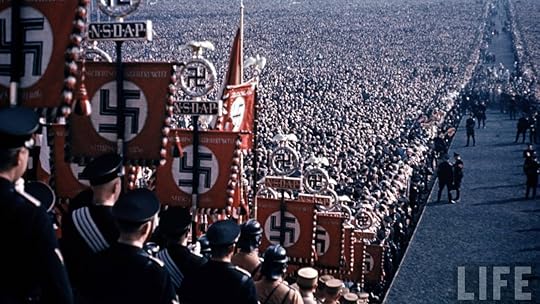
Allen pubblicò questa ricerca nel 1965: sentiva che gli avvenimenti indagati erano troppo prossimi nel tempo, che l’argomento in Germania fosse ancora troppo scottante, e quindi scelse un nome fittizio per la città che pone al centro della sua ricerca: Thalburg.
In realtà si trattava di Nordheim nell’Hannover.
La vicinanza temporale ai fatti studiati e qui descritti permette ad Allen di attingere a fonti ancora fresche, dai documenti municipali alle raccolte del giornale locale, molti degli attori sono tuttora viventi, i luoghi non ancora trasformati e stravolti dal boom economico.
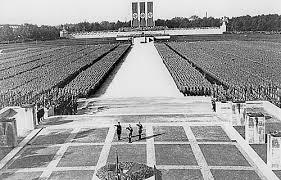
Allen mette le mani avanti e avverte che il suo microcosmo non può essere scambiato per il macrocosmo, per l’intera nazione tedesca.
Ma quello che lui individua e traccia in questo piccolo borgo, la piazza del mercato, il Municipio, poche strade, diecimila abitanti circa, impiegati comunali e operai della ferrovia (Nordheim/Thalburg era un importante snodo ferroviario), funzionari statali, giornalisti locali, commercianti e bottegai, molti reduci dalla Grande Guerra, associazioni e istituti locali, ricorda molto da vicino quello che è stato studiato e dimostrato stava accadendo nel resto del paese: un attentato alla democrazia che riuscì a sconfiggere quell’istituto per sostituirlo con una dittatura eletta più o meno democraticamente.
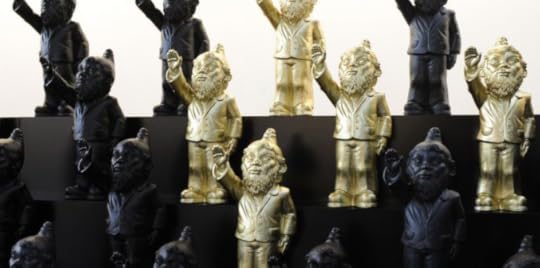
Decorazioni da giardino.
Nelle elezioni del 1928 a Nordheim/Thalburg su 5400 elettori, 2200 scelsero di votare per il Partito Socialdemocratico, e solo 123 per il Partito Nazionalsocialista dei Lavoratori Tedeschi (questo il vero nome del partito nazista). Il resto si divise tra poche decine di voti ai comunisti, 500 al Partito dello Stato.
In due anni l’elettorato aumenta da 5400 a oltre seimila, e i voti nazisti crescono quattordici volte, da 123 a 1742.
Altri due anni dopo, i nazisti raggiungono il 62,3% dell’elettorato, e nelle ultime elezioni del 1933 vanno ancora oltre.
La sinistra perde, senza crollare veramente: chi tende a sparire sono i tradizionali partiti moderati e conservatori.
La dittatura viene eletta democraticamente (e in effetti si trasforma in autenticamente tale, cioè dittatura, una volta raggiunto il potere), si tratta di una libera scelta che trasformò “a rate” la Germania della democrazia della Repubblica di Weimar nella dittatura nazista.

La copertina della mia edizione.
Il perché è ormai noto e quest’ottimo studio lo dimostra se ancora ce ne fosse bisogno.
La crisi economica degli anni ’20, e quindi il posto di lavoro messo a rischio (15% di disoccupazione), la svalutazione della moneta, la riduzione dei consumi - la sconfitta e l’umiliazione della Prima Guerra Mondiale (la Germania fu la grande sconfitta anche al tavolo dei negoziati di Versailles) – l’inadeguatezza della classe dirigente e delle sue scelte – il pericolo rosso (i bolscevichi) – l’incertezza, l’insicurezza verso il futuro, la paura crescente…
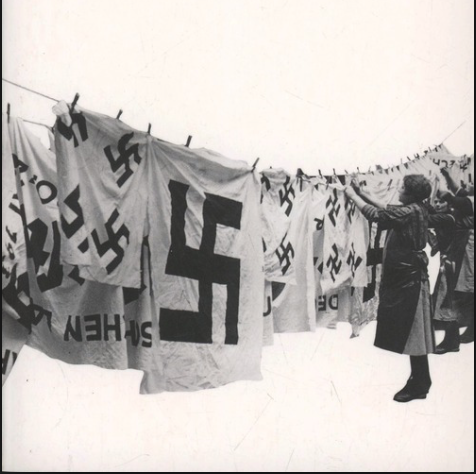
La copertina della precedente edizione Einaudi.
Un magma che il partito di Hitler seppe sfruttare e manovrare molto bene. E quindi, la sconfitta in guerra e susseguentemente nei trattati diventa difesa dei confini, orgoglio nazionale (sovrano); i politici inadeguati diventano lo schifo della politica in generale; la disoccupazione e l’incertezza economica diventano gli altri che rubano il diritto al lavoro (i rossi, gli ebrei, gli stranieri).
Direi che le conclusioni da trarre dalla lettura di questo bello e utile studio sono che la fine della democrazia è sempre possibile, non è vero che gli anticorpi sono forti sani e vigili, la voglia dell’uomo forte, del capo che risolva al posto nostro è latente.
Chissà perché tanto di questo suona sinistramente familiare.
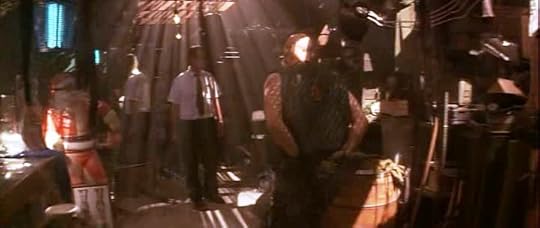
Nel film “Un giorno di ordinaria follia” Michael Douglas entra in un negozio di armi che nel retro ha un ‘museo’ di cimeli militari, tra cui ovviamente nazisti: il regista Joel Schumacher inquadra dei libri tra cui questo di William Sheridan Allen.
Allen pubblicò questa ricerca nel 1965: sentiva che gli avvenimenti indagati erano troppo prossimi nel tempo, che l’argomento in Germania fosse ancora troppo scottante, e quindi scelse un nome fittizio per la città che pone al centro della sua ricerca: Thalburg.
In realtà si trattava di Nordheim nell’Hannover.
La vicinanza temporale ai fatti studiati e qui descritti permette ad Allen di attingere a fonti ancora fresche, dai documenti municipali alle raccolte del giornale locale, molti degli attori sono tuttora viventi, i luoghi non ancora trasformati e stravolti dal boom economico.
Allen mette le mani avanti e avverte che il suo microcosmo non può essere scambiato per il macrocosmo, per l’intera nazione tedesca.
Ma quello che lui individua e traccia in questo piccolo borgo, la piazza del mercato, il Municipio, poche strade, diecimila abitanti circa, impiegati comunali e operai della ferrovia (Nordheim/Thalburg era un importante snodo ferroviario), funzionari statali, giornalisti locali, commercianti e bottegai, molti reduci dalla Grande Guerra, associazioni e istituti locali, ricorda molto da vicino quello che è stato studiato e dimostrato stava accadendo nel resto del paese: un attentato alla democrazia che riuscì a sconfiggere quell’istituto per sostituirlo con una dittatura eletta più o meno democraticamente.
Decorazioni da giardino.
Nelle elezioni del 1928 a Nordheim/Thalburg su 5400 elettori, 2200 scelsero di votare per il Partito Socialdemocratico, e solo 123 per il Partito Nazionalsocialista dei Lavoratori Tedeschi (questo il vero nome del partito nazista). Il resto si divise tra poche decine di voti ai comunisti, 500 al Partito dello Stato.
In due anni l’elettorato aumenta da 5400 a oltre seimila, e i voti nazisti crescono quattordici volte, da 123 a 1742.
Altri due anni dopo, i nazisti raggiungono il 62,3% dell’elettorato, e nelle ultime elezioni del 1933 vanno ancora oltre.
La sinistra perde, senza crollare veramente: chi tende a sparire sono i tradizionali partiti moderati e conservatori.
La dittatura viene eletta democraticamente (e in effetti si trasforma in autenticamente tale, cioè dittatura, una volta raggiunto il potere), si tratta di una libera scelta che trasformò “a rate” la Germania della democrazia della Repubblica di Weimar nella dittatura nazista.
La copertina della mia edizione.
Il perché è ormai noto e quest’ottimo studio lo dimostra se ancora ce ne fosse bisogno.
La crisi economica degli anni ’20, e quindi il posto di lavoro messo a rischio (15% di disoccupazione), la svalutazione della moneta, la riduzione dei consumi - la sconfitta e l’umiliazione della Prima Guerra Mondiale (la Germania fu la grande sconfitta anche al tavolo dei negoziati di Versailles) – l’inadeguatezza della classe dirigente e delle sue scelte – il pericolo rosso (i bolscevichi) – l’incertezza, l’insicurezza verso il futuro, la paura crescente…
La copertina della precedente edizione Einaudi.
Un magma che il partito di Hitler seppe sfruttare e manovrare molto bene. E quindi, la sconfitta in guerra e susseguentemente nei trattati diventa difesa dei confini, orgoglio nazionale (sovrano); i politici inadeguati diventano lo schifo della politica in generale; la disoccupazione e l’incertezza economica diventano gli altri che rubano il diritto al lavoro (i rossi, gli ebrei, gli stranieri).
Direi che le conclusioni da trarre dalla lettura di questo bello e utile studio sono che la fine della democrazia è sempre possibile, non è vero che gli anticorpi sono forti sani e vigili, la voglia dell’uomo forte, del capo che risolva al posto nostro è latente.
Chissà perché tanto di questo suona sinistramente familiare.
Nel film “Un giorno di ordinaria follia” Michael Douglas entra in un negozio di armi che nel retro ha un ‘museo’ di cimeli militari, tra cui ovviamente nazisti: il regista Joel Schumacher inquadra dei libri tra cui questo di William Sheridan Allen.

December 6, 2012
UPDATE 3/13/14 ...
Northeim was a small town (10,000 pop.) in the north of Germany. Allen's description of the Nazi's 1933 program of Gleichschaltung (coordination), by which they meant the transformation of every government and social organization into Nazi control, is breathtaking. They were methodical, relentless and ruthless, and they did the job in about six months (from Feb to August), after which any opportunity for resistance or even an untoward thought, was nearly impossible.
It strikes me, although Allen didn't mention this, that the Nazis had prepared for these activities by a decade of political campaigning, identifying and reaching out to target voters who they later ruthlessly subjugated, all the while building an organization that covered every part of every city and town in Germany. Hitler always expected to achieve power, and everything was done to prepare for that day.
A few of the most important elements of this takeover ... *** the Nazis politicized all social interactions … there was no more social life … many clubs were dissolved .. others came under Nazi control with a majority of their executive committees made of up Nazis … people could be more easily observed and thus controlled ... old social ties were broken ... less opportunity to spread dissent ... all groups/individuals would be involved in the common Nazi system ... by late summer 1933 there were no independent social entities left
Perhaps the most chilling comment ... *** whenever two or three were gathered, the Fuhrer would also be present
It is sad to read Allen's description of the Jewish community of Northeim ... *** Northeim had a small Jewish population - 120 out of 10,000 ... most Northeim Jews were small businessmen: cattle brokers, grocery or clothing store owners, artisans ... one had a haberdashery which had operated in Northeim for 230 years ... there was no Jewish section in Northeim ... Jews were well assimilated into Northeim society ... there had been very little (trivial) antisemitism before the advent of Nazism ... Jews belonged to all of the social organizations, some had been elected to offices in those clubs *** there was no problem until the Nazis arrived
On the positive side ... *** The Nazis had claimed they could cure the economic difficulties that had plagued the Weimar government … after Jan 1933 they set out to eliminate unemployment … to accomplish this they poured money into public works projects ... by July 24, Nazi Local Group Leader Ernst Girmnn announced that all 600+ who had been unemployed in Northeim were at work … roads were repaired, forests were neatened up, the old moat was drained and converted into a ring of swan pools and parks … unemployed women planted flowers and pruned shrubs ... artisans were aided by a program of subsidies for home repairs ... the Nazis in Northeim had fulfilled their promise
And ... ominously ... *** a great number of Nazis in Northeim had become dependent on Ernst Girmann and still more were afraid of him
***
INITIAL COMMENTS ...
This is a one-of-a-kind detailed look at how the Nazis sought to accomplish their goals across every part of Germany, dealing with questions like ... How did they organize and manage their political effort? How did they pay for it and monitor its effectiveness? How did they deal with opposing political parties? For the moment, I am interested in how these things were done BEFORE Hitler became Chancellor in 1933.
As the author states in his preface ... "Nazi measures on the local level were a key to the establishment of the Third Reich in Germany." This massive effort, nationwide and over many years (1925-1932), is not often presented or explained. The prominent histories tend to follow the more prominent events in Berlin, not the day-to-day grind in towns like Northeim that no one ever heard of.
This aspect of the Nazi takeover of Germany, without which it would not have happened, will be an important thread in CHOOSING HITLER, my new novel-in-progress. I had read hints at the nature of this effort, which was apparently masterminded by Goebbels, but here is the detail. Having been active politically myself (as both campaign organizer and candidate), I hope to be able to capture the excitement and significance of these activities through my characters as I try to answer the fundamental question of why Germans allowed the Nazis to come to power. Simple question - complex answer.
UPDATE 5/28/13 ... I have now read through the events of 1932.
The Nazis' relentless campaigning in Northeim paid off with a series of election victories, culminating in 62% of the vote in July 1931. However, the Nazis had clearly peaked and were in great trouble by the end of 1932, having failed to achieve power ... Local Group Northeim was broke and in debt to the Gau … party membership was declining … as was morale ... By January 1933 it looked as though the Local Group might be on the verge of breaking up … the mood of the SA became increasingly ugly.
Allen's conclusions as of the end of 1932 emphasize missed opportunities to stop the Nazis and a terrifying view of what was to come ... The Nazis would never have succeeded in Northeim as well as they did have there been any effective opposition to them … the SPD (Social Democrats) aggressively emphasized the evils of Nazism but had no alternative program for dealing with the depression-related issues ... One legacy of the years 1930 to 1932 was an acceptance of an unrelenting atmosphere of violence … there had been 37 political fights, four being general melees … this paved the way for accepting the systematic use of violence and terror by the Nazis after Hitler gained office.
Northeim was a small town (10,000 pop.) in the north of Germany. Allen's description of the Nazi's 1933 program of Gleichschaltung (coordination), by which they meant the transformation of every government and social organization into Nazi control, is breathtaking. They were methodical, relentless and ruthless, and they did the job in about six months (from Feb to August), after which any opportunity for resistance or even an untoward thought, was nearly impossible.
It strikes me, although Allen didn't mention this, that the Nazis had prepared for these activities by a decade of political campaigning, identifying and reaching out to target voters who they later ruthlessly subjugated, all the while building an organization that covered every part of every city and town in Germany. Hitler always expected to achieve power, and everything was done to prepare for that day.
A few of the most important elements of this takeover ... *** the Nazis politicized all social interactions … there was no more social life … many clubs were dissolved .. others came under Nazi control with a majority of their executive committees made of up Nazis … people could be more easily observed and thus controlled ... old social ties were broken ... less opportunity to spread dissent ... all groups/individuals would be involved in the common Nazi system ... by late summer 1933 there were no independent social entities left
Perhaps the most chilling comment ... *** whenever two or three were gathered, the Fuhrer would also be present
It is sad to read Allen's description of the Jewish community of Northeim ... *** Northeim had a small Jewish population - 120 out of 10,000 ... most Northeim Jews were small businessmen: cattle brokers, grocery or clothing store owners, artisans ... one had a haberdashery which had operated in Northeim for 230 years ... there was no Jewish section in Northeim ... Jews were well assimilated into Northeim society ... there had been very little (trivial) antisemitism before the advent of Nazism ... Jews belonged to all of the social organizations, some had been elected to offices in those clubs *** there was no problem until the Nazis arrived
On the positive side ... *** The Nazis had claimed they could cure the economic difficulties that had plagued the Weimar government … after Jan 1933 they set out to eliminate unemployment … to accomplish this they poured money into public works projects ... by July 24, Nazi Local Group Leader Ernst Girmnn announced that all 600+ who had been unemployed in Northeim were at work … roads were repaired, forests were neatened up, the old moat was drained and converted into a ring of swan pools and parks … unemployed women planted flowers and pruned shrubs ... artisans were aided by a program of subsidies for home repairs ... the Nazis in Northeim had fulfilled their promise
And ... ominously ... *** a great number of Nazis in Northeim had become dependent on Ernst Girmann and still more were afraid of him
***
INITIAL COMMENTS ...
This is a one-of-a-kind detailed look at how the Nazis sought to accomplish their goals across every part of Germany, dealing with questions like ... How did they organize and manage their political effort? How did they pay for it and monitor its effectiveness? How did they deal with opposing political parties? For the moment, I am interested in how these things were done BEFORE Hitler became Chancellor in 1933.
As the author states in his preface ... "Nazi measures on the local level were a key to the establishment of the Third Reich in Germany." This massive effort, nationwide and over many years (1925-1932), is not often presented or explained. The prominent histories tend to follow the more prominent events in Berlin, not the day-to-day grind in towns like Northeim that no one ever heard of.
This aspect of the Nazi takeover of Germany, without which it would not have happened, will be an important thread in CHOOSING HITLER, my new novel-in-progress. I had read hints at the nature of this effort, which was apparently masterminded by Goebbels, but here is the detail. Having been active politically myself (as both campaign organizer and candidate), I hope to be able to capture the excitement and significance of these activities through my characters as I try to answer the fundamental question of why Germans allowed the Nazis to come to power. Simple question - complex answer.
UPDATE 5/28/13 ... I have now read through the events of 1932.
The Nazis' relentless campaigning in Northeim paid off with a series of election victories, culminating in 62% of the vote in July 1931. However, the Nazis had clearly peaked and were in great trouble by the end of 1932, having failed to achieve power ... Local Group Northeim was broke and in debt to the Gau … party membership was declining … as was morale ... By January 1933 it looked as though the Local Group might be on the verge of breaking up … the mood of the SA became increasingly ugly.
Allen's conclusions as of the end of 1932 emphasize missed opportunities to stop the Nazis and a terrifying view of what was to come ... The Nazis would never have succeeded in Northeim as well as they did have there been any effective opposition to them … the SPD (Social Democrats) aggressively emphasized the evils of Nazism but had no alternative program for dealing with the depression-related issues ... One legacy of the years 1930 to 1932 was an acceptance of an unrelenting atmosphere of violence … there had been 37 political fights, four being general melees … this paved the way for accepting the systematic use of violence and terror by the Nazis after Hitler gained office.

November 11, 2009
For those who have read the panoramic accounts of how the Third Reich came about yet remain non-plussed as to how the mechanics of tyranny actually operate, William Sheridan Allen forensically deconstructs the day-by-day quasi-legal and carefully orchestrated encroachment on every aspect of society that manouevred the Nazis into power. The very repetitiveness of his amassed details provide an inkling of how the combined onslaught of propaganda and fear worked to overwhelm all opposition.

November 4, 2018
1. In attesa di parlare di “M”il figlio del secolo
La prefazione a “Come si diventa nazisti” del sociologo Gallino nell'edizione del '94 mi pare appropriata al momento che stiamo vivendo. Già venticinque anni fa, infatti, la distanza dagli avvenimenti descritti dal libro (1930-35) gli aveva permesso un visione a volo d’uccello degli avvenimenti storici con conseguente cambiamento di prospettiva. Dice infatti che il libro non è una profezia e perciò ineluttabile ma piuttosto un monito: la distruzione di una comunità democratica è sempre possibile perché né il livello più alto di sviluppo, né le istituzioni a difesa della democrazia, né le condizioni storiche differenti né tantomeno una supposta maturità democratica dei cittadini può impedirlo.
Dire, pertanto, a mantra che il fasci- nazismo non sia alle porte e che sia un fenomeno finito per sempre non tiene conto di quello che Gallino chiama l'elemento psicologico del singolo individuo, sempre pronto alla de- responsabilità: gli avversari della democrazia stanno dentro di noi che viviamo nel perenne conflitto, sociale e psichico, tra bisogno di sicurezza e libertà; tra l’impulso a ridurre l’angoscia del futuro buttandoci nelle braccia di un capobranco (Canetti) e la volontà a non sottostare a un capo che decida per noi. Aggiunge poi un altro elemento agghiacciante nella sua banalità: i piccoli mutamenti, nel senso di perdita della democrazia non vengono percepiti come tali e pertanto non si è in grado di prevedere la forma del disastro. In ogni scelta che una società compie deve essere chiara la doppia direzione in cui può condotta la civiltà, per esempio la limitazione dei diritti civili in nome della sicurezza.
E’ un piccolo libro, quasi misconosciuto e a tratti pedante, noiosetto, fatto di cifre e conti della massaia. Allen,l’ autore giornalista che lo pubblica nel ‘65, assume il punto di vista di una piccola città del nord est della Germania di circa 10000 abitanti e ne esamina i cambiamenti attraverso documenti, ricordi e interviste. Pur non essendo rappresentativa del macrocosmo Germania, Thalberg trasmette le sensazioni ultime che rispecchiano gli strati profondi, permanenti e ricorrenti dei processi sociali e dell’esperienza umana.
Sono sequenze di piccoli fatti banali, noiosi, ripetitivi e irritanti, dice Allen: solo alla fine ci si accorge della catastrofica metamorfosi a cui hanno portato.
La crisi economica e lo smacco al senso nazionale del trattato di Versailles di allora come il decennio di crisi economica di oggi, caratterizzato dal discredito per la politica ( a ragione) e per la matrigna Europa, indusse e induce i cittadini a consegnarsi nelle mani del nazismo allora ed alla Lega e al populismo oggi. Ciò non accade solo per incapacità organizzativa ma piuttosto per deficit cognitivo: chi deve capire non capisce in tempo.
Le formazioni di sinistra, di allora e di oggi, sembrano abbarbicati alle strutture di partito con le loro procedure rigide più adatte ai protocolli che al fluire della storia. E soprattutto a gestire l’esistente per paura di perdere capra e cavoli, con un adattamento al ribasso.
I nazisti ( e l’italico fascismo) allora, e la Lega, oggi, cavalcano il senso di insicurezza e l’angoscia per la situazione economica promettendo di rovesciare la situazione, mentre la sinistra viene colta da frenesia di cupio dissolvi e butta il bambino con l'acqua sporca.
Le chiavi che aprirono al totalitarismo in Germania si trovano, nell’affermarsi del nazismo, nei piccoli centri, dice Allen (e non si può non cogliere il paragone con Lodi).
La descrizione di Thalburg è l’adattamento cinematografico di un racconto di Stephen King. Una cittadina idilliaca, meta turistica, con un centro storico attraversato dalla via Larga e con un tessuto di stradine medievali, la grande piazza del mercato con una fontana, due piazzette, la chiesa luterana e circondata da mura; all’ esterno la parte residenziale moderna.
In questi contesti è facile che si inneschi prima la xenofobia e poi il razzismo vero e proprio. Il prima noi. Prima di chi?
Il testo, a parere di Gallino, indica che in ogni passo che una società compie deve essere chiara la doppia direzione in cui può essere condotta la civiltà quando si fanno delle scelte piuttosto che altre: limitazione dei diritti civili di alcuni in nome della sicurezza di tutti fino alla scoperta di un nuovo nemico a cui limitare le libertà.
[Si deve tenere presente la capacità camaleontica dei fascismi del XX secolo che non hanno mai avuto forme "pure" di discorso, sempre aperti a rappresentare le trasformazioni. L'antifascismo ufficiale - democratico, paternalistico-pedagogico & pseudo-illuministico – è forse il principale alleato della demenza subnazista e xenofoba. Il solo politicismo, come fa Allen, non basta a mettere a fuoco il problema. Bisogna indagare i travagli della coscienza e/o i fantasmi dell’inconscio per frenare l’ascesa dei nuovi fascismi.
Alla nuova destra si affianca il nuovo razzismo non più basato su un'obsoleta discriminante biologica, bianco/nero, ma si articola secondo una logica "differenzialista" ( V.Guattari), fondato sulle delle diversità culturali e antropologiche, viste come perenni, inconciliabili, astoriche, chiuse a ogni possibilità di evoluzione. Il razzismo differenzialista si presenta come "non razzista" ( "non sono razzista, però..."), simula una comprensione "razionale" della natura e cultura umana, dice che la solidarietà "astratta" non serve a dare una soluzione al problema degli immigrati, emergenza che, se lasciata a se stessa, non potrà non generare disgregazione, razzismo e intolleranza ( V. Minniti). Per inversione, quindi, accusa gli antirazzisti di essere "i veri razzisti". Aiutiamoli a casa loro, arrivano a dire, nel rispetto delle loro differenze culturali. Altrimenti intimano loro di abbandonare qualsiasi tradizione e adattarsi alle nostre, subito, per legge].
La prefazione a “Come si diventa nazisti” del sociologo Gallino nell'edizione del '94 mi pare appropriata al momento che stiamo vivendo. Già venticinque anni fa, infatti, la distanza dagli avvenimenti descritti dal libro (1930-35) gli aveva permesso un visione a volo d’uccello degli avvenimenti storici con conseguente cambiamento di prospettiva. Dice infatti che il libro non è una profezia e perciò ineluttabile ma piuttosto un monito: la distruzione di una comunità democratica è sempre possibile perché né il livello più alto di sviluppo, né le istituzioni a difesa della democrazia, né le condizioni storiche differenti né tantomeno una supposta maturità democratica dei cittadini può impedirlo.
Dire, pertanto, a mantra che il fasci- nazismo non sia alle porte e che sia un fenomeno finito per sempre non tiene conto di quello che Gallino chiama l'elemento psicologico del singolo individuo, sempre pronto alla de- responsabilità: gli avversari della democrazia stanno dentro di noi che viviamo nel perenne conflitto, sociale e psichico, tra bisogno di sicurezza e libertà; tra l’impulso a ridurre l’angoscia del futuro buttandoci nelle braccia di un capobranco (Canetti) e la volontà a non sottostare a un capo che decida per noi. Aggiunge poi un altro elemento agghiacciante nella sua banalità: i piccoli mutamenti, nel senso di perdita della democrazia non vengono percepiti come tali e pertanto non si è in grado di prevedere la forma del disastro. In ogni scelta che una società compie deve essere chiara la doppia direzione in cui può condotta la civiltà, per esempio la limitazione dei diritti civili in nome della sicurezza.
E’ un piccolo libro, quasi misconosciuto e a tratti pedante, noiosetto, fatto di cifre e conti della massaia. Allen,l’ autore giornalista che lo pubblica nel ‘65, assume il punto di vista di una piccola città del nord est della Germania di circa 10000 abitanti e ne esamina i cambiamenti attraverso documenti, ricordi e interviste. Pur non essendo rappresentativa del macrocosmo Germania, Thalberg trasmette le sensazioni ultime che rispecchiano gli strati profondi, permanenti e ricorrenti dei processi sociali e dell’esperienza umana.
Sono sequenze di piccoli fatti banali, noiosi, ripetitivi e irritanti, dice Allen: solo alla fine ci si accorge della catastrofica metamorfosi a cui hanno portato.
La crisi economica e lo smacco al senso nazionale del trattato di Versailles di allora come il decennio di crisi economica di oggi, caratterizzato dal discredito per la politica ( a ragione) e per la matrigna Europa, indusse e induce i cittadini a consegnarsi nelle mani del nazismo allora ed alla Lega e al populismo oggi. Ciò non accade solo per incapacità organizzativa ma piuttosto per deficit cognitivo: chi deve capire non capisce in tempo.
Le formazioni di sinistra, di allora e di oggi, sembrano abbarbicati alle strutture di partito con le loro procedure rigide più adatte ai protocolli che al fluire della storia. E soprattutto a gestire l’esistente per paura di perdere capra e cavoli, con un adattamento al ribasso.
I nazisti ( e l’italico fascismo) allora, e la Lega, oggi, cavalcano il senso di insicurezza e l’angoscia per la situazione economica promettendo di rovesciare la situazione, mentre la sinistra viene colta da frenesia di cupio dissolvi e butta il bambino con l'acqua sporca.
Le chiavi che aprirono al totalitarismo in Germania si trovano, nell’affermarsi del nazismo, nei piccoli centri, dice Allen (e non si può non cogliere il paragone con Lodi).
La descrizione di Thalburg è l’adattamento cinematografico di un racconto di Stephen King. Una cittadina idilliaca, meta turistica, con un centro storico attraversato dalla via Larga e con un tessuto di stradine medievali, la grande piazza del mercato con una fontana, due piazzette, la chiesa luterana e circondata da mura; all’ esterno la parte residenziale moderna.
In questi contesti è facile che si inneschi prima la xenofobia e poi il razzismo vero e proprio. Il prima noi. Prima di chi?
Il testo, a parere di Gallino, indica che in ogni passo che una società compie deve essere chiara la doppia direzione in cui può essere condotta la civiltà quando si fanno delle scelte piuttosto che altre: limitazione dei diritti civili di alcuni in nome della sicurezza di tutti fino alla scoperta di un nuovo nemico a cui limitare le libertà.
[Si deve tenere presente la capacità camaleontica dei fascismi del XX secolo che non hanno mai avuto forme "pure" di discorso, sempre aperti a rappresentare le trasformazioni. L'antifascismo ufficiale - democratico, paternalistico-pedagogico & pseudo-illuministico – è forse il principale alleato della demenza subnazista e xenofoba. Il solo politicismo, come fa Allen, non basta a mettere a fuoco il problema. Bisogna indagare i travagli della coscienza e/o i fantasmi dell’inconscio per frenare l’ascesa dei nuovi fascismi.
Alla nuova destra si affianca il nuovo razzismo non più basato su un'obsoleta discriminante biologica, bianco/nero, ma si articola secondo una logica "differenzialista" ( V.Guattari), fondato sulle delle diversità culturali e antropologiche, viste come perenni, inconciliabili, astoriche, chiuse a ogni possibilità di evoluzione. Il razzismo differenzialista si presenta come "non razzista" ( "non sono razzista, però..."), simula una comprensione "razionale" della natura e cultura umana, dice che la solidarietà "astratta" non serve a dare una soluzione al problema degli immigrati, emergenza che, se lasciata a se stessa, non potrà non generare disgregazione, razzismo e intolleranza ( V. Minniti). Per inversione, quindi, accusa gli antirazzisti di essere "i veri razzisti". Aiutiamoli a casa loro, arrivano a dire, nel rispetto delle loro differenze culturali. Altrimenti intimano loro di abbandonare qualsiasi tradizione e adattarsi alle nostre, subito, per legge].

October 8, 2017
Un dettagliatissimo saggio su come una piccola citta' della Bassa Sassonia si trasforma, lentamente ed in maniera indolore (per il momento), in una cittadina completamente in mano alla follia nazista.
Il libro e' scritto in maniera molto chiara e si basa ovviamenti su giornali e documenti dell'epoca, ho dato solo tre stelle perche' e', secondo me, poco approfondita la parte "umana", e cioe' sentimenti, simpatie e antipatie sono trattate in maniera abbastanza distaccata.
Ma nel complesso, un ottimo saggio "tecnico".
Il libro e' scritto in maniera molto chiara e si basa ovviamenti su giornali e documenti dell'epoca, ho dato solo tre stelle perche' e', secondo me, poco approfondita la parte "umana", e cioe' sentimenti, simpatie e antipatie sono trattate in maniera abbastanza distaccata.
Ma nel complesso, un ottimo saggio "tecnico".
May 29, 2009
This book was one of the first that looked beyond the simplistic argument that Germans were pathologically evil and instead described a process that many people could understand. When people ask: "Why should anyone care about humanities?" this book serves as a good answer. By looking at the history of a small German town and its process of Nazification, we can learn volumes about human interaction and group dynamics. As in Browning's book "Ordinary Men", this book explains something horrid in ways we can understand. As much as I hate to admit it, I can see myself in the people in the book. A valuable read.

June 29, 2022
Today, Northeim is a railroad town of some 29,000 people in northern Germany. But only about 10,000 called it home in 1930, when the Nazi Party began its explosive rise to dominance throughout the country. Historian William Sheridan Allen chose the town for his study at the local level of how Hitler's minions succeeded in an alarmingly short time. His account, The Nazi Seizure of Power, spans the years 1922 to 1945. But the heart of the book - as reflected in the subtitle of the original, 1965 edition - covered the years 1930 to 1935. It was during that period when the tiny Right-Wing splinter group called the National Socialist German Workers' Party (Nationalsozialistische Deutsche Arbeiterpartei) gained the support of nearly two-thirds of Northeim's voters in three short years and then quickly moved to suppress all opposition.
HOW TO EXPLAIN THE NAZI SEIZURE OF POWER?
Naturally, Allen's aim in undertaking his study was to determine how the Nazis managed to crowd out all effective opposition in such a short time. His answer to the question appears pedestrian at first. "It was the depression, or more accurately, the fear of its continued effects, that contributed most heavily to the radicalization of Northeim's people." Which is unsurprising, as far as it goes.
But the author proceeds to qualify the statement. "Paradoxically," he writes, "the workers remained steadfast in support of the status quo while the middle class, only marginally hurt by the economic constriction, turned to revolution." In other words, class conflict lay at the heart of the Nazis' success. The preponderance of German workers were members of the Socialist Party. And "it was [the middle class's] hatred of the [Socialist Party] that drove Northeim into the arms of the Nazis. . . The attributes which made the Nazis respectable were their intense nationalism, their manipulation of religion, and the support given them by the conservatives," i.e., the aristocrats and industrialists. If this analysis seems puzzling on its face, its accuracy becomes entirely clear in Allen's history of the period.
VIOLENCE BECAME AN EVERYDAY OCCURRENCE
Allen later goes on to write, "Orderly minded people were sickened by the recurrent fights [on Northeim's streets], but finally become inured to them. Thus the way was paved for the systematic use of violence and terror by the Nazis after Hitler came to power, and for their relatively indifferent acceptance by the people of Northeim. This was to be the prime factor in the Nazi seizure of power."
IF YOU WERE ASSAULTED, IT WOULD BE "BECAUSE YOU WOULD DESERVE IT"
To demonstrate how deeply the Nazis injected themselves into the life of the townspeople, Allen quotes from a letter the Nazi Local Group Leader and mayor "sent to a young woman in 1935. 'It has been reported to me that on the occasion of the Führer's birthday ceremony you did not raise your arm during the singing of the Horst Wessel song and the national anthem. I call your attention to the fact that by doing this you put yourself in danger of being physically assaulted. Nor would it be possible to protect you, because you would deserve it. It is singularly provocative when people still ostentatiously exclude themselves from our racial community by actions like yours. Heil Hitler!'"
NO JEWS WERE KILLED IN NORTHEIM, AND FEW WENT TO CONCENTRATION CAMPS
Curiously, "there was hardly any manifest anti-Semitic action by the Nazis in Northeim during the last ten years of the Third Reich." In 1930, at the outset of the period observed in Allen's account, some 120 Jews lived in the town out of a total population of about 10,000, a proportion (one percent) that was roughly the same as that for Germany as a whole. But "by the time Hitler determined to murder all the Jews in his power, as his 'Final Solution,'" Allen writes, "almost all of Northeim's Jews had left the town for a bigger city and supposed anonymity, or had gone to another country for safety.
Northeimers did not harass their Jewish neighbors, but they also did their best not to 'know' what their government was doing to the Jews. By then, apathy and psychological denial had become a way of life." Later, the author adds, "no one was killed, and very few were sent to a concentration camp from Northeim during the early years of the Nazi regime."
AN ACADEMIC ACCOUNT THAT IS OFTEN DULL
I wish a journalist had written this book rather than a historian. The story would have been easier to read and more engaging if the author had related the town's history through the lives of individual people. A few prominent names do surface throughout the book. The Leader of the Local Group of the Nazi Party who made himself mayor of the town throughout the years of the Third Reich. The local businessman who served as one of the town's senators during the Weimar Republic and led opposition efforts during the Nazi takeover. And a senior civil servant who was, in effect, the town's city manager. All three struck me as interesting enough to warrant portrayal in depth. But instead Allen merely referred to them again and again while describing the speeches, meetings, and marches that dominated the political process in the years 1930 to 1935.
ABOUT THE AUTHOR
William Sheridan Allen (1932–2013) retired in 2001 as professor of history at the State University of New York at Buffalo. The Nazi Seizure of Power, published in 1965, was his first book. But he made extensive revisions and additions to the text nearly two decades later, based on newly unearthed documentary sources. The book's original subtitle was "The Experience of a Single German Town, 1930–1935," but either he or his publisher rewrote it for the revised edition to encompass the full history of the Nazi Party in Germany.
HOW TO EXPLAIN THE NAZI SEIZURE OF POWER?
Naturally, Allen's aim in undertaking his study was to determine how the Nazis managed to crowd out all effective opposition in such a short time. His answer to the question appears pedestrian at first. "It was the depression, or more accurately, the fear of its continued effects, that contributed most heavily to the radicalization of Northeim's people." Which is unsurprising, as far as it goes.
But the author proceeds to qualify the statement. "Paradoxically," he writes, "the workers remained steadfast in support of the status quo while the middle class, only marginally hurt by the economic constriction, turned to revolution." In other words, class conflict lay at the heart of the Nazis' success. The preponderance of German workers were members of the Socialist Party. And "it was [the middle class's] hatred of the [Socialist Party] that drove Northeim into the arms of the Nazis. . . The attributes which made the Nazis respectable were their intense nationalism, their manipulation of religion, and the support given them by the conservatives," i.e., the aristocrats and industrialists. If this analysis seems puzzling on its face, its accuracy becomes entirely clear in Allen's history of the period.
VIOLENCE BECAME AN EVERYDAY OCCURRENCE
Allen later goes on to write, "Orderly minded people were sickened by the recurrent fights [on Northeim's streets], but finally become inured to them. Thus the way was paved for the systematic use of violence and terror by the Nazis after Hitler came to power, and for their relatively indifferent acceptance by the people of Northeim. This was to be the prime factor in the Nazi seizure of power."
IF YOU WERE ASSAULTED, IT WOULD BE "BECAUSE YOU WOULD DESERVE IT"
To demonstrate how deeply the Nazis injected themselves into the life of the townspeople, Allen quotes from a letter the Nazi Local Group Leader and mayor "sent to a young woman in 1935. 'It has been reported to me that on the occasion of the Führer's birthday ceremony you did not raise your arm during the singing of the Horst Wessel song and the national anthem. I call your attention to the fact that by doing this you put yourself in danger of being physically assaulted. Nor would it be possible to protect you, because you would deserve it. It is singularly provocative when people still ostentatiously exclude themselves from our racial community by actions like yours. Heil Hitler!'"
NO JEWS WERE KILLED IN NORTHEIM, AND FEW WENT TO CONCENTRATION CAMPS
Curiously, "there was hardly any manifest anti-Semitic action by the Nazis in Northeim during the last ten years of the Third Reich." In 1930, at the outset of the period observed in Allen's account, some 120 Jews lived in the town out of a total population of about 10,000, a proportion (one percent) that was roughly the same as that for Germany as a whole. But "by the time Hitler determined to murder all the Jews in his power, as his 'Final Solution,'" Allen writes, "almost all of Northeim's Jews had left the town for a bigger city and supposed anonymity, or had gone to another country for safety.
Northeimers did not harass their Jewish neighbors, but they also did their best not to 'know' what their government was doing to the Jews. By then, apathy and psychological denial had become a way of life." Later, the author adds, "no one was killed, and very few were sent to a concentration camp from Northeim during the early years of the Nazi regime."
AN ACADEMIC ACCOUNT THAT IS OFTEN DULL
I wish a journalist had written this book rather than a historian. The story would have been easier to read and more engaging if the author had related the town's history through the lives of individual people. A few prominent names do surface throughout the book. The Leader of the Local Group of the Nazi Party who made himself mayor of the town throughout the years of the Third Reich. The local businessman who served as one of the town's senators during the Weimar Republic and led opposition efforts during the Nazi takeover. And a senior civil servant who was, in effect, the town's city manager. All three struck me as interesting enough to warrant portrayal in depth. But instead Allen merely referred to them again and again while describing the speeches, meetings, and marches that dominated the political process in the years 1930 to 1935.
ABOUT THE AUTHOR
William Sheridan Allen (1932–2013) retired in 2001 as professor of history at the State University of New York at Buffalo. The Nazi Seizure of Power, published in 1965, was his first book. But he made extensive revisions and additions to the text nearly two decades later, based on newly unearthed documentary sources. The book's original subtitle was "The Experience of a Single German Town, 1930–1935," but either he or his publisher rewrote it for the revised edition to encompass the full history of the Nazi Party in Germany.

July 20, 2010
William Sheridan Allen provides a tautly written political analysis of Northeim, Germany in the years of the ascension of the NSDAP. Allen’s intimate portrait of the town goes a long way towards explaining how the Nazis succeeded in consolidating their power at the local level. He concludes that Northeim Nazis “knew exactly what needed to be done to effect the transfer of power to themselves in the spring of 1933, and they did it without more than generalized directives from above.” (295) Exercising considerable organizational acumen, Nazis appeared purposeful and vigourous to the town’s middle classes, the “burghers,” who believed that the Nazi platform offered tangible and intangible solutions to the economic and social problems which disrupted town life during the Weimar years.
Distinct class divisions existed in Weimar Northeim, most notably between the workers and the burghers. The Social Democratic Party (SPD) (non-Marxist & non revolutionary) exercised considerable influence over the town’s labourers, while the middle classes were governed by an ethos of nationalism, militarism, and, not surprisingly, commitment to economic security. Although Allen proves that the Great Depression scarcely affected the town’s finances, as a spectre, the Depression drove the middle classes to fear. Indeed, the depression “normalized radicalism.” (#) Before the onset of the depression, the Nazi party was but a foot-note in town life; afterwards, the party enjoyed a meteoric rise in popularity. Fervently anti-Marxist, the NSDAP opportunistically exploited the economic crisis, organizing a slew of rallies and paramilitary demonstrations. By early 1931 the town might be described as thoroughly politicized. (Voting turnout rates during the free elections of the early 1930s frequently surpassed 95%!) Disillusioned with the whole democratic process as typified by the Weimar years, the burghers became increasingly amenable to the radical and revolutionary solutions espoused by the Nazi platform.
Although the SPD organized rallies and deployed their own paramilitary force, there was little they could do to stem the tide of Nazism, wedded as they were to the clearly mordant Weimar Republic and to its status quo. As the Nazis gained power through success at local elections, they quickly adopted instruments of repression. Nazi leaders were able to gain absolute majorities in local government offices, cleansing the bureaucracy of their opponents (especially socialists) and creating a climate of fear. Nazis used terror and repression to consolidate their gains. Perhaps most important in the process is the idea of Gleichschaltung, or coordination. All independent social organizations and government offices became part of the Nazi establishment. (e.g., the town’s youth group, became the Hitler Youth; the Teachers’ Association became the Nazi Teachers’ Association; local town committees were purged of non-Party members, etc.) Allen notes the significance of this policy: “by the the summer of 1933, the Nazis had either broken up, altered, fused, or brought under control most of the clubs and societies in Northeim. The complex and diversified social organization of the town had been almost completely uprooted . . . . Thus to a great extent the individual was atomized. By the process of Gleichschaltung individuals had a choice: solitude or mass relationship via some Nazi organization” (232)
Through their policies the NSDAP justified their seizure of power. Northeim received a considerable stimulus package, as it were. Astonishingly, through public works projects and economic “pump-priming”, the NSDAP completely eliminated the town’s large unemployment problem, beautified the town, and restored faith in the national credit system. Hence in the eyes of Northeimers, the economic success undeniably achieved by the Nazis could be attributed to their (albeit unfortunate) authoritarian tactics. Additionally, many Northeimers surely were attracted to the appearance of national unity that the Nazis achieved. Prior to their ascendancy, the town was rife with class conflict; thereafter, it appeared the Volk lived as one, appearing to achieve national transcendence.
It is noteworthy that Allen goes out of his way to emphasise (counter-factually) that although the Nazis achieved a near-uniform external compliance, many of those who had supported the regime would have voted them out in the years following 1933, had there been free-elections. Many burghers supported the regime without conviction. The intense enthusiasm that marked the early days of NSDAP ascension waned shortly after Hitler became Chancellor, as the rallies and propaganda were viewed by many in the town as burdensome and annoying. Nevertheless, through effective control of the political and social machinery, the Nazis precluded any effective resistance to their local hegemony.
Distinct class divisions existed in Weimar Northeim, most notably between the workers and the burghers. The Social Democratic Party (SPD) (non-Marxist & non revolutionary) exercised considerable influence over the town’s labourers, while the middle classes were governed by an ethos of nationalism, militarism, and, not surprisingly, commitment to economic security. Although Allen proves that the Great Depression scarcely affected the town’s finances, as a spectre, the Depression drove the middle classes to fear. Indeed, the depression “normalized radicalism.” (#) Before the onset of the depression, the Nazi party was but a foot-note in town life; afterwards, the party enjoyed a meteoric rise in popularity. Fervently anti-Marxist, the NSDAP opportunistically exploited the economic crisis, organizing a slew of rallies and paramilitary demonstrations. By early 1931 the town might be described as thoroughly politicized. (Voting turnout rates during the free elections of the early 1930s frequently surpassed 95%!) Disillusioned with the whole democratic process as typified by the Weimar years, the burghers became increasingly amenable to the radical and revolutionary solutions espoused by the Nazi platform.
Although the SPD organized rallies and deployed their own paramilitary force, there was little they could do to stem the tide of Nazism, wedded as they were to the clearly mordant Weimar Republic and to its status quo. As the Nazis gained power through success at local elections, they quickly adopted instruments of repression. Nazi leaders were able to gain absolute majorities in local government offices, cleansing the bureaucracy of their opponents (especially socialists) and creating a climate of fear. Nazis used terror and repression to consolidate their gains. Perhaps most important in the process is the idea of Gleichschaltung, or coordination. All independent social organizations and government offices became part of the Nazi establishment. (e.g., the town’s youth group, became the Hitler Youth; the Teachers’ Association became the Nazi Teachers’ Association; local town committees were purged of non-Party members, etc.) Allen notes the significance of this policy: “by the the summer of 1933, the Nazis had either broken up, altered, fused, or brought under control most of the clubs and societies in Northeim. The complex and diversified social organization of the town had been almost completely uprooted . . . . Thus to a great extent the individual was atomized. By the process of Gleichschaltung individuals had a choice: solitude or mass relationship via some Nazi organization” (232)
Through their policies the NSDAP justified their seizure of power. Northeim received a considerable stimulus package, as it were. Astonishingly, through public works projects and economic “pump-priming”, the NSDAP completely eliminated the town’s large unemployment problem, beautified the town, and restored faith in the national credit system. Hence in the eyes of Northeimers, the economic success undeniably achieved by the Nazis could be attributed to their (albeit unfortunate) authoritarian tactics. Additionally, many Northeimers surely were attracted to the appearance of national unity that the Nazis achieved. Prior to their ascendancy, the town was rife with class conflict; thereafter, it appeared the Volk lived as one, appearing to achieve national transcendence.
It is noteworthy that Allen goes out of his way to emphasise (counter-factually) that although the Nazis achieved a near-uniform external compliance, many of those who had supported the regime would have voted them out in the years following 1933, had there been free-elections. Many burghers supported the regime without conviction. The intense enthusiasm that marked the early days of NSDAP ascension waned shortly after Hitler became Chancellor, as the rallies and propaganda were viewed by many in the town as burdensome and annoying. Nevertheless, through effective control of the political and social machinery, the Nazis precluded any effective resistance to their local hegemony.
August 16, 2013
EDIT:
I got the revised version (1984) which includes more information based on records newly unearthed (in the 70s and 80s) from the Nazi archives in Hannover, as well as the restoration of the original names which were anonymized in the first edition to protect the living. It is, to be clear, an easier read now that I'm not trying to constantly figure out where this is.
It's still worth reading, to see how a sane, moral nation can go insane with hatred.
ORIGINAL:
This is an engaging, lively book that would nearly stand alone as a novel, as it is the fascinating story of how a town in central Germany changed from a somewhat amiable, slightly shabby and squabbly old-timey village to a Nazi stronghold. The book discusses the town as an entity with real people, backed up by actual statistics and numbers, showing how the various strengths *and* weaknesses of the town and the people were exploited carefully and ruthlessly until the Nazis had complete control, and that control was willingly and enthusiastically granted.
It is also somewhat horrifying, as you can find many parallels to other instances where, perhaps for lack of a strong political movement, there have been opportunities for an atavistic political group to take over a someone genial but willing society. I'm not a believer in the theory that history repeats itself, as a tragedy first and then as a farce, but you will have to believe in luck or favor that other nations were not also so revolutionized by a small cadre of dedicated activists.
The town is somewhat fictionalized, as the author published this book back in the 60s, and wanted to protect the names and livelihoods of the peopled he interviewed for the book. "Thalburg" in this book is actually Northeim, and you can, if you are interested, trace actual events and people and compare them to the book itself.
I got the revised version (1984) which includes more information based on records newly unearthed (in the 70s and 80s) from the Nazi archives in Hannover, as well as the restoration of the original names which were anonymized in the first edition to protect the living. It is, to be clear, an easier read now that I'm not trying to constantly figure out where this is.
It's still worth reading, to see how a sane, moral nation can go insane with hatred.
ORIGINAL:
This is an engaging, lively book that would nearly stand alone as a novel, as it is the fascinating story of how a town in central Germany changed from a somewhat amiable, slightly shabby and squabbly old-timey village to a Nazi stronghold. The book discusses the town as an entity with real people, backed up by actual statistics and numbers, showing how the various strengths *and* weaknesses of the town and the people were exploited carefully and ruthlessly until the Nazis had complete control, and that control was willingly and enthusiastically granted.
It is also somewhat horrifying, as you can find many parallels to other instances where, perhaps for lack of a strong political movement, there have been opportunities for an atavistic political group to take over a someone genial but willing society. I'm not a believer in the theory that history repeats itself, as a tragedy first and then as a farce, but you will have to believe in luck or favor that other nations were not also so revolutionized by a small cadre of dedicated activists.
The town is somewhat fictionalized, as the author published this book back in the 60s, and wanted to protect the names and livelihoods of the peopled he interviewed for the book. "Thalburg" in this book is actually Northeim, and you can, if you are interested, trace actual events and people and compare them to the book itself.

April 8, 2014
-Lo grande se hizo de muchos pequeños.-
Género. Historia.
Lo que nos cuenta. Repaso de lo que sucedió en una pequeña ciudad alemana (anónima durante mucho tiempo), desde mediados de la República de Weimar en el periodo de entreguerras hasta finales de la Segunda Guerra Mundial, como parte de la evolución de la influencia del Partido Nazi, sus tácticas y comportamientos, además de las reacciones de los habitantes de la población en los diferentes periodos. Edición revisada en 1984.
¿Quiere saber más de este libro, sin spoilers? Visite:
http://librosdeolethros.blogspot.com/...
Género. Historia.
Lo que nos cuenta. Repaso de lo que sucedió en una pequeña ciudad alemana (anónima durante mucho tiempo), desde mediados de la República de Weimar en el periodo de entreguerras hasta finales de la Segunda Guerra Mundial, como parte de la evolución de la influencia del Partido Nazi, sus tácticas y comportamientos, además de las reacciones de los habitantes de la población en los diferentes periodos. Edición revisada en 1984.
¿Quiere saber más de este libro, sin spoilers? Visite:
http://librosdeolethros.blogspot.com/...

January 1, 2011
A closely-reasoned and deeply-researched piece that uses the experience of a single small Saxon town to ask the Big German Question of the mid-20th century: How Did It Happen? The answer of course is...not all at once, but slowly, barely perceptibly, and in ways far more ordinary and legalistic than we'd like to think possible. Contra Mr. Burke, it's not that good men do nothing and so evil wins, it's that the good men can't find a clear place to take a stand until it's too late. A book well worth reading and considering.

February 26, 2019
Se questo cancro che colpì il popolo tedesco non fu troppo evidente al principio, fu perché vi erano bastanti energie sane che lavoravano a limitarlo.
Ma poiché crebbe e crebbe e, alla fine, con un decisivo atto di malafede s’impadronì del potere, il cancro scoppiò e inquinò l’intero corpo politico.
Allora la maggioranza di quelli che vi si erano opposti si nascosero…
Volantino della resistenza distribuito nel 1942.
Questo saggio di Allen, dettagliato e talvolta anche noioso, ci trasporta in una piccola città tedesca (il nome è inventato, ma i fatti non lo sono) tra la fine degli anni Venti ed i primi anni Trenta, in cui si svolge, a piccoli passi, una commedia popolare che, senza quasi che la maggior parte degli attori se ne accorga, diventa una tragedia internazionale.
Il problema del nazismo fu prima di tutto un problema di percezione.
Gli attori principali del dramma, come scrive Luciano Gallino nell’introduzione alla mia edizione, sono principalmente le formazioni politiche, la NSDAP (Partito nazionalsocialista dei lavoratori tedeschi) e la SPD (Partito socialista tedesco), e le due classi sociali: la piccola e media borghesia e i lavoratori delle poche industrie locali.
La storia, ben documentata dall’autore, ci racconta come la struttura del consenso elettorale cambia in modo evidente: in soli due anni, dal 1928 al 1930, i voti a favore dei nazisti aumentano di più di 14 volte, da 123 a 1742; per poi raggiungere i 4195 (!) nel 1932. Il Partito socialista perde, ma non crolla (da 2210 voti a 1639, circa il 25 % in meno), e allora? Come fecero i nazisti a conquistare l’elettorato?
La crisi economica dovuta alla depressione ed il conseguente aumento della disoccupazione, il trattamento punitivo scaturito dalla sconfitta nella Grande Guerra, con i danni bellici onerosi da pagare, avevano generato una diffusa disistima della classe politica, ritenuta incapace di fronteggiare la crisi e tacciata anche di corruzione. Ed i nazisti seppero cavalcare questo scontento con grande abilità propagandistica, dichiarandosi anche l’unico vero baluardo nei confronti del comunismo.
L’alleanza spregiudicata con le altre forze politiche conservatrici e nazionaliste, infine, riuscì a far credere agli elettori che i nazisti fossero gli unici in grado di risollevare il paese e guarirlo dall’onore offeso.
Dall’altra parte, la SPD si inimicò sia la borghesia che la classe operaia, mancando nello scopo di rafforzare il fronte dei lavoratori contro la minaccia nazista.
E quando questa minaccia venne finalmente percepita era ormai tardi.
In poco tempo si passò ad un regime di terrore e di disgregazione della società. Fino agli eccessi del coordinamento (Gleichschaltung), della follia razzista e della spudorata arroganza dei nuovi capi.
Un libro da leggere per meditare e vigilare sui campanelli di allarme che ci avvertono del pericolo, senza illudersi che le mutate condizioni storiche attuali, le istituzioni internazionali e la presunta maggior maturità democratica siano sufficiente baluardo contro la diffusione della follia umana che erge muri e priva dei diritti fette sempre più grandi della comunità.
Ma poiché crebbe e crebbe e, alla fine, con un decisivo atto di malafede s’impadronì del potere, il cancro scoppiò e inquinò l’intero corpo politico.
Allora la maggioranza di quelli che vi si erano opposti si nascosero…
Volantino della resistenza distribuito nel 1942.
Questo saggio di Allen, dettagliato e talvolta anche noioso, ci trasporta in una piccola città tedesca (il nome è inventato, ma i fatti non lo sono) tra la fine degli anni Venti ed i primi anni Trenta, in cui si svolge, a piccoli passi, una commedia popolare che, senza quasi che la maggior parte degli attori se ne accorga, diventa una tragedia internazionale.
Il problema del nazismo fu prima di tutto un problema di percezione.
Gli attori principali del dramma, come scrive Luciano Gallino nell’introduzione alla mia edizione, sono principalmente le formazioni politiche, la NSDAP (Partito nazionalsocialista dei lavoratori tedeschi) e la SPD (Partito socialista tedesco), e le due classi sociali: la piccola e media borghesia e i lavoratori delle poche industrie locali.
La storia, ben documentata dall’autore, ci racconta come la struttura del consenso elettorale cambia in modo evidente: in soli due anni, dal 1928 al 1930, i voti a favore dei nazisti aumentano di più di 14 volte, da 123 a 1742; per poi raggiungere i 4195 (!) nel 1932. Il Partito socialista perde, ma non crolla (da 2210 voti a 1639, circa il 25 % in meno), e allora? Come fecero i nazisti a conquistare l’elettorato?
La crisi economica dovuta alla depressione ed il conseguente aumento della disoccupazione, il trattamento punitivo scaturito dalla sconfitta nella Grande Guerra, con i danni bellici onerosi da pagare, avevano generato una diffusa disistima della classe politica, ritenuta incapace di fronteggiare la crisi e tacciata anche di corruzione. Ed i nazisti seppero cavalcare questo scontento con grande abilità propagandistica, dichiarandosi anche l’unico vero baluardo nei confronti del comunismo.
L’alleanza spregiudicata con le altre forze politiche conservatrici e nazionaliste, infine, riuscì a far credere agli elettori che i nazisti fossero gli unici in grado di risollevare il paese e guarirlo dall’onore offeso.
Dall’altra parte, la SPD si inimicò sia la borghesia che la classe operaia, mancando nello scopo di rafforzare il fronte dei lavoratori contro la minaccia nazista.
E quando questa minaccia venne finalmente percepita era ormai tardi.
In poco tempo si passò ad un regime di terrore e di disgregazione della società. Fino agli eccessi del coordinamento (Gleichschaltung), della follia razzista e della spudorata arroganza dei nuovi capi.
Un libro da leggere per meditare e vigilare sui campanelli di allarme che ci avvertono del pericolo, senza illudersi che le mutate condizioni storiche attuali, le istituzioni internazionali e la presunta maggior maturità democratica siano sufficiente baluardo contro la diffusione della follia umana che erge muri e priva dei diritti fette sempre più grandi della comunità.

March 28, 2022
Rather than taking the usual route of examining the rise of Nazism by looking at the actions of the top leaders, this book examines the rise from the ground level, the local people in a small town who supported and became Nazis.
The book also demonstrates that the rise of authoritarianism can come from a multitude of small acts undermining democracy, and not only a single act or coup. That is important when one considers that Trump has attempted to undermine democracy by attacking and delegitimatizing the press, politicizing the judicial system and undermining its independence, and manufacturing distrust of the election system.
The book also demonstrates that the rise of authoritarianism can come from a multitude of small acts undermining democracy, and not only a single act or coup. That is important when one considers that Trump has attempted to undermine democracy by attacking and delegitimatizing the press, politicizing the judicial system and undermining its independence, and manufacturing distrust of the election system.

July 25, 2007
Analyze the greater through examination of the lesser. Tough times in interwar Weimar Germany -- hyperinflation, unemployment, lack of goods and foodstuffs, boredom. How did the Nazis come to power? Allen relates the political and social history of a small town in an attempt to find out.

April 15, 2008
I read this for a college class back in the day. I have read it now three times, and I find myself frequently going back to it for source material. It really make you think about the way mankind can be influenced and moved to do and support things that are nothing less than barbaric.

June 27, 2022
基本上,做希特勒與納粹研究的,通常不可避免都會要思考一個問題:究竟他們是怎麼掌握這樣一個高度文明與工業化的先進國家?
試圖回答的作品很多,這些年華文圈也引進了不少(今年,2020年,關於納粹的簡體作品根本是爆發式的出版),但絕大多數都是從頂端的政治層面去探討,關於“一般德國人民”是怎麼接受這些人的執政,反而比較不被關注。要知道,其實納粹在最後一次真正自由的大選裡,獲得的支持度也並非絕對優勢,部分地區甚至一直是偏低的。(希特勒跟戈培爾就曾抱怨柏林人對他們“冷淡”) 那麼,撇開高層政客們之間的陰謀詭計不談,納粹黨人在民間究竟做了什麼樣的活動,他們吸引了那些階級,是如何號召人們給予支持,並在執政後徹底支配基層等,都是值得關切的。美國學者威廉•謝里登•阿倫(William Sheridan Allen)的這本《納粹掌權》(The Nazi Seizure of Power)正是試圖回答這些疑問。
阿倫是美國知名的納粹研究者,這本書寫在六零年代,以德國中部的小鎮諾特海姆(Northeim) 為背景,深入研究檔案文件、訪談當地的居民,做田野調查,向讀者呈現比較具草根性的報告,試圖以這個城鎮如何逐漸被納粹掌握與統治的經歷,來做為一種答案。這種手法在今日看來可能已經相當普遍,但在當時可是相當“先進”,因此享負盛名,在學界具有一定地位。
1920、30年代的諾特海姆是個普通的小鎮,鎮上居民主要是公務員,經濟依靠鐵路運輸,只有少量的工廠,還有農業。這邊的居民有著略為過度膨脹的愛國心與民族主義,各階級壁壘分明,而且彼此對立。中產階級仇恨忌憚社會民主黨,欲除之而後快,他們把這個國家跟自己厭惡的政黨化為等同,加以敵視;凡爾賽和約跟經濟大恐慌等事件讓人們認為威瑪帶來的只有國恥與羞辱。而執政黨也只是為了權力,勉強守護這個政體,因為這個沒有“革命性”的威瑪,未必是其終極目標。在普遍整個德國內,似乎沒有人對這本憲法滿意,這是一個“沒有民主黨人的民主國家”。
然而,如果不是二三零年代的特殊狀況,特別是那場遍及全球的大蕭條,或許狀況還不至於這麼糟。人類在極端的情況下會做出的決定,有時候往往是一般時候無法想像的。而當下(2020)的我們,其實也不是不能體會的。
‧納粹成功學
作者在諾特海姆的訪談中發現,納粹在早期給人最深刻的印象是“活力充沛”,“積極進取”,願意提出各種改革方案,並付諸行動。當然,這是某種程度偽裝跟宣傳出的。納粹黨人吸收了大量對社會不滿的年輕人,他們無所事事,所以在黨的高層利誘下積極活動,有拚勁。那時候的德國民眾熱衷於參加政治活動,聽取演講,甚至在不景氣的情況下也願意支付費用進場。從希特勒開始,納粹招募培養的許多主講者,依此賺進了不少收入。除此之外,他們還辦了許多社區性活動,各式各樣主題無所不包,既給人深入民眾之間的“關懷感”,又能大發利市狠撈,一舉兩得。特別是納粹黨採取了績效制,放手讓地方幹部自行其是,只看結果決定升遷,對許多人更是提供了充足的誘因。然後,在政見方面,他們還懂得“客制化”,依照各地區域情況不同,黨綱中什麼該強調什麼該淡化,隨時都可以調整,非常的有“彈性”。作者強調,當時,中產階級雖然普遍在大蕭條中沒有受到太多影響,可是因為工人們的失業率飆升,社會動盪,讓他們對未來非常憂慮,害怕再次發生革命。而納粹在此時提出了各種「聽起來很動人,但實際研究會發現空洞」的政治口號,卻能夠輕易地吸引這些不安的群眾。這種現象即便在今日也時時可見,不需太過意外。
不過我覺得納粹的成功還有一點更重要的原因,那就是希特勒的領導。他個人魅力、敏銳的政治直覺跟敢於下注的賭徒勇氣,讓他在詭異多變的威瑪政壇中無往不利。而社會民主黨等左派則依然群龍無首,各自為政。阿倫在書中屢屢批評他們的無所作為,放任納粹壯大,事實上也正是因為缺乏一個強力且有遠見的領導者,儘管這些人也意識到了其威脅。甚至,在納粹開始使出一些破壞法律體制的流氓行為時,它們依然相對軟弱的應對,結果就是被直接壓制的毫無還手餘地。歷史證明了,非常時期要有非常手段,如果社民黨也有個同水平的領導,或許結果大不相同?
‧納粹掌權
希特勒在1933年上台之後,要完成徹底的執政,還有一小段路要走。而這段過程,容我引用一段:德國牧師馬丁.尼莫拉(Martin Niemoller 1892-1984)為了讓世人記住納粹屠殺猶太人這一血腥恥辱,在波士頓樹起了一塊紀念碑,碑上銘刻這樣一段話:
起初他們(納粹)追殺共產主義者,
因為我不是共產主義者,我不說話;
接著他們追殺猶太人,
因為我不是猶太人,我不說話;
後來他們追殺工會成員,
因為我不是工會成員,我繼續不說話;
此後他們追殺天主教徒,
因為我不是天主教徒,我還是不說話;
最後,他們奔向我來,
再也沒有人站起來為我說話了。
這段話非常經典。它生動的呈現了,納粹是怎樣利用人們的犬儒心理,把自己的所有敵人各個擊破的過程。納粹直接動用「國家機器」,直接任意的逮捕政敵,掃除反對者。抗議他們違法?立刻生一套法律就地「合法化」給你看。過程中,早就厭倦各種政治暴力的人們全都沉默不語,就這樣讓納粹為所欲為,這也是過去多年動盪的惡果。
納粹黨不允許有威脅自己的權力機構存在,要嘛拉攏滲透,要嘛打擊破壞。以諾特海姆來說,他們把所有的民間俱樂部都「一體化」,派人監督,或全面重組改造,納入黨的掌握範圍。公會、學校機構、教會等等,通通都不放過。就此,整個社會結構重組,再也無法產生足以威脅納粹的連結,也不會有新的凝聚點。此外,對於人們監控也是很全面的,貧窮、官僚主義的詭計、暴力跟社交孤立,讓所有反抗者不是屈服,就是逃走。一個人因為在宴會喝醉,模仿希特勒說話被舉報,從此人們不敢再隨意社交,公民之間不再有信任。有位社民黨父母的小學生跟納粹同學爭吵,被停學。作者說了一段故事讓我印象很深,一位曾是社民黨國旗隊隊員的諾特海姆居民,在「洗心革面」很久後,有天晚上突然一位陌生人來訪,說自己也是國旗隊的,正在找同志一同起來抗暴。他婉拒了這個人,只留他住了一宿。隔天早上那人給他看了自己領口的納粹黨標誌。這正是納粹黨統治下的最佳寫照。
當然,光是依靠「鞭子」是無法穩定統治,納粹還有給予「蘿蔔」。通過各種大規模的公共建設跟擴張軍備等種種措施,政府的確逐步恢復了經濟,失業率下降了,就算薪資水平差強人意,至少比沒有好。他們也確實成立了濟貧組織,做了某種程度的財富分配(至於納粹黨人中飽了多少私囊,是否真的公平又是另外一回事了),很多人從中受益,甚至到了戰爭後期時,也發揮了效能,讓人民非常「有感」。乃至,後來有人對德國民眾做調查,發現仍有不少認為「國家社會主義基本理念是對的,只是走歪了」。
不過這種錯覺並非那麼全面。納粹的真面目在他們執政開始時就已經逐漸揭曉,諾特海姆居民從狂熱的政治參與到變的虛與委蛇,黨也是心知肚明,但無可奈何。同樣的一群人,曾經對愛國主義盲目,看到駐軍熱情歡迎,但1939年時卻是冷眼旁觀,更有甚,當他們發現自己的親人被帶走且多半一去不復返時,就知道自己要付出的代價是什麼了。戰後的諾特海姆已經今非昔比,可能有點慘痛,但或許是新生的必要吧。
坦白說,這是一本比較嚴肅的研究,細微、瑣碎,但是深入,切中要害,需要對那段時間的德國史知識的才能閱讀。它的一些觀點因為被到處引用顯得不那麼“新奇”,但這正是論證了其經典之處。個人認為本書跟哈夫納的《一個德國人的故事》都是非常值得推薦,“從底層面觀史”的作品。
撰寫本文的時間2020年,是個注定在腦海中不會被遺忘的一年,我們或許會感覺現下跟一百年前有許多識曾相似,但歷史不會完全重複,幸好,人們也還沒有忘記過往的教訓。只是說,如果把它變成政治的口水,又毫無意義了。雖然有學者認為,希特勒跟納粹是在德國二、三零年代那種極端的情況下產生的特殊產物可是我們如果不加警惕,是無法阻止有心人的效法。幾年前的那本小說《希特勒回來了》雖然是諷刺性作品,可其中隱喻不應被忽略。依然有許多政權採用納粹的手法在治理,它們正在告訴世人,自由仍在被威脅,極權的邪惡仍未遠去。
本書的翻譯雖有小瑕疵,但基本上流暢,希望有興趣的朋友望勿錯過,在這個時節點,它很值得一看。
試圖回答的作品很多,這些年華文圈也引進了不少(今年,2020年,關於納粹的簡體作品根本是爆發式的出版),但絕大多數都是從頂端的政治層面去探討,關於“一般德國人民”是怎麼接受這些人的執政,反而比較不被關注。要知道,其實納粹在最後一次真正自由的大選裡,獲得的支持度也並非絕對優勢,部分地區甚至一直是偏低的。(希特勒跟戈培爾就曾抱怨柏林人對他們“冷淡”) 那麼,撇開高層政客們之間的陰謀詭計不談,納粹黨人在民間究竟做了什麼樣的活動,他們吸引了那些階級,是如何號召人們給予支持,並在執政後徹底支配基層等,都是值得關切的。美國學者威廉•謝里登•阿倫(William Sheridan Allen)的這本《納粹掌權》(The Nazi Seizure of Power)正是試圖回答這些疑問。
阿倫是美國知名的納粹研究者,這本書寫在六零年代,以德國中部的小鎮諾特海姆(Northeim) 為背景,深入研究檔案文件、訪談當地的居民,做田野調查,向讀者呈現比較具草根性的報告,試圖以這個城鎮如何逐漸被納粹掌握與統治的經歷,來做為一種答案。這種手法在今日看來可能已經相當普遍,但在當時可是相當“先進”,因此享負盛名,在學界具有一定地位。
1920、30年代的諾特海姆是個普通的小鎮,鎮上居民主要是公務員,經濟依靠鐵路運輸,只有少量的工廠,還有農業。這邊的居民有著略為過度膨脹的愛國心與民族主義,各階級壁壘分明,而且彼此對立。中產階級仇恨忌憚社會民主黨,欲除之而後快,他們把這個國家跟自己厭惡的政黨化為等同,加以敵視;凡爾賽和約跟經濟大恐慌等事件讓人們認為威瑪帶來的只有國恥與羞辱。而執政黨也只是為了權力,勉強守護這個政體,因為這個沒有“革命性”的威瑪,未必是其終極目標。在普遍整個德國內,似乎沒有人對這本憲法滿意,這是一個“沒有民主黨人的民主國家”。
然而,如果不是二三零年代的特殊狀況,特別是那場遍及全球的大蕭條,或許狀況還不至於這麼糟。人類在極端的情況下會做出的決定,有時候往往是一般時候無法想像的。而當下(2020)的我們,其實也不是不能體會的。
‧納粹成功學
作者在諾特海姆的訪談中發現,納粹在早期給人最深刻的印象是“活力充沛”,“積極進取”,願意提出各種改革方案,並付諸行動。當然,這是某種程度偽裝跟宣傳出的。納粹黨人吸收了大量對社會不滿的年輕人,他們無所事事,所以在黨的高層利誘下積極活動,有拚勁。那時候的德國民眾熱衷於參加政治活動,聽取演講,甚至在不景氣的情況下也願意支付費用進場。從希特勒開始,納粹招募培養的許多主講者,依此賺進了不少收入。除此之外,他們還辦了許多社區性活動,各式各樣主題無所不包,既給人深入民眾之間的“關懷感”,又能大發利市狠撈,一舉兩得。特別是納粹黨採取了績效制,放手讓地方幹部自行其是,只看結果決定升遷,對許多人更是提供了充足的誘因。然後,在政見方面,他們還懂得“客制化”,依照各地區域情況不同,黨綱中什麼該強調什麼該淡化,隨時都可以調整,非常的有“彈性”。作者強調,當時,中產階級雖然普遍在大蕭條中沒有受到太多影響,可是因為工人們的失業率飆升,社會動盪,讓他們對未來非常憂慮,害怕再次發生革命。而納粹在此時提出了各種「聽起來很動人,但實際研究會發現空洞」的政治口號,卻能夠輕易地吸引這些不安的群眾。這種現象即便在今日也時時可見,不需太過意外。
不過我覺得納粹的成功還有一點更重要的原因,那就是希特勒的領導。他個人魅力、敏銳的政治直覺跟敢於下注的賭徒勇氣,讓他在詭異多變的威瑪政壇中無往不利。而社會民主黨等左派則依然群龍無首,各自為政。阿倫在書中屢屢批評他們的無所作為,放任納粹壯大,事實上也正是因為缺乏一個強力且有遠見的領導者,儘管這些人也意識到了其威脅。甚至,在納粹開始使出一些破壞法律體制的流氓行為時,它們依然相對軟弱的應對,結果就是被直接壓制的毫無還手餘地。歷史證明了,非常時期要有非常手段,如果社民黨也有個同水平的領導,或許結果大不相同?
‧納粹掌權
希特勒在1933年上台之後,要完成徹底的執政,還有一小段路要走。而這段過程,容我引用一段:德國牧師馬丁.尼莫拉(Martin Niemoller 1892-1984)為了讓世人記住納粹屠殺猶太人這一血腥恥辱,在波士頓樹起了一塊紀念碑,碑上銘刻這樣一段話:
起初他們(納粹)追殺共產主義者,
因為我不是共產主義者,我不說話;
接著他們追殺猶太人,
因為我不是猶太人,我不說話;
後來他們追殺工會成員,
因為我不是工會成員,我繼續不說話;
此後他們追殺天主教徒,
因為我不是天主教徒,我還是不說話;
最後,他們奔向我來,
再也沒有人站起來為我說話了。
這段話非常經典。它生動的呈現了,納粹是怎樣利用人們的犬儒心理,把自己的所有敵人各個擊破的過程。納粹直接動用「國家機器」,直接任意的逮捕政敵,掃除反對者。抗議他們違法?立刻生一套法律就地「合法化」給你看。過程中,早就厭倦各種政治暴力的人們全都沉默不語,就這樣讓納粹為所欲為,這也是過去多年動盪的惡果。
納粹黨不允許有威脅自己的權力機構存在,要嘛拉攏滲透,要嘛打擊破壞。以諾特海姆來說,他們把所有的民間俱樂部都「一體化」,派人監督,或全面重組改造,納入黨的掌握範圍。公會、學校機構、教會等等,通通都不放過。就此,整個社會結構重組,再也無法產生足以威脅納粹的連結,也不會有新的凝聚點。此外,對於人們監控也是很全面的,貧窮、官僚主義的詭計、暴力跟社交孤立,讓所有反抗者不是屈服,就是逃走。一個人因為在宴會喝醉,模仿希特勒說話被舉報,從此人們不敢再隨意社交,公民之間不再有信任。有位社民黨父母的小學生跟納粹同學爭吵,被停學。作者說了一段故事讓我印象很深,一位曾是社民黨國旗隊隊員的諾特海姆居民,在「洗心革面」很久後,有天晚上突然一位陌生人來訪,說自己也是國旗隊的,正在找同志一同起來抗暴。他婉拒了這個人,只留他住了一宿。隔天早上那人給他看了自己領口的納粹黨標誌。這正是納粹黨統治下的最佳寫照。
當然,光是依靠「鞭子」是無法穩定統治,納粹還有給予「蘿蔔」。通過各種大規模的公共建設跟擴張軍備等種種措施,政府的確逐步恢復了經濟,失業率下降了,就算薪資水平差強人意,至少比沒有好。他們也確實成立了濟貧組織,做了某種程度的財富分配(至於納粹黨人中飽了多少私囊,是否真的公平又是另外一回事了),很多人從中受益,甚至到了戰爭後期時,也發揮了效能,讓人民非常「有感」。乃至,後來有人對德國民眾做調查,發現仍有不少認為「國家社會主義基本理念是對的,只是走歪了」。
不過這種錯覺並非那麼全面。納粹的真面目在他們執政開始時就已經逐漸揭曉,諾特海姆居民從狂熱的政治參與到變的虛與委蛇,黨也是心知肚明,但無可奈何。同樣的一群人,曾經對愛國主義盲目,看到駐軍熱情歡迎,但1939年時卻是冷眼旁觀,更有甚,當他們發現自己的親人被帶走且多半一去不復返時,就知道自己要付出的代價是什麼了。戰後的諾特海姆已經今非昔比,可能有點慘痛,但或許是新生的必要吧。
坦白說,這是一本比較嚴肅的研究,細微、瑣碎,但是深入,切中要害,需要對那段時間的德國史知識的才能閱讀。它的一些觀點因為被到處引用顯得不那麼“新奇”,但這正是論證了其經典之處。個人認為本書跟哈夫納的《一個德國人的故事》都是非常值得推薦,“從底層面觀史”的作品。
撰寫本文的時間2020年,是個注定在腦海中不會被遺忘的一年,我們或許會感覺現下跟一百年前有許多識曾相似,但歷史不會完全重複,幸好,人們也還沒有忘記過往的教訓。只是說,如果把它變成政治的口水,又毫無意義了。雖然有學者認為,希特勒跟納粹是在德國二、三零年代那種極端的情況下產生的特殊產物可是我們如果不加警惕,是無法阻止有心人的效法。幾年前的那本小說《希特勒回來了》雖然是諷刺性作品,可其中隱喻不應被忽略。依然有許多政權採用納粹的手法在治理,它們正在告訴世人,自由仍在被威脅,極權的邪惡仍未遠去。
本書的翻譯雖有小瑕疵,但基本上流暢,希望有興趣的朋友望勿錯過,在這個時節點,它很值得一看。

July 26, 2018
Un libro necessario.
Tutto qui.
Tutto qui.

July 27, 2019
Interessante studio, analisi, "anatomia della città".
Arrivato in fondo, sono contento di averlo letto, ho la sensazione di aver acquisito qualche strumento ed informazione in più per poter capire, ma anche la sensazione che lo studio fosse monco, nel senso che mi sarebbe piaciuto avere il resoconto locale più dettagliato anche degli anni seguenti, fino al 1945 (riassunti nel capitolo conclusivo).
Ogni capitolo è corredato da una citazione. Inquietante, terribile e folle quella del 12°capitolo:
Il regime del terrore
(marzo-luglio 1933)
«La crudeltà colpisce. La crudeltà è la forza bruta. L'uomo della strada è colpito solo dalla forza brutale e dalla mancanza di ogni pietà. Il terrore è il piú efficace strumento politico.»
Adolf Hitler
Arrivato in fondo, sono contento di averlo letto, ho la sensazione di aver acquisito qualche strumento ed informazione in più per poter capire, ma anche la sensazione che lo studio fosse monco, nel senso che mi sarebbe piaciuto avere il resoconto locale più dettagliato anche degli anni seguenti, fino al 1945 (riassunti nel capitolo conclusivo).
Ogni capitolo è corredato da una citazione. Inquietante, terribile e folle quella del 12°capitolo:
Il regime del terrore
(marzo-luglio 1933)
«La crudeltà colpisce. La crudeltà è la forza bruta. L'uomo della strada è colpito solo dalla forza brutale e dalla mancanza di ogni pietà. Il terrore è il piú efficace strumento politico.»
Adolf Hitler
August 14, 2024
This book, while a pretty conventional dry history, gives a GREAT overview of how a small town moved from democracy to Nazi controlled population. Learned a lot of details I didn’t when reading bigger history books on the subject, like how local clubs were taken over, and how town hall meetings went in the aftermath of the Nazi majority in 1933. Would recommend, if you want a comprehensive look at how democracies fall at a local level
September 26, 2018
More microhistory, please! This sort of work is just exceptionally helpful in getting at the underlying causes of broad historical phenomena. It can be dry, but you can develop a level of expertise in covering a single place that far exceeds what you can do in looking at larger geographic scopes.

December 15, 2012
I was probably one of the rare students who actually read this whole book (okay, I admit I skipped a few paragraphs but omg its long) in my Europe of the World Wars class last semester. But, hey I got a 99 on my book review for it SO we can say it was almost an enjoyable read.
This examines the history of a small town in Germany during the final years of the Weimar Republic into the first years of the Third Reich. Allen attempts to show how a democratic society managed to turn into a dictatorship with the help of their own German citizens. In essence, this book details one town to demonstrate the overall strategy Hitler and the Nazis used to gain power of Germany after WWI.
It is pretty long and tedious; I honestly would never pick up the book if it wasn't assigned for a class. It does, however, contain lots and lots of statistical data which is neat. I particularly found the sections on German social life and culture after Nazi seizure of power interesting. After you read this you will know, understand, and be able to woo a group of friends about how a party like the Nazis were able to rise to power and control its citizens in a time of desperation.
This examines the history of a small town in Germany during the final years of the Weimar Republic into the first years of the Third Reich. Allen attempts to show how a democratic society managed to turn into a dictatorship with the help of their own German citizens. In essence, this book details one town to demonstrate the overall strategy Hitler and the Nazis used to gain power of Germany after WWI.
It is pretty long and tedious; I honestly would never pick up the book if it wasn't assigned for a class. It does, however, contain lots and lots of statistical data which is neat. I particularly found the sections on German social life and culture after Nazi seizure of power interesting. After you read this you will know, understand, and be able to woo a group of friends about how a party like the Nazis were able to rise to power and control its citizens in a time of desperation.

September 27, 2012
this was a wholly fascinating read and chilling in how possible and explicable the rise of the nazis in northeim was. this book is a thorough account of one specific town in germany so it should not really be read as an overall view of the macro politics of the rise of the nazis. so prior to reading this book i would highly recommend reading The Nazis, Capitalism and the Working Class. it's a fantastic account of the socio-economic underpinnings of nazi ideology and the macro picture of their rise to power. it helps immensely in putting the experience of northeim into the larger narrative. if you are familiar with the specifics of the rise of the nazis then go ahead and read this book. overall you will probably be super depressed but what do you expect when you read about nazis?
July 13, 2008
I visited the town he talks about - Northeim - and walked through the cemetery. I thought about all the people there with birthdates in the 1890s and early 1900s. They were veterans of the great war. Democracy collapsed and totalitarianism came in on their watch. The next generation - born in the 1910s and 20s - did the killing and dying.
Allen concludes that the middle class lost hope in democracy and feared the socialists more than they loved liberty. He tells the story well, skipping over the last ten
Allen concludes that the middle class lost hope in democracy and feared the socialists more than they loved liberty. He tells the story well, skipping over the last ten

May 15, 2022
I read this book with the sole aim of improving my subject knowledge for teaching GCSE, but I ended up enjoying it for my own interest a lot more than expected.
Allen's writing style makes this case study accessible for specialists and non-specialists of Nazi Germany alike. His unique insight to the everyday experiences in the town of Northeim between 1922-45 offers a fresh perspective of life in Nazi Germany - I would highly recommend Allen's use of evidence and interpretations as a point of study for all history teachers grappling with this topic.
Allen's writing style makes this case study accessible for specialists and non-specialists of Nazi Germany alike. His unique insight to the everyday experiences in the town of Northeim between 1922-45 offers a fresh perspective of life in Nazi Germany - I would highly recommend Allen's use of evidence and interpretations as a point of study for all history teachers grappling with this topic.

November 12, 2025
The branch of the linden is leafy and green,
The Rhine gives its gold to the sea.
But somewhere a glory awaits unseen.
Tomorrow belongs to me!
“Tomorrow Belongs to Me” is one of the more disturbing songs in the musical Cabaret, not because of the song itself, but because of what the viewer knows it portends. It begins simply, with one sweet voice singing at a country picnic; a young boy, not quite barefoot with cheek of tan but looking beatific all the same, until the camera pans down and reveals the swastika armband this Hitlerjunge is wearing. The lyrics gain menace as more and more citizens join him, at the end all singing lustily of blossoms and bees and somehow yet sounding like a people called to war. The Nazi Seizure of Power is a similar treatment, though at a more deliberate and academic pace. It is the story of a slow boil as the NSDAP struggled to find traction in this central German town, then all of a sudden appeared to be everywhere. The author begins by giving a profile of the town (its economic strata, health of civic organizations, and so on) before tracking the history of Nazism in Northeim until the fall of the Hitler state in 1945. Because of how intensely detailed it is in the first half — tracking Nazi activity everywhere from Lutheran councils to school boards — this might be a challenging read for a casual reader, but it has solid lessons to teach.
Allen’s opening profile of the town reveals how class-fixated it, and Germany, were. Every kind of social club was duplicated multiple times for different strata of society. This is relevant because the Nazis promised a society in which these divisions would be swept away in the creation of their “volksgemeinschaft“, the people’s community — and this was something people across parties did yearn for, although the socialist and national socialist ideas about achieving this were rather different. The profile also included an analysis of the political leanings of the town: the people were evenly split between ‘conservative’ parties and the social democrats, who were themselves fairly conservative in that they were the establishment. The SPD’s establishment status — committed to slow, gradual change — would prove to be a serious disadvantage when dealing with the Nazis once the Weimar economy faltered and Germans began radicalizing. When the global depression began, Germans lost faith in the “establishment”, or what Nazis called The System: fringe parties like the Communists and Nazis began growing in popularity, and notably both of these fringes were not dedicated to the preservation of democracy. The SPD proved an especially useful whipping-boy for the Nazis: Hitler’s cohorts could blame them for being both radical socialists and the bloated and entrenched establishment.
Although the book’s title declares this covers over a decade of Northheim’s history, that’s not really the case. 1933 to 1945 pass in the blink of an eye, with the author dismissing them as years of stasis for the Nazi party’s control. The book largely focuses on the late 1920s and the first two years of the 1930s, in which we see the Nazis boom from no-presence at all into a major force. This happens very quickly, too: in 1930, the Nazis barely had enough supporters to fill Northeim’s largest meeting hall a couple of times a year; by 1932, they were earning so much through membership fees that they kept the meeting hall booked on retainer, eating the fees so that it was always available to them and never to their rivals. One reason the Nazis succeeded in gaining interest was their focus on performance: their gatherings weren’t just speeches, but overall spectacles that included music, poetry readings, and more. They were also deeply invested in showmanship: even when their party numbers were small, not even able to sustain themselves at the local level, they focused efforts on flashy parades and fracases with other parties that caught attention. The Nazi takeover of Northeim is a classic case of “slowly, then all at once”: while for years their attention was on converting Lutheran church councils and local school boards, by the time Hitler came to power they had enough of a following to make the Nazification of all social institutions and society in general happen fairly quickly. The author notes that the Nazis, appreciating how their strength had been built through civic/social organizations over the years, denied that weapon to their enemies: the Nazi years were marked by the nazification of any social organization, even chess clubs. Those organizations that were resistant, like the churches, were overtly attacked and silenced. This, of course, is emblematic of fascism and totalitarianism: to quote Mussolini — “All within the state, nothing outside the state”. Burke’s ‘little platoons’ that constitute civil society were laid waste by the SA and later the SS.
The Nazi Seizure of Power was a detailed dive into how Nazis manipulated the social structures of Northeim to achieve power, and then destroyed those structures. It testifies to the role of theatrics and the economy into abetting Nazi power, and indicates how few people were really invested in the Nazi “platform”: what people longed for was Someone to Do Something, and the Nazi promise of wiping away class and social divisions. Antisemitism, interestingly, is not a large part of this picture: the author suggests that Northeim’s local intimacies made demonizing neighbors difficult, whether they were Jews or Socialists. That itself hints to how hatred was often ginned-up, rather than native. This was interesting but grim reading, and I am glad to be done with it.
The Rhine gives its gold to the sea.
But somewhere a glory awaits unseen.
Tomorrow belongs to me!
“Tomorrow Belongs to Me” is one of the more disturbing songs in the musical Cabaret, not because of the song itself, but because of what the viewer knows it portends. It begins simply, with one sweet voice singing at a country picnic; a young boy, not quite barefoot with cheek of tan but looking beatific all the same, until the camera pans down and reveals the swastika armband this Hitlerjunge is wearing. The lyrics gain menace as more and more citizens join him, at the end all singing lustily of blossoms and bees and somehow yet sounding like a people called to war. The Nazi Seizure of Power is a similar treatment, though at a more deliberate and academic pace. It is the story of a slow boil as the NSDAP struggled to find traction in this central German town, then all of a sudden appeared to be everywhere. The author begins by giving a profile of the town (its economic strata, health of civic organizations, and so on) before tracking the history of Nazism in Northeim until the fall of the Hitler state in 1945. Because of how intensely detailed it is in the first half — tracking Nazi activity everywhere from Lutheran councils to school boards — this might be a challenging read for a casual reader, but it has solid lessons to teach.
Allen’s opening profile of the town reveals how class-fixated it, and Germany, were. Every kind of social club was duplicated multiple times for different strata of society. This is relevant because the Nazis promised a society in which these divisions would be swept away in the creation of their “volksgemeinschaft“, the people’s community — and this was something people across parties did yearn for, although the socialist and national socialist ideas about achieving this were rather different. The profile also included an analysis of the political leanings of the town: the people were evenly split between ‘conservative’ parties and the social democrats, who were themselves fairly conservative in that they were the establishment. The SPD’s establishment status — committed to slow, gradual change — would prove to be a serious disadvantage when dealing with the Nazis once the Weimar economy faltered and Germans began radicalizing. When the global depression began, Germans lost faith in the “establishment”, or what Nazis called The System: fringe parties like the Communists and Nazis began growing in popularity, and notably both of these fringes were not dedicated to the preservation of democracy. The SPD proved an especially useful whipping-boy for the Nazis: Hitler’s cohorts could blame them for being both radical socialists and the bloated and entrenched establishment.
Although the book’s title declares this covers over a decade of Northheim’s history, that’s not really the case. 1933 to 1945 pass in the blink of an eye, with the author dismissing them as years of stasis for the Nazi party’s control. The book largely focuses on the late 1920s and the first two years of the 1930s, in which we see the Nazis boom from no-presence at all into a major force. This happens very quickly, too: in 1930, the Nazis barely had enough supporters to fill Northeim’s largest meeting hall a couple of times a year; by 1932, they were earning so much through membership fees that they kept the meeting hall booked on retainer, eating the fees so that it was always available to them and never to their rivals. One reason the Nazis succeeded in gaining interest was their focus on performance: their gatherings weren’t just speeches, but overall spectacles that included music, poetry readings, and more. They were also deeply invested in showmanship: even when their party numbers were small, not even able to sustain themselves at the local level, they focused efforts on flashy parades and fracases with other parties that caught attention. The Nazi takeover of Northeim is a classic case of “slowly, then all at once”: while for years their attention was on converting Lutheran church councils and local school boards, by the time Hitler came to power they had enough of a following to make the Nazification of all social institutions and society in general happen fairly quickly. The author notes that the Nazis, appreciating how their strength had been built through civic/social organizations over the years, denied that weapon to their enemies: the Nazi years were marked by the nazification of any social organization, even chess clubs. Those organizations that were resistant, like the churches, were overtly attacked and silenced. This, of course, is emblematic of fascism and totalitarianism: to quote Mussolini — “All within the state, nothing outside the state”. Burke’s ‘little platoons’ that constitute civil society were laid waste by the SA and later the SS.
The Nazi Seizure of Power was a detailed dive into how Nazis manipulated the social structures of Northeim to achieve power, and then destroyed those structures. It testifies to the role of theatrics and the economy into abetting Nazi power, and indicates how few people were really invested in the Nazi “platform”: what people longed for was Someone to Do Something, and the Nazi promise of wiping away class and social divisions. Antisemitism, interestingly, is not a large part of this picture: the author suggests that Northeim’s local intimacies made demonizing neighbors difficult, whether they were Jews or Socialists. That itself hints to how hatred was often ginned-up, rather than native. This was interesting but grim reading, and I am glad to be done with it.

March 28, 2012
Becomes a bit of a slog as it goes on - lots of step-by-step "this person did this, and then this, and then this, and then this" that gets a bit monotonous. But overall, a really thought-provoking and up-close look at the conditions that led to and followed from the Nazi rise to power.

August 8, 2011
A enlightening look at how the Nazi machine was able to slowly indocrinate itself among the people in slow, insidious steps.

November 11, 2012
Incredibly insightful, although at times I wish Allen had broadened his scope to allow the reader some perspective of larger trends. Highly recommended though.

October 26, 2009
The book is timely in light of the events of the last decade.

September 13, 2017
The middle class got freaked out during the depression worrying whether they were next as unemployment in the working class grew, the Nazis iterated locally and regularly on what militarist/nationalist propaganda was broadly appealing while being very willing to use violence and "be all things to everyone", and the majority SPD was too narrowly focused on the working class and normal political maneuvers to respond effectively without actually being radical themselves. Once in power, the Nazis quickly consolidated leadership of civic organizations at all local levels and fiercely intimidated all dissent with imprisonment and civic/employment exclusion.
Overall, this raised my estimation of Lewis' 1935 "It Can't Happen Here" which I read earlier in the year - his rapid authoritarian descent of a small US town actually seems to match the German experience here from 1933 quite closely.
Overall, this raised my estimation of Lewis' 1935 "It Can't Happen Here" which I read earlier in the year - his rapid authoritarian descent of a small US town actually seems to match the German experience here from 1933 quite closely.
Displaying 1 - 30 of 99 reviews