

What do you think?

This Burns My Heart
Chamara is difficult to translate from Korean to English: To stand it, to bear it, to grit your teeth and not cry out? To hold on, to wait until the worst is over? Such is the burden Samuel Park’s audacious, beautiful, and strong heroine, Soo-Ja Choi, faces in This Burns My Heart, an epic love story set in the intriguing landscape of postwar South Korea. On the eve of marriage to her weak, timid fiancé;, Soo-Ja falls in love with a young medical student. But out of duty to her family and her culture she turns him away, choosing instead a world that leaves her trapped by suffocating customs.
In a country torn between past and present, Soo-Ja struggles to find happiness in a loveless marriage and to carve out a successful future for her only daughter. Forced by tradition to move in with her in-laws, she must navigate the dangers of a cruel household and pay the price of choosing the wrong husband. Meanwhile, the man she truly loves remains a lurking shadow in her life, reminding her constantly of the love she could have had.
Will Soo-Ja find a way to reunite with her one true love or be forced to live out her days wondering “what if ” and begin to fully understand the meaning of chamara?
He is not just telling her to stand the pain, but giving her comfort, the power to do so. Chamara is an incantation, and if she listens to its sound, she believes that she can do it, that she will push through this sadness. And if she is strong about it, she’ll be rewarded in the end. It is a way of saying, I know, I feel it, too. This burns my heart, too.
310 pages, Hardcover
First published June 14, 2011
About the author
Samuel Park
18 books121 followersSamuel Park was an Associate Professor of Creative Writing at Columbia College Chicago. He graduated from Stanford University and the University of Southern California, where he earned his doctorate. He is the author of the novella Shakespeare's Sonnets and the writer-director of a short film of the same name, which was an official selection of numerous domestic and international film festivals. He is also the author of the novels This Burns My Heart and The Caregiver. His nonfiction has appeared in The New York Times. Born in Brazil and raised in Los Angeles, he split his time between Chicago and Los Angeles. In April 2017, Park died of stomach cancer at age 41 shortly after finishing The Caregiver.
Ratings & Reviews
Friends & Following
Create a free account to discover what your friends think of this book!
Community Reviews
Displaying 1 - 30 of 270 reviews

January 17, 2015
After the war in South Korea ends, Soo-Ja Choi makes the worst mistake of her life: marrying a timid, foolish suitor instead of the caring, earnest medical student she really loves. Though Soo-Ja has a rebellious heart, a dedicated passion for adventure, and a burning desire to pursue diplomacy, all of that subsides when her cruel new family and lukewarm marriage force her into submission. Now Soo-Ja must create a better life for herself and her daughter, lest she make the same mistakes from her past.
I enjoyed the themes of longing and regret imbedded within This Burns My Heart. Samuel Park writes with an aching precision about the pain that accompanies wrong decisions, the bittersweet sorrow that pervades our lives, even in our joyful moments. He also crafts a headstrong and winsome protagonist with Soo-Ja, who keeps the story compelling and meaningful. Park's prose shines when he discusses the intricate details of certain side characters, as well as the broader implications people's behaviors have for the rest of human nature, as evidenced by this quote:
"Father-in-law felt no guilt for sacrificing his son, nor - her second hope - any gratitude toward him. She wondered if he wrestled with those demons in his own, in the dark, until she figured that was wishful thinking on her part. Regret and pangs of conscience are feelings we assign to others to make the world seem a little more fair, to even things out a little and provide consolation. In reality, those who do wrong to us never think about us as much as we think about them, and that is the ultimate irony: their deeds live inside us, festering, while they live out in the world, plucking peaches off trees, biting juicily into them, their minds on things lovely and sweet."
However, nothing really stood out to me after reading This Burns My Heart. The plot felt predictable and trite at times, and the events of Soo-Ja's life almost progressed in an unfortunate pattern. Her relationships with Yul and Min had some awkward phases of development, and certain events in the story occurred at all-too-convenient times. I would have appreciated just a bit more power from Park's prose to elevate the novel as a whole, that extra spark that would have transformed a simmer into a flame.
Overall, an alright book I would recommend to those intrigued by its synopsis, or those who want to try a book that pertains to Asian culture. Not my favorite story about featuring an Asian protagonist, though I am curious about what Park writes next.
I enjoyed the themes of longing and regret imbedded within This Burns My Heart. Samuel Park writes with an aching precision about the pain that accompanies wrong decisions, the bittersweet sorrow that pervades our lives, even in our joyful moments. He also crafts a headstrong and winsome protagonist with Soo-Ja, who keeps the story compelling and meaningful. Park's prose shines when he discusses the intricate details of certain side characters, as well as the broader implications people's behaviors have for the rest of human nature, as evidenced by this quote:
"Father-in-law felt no guilt for sacrificing his son, nor - her second hope - any gratitude toward him. She wondered if he wrestled with those demons in his own, in the dark, until she figured that was wishful thinking on her part. Regret and pangs of conscience are feelings we assign to others to make the world seem a little more fair, to even things out a little and provide consolation. In reality, those who do wrong to us never think about us as much as we think about them, and that is the ultimate irony: their deeds live inside us, festering, while they live out in the world, plucking peaches off trees, biting juicily into them, their minds on things lovely and sweet."
However, nothing really stood out to me after reading This Burns My Heart. The plot felt predictable and trite at times, and the events of Soo-Ja's life almost progressed in an unfortunate pattern. Her relationships with Yul and Min had some awkward phases of development, and certain events in the story occurred at all-too-convenient times. I would have appreciated just a bit more power from Park's prose to elevate the novel as a whole, that extra spark that would have transformed a simmer into a flame.
Overall, an alright book I would recommend to those intrigued by its synopsis, or those who want to try a book that pertains to Asian culture. Not my favorite story about featuring an Asian protagonist, though I am curious about what Park writes next.

July 9, 2020
*gasp* A interesting, complex female main character in a book written by a male author? Does my heart deceive me?

August 22, 2011
I saw this book advertised on GoodReads. It sparked my interest because it was a story about Korea, and I have a Korean daughter-in-law. Samuel Park, the author, did an excellent job. I believe this is his first full-length novel and I was impressed. I especially appreciated that the heroine had a strong moral character. I have understood from my daughter-in-law that the way Park depicted the women in the novel was very accurate. The woman who married the eldest son (at least back in the 1960s, but I think this still goes on today) had to move in with her in-laws and take care of the family and the home. My daughter-in-law says that there are problems today, because now women are working outside of the home, but there are many tasks that men think are too menial and should be performed by women. She also said that if she had married a Korean man and lived with his family (as she lived with ours for a few months), she would have been required to do all the cooking and cleaning for us; this in the year 2010.
The synopsis that Goodreads gives about the story isn't entirely accurate. It indicates that the girl, Soo-Ja, enters an arranged marriage for the sake of her family, but she actually chooses who she's going to marry, then for the sake of her family, goes ahead with the marriage even when given an alternate and probably better, choice.
The only thing I didn't like about this book was the sub-plot. I found it just a little hard to believe that she could fall in love with Yul when she had only been with him twice, and both times, briefly. I'd say more, but then I'd have to add a spoiler notice.
One of the themes of the book is "choices." If Soo-Ja would have chosen differently, how would her life had played out. I loved that she realized that without all her sacrifices and suffering and sorrow, she wouldn't be the strong woman that she was.
The synopsis that Goodreads gives about the story isn't entirely accurate. It indicates that the girl, Soo-Ja, enters an arranged marriage for the sake of her family, but she actually chooses who she's going to marry, then for the sake of her family, goes ahead with the marriage even when given an alternate and probably better, choice.
The only thing I didn't like about this book was the sub-plot. I found it just a little hard to believe that she could fall in love with Yul when she had only been with him twice, and both times, briefly. I'd say more, but then I'd have to add a spoiler notice.
One of the themes of the book is "choices." If Soo-Ja would have chosen differently, how would her life had played out. I loved that she realized that without all her sacrifices and suffering and sorrow, she wouldn't be the strong woman that she was.
August 29, 2012
It was as the title suggested.
My heart burned from reading its pages, taking in one scorching blow after another.
This book is unbelievably abusive; it does to you what you would never wish upon anyone, not even your worst, and most despicable enemy. It throws in your way heart-felt anguish, frustration, and sorrow. And the author has a serious a case of sadistic tendencies in approaching his readers. He does not spare you a moment of peace. Nor does he allow room for breaths as he holds your head below the murky, dark waters he calls his plot.
I have never come across a book so emotionally powerful, where it inspired in me rage and impulses to punch holes in the living room wall.
I'm not sure how to even respond to the ending yet, even though I have finished the book an hour ago.
I hate this book for making my days depressing and stirring up such negative emotions (mainly, irritation and frustration).
But I can appreciate the author's craft in delivering piercing and haunting emotions from his words, through his narrative, and his flawed and imperfect characters.
My heart burned from reading its pages, taking in one scorching blow after another.
This book is unbelievably abusive; it does to you what you would never wish upon anyone, not even your worst, and most despicable enemy. It throws in your way heart-felt anguish, frustration, and sorrow. And the author has a serious a case of sadistic tendencies in approaching his readers. He does not spare you a moment of peace. Nor does he allow room for breaths as he holds your head below the murky, dark waters he calls his plot.
I have never come across a book so emotionally powerful, where it inspired in me rage and impulses to punch holes in the living room wall.
I'm not sure how to even respond to the ending yet, even though I have finished the book an hour ago.
I hate this book for making my days depressing and stirring up such negative emotions (mainly, irritation and frustration).
But I can appreciate the author's craft in delivering piercing and haunting emotions from his words, through his narrative, and his flawed and imperfect characters.

July 31, 2011
It was difficult for me to fathom that this book was written by a man. The protagonist is female, but Samuel Park is as successful with this as Wally Lamb, and it works.
A young Korean woman is promised to a teenaged boy and both families approve of the marriage. She falls in love with someone else, but turns her back on love for the sake of the honor of the family
She becomes nothing but a maid to her husband's family. Her entire life is spent in service to her husband, her child, and his family, never knowing that she had been deceived by her father.
Over the years she runs into her true love several times and the flame still burns though she is faithful to a certain degree.
True love will win out, but the greatest show of love, in my opinion, came from an unexpected source.
I gave this book five stars.
A young Korean woman is promised to a teenaged boy and both families approve of the marriage. She falls in love with someone else, but turns her back on love for the sake of the honor of the family
She becomes nothing but a maid to her husband's family. Her entire life is spent in service to her husband, her child, and his family, never knowing that she had been deceived by her father.
Over the years she runs into her true love several times and the flame still burns though she is faithful to a certain degree.
True love will win out, but the greatest show of love, in my opinion, came from an unexpected source.
I gave this book five stars.

January 14, 2016
Will Soo-Ja marry her stalker, or the man she feels compelled to sniff on the bus? And what terrible consequences will she face for her decision?
No, really, that's the story.
This book follows a theme that's been done many times before, and fails to rise above. It's definitely not "A Tree Grows in Brooklyn" at any rate. I felt the characters were too predictable, almost like caricatures in their simplicity; and that they too easily appeared or disappeared throughout the novel in a way that feels very contrived. The author never delves really deep into his characters' psyches; or lets the reader feel they really know just who they are and connect to them. While the writing is at times pleasant to read, the plot feels clunky as it goes between high action and falls back into a slow crawl that drags towards an unsurprising and frustratingly simplistic, pulp-fiction ending. Perhaps because this is, I believe, a debut novel, and the author challenges himself to write the perspective of a woman, he seems predisposed to fancies. I felt myself asking time and again, Do people really think this or do this? On the one hand, the author leaves us to guess what certain Korean words mean; on the other, when explanations are provided, they sometimes feel like they interrupt the story. Occasionally, Park makes the amateur mistake of adding adjectives where they are not needed or wanted. I was also surprised by his use of the word Oriental.
I'd like to add that I did like the rough edges of the pages (I'm presuming that this was not unique to my copy), which lent character to this edition, and I found the chrysanthemums on the cover to be appealing.
This Burns My Heart feels like an earnest attempt; but it just doesn't do itself any justice. It's not memorable- not good enough to read again, nor good enough to leave a lasting impression on the reader.
No, really, that's the story.
This book follows a theme that's been done many times before, and fails to rise above. It's definitely not "A Tree Grows in Brooklyn" at any rate. I felt the characters were too predictable, almost like caricatures in their simplicity; and that they too easily appeared or disappeared throughout the novel in a way that feels very contrived. The author never delves really deep into his characters' psyches; or lets the reader feel they really know just who they are and connect to them. While the writing is at times pleasant to read, the plot feels clunky as it goes between high action and falls back into a slow crawl that drags towards an unsurprising and frustratingly simplistic, pulp-fiction ending. Perhaps because this is, I believe, a debut novel, and the author challenges himself to write the perspective of a woman, he seems predisposed to fancies. I felt myself asking time and again, Do people really think this or do this? On the one hand, the author leaves us to guess what certain Korean words mean; on the other, when explanations are provided, they sometimes feel like they interrupt the story. Occasionally, Park makes the amateur mistake of adding adjectives where they are not needed or wanted. I was also surprised by his use of the word Oriental.
I'd like to add that I did like the rough edges of the pages (I'm presuming that this was not unique to my copy), which lent character to this edition, and I found the chrysanthemums on the cover to be appealing.
This Burns My Heart feels like an earnest attempt; but it just doesn't do itself any justice. It's not memorable- not good enough to read again, nor good enough to leave a lasting impression on the reader.

June 15, 2011
I won this book through a First Reads giveaway, but never received it. I think the premise of the book sounds terrific though and still plan to read it at first opportunity!

July 24, 2011
This Burns My Heart was written by first time novelist Samuel Park. The story begins just after the end of the Korean War in South Korea. Soo-Ja is the daughter of a factory worker. She knows that tradition dictates that she will be a wife but she is smart and ambitious. Soo-Ja longs to go to school and join the Foreign Service. She is in love with a rebellious, medical student named Yul but is unwilling to go against the wishes of her family or the formalities of her culture and marry for love. Instead she marries Min. Soo-Ja is sure that she can rely on Min’s promise to move to Seoul after the wedding. The move will keep her out of the role of servant in her in-laws home and offer her the opportunity to pursue her dream. Of course Min has lied, is too weak to leave his Father and so Soo-Ja is trapped in a loveless marriage and at the tender mercies of her in-laws.
Korea in the mid 1950’s is on the path toward the future. Ancient cultural moirés are starting to lose some of their hold. Park very convincingly recreates the culture and attitudes of the times. His Korea is a hard place to live. The old guard is crumbling, the country is divided, they have been through two devastating wars in 15 years, the economy is in shambles and being able to recognize a friend from an enemy is as all important as it is difficult. Over time through necessity, effort and bad luck Park makes Soo-Ja confront these changes. Park’s confident manipulation of Soo-Ja through her youthful assurance to the trials of adulthood and middle age alongside those of South Korea are believable and persuasive.
This Burns My Heart is exceptional novel set in a country I am eager to learn more about. In this book Samuel Park tells us the story of one woman’s life in an emerging nation through unrequited love, loyalty, personal sacrifice, loss, motherhood and ambition. Those are not unique elements. We have all read many novels that cover the same ideas but how often have you read a novel that you cannot imagine being set anywhere else other than where the author has placed it? A novel whose main character experiences all those timeworn historical fiction troubles and yet whose voice is still distinctive and fresh?
Korea in the mid 1950’s is on the path toward the future. Ancient cultural moirés are starting to lose some of their hold. Park very convincingly recreates the culture and attitudes of the times. His Korea is a hard place to live. The old guard is crumbling, the country is divided, they have been through two devastating wars in 15 years, the economy is in shambles and being able to recognize a friend from an enemy is as all important as it is difficult. Over time through necessity, effort and bad luck Park makes Soo-Ja confront these changes. Park’s confident manipulation of Soo-Ja through her youthful assurance to the trials of adulthood and middle age alongside those of South Korea are believable and persuasive.
This Burns My Heart is exceptional novel set in a country I am eager to learn more about. In this book Samuel Park tells us the story of one woman’s life in an emerging nation through unrequited love, loyalty, personal sacrifice, loss, motherhood and ambition. Those are not unique elements. We have all read many novels that cover the same ideas but how often have you read a novel that you cannot imagine being set anywhere else other than where the author has placed it? A novel whose main character experiences all those timeworn historical fiction troubles and yet whose voice is still distinctive and fresh?

May 17, 2011
**Spoiler Alert Warning**
I couldn’t put this book down and finished in a day; I kept wanting more and needed to know what happened next. This Burns My Heart features a strong female character that I instantly felt a connection to. No matter what crossed Soo-Ja’s path she was determined to let nothing stop her. After I found out that Min tricked Soo-Ja into marrying him I felt anger and sympathy for him. Such heartache and disappointment for one man to go through at such a young age to help his family and feel accomplished. Throughout the story I couldn’t help comparing life in America to life in Korea; the story gets you thinking about how different other cultures are and the sacrifices they go through for their family and themselves. If Soo-Ja wasn’t the woman she is, strong willed & determined, I don’t think she would survived.
I felt so many emotions while reading: anger, pity, sadness, happiness, and finally joy and relief at the end. Anger towards Min for being a coward, pity for him because he was so weak, and sad because he too had to live a life distant with love because he knew Soo-Ja never loved him. At times I thought Hanna was ungrateful, she never understood the sacrifices Soo-Ja made for her; she could have easily walked away from a broken marriage and a hard life to be with Yul but, the love of her child superseded all of that. Then I remembered Hanna was just a child and at the end she finally did grow up. My heart broke for Soo-Ja, what a life she had to live for so many reasons.
I was so happy that things worked out well in the end. Min could live life in America as he wished taking care of his parents and fulfilling his duties as the oldest child. Soo-Ja finally got what she longed for, a future with Yul. It goes to show that things really do happen for a reason and good things come to those who wait. An amazing story of courage, bravery, and sacrifice; I loved every minute of it!
I couldn’t put this book down and finished in a day; I kept wanting more and needed to know what happened next. This Burns My Heart features a strong female character that I instantly felt a connection to. No matter what crossed Soo-Ja’s path she was determined to let nothing stop her. After I found out that Min tricked Soo-Ja into marrying him I felt anger and sympathy for him. Such heartache and disappointment for one man to go through at such a young age to help his family and feel accomplished. Throughout the story I couldn’t help comparing life in America to life in Korea; the story gets you thinking about how different other cultures are and the sacrifices they go through for their family and themselves. If Soo-Ja wasn’t the woman she is, strong willed & determined, I don’t think she would survived.
I felt so many emotions while reading: anger, pity, sadness, happiness, and finally joy and relief at the end. Anger towards Min for being a coward, pity for him because he was so weak, and sad because he too had to live a life distant with love because he knew Soo-Ja never loved him. At times I thought Hanna was ungrateful, she never understood the sacrifices Soo-Ja made for her; she could have easily walked away from a broken marriage and a hard life to be with Yul but, the love of her child superseded all of that. Then I remembered Hanna was just a child and at the end she finally did grow up. My heart broke for Soo-Ja, what a life she had to live for so many reasons.
I was so happy that things worked out well in the end. Min could live life in America as he wished taking care of his parents and fulfilling his duties as the oldest child. Soo-Ja finally got what she longed for, a future with Yul. It goes to show that things really do happen for a reason and good things come to those who wait. An amazing story of courage, bravery, and sacrifice; I loved every minute of it!

May 17, 2011
This Burns My Heart is the story of Soo-Ja, a woman in post-war Korea who is having to forgo the life she desires to fit in with the customs and culture of her country. After a hasty marriage, Soo-Ja is soon trapped in a life of virtual servitude to her in-laws. As her life turns out vastly different to what she had imagined when younger, she continues to run into a man who she had quickly fallen in love with right before she got married. In Yul, she sees a life that could have been, full of love and comfort. Soo-Ja must decide whether to pine after that which she wishes she had or make the best of what she does have.
I absolutely loved this book! There was such beauty and grace to Soo-Ja. Never did she wallow in misery, even while wondering how her life would have been different if she had married someone else. She understood that her life was made by her choices. Soo-Ja had wonderful perspective on everything. I also really enjoyed the aspects of Soo-Ja's wants versus tradition. In a culture steeped in tradition, Soo-Ja knew there were certain expectations made of her. Although they did not make her life easy, she did the best she could to satisfy those traditions and make her own life as she saw fit. She was a beautiful example of adapting and making the best of all situations.
The writing was outstanding. Everything flows so well, and you get a real sense of who all the characters are. I was so moved by this book. This is the kind of book that makes you feel so many things, but in the end I was incredibly uplifted. I am recommending this book as highly as I possibly can. It has been my favorite book so far this year, and I am sure it will be on many "best of" lists to come.
Galley provided by publisher for review.
I absolutely loved this book! There was such beauty and grace to Soo-Ja. Never did she wallow in misery, even while wondering how her life would have been different if she had married someone else. She understood that her life was made by her choices. Soo-Ja had wonderful perspective on everything. I also really enjoyed the aspects of Soo-Ja's wants versus tradition. In a culture steeped in tradition, Soo-Ja knew there were certain expectations made of her. Although they did not make her life easy, she did the best she could to satisfy those traditions and make her own life as she saw fit. She was a beautiful example of adapting and making the best of all situations.
The writing was outstanding. Everything flows so well, and you get a real sense of who all the characters are. I was so moved by this book. This is the kind of book that makes you feel so many things, but in the end I was incredibly uplifted. I am recommending this book as highly as I possibly can. It has been my favorite book so far this year, and I am sure it will be on many "best of" lists to come.
Galley provided by publisher for review.

July 13, 2011
This Burns My Heart is the story of Soo-Ja, a woman in post-war Korea who is having to forgo the life she desires to fit in with the customs and culture of her country. After a hasty marriage, Soo-Ja is soon trapped in a life of virtual servitude to her in-laws. As her life turns out vastly different to what she had imagined when younger, she continues to run into a man who she had quickly fallen in love with right before she got married. In Yul, she sees a life that could have been, full of love and comfort. Soo-Ja must decide whether to pine after that which she wishes she had or make the best of what she does have.
I absolutely loved this book! There was such beauty and grace to Soo-Ja. Never did she wallow in misery, even while wondering how her life would have been different if she had married someone else. She understood that her life was made by her choices. Soo-Ja had wonderful perspective on everything. I also really enjoyed the aspects of Soo-Ja's wants versus tradition. In a culture steeped in tradition, Soo-Ja knew there were certain expectations made of her. Although they did not make her life easy, she did the best she could to satisfy those traditions and make her own life as she saw fit. She was a beautiful example of adapting and making the best of all situations.
The writing was outstanding. Everything flows so well, and you get a real sense of who all the characters are. I was so moved by this book. This is the kind of book that makes you feel so many things, but in the end I was incredibly uplifted. I am recommending this book, it has been my favorite book so far this year, and I am sure it will be on many "best of" lists to come
I absolutely loved this book! There was such beauty and grace to Soo-Ja. Never did she wallow in misery, even while wondering how her life would have been different if she had married someone else. She understood that her life was made by her choices. Soo-Ja had wonderful perspective on everything. I also really enjoyed the aspects of Soo-Ja's wants versus tradition. In a culture steeped in tradition, Soo-Ja knew there were certain expectations made of her. Although they did not make her life easy, she did the best she could to satisfy those traditions and make her own life as she saw fit. She was a beautiful example of adapting and making the best of all situations.
The writing was outstanding. Everything flows so well, and you get a real sense of who all the characters are. I was so moved by this book. This is the kind of book that makes you feel so many things, but in the end I was incredibly uplifted. I am recommending this book, it has been my favorite book so far this year, and I am sure it will be on many "best of" lists to come

August 16, 2012
Simply exceptional. It's on the treasured "books-that-are-as-delightful-as-chocolate" list -- the kind that you savor every bite of and are sad, but entirely fulfilled when it's done. Characters, passages, and the imperfect translations between Korean and English -- the words with meanings and values that are too rich and culturally-situated to be explained by language alone -- will linger in your mind as pleasant after-thoughts. And just like my favorite chocolate, I devoured it in one sitting.

August 23, 2011
It Will Burn Your Heart, Too
By
Jaime
Some of my favorite literary characters are Elinor Dashwood (Sense and Sensibility), Pi Patel (Life of Pi), Katniss Everdeen (The Hunger Games), and Annie Fang (The Family Fang). Now, I can add another character to the list: Soo-Ja Choi, the heroine of Samuel Park's debut novel This Burns My Heart. Employing such themes as tradition, love, and sacrifice, Park captivated and transported me to a different time and place. I never wanted to return from the vivid world of his creation.
South Korea in the early 1960s is a country slowly recovering from the ravages of war. Tradition is of utmost importance. Soo-Ja, a young woman, yearns to become a diplomat, even though her father forbids it. Marriage to a man she can bend to her will is the answer, Soo-Ja thinks. If she marries Min, then she can fulfill her dream. The two become engaged after a brief courtship. Before their marriage, she meets a young, handsome medical student named Yul. Sparks fly. She must sense that she and Yul could experience a deeper love, a love that would overpower her ambition, and this scares Soo-Ja. Even if she wanted to run away with Yul, she cannot do it; she has already given her word.
Out of obligation, then, Soo-Ja marries Min. She soon learns that she does not really know the man she married. Min was never captivated by her beauty or wit, he did not enjoy spending time with her, and he indulged her talk of going to Seoul. He tricked her, seeking her out only at the urging of his own father. Familial ties and tradition win out over Soo-Ja's dreams. Her marriage is something she will have to endure. Later, Soo-Ja stays with Min because of their daughter, Hana. Over and over again, though, Yul turns up in her life. He is always a looming shadow even when he is not present in her life. The best parts of the novel are the soulful, yearning-filled scenes between Soo-Ja and Yul. Will she ever leave Min for Yul? That is a question you must find out yourself.
Park has a gift for language, and his use of beautiful prose will leave you breathless. His rich and memorable characters lingered on in my mind long after I finished the novel. In fact, I loved this novel so much that I sought out Park for an interview. He accepted. The following is used with his permission.
JB: What was it like growing up Korean in Brazil?
SP: Hi Jaime, just wanted to start by saying what a delight it is to be featured in your blog. I hope I can do justice to the wonderful questions you came up with. So, to answer the first question, growing up Korean in Brazil was really fun–there were a lot of other Asian students in my middle school, so I never really felt that “different.” There’s a surprisingly large Asian population in South America!
JB: When did you first know you wanted to be an author?
SP: When I was eight years old–as soon as I could read, I wanted to write. I’d watch American movies from the 50s every afternoon and then I’d write my “little novels” in my notebooks–which were just my kid versions of those fantasy and adventure stories.
JB:. I see you are a Jane Austen fan. I read that after I finished the novel, and I suddenly saw Soo-Ja as a Korean Dashwood sister. How has Austen influenced your writing?
SP: Soo-Ja is very much like Elinor in that she’s too principled to try to steal Edward back from Lucy Steele. And just because she doesn’t say it out loud, doesn’t mean her heart isn’t in terrific pain. I suppose my intense love for Austen has influenced my writing in the sense that it very much shaped my awareness of the different and complex ways we can love–in Soo-Ja and Elinor’s case, silently, honorably, but not at all less passionately and intensely as Marianne. I also have a lot of admiration for Lizzie Bennet of Pride and Prejudice. She’s really strong and bold, but prone to making mistakes and has one particularly big flaw–her prejudice; Soo-Ja too is held back by an enormous blind spot early on in her love life.
JB: You say this is your mother’s story. How so?
SP: It is and it isn’t. It was inspired by her experience as a woman living in a Confucian-dominated society as that society moved from very traditional to more modern. But the novel is a work of fiction, with made up characters and situations.
JB: Do you have a favorite character in the book? If so, who and why?
SP: You know, I actually *love* Eun-Mee, the villain. She was unbelievably fun to write, because she says all these outrageous things. To continue the Austen analogy, Eun-Mee is a mixture of Darcy’s haughty aunt Lady Catherine deBourgh and Lizzie’s frivolous sister Lydia. Villains are fun to write because often times, they drive the story, and can be very charming.
JB: Did you, like Hana, dream of coming to the United States?
SP: I did! I think the United States attracts dreamers, and Hana is definitely a dreamer.
JB: Is any character based on you? If so, which character? Did you find it difficult to write for that particular character?
SP: None of the characters are directly based on me, but I’ve felt or am able to imagine feeling everything that the characters feel. Emotion-wise, the characters take after me–I went through an emotional journey with them, and tried to make their emotions as truthful as possible by thinking of times that I was in a similar situation, or feeling the same way about someone.
JB: I have to tell you that my favorite scene in the book is the drawing scene with Yul and Soo-Ja. It was so beautiful that I read and re-read it. Do you have a favorite part? If so, please do tell us about it!
SP: I’m so glad you liked that scene! It’s a pivotal scene in the book, and I rewrote it many, many times. The first time, they weren’t even drawing! But early on, I realized that these two people would never vocalize their feelings–they had to use their gestures to express their love. Neither Soo-Ja nor Yul are allowed to say what they feel, because it goes against their customs. But they’re in absolute sync–in spirit and mind–and their drawing together allows you to see that.
JB: Do you have a favorite line from the book? If so, will you share it with us?
SP: The first line is my favorite line: “You tricked me.” How do you make a life with someone who deceived you? And yet, so many of us do, or have to.
JB: Some themes that stood out for me while reading the book were family obligations versus true love and communal needs versus those of the individual. What do you want readers to take from This Burns My Heart?
SP: I guess I want people to consider what it means to live a life of duty, where you can’t just undo a mistake. That’s the way it was for women of that generation, women who could not get divorces–you were stuck, but you made the best of it. I hope I show in my novel what it’s actually like to be in that kind of situation. Maybe that’s the question I want readers to take away: “Would you turn away true love if it came knocking a second (and possibly last) time?”
JB: I noticed the importance of both saving “face” and losing “face” in your novel. Can you tell us more about that concept?
SP: Soo-Ja can’t really make her own choices because those choices deeply implicate her parents. For instance, she can’t get divorced. She just can’t. It’d bring enormous shame to her family. That’s a tremendous responsibility–to live not only for yourself, but also for those you love. They would lose “face,” and Soo-Ja cannot bear to cause pain to those she loves.
JB: At the beginning of This Burns My Heart, I saw Min as a villain. Yet, at the end of the novel, I had ceased to think of him as such. In my eyes, he was just as much a victim as Soo-Ja. He redeems himself in the end. The true villain was Min’s father. But who do you see as the “bad” guy?
SP: I’m glad you think of Min that way, since I took pains to explain why he does the things he does. Min’s father definitely comes off as the “bad” guy, but I don’t really think of him as such. I’m very forgiving and understanding of all my characters, even when they’re acting up and causing havoc in the story!
JB: Do you think, in Soo-Ja’s heart and in Yul’s, that Hana is his daughter?
SP: Oh, that’s such an intriguing question! It certainly does feel like she could be theirs, doesn’t it?
JB: It’s interesting how Soo-Ja helps Jae-Hwa escape a bad marriage; yet, she is not ready to do this herself because she does not want Min to take Hana away from her. Is Hana the only thing that keeps Soo-Ja with Min? What else keeps Soo-Ja in her loveless marriage?
SP: I guess that’s one of the mysteries of the book… But it is really ironic, isn’t it? Soo-Ja is so completely firm and sure of herself when she goes free Jae-Hwa, yet she can’t figure out how to free herself. It’s strange the bonds that keep people together, and even stranger the bonds we use on our own selves! Personally, I think her sense of honor and duty are what keep her in the marriage. In her mind, if you pick X, you have to live with the consequences of picking X. You can’t just say the next day, You know what, I think I’d like Y better so I’m gonna go with Y.
JB: Father-daughter relationships seem stronger here than mother-daughter, mother-son, or even father-son. For example, Soo-Ja and Mr. Choi have an unbreakable bond. Min is also very close to Hana. Was that deliberate?
SP: Oh, that’s a great question. I actually thought of Soo-Ja and Hana a lot as I wrote the book, but you’re absolutely right that in spite of all her sacrifices for her, ultimately Hana may like her father better. Isn’t that odd, how that happens, sometimes? I think that’s often the case in real life. We like the people who are similar to us even more so than the ones who truly love us.
JB: If Soo-Ja had gone to Seoul to become a diplomat, as was her dream, what would have happened to her then?
SP: My guess is that she probably would’ve lived for a long time in Europe or in the United States, and then returned to South Korea in her 30s. She probably loves her father too much to live apart from him out of her own volition. She also might’ve found a man who was a better match for her, in terms of her temperament and personality. Just like choosing Min had a domino effect, I feel that her being a diplomat would’ve led to very different choices and experiences.
JB: In the course of This Burns My Heart, the reader cannot fail to notice how much South Korea has grown. We first see a country recovering from a devastating war to a nation on the cusp of becoming a superpower. What kind of future do you see for both North and South Korea?
SP: The germs of democracy are spreading so quickly through the world–almost like a virus–it’ll have to reach North Korea eventually. As for South Korea, I see it becoming more and more socially progressive, especially in terms of opportunities for young women. I also see it as continuing to have strong ties with America, a country that has been a deep part of its history, having fought a war together.
JB: I want to congratulate you for writing some of the best prose I’ve read in years. How long did it take you to write this novel?
SP: Thank you! What’s the emoticom for cheeks blushing and writer taking a little bow? Actually, it’s very gratifying to hear that because I decided early on not to take any shortcuts. If I thought in the back of my head that a scene could be better, I would make it better. Sometimes it’s tempting to just write something and hope that it’s “good enough,” and I’m very proud that I did not take that bait. I have a lot of respect for the reader’s time and options–I absolutely do not take it for granted. But to answer your question, it took me about nine months to write it, and then I spent another three years or so revising it.
JB: Are there any plans for a book tour? If so, which lucky cities will you be visiting?
SP: The cities I’ve been to or will be visiting during my tour include Los Angeles, San Francisco, New York, Milwaukee, and Chicago, where I live. I would love to eventually make my way to the Pacific Northwest and the South.
JB: What’s next for Samuel Park?
SP: I’m working on another novel, which is about a mother-daughter relationship, and that’s all I can say for now! Thank you again for this interview–I love all the questions you asked.
Park proves himself to be a master at storytelling. This Burns My Heart will surely steal your heart, just as it did mine.
By
Jaime
Some of my favorite literary characters are Elinor Dashwood (Sense and Sensibility), Pi Patel (Life of Pi), Katniss Everdeen (The Hunger Games), and Annie Fang (The Family Fang). Now, I can add another character to the list: Soo-Ja Choi, the heroine of Samuel Park's debut novel This Burns My Heart. Employing such themes as tradition, love, and sacrifice, Park captivated and transported me to a different time and place. I never wanted to return from the vivid world of his creation.
South Korea in the early 1960s is a country slowly recovering from the ravages of war. Tradition is of utmost importance. Soo-Ja, a young woman, yearns to become a diplomat, even though her father forbids it. Marriage to a man she can bend to her will is the answer, Soo-Ja thinks. If she marries Min, then she can fulfill her dream. The two become engaged after a brief courtship. Before their marriage, she meets a young, handsome medical student named Yul. Sparks fly. She must sense that she and Yul could experience a deeper love, a love that would overpower her ambition, and this scares Soo-Ja. Even if she wanted to run away with Yul, she cannot do it; she has already given her word.
Out of obligation, then, Soo-Ja marries Min. She soon learns that she does not really know the man she married. Min was never captivated by her beauty or wit, he did not enjoy spending time with her, and he indulged her talk of going to Seoul. He tricked her, seeking her out only at the urging of his own father. Familial ties and tradition win out over Soo-Ja's dreams. Her marriage is something she will have to endure. Later, Soo-Ja stays with Min because of their daughter, Hana. Over and over again, though, Yul turns up in her life. He is always a looming shadow even when he is not present in her life. The best parts of the novel are the soulful, yearning-filled scenes between Soo-Ja and Yul. Will she ever leave Min for Yul? That is a question you must find out yourself.
Park has a gift for language, and his use of beautiful prose will leave you breathless. His rich and memorable characters lingered on in my mind long after I finished the novel. In fact, I loved this novel so much that I sought out Park for an interview. He accepted. The following is used with his permission.
JB: What was it like growing up Korean in Brazil?
SP: Hi Jaime, just wanted to start by saying what a delight it is to be featured in your blog. I hope I can do justice to the wonderful questions you came up with. So, to answer the first question, growing up Korean in Brazil was really fun–there were a lot of other Asian students in my middle school, so I never really felt that “different.” There’s a surprisingly large Asian population in South America!
JB: When did you first know you wanted to be an author?
SP: When I was eight years old–as soon as I could read, I wanted to write. I’d watch American movies from the 50s every afternoon and then I’d write my “little novels” in my notebooks–which were just my kid versions of those fantasy and adventure stories.
JB:. I see you are a Jane Austen fan. I read that after I finished the novel, and I suddenly saw Soo-Ja as a Korean Dashwood sister. How has Austen influenced your writing?
SP: Soo-Ja is very much like Elinor in that she’s too principled to try to steal Edward back from Lucy Steele. And just because she doesn’t say it out loud, doesn’t mean her heart isn’t in terrific pain. I suppose my intense love for Austen has influenced my writing in the sense that it very much shaped my awareness of the different and complex ways we can love–in Soo-Ja and Elinor’s case, silently, honorably, but not at all less passionately and intensely as Marianne. I also have a lot of admiration for Lizzie Bennet of Pride and Prejudice. She’s really strong and bold, but prone to making mistakes and has one particularly big flaw–her prejudice; Soo-Ja too is held back by an enormous blind spot early on in her love life.
JB: You say this is your mother’s story. How so?
SP: It is and it isn’t. It was inspired by her experience as a woman living in a Confucian-dominated society as that society moved from very traditional to more modern. But the novel is a work of fiction, with made up characters and situations.
JB: Do you have a favorite character in the book? If so, who and why?
SP: You know, I actually *love* Eun-Mee, the villain. She was unbelievably fun to write, because she says all these outrageous things. To continue the Austen analogy, Eun-Mee is a mixture of Darcy’s haughty aunt Lady Catherine deBourgh and Lizzie’s frivolous sister Lydia. Villains are fun to write because often times, they drive the story, and can be very charming.
JB: Did you, like Hana, dream of coming to the United States?
SP: I did! I think the United States attracts dreamers, and Hana is definitely a dreamer.
JB: Is any character based on you? If so, which character? Did you find it difficult to write for that particular character?
SP: None of the characters are directly based on me, but I’ve felt or am able to imagine feeling everything that the characters feel. Emotion-wise, the characters take after me–I went through an emotional journey with them, and tried to make their emotions as truthful as possible by thinking of times that I was in a similar situation, or feeling the same way about someone.
JB: I have to tell you that my favorite scene in the book is the drawing scene with Yul and Soo-Ja. It was so beautiful that I read and re-read it. Do you have a favorite part? If so, please do tell us about it!
SP: I’m so glad you liked that scene! It’s a pivotal scene in the book, and I rewrote it many, many times. The first time, they weren’t even drawing! But early on, I realized that these two people would never vocalize their feelings–they had to use their gestures to express their love. Neither Soo-Ja nor Yul are allowed to say what they feel, because it goes against their customs. But they’re in absolute sync–in spirit and mind–and their drawing together allows you to see that.
JB: Do you have a favorite line from the book? If so, will you share it with us?
SP: The first line is my favorite line: “You tricked me.” How do you make a life with someone who deceived you? And yet, so many of us do, or have to.
JB: Some themes that stood out for me while reading the book were family obligations versus true love and communal needs versus those of the individual. What do you want readers to take from This Burns My Heart?
SP: I guess I want people to consider what it means to live a life of duty, where you can’t just undo a mistake. That’s the way it was for women of that generation, women who could not get divorces–you were stuck, but you made the best of it. I hope I show in my novel what it’s actually like to be in that kind of situation. Maybe that’s the question I want readers to take away: “Would you turn away true love if it came knocking a second (and possibly last) time?”
JB: I noticed the importance of both saving “face” and losing “face” in your novel. Can you tell us more about that concept?
SP: Soo-Ja can’t really make her own choices because those choices deeply implicate her parents. For instance, she can’t get divorced. She just can’t. It’d bring enormous shame to her family. That’s a tremendous responsibility–to live not only for yourself, but also for those you love. They would lose “face,” and Soo-Ja cannot bear to cause pain to those she loves.
JB: At the beginning of This Burns My Heart, I saw Min as a villain. Yet, at the end of the novel, I had ceased to think of him as such. In my eyes, he was just as much a victim as Soo-Ja. He redeems himself in the end. The true villain was Min’s father. But who do you see as the “bad” guy?
SP: I’m glad you think of Min that way, since I took pains to explain why he does the things he does. Min’s father definitely comes off as the “bad” guy, but I don’t really think of him as such. I’m very forgiving and understanding of all my characters, even when they’re acting up and causing havoc in the story!
JB: Do you think, in Soo-Ja’s heart and in Yul’s, that Hana is his daughter?
SP: Oh, that’s such an intriguing question! It certainly does feel like she could be theirs, doesn’t it?
JB: It’s interesting how Soo-Ja helps Jae-Hwa escape a bad marriage; yet, she is not ready to do this herself because she does not want Min to take Hana away from her. Is Hana the only thing that keeps Soo-Ja with Min? What else keeps Soo-Ja in her loveless marriage?
SP: I guess that’s one of the mysteries of the book… But it is really ironic, isn’t it? Soo-Ja is so completely firm and sure of herself when she goes free Jae-Hwa, yet she can’t figure out how to free herself. It’s strange the bonds that keep people together, and even stranger the bonds we use on our own selves! Personally, I think her sense of honor and duty are what keep her in the marriage. In her mind, if you pick X, you have to live with the consequences of picking X. You can’t just say the next day, You know what, I think I’d like Y better so I’m gonna go with Y.
JB: Father-daughter relationships seem stronger here than mother-daughter, mother-son, or even father-son. For example, Soo-Ja and Mr. Choi have an unbreakable bond. Min is also very close to Hana. Was that deliberate?
SP: Oh, that’s a great question. I actually thought of Soo-Ja and Hana a lot as I wrote the book, but you’re absolutely right that in spite of all her sacrifices for her, ultimately Hana may like her father better. Isn’t that odd, how that happens, sometimes? I think that’s often the case in real life. We like the people who are similar to us even more so than the ones who truly love us.
JB: If Soo-Ja had gone to Seoul to become a diplomat, as was her dream, what would have happened to her then?
SP: My guess is that she probably would’ve lived for a long time in Europe or in the United States, and then returned to South Korea in her 30s. She probably loves her father too much to live apart from him out of her own volition. She also might’ve found a man who was a better match for her, in terms of her temperament and personality. Just like choosing Min had a domino effect, I feel that her being a diplomat would’ve led to very different choices and experiences.
JB: In the course of This Burns My Heart, the reader cannot fail to notice how much South Korea has grown. We first see a country recovering from a devastating war to a nation on the cusp of becoming a superpower. What kind of future do you see for both North and South Korea?
SP: The germs of democracy are spreading so quickly through the world–almost like a virus–it’ll have to reach North Korea eventually. As for South Korea, I see it becoming more and more socially progressive, especially in terms of opportunities for young women. I also see it as continuing to have strong ties with America, a country that has been a deep part of its history, having fought a war together.
JB: I want to congratulate you for writing some of the best prose I’ve read in years. How long did it take you to write this novel?
SP: Thank you! What’s the emoticom for cheeks blushing and writer taking a little bow? Actually, it’s very gratifying to hear that because I decided early on not to take any shortcuts. If I thought in the back of my head that a scene could be better, I would make it better. Sometimes it’s tempting to just write something and hope that it’s “good enough,” and I’m very proud that I did not take that bait. I have a lot of respect for the reader’s time and options–I absolutely do not take it for granted. But to answer your question, it took me about nine months to write it, and then I spent another three years or so revising it.
JB: Are there any plans for a book tour? If so, which lucky cities will you be visiting?
SP: The cities I’ve been to or will be visiting during my tour include Los Angeles, San Francisco, New York, Milwaukee, and Chicago, where I live. I would love to eventually make my way to the Pacific Northwest and the South.
JB: What’s next for Samuel Park?
SP: I’m working on another novel, which is about a mother-daughter relationship, and that’s all I can say for now! Thank you again for this interview–I love all the questions you asked.
Park proves himself to be a master at storytelling. This Burns My Heart will surely steal your heart, just as it did mine.
March 15, 2019
Reading this book burned my heart a bit, knowing that we will not have anymore books to read by Samuel Park. As in The Caregiver, Park again demonstrated an adept hand at developing female characters with Soo-Ja Choi in This Burns My Heart. The novel is set in South Korea in the 1960's and we see a nation beginning to rise from its civil war with the north and see the rise of westernization.
Soo-ja as a young woman dreams of becoming a diplomat, and chooses a spouse which she hopes will enable this dream. However, in youth we do not always have the wisdom to make the best choices:
"Regret and pangs of conscience are feelings we assign to others to make the world seem a little more fair, to even things out a little and provide consolation. In reality, those who do wrong to us never think about us as much as we think about them, and that is the ultimate irony: their deeds live inside us, festering, while they live out in the world, plucking peaches off trees, biting juicily into them, their minds on things lovely and sweet."
I loved learning about life in Korea at that time. The family dynamics and the gender expectations of the time were eye opening for me. Seeing South Korea begin to emerge as a nation from the devastation of war was heartening.
This Burns My Heart didn't rate as highly as The Caregiver for me because although the setting was different, the plot line is something which I have read many times before. This in itself makes me feel pensive and melancholy as I can see the growth of this author between works.
Soo-ja as a young woman dreams of becoming a diplomat, and chooses a spouse which she hopes will enable this dream. However, in youth we do not always have the wisdom to make the best choices:
"Regret and pangs of conscience are feelings we assign to others to make the world seem a little more fair, to even things out a little and provide consolation. In reality, those who do wrong to us never think about us as much as we think about them, and that is the ultimate irony: their deeds live inside us, festering, while they live out in the world, plucking peaches off trees, biting juicily into them, their minds on things lovely and sweet."
I loved learning about life in Korea at that time. The family dynamics and the gender expectations of the time were eye opening for me. Seeing South Korea begin to emerge as a nation from the devastation of war was heartening.
This Burns My Heart didn't rate as highly as The Caregiver for me because although the setting was different, the plot line is something which I have read many times before. This in itself makes me feel pensive and melancholy as I can see the growth of this author between works.

July 27, 2011
Soo-Ja comes from a wealthy and traditional family in post-war South Korea and has her heart set on becoming a diplomat. She applies and is accepted by the school, but her father tells her that no self respecting family would ever consent to allow a daughter to move to Seoul and disgrace her family, thus crushing her dreams. She is now 22 and finishing school and is soon named an old maid when a suitor, Min, follows her and quickly proposes. She also meets another man, Yul, a medical student, to whom she is instantly attracted but feels he cannot move her to Seoul and follow her diplomatic dreams. She marries Min on the pretext that he is from a wealthy family and can take to Seoul where she can control him and follow her dreams. Things unravel on Soo-Ja's wedding night when Min confesses that he lied to her in order to get her to marry him. There is no money, he is a loser and she is destined to live a traditional life while her heart breaks. Soo-Ja shows incredible strength which only seems to grow as she is abused by her in laws, where they trick her family out of money, force her to do back breaking work and almost break her spirit.
She suddenly wakes up when she runs into Yul and his wife at her hotel business and a small spark is rekindled between the two of them. I was cheering for Soo-Ja through much of the story and I felt so emotionally connected to her that I was sad when the story ended. Of course, I disliked Min, but overall, the tradition that controlled these characters made me understand his actions a bit better and made him a bit more sympathetic. The relationship between Yul and Soo-Ja also made you root for them to reconnect. Yul's wife Eun-Mee quickly becomes a match for Min in the low integrity department when she stays one step ahead of Soo-Ja and ruins Soo-Ja chances for financial prosperity by borrowing money from a friend that Soo-Ja had planned on asking. You need to read the story to find out how it ends.
This story of reconnection and true love is a wonderful debut and I would love to read more from this author.
It reminded me of when I first read Lisa See's work and how she combined history with incredibly believable characters and a storyline that was truly plausible.
She suddenly wakes up when she runs into Yul and his wife at her hotel business and a small spark is rekindled between the two of them. I was cheering for Soo-Ja through much of the story and I felt so emotionally connected to her that I was sad when the story ended. Of course, I disliked Min, but overall, the tradition that controlled these characters made me understand his actions a bit better and made him a bit more sympathetic. The relationship between Yul and Soo-Ja also made you root for them to reconnect. Yul's wife Eun-Mee quickly becomes a match for Min in the low integrity department when she stays one step ahead of Soo-Ja and ruins Soo-Ja chances for financial prosperity by borrowing money from a friend that Soo-Ja had planned on asking. You need to read the story to find out how it ends.
This story of reconnection and true love is a wonderful debut and I would love to read more from this author.
It reminded me of when I first read Lisa See's work and how she combined history with incredibly believable characters and a storyline that was truly plausible.
July 23, 2011
Korean literature is on the rise! The book I really meant to read was "Please Look After Mom" but I picked this one up instead and really enjoyed it. The emotional dilemma at the heart of the novel (what if you really loved one guy but married another?) is familiar but the setting (South Korea) is not. This story, set in the post World War II, makes an interesting contrast to Lisa See's "Dreams of Joy," set in China at the same time. Apparently while the Chinese were starving to death during the Great Leap Forward, the Koreans were fiercely embracing capitalism and having to learn to deal with the loss of their traditional ways. Although the author is a man, this is a woman's story and again, it makes an interesting contrast to the story told by Lisa See.

June 21, 2011
A lovely book of love, sacrifice, and customs of early marriage in Korea. Still, it was a story I am sure I have read before, and Park was unable to bring a new spark to the ancient tale. In summary: worth reading as a romance novel of sorts or a superficial look at Asian customs and values, but it would be more worthwhile to spend the time on novels by authors such as Amy Tan, Haruki Murakami, or Pearl S. Buck.
September 23, 2011
In post-war South Korea, Soo-Ja is an indomitable heroine who is trapped by the choices she has made. Park gives us a glimpse into Korean culture and history, and his flowing writing is lovely. I found myself stopping to notice such phrases as "...the pain inside her was so big, the only way to bear it was to give a slice of it to every single person in the world."

August 29, 2020
I should have dnfed this. But I could not sleep so I read on in the morning curiosity of how bad it would get. I don’t mind melodrama, I don’t mind a bit of cheesiness but in this book all of it is done just so badly. Why all the Korean words? That are then laboriously explained. I would get if he used a word like „Han“ that has no direct translation or an expression like „aigoo“. Especially since this is not a translation but was written in English. There were whole passages that were written so awkwardly that it made me cringe. And although I believe that he depicted the societal aspects well, the problem was that it often felt like a lecture on Korean society rather than a novel set in Korean society.

February 26, 2019
This is a compelling story about "lost" love, or unrealized love. Set in a tumultuous time period in Korea, Soo Ja tries desperately to make her own destiny and sets out on a course she never intended
January 22, 2020
Yes, it’s a romance. Yes, his writing is beautiful.
May 28, 2017
Very well written but not an uplifting read. Most of us can relate to living a life wondering "what would have it been like if..." It felt drawn out towards the latter half of the book, but still a good read.

July 28, 2011
Book Details:
Title: This Burns My Heart
Author: Samuel Park
ISBN: 978-1-4391-9961-9
Publishers: Simon & Schuster
No. of pages: 307
When I was approached by BookPleasures to review the book ‘This Burns My Heart’ by author Samuel Park, I was immediately drawn to the plot. I have always loved stories that deal with emotion, family, and real situations, and especially those that talk about culture and traditions of a particular place and its people. So it was that, a few weeks later, the publishers Simon & Schuster, in association with BookPleasures, sent me a hardcover copy of the novel.
Samuel Park’s beautiful novel opens in the year 1960 in a place called Daegu, South Korea. The protagonist, Soo-Ja, is a young girl, no more than a student, and even at this young age, we get a glimpse of her strong character and fierce streak of independence. Living in post-war Korea, her dreams are more open in scope, and there is nothing that can make her settle for something that is lesser than the best. Aiming to make this world a better place, Soo-Ja wants to be a diplomat, to travel the world, see new places and meet new people, while using her skills and charms to influence the heavy-weight decision-makers.
But her ambitions are bigger than what her traditional family may be able to handle. With a father who is rich and respected in the social circles, Soo-Ja, being the daughter of the house, is supposed to tread in paths that will continue to behold that respect. If she must absolutely work before getting married, she can at best be allowed to be a teacher or a secretary, but a diplomat? That’s a strict no.
With her zeal to do something meaningful, Soo-Ja gets drawn into the youth demonstrations. With the new acquaintance of a young man named Min, who quickly turns into a lover, Soo-Ja takes part in the demonstrations, where she comes in contact with Yul, the charismatic youth leader. Soo-Ja feels an instant pull, an attraction she cannot explain. She knows she loves Min, wants to marry him, but there is something about Yul she finds hard to ignore, getting drawn to him despite all the warnings in her head. When finally Yul proposes marriage, Soo-Ja turns him down in favour of Min, the man she loves. But will this decision change her life forever? Was there something Soo-Ja could have had with Yul that she can never hope to achieve by marrying Min? Is this the point that will push her to her doom?
The beauty of This Burns My Heart is not just in its narration and description, the beauty, the charm, lies in the protagonist, Soo-Ja. This is no perfect heroine we have here, many will find her flawed - she loved another man while she was planning her marriage with someone else - she is fiercely independent, sometimes to the point of being brazen, she likes to take control, and she only wants the best for herself. Some may find her dominating. Then again, Soo-Ja is kind, compassionate and fair. With the strength of will that not many heroines have been credited with, Soo-Ja faces the world on her own when all else falls apart. Not one to bow down in the face of adversities, Soo-Ja has the courage and dedication in her to hold up a failing sail, to row the boat till land arrives.
While the author builds a powerful heroine who is at once flawed and charming, he gives equal attention to his two other protagonists – Min and Yul.
I especially loved the novel because of its glimpse into a world that is different from mine, of customs and daily practices that are somewhat similar, yet find a different context in a new setting. Samuel Park brings to life the real-life Korea in a way I have yet to come across. With celebrations, rituals, traditions, even local language, being blended beautifully into passages and sentences, readers will get a glimpse of the post-war Korea in the years gone by, while not really having to struggle with too much smattering of the local flavor. A story that begins in the 60s in Korea will take us through time to the modern-day Korea, to the changes that its people have gone through, and what it has done to their social and personal lives.
While family and emotions are a strong theme in the novel, the author makes sure nothing goes over-the-top. With constant twists and turns throughout the story, the novel soon turns into an un-putdown-able read, and you constantly want to know what happens next.
A story that will linger with you for some time. Strongly recommended.
- Debolina Raja Gupta
International Book Reviewer for BookPleasures.com
Title: This Burns My Heart
Author: Samuel Park
ISBN: 978-1-4391-9961-9
Publishers: Simon & Schuster
No. of pages: 307
When I was approached by BookPleasures to review the book ‘This Burns My Heart’ by author Samuel Park, I was immediately drawn to the plot. I have always loved stories that deal with emotion, family, and real situations, and especially those that talk about culture and traditions of a particular place and its people. So it was that, a few weeks later, the publishers Simon & Schuster, in association with BookPleasures, sent me a hardcover copy of the novel.
Samuel Park’s beautiful novel opens in the year 1960 in a place called Daegu, South Korea. The protagonist, Soo-Ja, is a young girl, no more than a student, and even at this young age, we get a glimpse of her strong character and fierce streak of independence. Living in post-war Korea, her dreams are more open in scope, and there is nothing that can make her settle for something that is lesser than the best. Aiming to make this world a better place, Soo-Ja wants to be a diplomat, to travel the world, see new places and meet new people, while using her skills and charms to influence the heavy-weight decision-makers.
But her ambitions are bigger than what her traditional family may be able to handle. With a father who is rich and respected in the social circles, Soo-Ja, being the daughter of the house, is supposed to tread in paths that will continue to behold that respect. If she must absolutely work before getting married, she can at best be allowed to be a teacher or a secretary, but a diplomat? That’s a strict no.
With her zeal to do something meaningful, Soo-Ja gets drawn into the youth demonstrations. With the new acquaintance of a young man named Min, who quickly turns into a lover, Soo-Ja takes part in the demonstrations, where she comes in contact with Yul, the charismatic youth leader. Soo-Ja feels an instant pull, an attraction she cannot explain. She knows she loves Min, wants to marry him, but there is something about Yul she finds hard to ignore, getting drawn to him despite all the warnings in her head. When finally Yul proposes marriage, Soo-Ja turns him down in favour of Min, the man she loves. But will this decision change her life forever? Was there something Soo-Ja could have had with Yul that she can never hope to achieve by marrying Min? Is this the point that will push her to her doom?
The beauty of This Burns My Heart is not just in its narration and description, the beauty, the charm, lies in the protagonist, Soo-Ja. This is no perfect heroine we have here, many will find her flawed - she loved another man while she was planning her marriage with someone else - she is fiercely independent, sometimes to the point of being brazen, she likes to take control, and she only wants the best for herself. Some may find her dominating. Then again, Soo-Ja is kind, compassionate and fair. With the strength of will that not many heroines have been credited with, Soo-Ja faces the world on her own when all else falls apart. Not one to bow down in the face of adversities, Soo-Ja has the courage and dedication in her to hold up a failing sail, to row the boat till land arrives.
While the author builds a powerful heroine who is at once flawed and charming, he gives equal attention to his two other protagonists – Min and Yul.
I especially loved the novel because of its glimpse into a world that is different from mine, of customs and daily practices that are somewhat similar, yet find a different context in a new setting. Samuel Park brings to life the real-life Korea in a way I have yet to come across. With celebrations, rituals, traditions, even local language, being blended beautifully into passages and sentences, readers will get a glimpse of the post-war Korea in the years gone by, while not really having to struggle with too much smattering of the local flavor. A story that begins in the 60s in Korea will take us through time to the modern-day Korea, to the changes that its people have gone through, and what it has done to their social and personal lives.
While family and emotions are a strong theme in the novel, the author makes sure nothing goes over-the-top. With constant twists and turns throughout the story, the novel soon turns into an un-putdown-able read, and you constantly want to know what happens next.
A story that will linger with you for some time. Strongly recommended.
- Debolina Raja Gupta
International Book Reviewer for BookPleasures.com

April 2, 2011
In a remarkable easy-to-read style, Samuel Park addresses the philosophical issue of free will and choice in his debut novel THIS BURNS MY HEART.
The central character is a beautiful and intelligent Korean girl, Soo-Ja. The reader comes to know Soo-Ja through the twists and turns of a life created by the convergence of several factors beyond her control. The social conditions (South Korea after the Korean War); her ambitions as a woman in a restrictive culture (she wants to be a diplomat in a society that only expects well-bred young women to marry and care for her husband, in-laws and children); and her ancestral background (born to wealthy parents) all set the stage for Soo-Ja’s journey.
From her Father’s decision about Soo-Ja’s career to the husband she chose to the decision made by the slimy (but helpful) property developer Mr Gi-Yong, THIS BURNS MY HEART constantly reminds one of the need for a conscious awareness of the consequences of our choices, not only those which affect us, but those which affect others. “I was young. I was a fool,” said Soo-Ja and encapsulates the underlying melancholy that runs through this novel. Often, we have to make major life choices when we are too young to understand the consequences.
With delicate passion and deft skill, Park leads us through Soo-Ja’s emotional evolution from a young, rather spoilt girl, to a mature woman who faces her past mistakes, endures their consequences and ultimately finds the courage to make a different choice. Later in her life, as she grows into an acceptance of what is, Soo-Ja reflects , “She had not been allowed to pursue happiness; only to try to find some meaning in her sufferings, and look for a way, however small, to make sense of her disappointments.”
Many times, I found myself thinking of my own country and its people. From the description of Chu-Sook’s mother’s shack; the youth challenging a repressive government; the low image of Korea that ex-pat Koreans have of the country (perhaps as a way to justify their choice to leave their birthplace) and the complexities of Soo-Ja’s intergenerational family relationships, this novel rises above superficial cultural differences and penetrates to the core of our common humanity.
In vivid detail, Park brings Soo-Ja’s world alive for the reader. From the vibrant street markets of Daegu to a dingy inn in modern Seoul, one can smell the noodles cooking and hear the horns blaring. This is the Soo-Ja’s world, but it could be mine. Both flawed and very human, she is a heroine whose desires, mistakes and emotional growth could be those of any woman, anywhere in the world.
With sensitively drawn characters and an engrossing love this story did exactly what it promised: at times, my heart ached , not only for Soo-Ja, but for all those whose presence was intricately woven through her life.
Samuel Park’s THIS BURNS MY HEART is an engrossing read that raises questions that linger in the mind long after the last page has been turned. Since finishing it, I have spent many hours reflecting on the choices I've made in my life. Soo-Ja's story helped show me that even the bad choices I made could be turned into inner victories: "The life she had was in fact the one she’d been supposed to have, she told herself. Without its lessons, how could she have become the woman she was?"
(Note: I'm giving away one free copy of THIS BURNS MY HEART on my blog until 31 May 2012)
The central character is a beautiful and intelligent Korean girl, Soo-Ja. The reader comes to know Soo-Ja through the twists and turns of a life created by the convergence of several factors beyond her control. The social conditions (South Korea after the Korean War); her ambitions as a woman in a restrictive culture (she wants to be a diplomat in a society that only expects well-bred young women to marry and care for her husband, in-laws and children); and her ancestral background (born to wealthy parents) all set the stage for Soo-Ja’s journey.
From her Father’s decision about Soo-Ja’s career to the husband she chose to the decision made by the slimy (but helpful) property developer Mr Gi-Yong, THIS BURNS MY HEART constantly reminds one of the need for a conscious awareness of the consequences of our choices, not only those which affect us, but those which affect others. “I was young. I was a fool,” said Soo-Ja and encapsulates the underlying melancholy that runs through this novel. Often, we have to make major life choices when we are too young to understand the consequences.
With delicate passion and deft skill, Park leads us through Soo-Ja’s emotional evolution from a young, rather spoilt girl, to a mature woman who faces her past mistakes, endures their consequences and ultimately finds the courage to make a different choice. Later in her life, as she grows into an acceptance of what is, Soo-Ja reflects , “She had not been allowed to pursue happiness; only to try to find some meaning in her sufferings, and look for a way, however small, to make sense of her disappointments.”
Many times, I found myself thinking of my own country and its people. From the description of Chu-Sook’s mother’s shack; the youth challenging a repressive government; the low image of Korea that ex-pat Koreans have of the country (perhaps as a way to justify their choice to leave their birthplace) and the complexities of Soo-Ja’s intergenerational family relationships, this novel rises above superficial cultural differences and penetrates to the core of our common humanity.
In vivid detail, Park brings Soo-Ja’s world alive for the reader. From the vibrant street markets of Daegu to a dingy inn in modern Seoul, one can smell the noodles cooking and hear the horns blaring. This is the Soo-Ja’s world, but it could be mine. Both flawed and very human, she is a heroine whose desires, mistakes and emotional growth could be those of any woman, anywhere in the world.
With sensitively drawn characters and an engrossing love this story did exactly what it promised: at times, my heart ached , not only for Soo-Ja, but for all those whose presence was intricately woven through her life.
Samuel Park’s THIS BURNS MY HEART is an engrossing read that raises questions that linger in the mind long after the last page has been turned. Since finishing it, I have spent many hours reflecting on the choices I've made in my life. Soo-Ja's story helped show me that even the bad choices I made could be turned into inner victories: "The life she had was in fact the one she’d been supposed to have, she told herself. Without its lessons, how could she have become the woman she was?"
(Note: I'm giving away one free copy of THIS BURNS MY HEART on my blog until 31 May 2012)

August 30, 2011
Soo-Ja dreams of traveling to the capital of Korea to study as a diplomat, but her parents object, wanting her to follow a traditional path of marriage and family that will bring her comfort and stability. Soo-Ja devises a plan: she’ll marry a weak man, one who will let her make all the decisions and won’t stand in her way. When she meets Min, a young student swept up in a protest movement and a member of her own class, she thinks she’s found the perfect target. Min seems madly in love with her and promises to follow her to Seoul. Soo-Ja agrees to their marriage, only to be approached the next day by Yul, a handsome doctor who is also a part of the protest movement and who once saved Soo-Ja’s life. Yul asks for her hand as well, warning her not to marry Min, but Soo-Ja believes she’s made the right choice. Min will take her away from the confines of traditional Korean life. Or so she thinks.
Three years later, Soo-Ja knows differently. Trapped in a loveless marriage and forced to serve ungrateful in-laws, Soo-Ja’s only joy is her daughter, Hana. She will do anything to build a better life for her child, even if it means bowing to the very doctrines she tried to escape. And Yul is always in her mind and sometimes in her life, reappearing as if by providence when she needs him most. Soo-Ja knows she can never leave Min if she hopes to keep her daughter. Korean law will give custody to the father and leave her with nothing. Bound to Min, Soo-Ja must give up everything else—her ambitions, desires, and even her dignity—to hold on to her daughter. A troubled love story, This Burns My Heart explores the aftermath of choosing the wrong person, what it means to live with that decision, and how we go on with life, even as our hearts burn.
So, the plot of This Burns My Heart is by no means revolutionary. I’ve read my fair share of books about Asian women searching for love in a patriarchal oppressive society, variously set in China and Japan between 1850 and 1980. This version takes us to Korea and is set a bit on the late side, post-Korean War and into the 1970s. The tropes of the genre are still there: the sacrifice of love for duty, the domineering mother-in-law, the repression of the female perspective. That said, I still enjoyed This Burns My Heart. It’s greatest redeeming factor is Soo-Ja’s voice, which is raw and intimate. This book is less about the particulars of Korean society, only touching on some of the details of cultural practices, but it’s not really meant to be a portrait of a place in the way that Memoirs of a Geisha or Empress Orchid were. This book is far more internal and, at its core, a romance novel.
Would I recommend? Sure! I think I’d wait for the paperback release, but as a light summer read I’d endorse This Burns My Heart. I don’t typically read romance novels, but this one was well done, with just the right balance of forbidden, repressed desire and hope and a compelling heroine to give the story depth.
To read more of my reviews, visit my blog at yearofmagicalreading.wordpress.com
Three years later, Soo-Ja knows differently. Trapped in a loveless marriage and forced to serve ungrateful in-laws, Soo-Ja’s only joy is her daughter, Hana. She will do anything to build a better life for her child, even if it means bowing to the very doctrines she tried to escape. And Yul is always in her mind and sometimes in her life, reappearing as if by providence when she needs him most. Soo-Ja knows she can never leave Min if she hopes to keep her daughter. Korean law will give custody to the father and leave her with nothing. Bound to Min, Soo-Ja must give up everything else—her ambitions, desires, and even her dignity—to hold on to her daughter. A troubled love story, This Burns My Heart explores the aftermath of choosing the wrong person, what it means to live with that decision, and how we go on with life, even as our hearts burn.
So, the plot of This Burns My Heart is by no means revolutionary. I’ve read my fair share of books about Asian women searching for love in a patriarchal oppressive society, variously set in China and Japan between 1850 and 1980. This version takes us to Korea and is set a bit on the late side, post-Korean War and into the 1970s. The tropes of the genre are still there: the sacrifice of love for duty, the domineering mother-in-law, the repression of the female perspective. That said, I still enjoyed This Burns My Heart. It’s greatest redeeming factor is Soo-Ja’s voice, which is raw and intimate. This book is less about the particulars of Korean society, only touching on some of the details of cultural practices, but it’s not really meant to be a portrait of a place in the way that Memoirs of a Geisha or Empress Orchid were. This book is far more internal and, at its core, a romance novel.
Would I recommend? Sure! I think I’d wait for the paperback release, but as a light summer read I’d endorse This Burns My Heart. I don’t typically read romance novels, but this one was well done, with just the right balance of forbidden, repressed desire and hope and a compelling heroine to give the story depth.
To read more of my reviews, visit my blog at yearofmagicalreading.wordpress.com
This entire review has been hidden because of spoilers.
July 7, 2012
There seems to be a literary tradition of strong Korean women who are trapped in unhappy lives. I can attest that this not just a fiction, I have seen women in my own family submerge their true selves into the traditions of Korean family life. And no matter how often I see and hear the reasons for this, I cannot understand, even when I benefit from the sacrifice. I don't understand how they live. I often wonder if their true selves scream to be released. If so, it would explain the bad tempers that also run in my family.
This book tells the story of Soo-Ja, the headstrong, spoiled daughter of a wealthy factory owner in post-war Korea. She lives in Daegu, dreaming of a life in Seoul and becoming a world traveling diplomat. Her father will not allow her to leave home, so she decides to manipulate her way into a marriage with Min. She thinks that the childish Min will allow her to pursue her dreams. The night before her marriage to Min, she receives a proposal from Yul, an acquaintance from Min's dabbling into the rebellion against the Rhee government. Despite her attraction to Yul, Soo-Ja decides against him.
Thus starts Soo-Ja's life of suffering. Rather than a fulfilling life as a diplomat, she must care for her greedy, miserly in-laws and her weak-willed, deceptive husband. She is haunted by the life and man that eluded her. I will say that I was annoyed by her stubborn refusal to see Min's weaknesses before the marriage. These weaknesses were telegraphed early in the book. But I left this irritation behind as I eagerly followed Soo-Ja's story.
Towards the end of the book, there is a beautiful passage:
"Soo-Ja did not know what she was saying no to. She did not know the size and weight of the consequences, how life is not set down like train tracks and you don't just ride above it. The life she had could not be that different from the one she could have had, she had thought. I am the same person, surely the story unfolds roughly the same way? Each decision she made couldn't be that important, couldn't change her life that much, right? Otherwise she'd drown in the multiple possibilities of who she could have been and was not...".
And it concludes with:
"How could the world fit so many lives, so many iterations? It couldn't be that big, it couldn't fit so much. We're given one life, and it's the one we live, she had thought; how painful to know, to realize that wasn't true, that you would have different lives, depending on how brave you were, and how ready. Love came to her that day — she was twenty-two — and wanted to take her, and she said no."
Despite my anger at how the women in my family bow to the traditions of Korean life, I am grateful that their sacrifices enabled me to be brave and ready to choose the life I now have. Read this book and understand how the choices we and our mothers make shape who we are.
This book tells the story of Soo-Ja, the headstrong, spoiled daughter of a wealthy factory owner in post-war Korea. She lives in Daegu, dreaming of a life in Seoul and becoming a world traveling diplomat. Her father will not allow her to leave home, so she decides to manipulate her way into a marriage with Min. She thinks that the childish Min will allow her to pursue her dreams. The night before her marriage to Min, she receives a proposal from Yul, an acquaintance from Min's dabbling into the rebellion against the Rhee government. Despite her attraction to Yul, Soo-Ja decides against him.
Thus starts Soo-Ja's life of suffering. Rather than a fulfilling life as a diplomat, she must care for her greedy, miserly in-laws and her weak-willed, deceptive husband. She is haunted by the life and man that eluded her. I will say that I was annoyed by her stubborn refusal to see Min's weaknesses before the marriage. These weaknesses were telegraphed early in the book. But I left this irritation behind as I eagerly followed Soo-Ja's story.
Towards the end of the book, there is a beautiful passage:
"Soo-Ja did not know what she was saying no to. She did not know the size and weight of the consequences, how life is not set down like train tracks and you don't just ride above it. The life she had could not be that different from the one she could have had, she had thought. I am the same person, surely the story unfolds roughly the same way? Each decision she made couldn't be that important, couldn't change her life that much, right? Otherwise she'd drown in the multiple possibilities of who she could have been and was not...".
And it concludes with:
"How could the world fit so many lives, so many iterations? It couldn't be that big, it couldn't fit so much. We're given one life, and it's the one we live, she had thought; how painful to know, to realize that wasn't true, that you would have different lives, depending on how brave you were, and how ready. Love came to her that day — she was twenty-two — and wanted to take her, and she said no."
Despite my anger at how the women in my family bow to the traditions of Korean life, I am grateful that their sacrifices enabled me to be brave and ready to choose the life I now have. Read this book and understand how the choices we and our mothers make shape who we are.
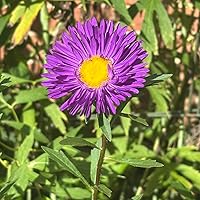
March 27, 2018
Have you heard this story before? A woman, torn between her feelings for two different men, ends up making the wrong decision and lives a life of pain, suffering, and longing. Does that sound familiar? Though that storyline comprises the basic plot of Samuel Park’s “This Burns My Heart” (2011), I promise that there is something especially distinctive about this story, which I would even go so far as to call an epic saga.
The novel is made up of four parts, each one named for a plant organism special to Korean culture; Part 1: Chrysanthemum, Part 2: Orchid, Part 3: Plum Blossom, and Part 4: Bamboo. Each of these plants represents something specific, which is beautifully explained by Park within the context of the story, but can be said simply to symbolize resilience, strength, and persistence in the face of harsh circumstances. These characteristics align with how Korean society became after the war, during the 1960s. Everyone in “This Burns My Heart” is an embodiment of the life-sustaining properties of those four powerful plants - most particularly, Soo-Ja, a beautiful and headstrong young Korean woman, who, at the beginning of this novel, is determined to become a diplomat.
“This Burns My Heart” takes place in South Korea after the war. South Korea was in the process of modernization (which we now know happened rapidly between the 1960s through the present day). Samuel Park tells a story of how this process affected three generations of Koreans – the generations that came before the war, generations that lived through it, and generations that had to find a way to survive in its aftermath. After the war was over, Soo-Ja, a woman who lived through it alongside her parents and brothers, expressed a great interest in becoming a diplomat: it would mean working alongside businessmen with a lot of clout, moving to Seoul (the capital of South Korea) from her hometown of Daegu, and international travel: all requirements she knew she could handle and desperately wanted to do. However, with her father standing in her way - as Seoul was considered then unsafe, full of people striking and rioting in the streets – she isn’t able to go… not without a fight anyway.
One day an arrogant-looking man follows Soo-Ja and her friend through the busy streets of South Korea. When he finally gets stopped by the police (due to quick, clever thinking on Soo-Ja’s part) it turns out all this man wanted from Soo-Ja was to ask her on a date, as opposed to stealing her purse. It is when Soo-Ja finds out that he is not just a possible suitor - but also a protester that plans on going to Seoul to join the movement - that she comes up with an idea to help her fulfill her dream of becoming a diplomat. Her decision to marry this man, who she likes well enough and seems to believe that she could end up loving, actually ends up becoming a disastrous choice with repercussions lasting over a decade of her life.
History, coming-of-age, culture, drama, violence… what’s missing? Yes – romance. True love appears at exactly the wrong time for Soo-Ja. Still, she is given one chance to make a final decision. Later, she asks herself:
“Why are we asked to make the most important decisions of our lives when we are so young, and so prone to mistakes?”
Soo-Ja’s story is about hardship. At her home in Daegu before her marriage, servants spoke behind her back as if she were a spoiled princess needing attention. Men would rudely howl for her outside her home just to see her attractive face. Her over-protective father would not allow her to fulfill her highest goals, while her complacent mother held on to suffocating traditions. Later, Soo-Ja is subjected to an abusive family of in-laws, after her money, her work, and ability to bear children. Worse, she is shunned for her beauty and forced into poverty. A bit of a Cinderella story – but the many depths that Soo-Ja falls into, I think, are the worst but the very best part of it. People complain that Cinderella was weak, that she shouldn’t have let her family speak to her in such a way, that she could have left, that she was not strong, that she waited to be saved, that her beauty was all there was. Read Soo-Ja’s story and understand precisely why any Cinderella’s circumstances are as such. There are conditions which a person may become entrapped without any one person at fault – how does someone rise above this? “This Burns My Heart” is a perfect example of how.
Soo-Ja, the rich, smart, and beautiful girl from Daegu, becomes almost unrecognizable as the story moves ahead. She finally gets to Seoul all right, but she is offered no respect as a cheap hotel owner who people mistake for a maid – even as she runs the entire hotel while her husband remains jobless. Before this life in Seoul, Park offers unbelievable subplots as well as chapters which burned my very own heart as I read them, racing ahead to see how Soo-Ja’s unwavering will would shine through by the end. There is her relationship with her daughter Hana, her relationship with the husband she sincerely tries to love, Min, her relationship with her father, saddened by his daughters' plight, and her relationship with her one true love, Yul, who never happens to completely disappear from her life, for whatever reason.
Samuel Park writes as if he doesn’t intend to teach, that instead, his intention is to share something more worthwhile, to show an example of someone with the ability to remain dignified while still, unconsciously, being absolutely selfless. A byproduct of Samuel Park writing this book is the possibility of understanding more about Korean culture, for example, the idea of parental “privileges” over children and how this can be done with love or else abused, the bravery of men, which can be ridiculous and used to show-off or else done with real valiance, or, the dynamics of a Korean “gye”, and much, much more. Another byproduct is understanding major elements of Korean history, like what it would be like to be one of the “lucky” ones during the war, or how men would steal children from off the street as if it were completely normal after the war the was over, of how people became liars and cheaters just to spite others and get ahead post-war, and so much more. There is the class struggle too, always a looming shadow in the background, full of depth and insight into the reasons behind actions and reactions.
It is difficult to summarize and review this book. “This Burns My Heart” overflows with content on so many subjects, and has the nuance to boot. Samuel Park is a natural storyteller that produces clear images and straightforward characterization that makes this heavy tale an easy read.
I’ll end with this – one of my favorite parts of “This Burns My Heart” is a scene when Soo-Ja is told, in detail, how Korea is perceived negatively by other parts of the world. And despite all this about Korean drama, petty or not, and culture, barbaric or not, and history, moral or not, Soo-Ja says this back:
“Did you know that Korea was the first country in Asia to have a standing army? And even through decades of being colonized by foreigners, it still managed to create a world-class art, literature, and the finest tradition of brush ink paintings you’ve ever seen? When I visit the magnificent, centuries-old temples of Nakansa or Shinhungsa, or drive past the Namdaeum Gate, or think of the astonishing Tripitaka Koreana and the thousand Buddhas of Jikjisa Temple, I am always proud that in my blood runs a tradition of great scholars and artists… or when I hear a woman, dressed in a colorful hanbok, sing and dance the pansori, and do so beautifully, I find myself swooning with joy. This is what I like about being Korean: when we were attacked by all those different countries, and our names, language, and occupations taken away, we may have looked as though we were bound to our enemies, but deep down we never forgot our worth, we never let them into our heads. And that’s why we’ll be able to triumph in the end, and be proud to call ourselves Korean."
The novel is made up of four parts, each one named for a plant organism special to Korean culture; Part 1: Chrysanthemum, Part 2: Orchid, Part 3: Plum Blossom, and Part 4: Bamboo. Each of these plants represents something specific, which is beautifully explained by Park within the context of the story, but can be said simply to symbolize resilience, strength, and persistence in the face of harsh circumstances. These characteristics align with how Korean society became after the war, during the 1960s. Everyone in “This Burns My Heart” is an embodiment of the life-sustaining properties of those four powerful plants - most particularly, Soo-Ja, a beautiful and headstrong young Korean woman, who, at the beginning of this novel, is determined to become a diplomat.
“This Burns My Heart” takes place in South Korea after the war. South Korea was in the process of modernization (which we now know happened rapidly between the 1960s through the present day). Samuel Park tells a story of how this process affected three generations of Koreans – the generations that came before the war, generations that lived through it, and generations that had to find a way to survive in its aftermath. After the war was over, Soo-Ja, a woman who lived through it alongside her parents and brothers, expressed a great interest in becoming a diplomat: it would mean working alongside businessmen with a lot of clout, moving to Seoul (the capital of South Korea) from her hometown of Daegu, and international travel: all requirements she knew she could handle and desperately wanted to do. However, with her father standing in her way - as Seoul was considered then unsafe, full of people striking and rioting in the streets – she isn’t able to go… not without a fight anyway.
One day an arrogant-looking man follows Soo-Ja and her friend through the busy streets of South Korea. When he finally gets stopped by the police (due to quick, clever thinking on Soo-Ja’s part) it turns out all this man wanted from Soo-Ja was to ask her on a date, as opposed to stealing her purse. It is when Soo-Ja finds out that he is not just a possible suitor - but also a protester that plans on going to Seoul to join the movement - that she comes up with an idea to help her fulfill her dream of becoming a diplomat. Her decision to marry this man, who she likes well enough and seems to believe that she could end up loving, actually ends up becoming a disastrous choice with repercussions lasting over a decade of her life.
History, coming-of-age, culture, drama, violence… what’s missing? Yes – romance. True love appears at exactly the wrong time for Soo-Ja. Still, she is given one chance to make a final decision. Later, she asks herself:
“Why are we asked to make the most important decisions of our lives when we are so young, and so prone to mistakes?”
Soo-Ja’s story is about hardship. At her home in Daegu before her marriage, servants spoke behind her back as if she were a spoiled princess needing attention. Men would rudely howl for her outside her home just to see her attractive face. Her over-protective father would not allow her to fulfill her highest goals, while her complacent mother held on to suffocating traditions. Later, Soo-Ja is subjected to an abusive family of in-laws, after her money, her work, and ability to bear children. Worse, she is shunned for her beauty and forced into poverty. A bit of a Cinderella story – but the many depths that Soo-Ja falls into, I think, are the worst but the very best part of it. People complain that Cinderella was weak, that she shouldn’t have let her family speak to her in such a way, that she could have left, that she was not strong, that she waited to be saved, that her beauty was all there was. Read Soo-Ja’s story and understand precisely why any Cinderella’s circumstances are as such. There are conditions which a person may become entrapped without any one person at fault – how does someone rise above this? “This Burns My Heart” is a perfect example of how.
Soo-Ja, the rich, smart, and beautiful girl from Daegu, becomes almost unrecognizable as the story moves ahead. She finally gets to Seoul all right, but she is offered no respect as a cheap hotel owner who people mistake for a maid – even as she runs the entire hotel while her husband remains jobless. Before this life in Seoul, Park offers unbelievable subplots as well as chapters which burned my very own heart as I read them, racing ahead to see how Soo-Ja’s unwavering will would shine through by the end. There is her relationship with her daughter Hana, her relationship with the husband she sincerely tries to love, Min, her relationship with her father, saddened by his daughters' plight, and her relationship with her one true love, Yul, who never happens to completely disappear from her life, for whatever reason.
Samuel Park writes as if he doesn’t intend to teach, that instead, his intention is to share something more worthwhile, to show an example of someone with the ability to remain dignified while still, unconsciously, being absolutely selfless. A byproduct of Samuel Park writing this book is the possibility of understanding more about Korean culture, for example, the idea of parental “privileges” over children and how this can be done with love or else abused, the bravery of men, which can be ridiculous and used to show-off or else done with real valiance, or, the dynamics of a Korean “gye”, and much, much more. Another byproduct is understanding major elements of Korean history, like what it would be like to be one of the “lucky” ones during the war, or how men would steal children from off the street as if it were completely normal after the war the was over, of how people became liars and cheaters just to spite others and get ahead post-war, and so much more. There is the class struggle too, always a looming shadow in the background, full of depth and insight into the reasons behind actions and reactions.
It is difficult to summarize and review this book. “This Burns My Heart” overflows with content on so many subjects, and has the nuance to boot. Samuel Park is a natural storyteller that produces clear images and straightforward characterization that makes this heavy tale an easy read.
I’ll end with this – one of my favorite parts of “This Burns My Heart” is a scene when Soo-Ja is told, in detail, how Korea is perceived negatively by other parts of the world. And despite all this about Korean drama, petty or not, and culture, barbaric or not, and history, moral or not, Soo-Ja says this back:
“Did you know that Korea was the first country in Asia to have a standing army? And even through decades of being colonized by foreigners, it still managed to create a world-class art, literature, and the finest tradition of brush ink paintings you’ve ever seen? When I visit the magnificent, centuries-old temples of Nakansa or Shinhungsa, or drive past the Namdaeum Gate, or think of the astonishing Tripitaka Koreana and the thousand Buddhas of Jikjisa Temple, I am always proud that in my blood runs a tradition of great scholars and artists… or when I hear a woman, dressed in a colorful hanbok, sing and dance the pansori, and do so beautifully, I find myself swooning with joy. This is what I like about being Korean: when we were attacked by all those different countries, and our names, language, and occupations taken away, we may have looked as though we were bound to our enemies, but deep down we never forgot our worth, we never let them into our heads. And that’s why we’ll be able to triumph in the end, and be proud to call ourselves Korean."

July 8, 2011
This has got to be one of the most angst-ridden books I've ever read in a long time. Now, I love angst, I really do, but this was just so much that every chapter I kept thinking, Now, now it will get better, but it never did. It just got worse and worse until there was literally nothing left of value for Soo-ja to lose.
I really, really wanted to hate this book. I kept wondering, Do people like this really exist? People like Soo-ja's in-laws and Min? Do they really exist? I must be so naive to think that this doesn't happen, that no one is this cruel. I just waited for her husband to change, to finally let her go, but I just grew to hate him more and more as I kept reading. Even Soo-ja, I hate people the most who don't go after what they want, people who depend on fate or destiny. You have to do whatever you can to be happy, because in the end, you are the only one that can give yourself happiness. I cried at every single chapter as it steadily grew worse, because my hopes were always raised. Frankly, the ending wasn't that good either. If you're going to make someone go through all that turmoil, you have to make a worthwhile ending!
It probably sounds like I hated this book, but in the end I found that any book that could make me feel all that deserves 5 stars, simply because it made me feel so many emotions all at once. I actually read this book in one sitting. I had to know what happened next. I had to know when things would turn. This book shows how one decision can change your life forever. Just one small decision and you're life could turn for better or worse. It also definitely showed me that marriage is not a game. If you are not happy, change it right away, because you never know in 10, 20 years, what could happen.
I really, really wanted to hate this book. I kept wondering, Do people like this really exist? People like Soo-ja's in-laws and Min? Do they really exist? I must be so naive to think that this doesn't happen, that no one is this cruel. I just waited for her husband to change, to finally let her go, but I just grew to hate him more and more as I kept reading. Even Soo-ja, I hate people the most who don't go after what they want, people who depend on fate or destiny. You have to do whatever you can to be happy, because in the end, you are the only one that can give yourself happiness. I cried at every single chapter as it steadily grew worse, because my hopes were always raised. Frankly, the ending wasn't that good either. If you're going to make someone go through all that turmoil, you have to make a worthwhile ending!
It probably sounds like I hated this book, but in the end I found that any book that could make me feel all that deserves 5 stars, simply because it made me feel so many emotions all at once. I actually read this book in one sitting. I had to know what happened next. I had to know when things would turn. This book shows how one decision can change your life forever. Just one small decision and you're life could turn for better or worse. It also definitely showed me that marriage is not a game. If you are not happy, change it right away, because you never know in 10, 20 years, what could happen.
March 29, 2012
I am really sad this book is over - I couldn't wait to get back to it every day! The story is set in 1960's Korea, but it really is a universal and timeless story. This could have been a plot out of Jane Austen novel or it could very well have happened to me when I was younger: Bad boy courts innocent girl, girl accepts proposal, girl meets good boy, good boy proposes, girl is torn… I won’t ruin it for you by telling you what happens next, but you see where this is going.
The main character, Soo-ja, is a beautiful, strong-willed young woman, desperate to break into the world and experience life outside of the comfort of her family home. She makes an impetuous choice to get engaged, seeing it as her window of opportunity – but like most teenagers (a bit wild, a bit selfish) doesn’t realize the weight of her decisions and the profound implication that this one might have on her future happiness.
This book was appealing to me on so many levels. Besides the story of unrequited love, which was intense and credible (how did a man write this??), I found the details about Korean life absolutely fascinating. Unexpectedly, I also gained a deeper understanding of parental love and how strong the bonds are between parent and child. Despite the difference in culture and time, Soo-ja’s father reminded me of my own – and Soo-ja’s issues with her daughter gave me a new respect for what my mother must have gone through with me... This book makes me want to hug them and say thank you.
The main character, Soo-ja, is a beautiful, strong-willed young woman, desperate to break into the world and experience life outside of the comfort of her family home. She makes an impetuous choice to get engaged, seeing it as her window of opportunity – but like most teenagers (a bit wild, a bit selfish) doesn’t realize the weight of her decisions and the profound implication that this one might have on her future happiness.
This book was appealing to me on so many levels. Besides the story of unrequited love, which was intense and credible (how did a man write this??), I found the details about Korean life absolutely fascinating. Unexpectedly, I also gained a deeper understanding of parental love and how strong the bonds are between parent and child. Despite the difference in culture and time, Soo-ja’s father reminded me of my own – and Soo-ja’s issues with her daughter gave me a new respect for what my mother must have gone through with me... This book makes me want to hug them and say thank you.

October 11, 2011
If there was a time when I wished Goodreads had the half star feature, it would be now. This was more of a 3.5 for me. I deducted half a star for the way the story wrapped up.
I felt angry and helpless in a lot of the situations Soo-Ja found herself in. Tradition and customs can be unbelievably patriarchal. To be honest, at first I wasn't sympathetic to her character seeing as As for that family??!! And Nam? (Min's father). I have no words. I really have no words.
The other dimension of this story is Yul (and his wife Eun Mee). You learn of the connection between Yul & Soo-Ja and . On the whole though, I enjoyed this. I do hope the author writes more as I like his writing style.
I felt angry and helpless in a lot of the situations Soo-Ja found herself in. Tradition and customs can be unbelievably patriarchal. To be honest, at first I wasn't sympathetic to her character seeing as As for that family??!! And Nam? (Min's father). I have no words. I really have no words.
The other dimension of this story is Yul (and his wife Eun Mee). You learn of the connection between Yul & Soo-Ja and . On the whole though, I enjoyed this. I do hope the author writes more as I like his writing style.
Displaying 1 - 30 of 270 reviews