
BACK<<<to the CLASSICS discussion
What's My Line?
>
Winners of the Naoki Prize
date newest »
newest »
 1935-1940
1. 1935 Matsutaro Kawaguchi 1 October 1899–9 June 1985, aged 85
Tsuruhachi Tsurujirō (鶴八鶴次郎), Fūryū Uta (風流深川唄, lit. Song of the Refined Fuka River), Meiji Ichidai Onna (明治一代女, lit. Meiji Era Woman)

Matsutarō Kawaguchi (川口松太郎) was a Japanese writer of short stories, novels, dramas and screenplays. He repeatedly collaborated on the films of director Kenji Mizoguchi. Born to an impoverished family in Tokyo, he was forced to leave home at 14 to seek employment. He started to write in his spare time, while working at various jobs, which included working in a pawn shop, as a tailor, a policeman and as a postman. In 1935, Kawaguchi won the first Naoki Prize for a short story titled Tsuruhachi Tsurujirō. After WW2, Kawaguchi resumed his literary activity, publishing plays and novels. He won the Yoshikawa Eiji Prize for his novel Shigurejaya Oriku. Many of his novels were adapted to film. In 1965, he became a member of the Japan Academy of the Arts and he was awarded the Order of Culture by the Japanese government in 1973.
2. 1935 Ukō Washio 27 April 1892-9 February 1951, aged 58
Yoshinochō Taiheiki (吉野朝太平記, lit. Chronicles of the Yoshino Era of Peace), etc.
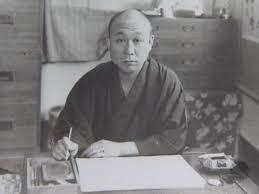
Dr. Ukō Washio (鷲尾雨工) was a Japanese novelist who was educated at Waseda University. He was one of Naoki Sanjugo’s classmates at Waseda, and perhaps Naoki’s best friend until their friendship was torn up in the publishing business. After several difficult jobs, he returned to the bundan in 1935 and published several popular historical novels. One of these novels, ironically, won Washio the Naoki Prize.
3. 1936 Chōgorō Kaionji 5 November 1901–1 December 1977, aged 76
Tenshō Onna Gassen (天正女合戦, lit. Tenshō Women's Battle), Budō Denraiki (武道傳來記)
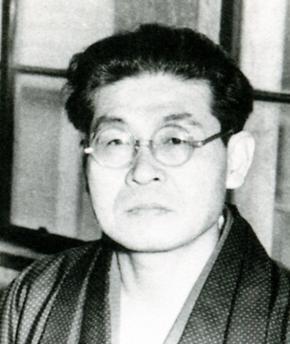
Chōgorō Kaionji (海音寺 潮五郎) was the pen-name of Tōsaku Suetomi (末富 東作, Suetomi Tōsaku), a Japanese author. Noted for his historical novels, he was active during the Shōwa period of Japan. He was born in Okuchi, and a voracious reader as a youth. He went to Tokyo, where he enrolled in the Kokugakuin University, graduating in 1926, and began writing fiction while teaching, at first in his native Kagoshima, and later in Kyoto. In 1934, when he made a resolution to pursue a career as a professional writer. He won the prestigious Naoki Prize in 1936 with Tensho Onna Gassen (Tenshō Women's Battle), about the life of the tea master Sen no Rikyū and his daughter Ogin.
4. 1936 Takatarō Kigi (Possibly Takeshi Hayashi) 6 May 1897-31 October 1969, aged 72
Jinsei no Ahō (人生の阿呆, lit. A Fool's Life)

Takatarō Kigi (木木 高太郎) was the pen name of Hayashi Takashi (林 髞). He was a Japanese physiologist, specialising on the cerebrum, a novelist and a poet.
MWJ (Mystery Writers of Japan) Award for Best Short Story winner (1948)
President of the Detective Fiction Writers Club of Japan (1954–1960)
5. 1937 No prize awarded
6. 1937 Masuji Ibuse 15 February 1898-10 July 1993
John Manjirō Hyōryūki (ジョン萬次郎漂流記) John Manjiro, the Castaway

Masuji Ibuse (井伏 鱒二) was a Japanese novelist. At Waseda University, he was greatly influenced by the works of Shakespeare and Basho; and was also an avid reader of French fiction and poetry. He even pawned a watch to try to understand the necessities of writers. In 1918 Ibuse met naturalist writer Iwano Homei. Homei's literature was appealing to Ibuse and would later influence some of his works. Ibuse befriended student Aoki Nampachi in Waseda, Aoki was a mentor and a great influence in the writings of Ibuse, Aoki's influence can be found in The Carp, where Ibuse ideolizes Aoki's friendship and represents his feelings towards this friendship in a carp. Ibuse started writing his first essays in 1922, shortly after the death of Aoki. Ibuse often found inspiration in his loneliness and in his encounters with geishas, his first literary works where in the style of prose, he had severed ties with Waseda University and started writing for small magazines. One of Ibuse's first contributions was for the magazine Seiki, originally written for Aoki in 1919 as The Salamander, renamed Confinement in 1923. He was known and appreciated for most of his career, but after WW2 he became famous. In 1966 he published his best-known work Black Rain, which won international acclaim and several awards including the Noma Prize and the Order of Cultural Merit, the highest honour that can be bestowed upon a Japanese author. The novel draws its material from the bombing of Hiroshima with the title referring to the nuclear fallout. He was not present at the time of the bombing, but used the diaries of survivors to construct his narrative.
7. 1938 Sotoo Tachibana 10 October 1894-9 July 1959, aged 64
Narin-denka e no Kaisō (ナリン殿下への回想 lit. Recollections of His Highness Narin)
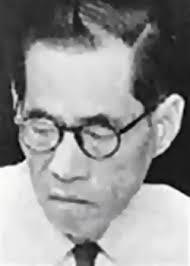
Sotoo Tachibana (外男 橘) was a Japanese writer of popular literature who was active in 1920s-30s. He won the Naoki Prize in 1938 with his true-life story Narin denka e no kaisō, impressing critics with his ability to write in a variety of genres like ghost fiction, grotesque fiction, detective fiction, and shōjo (young girls') fiction. His style became somewhat grotesque and most of his works were based on foreign stories. Tachibana left middle school to work for a trading firm and studied literature by himself. This modernist writer has seldom been mentioned since his death in 1959, and materials available on him are hard to obtain. Many of his early works are out of print, and the few critical pieces on his works are superficial in nature.
8. 1938 Tadao Oike 30 October 1908-27 May 1970, aged 61
Kabuto (兜首, lit. Helmet), Akitaguchi no Kyōdai (秋田口の兄弟, lit. The Akitaguchi Siblings)

Tadao Oike (大池 唯雄) - pen name of Tadao Koike - was a Japanese writer. In Junior High School he wrote the composition "The Heart of God", which was recognised by his instructor for extraordinary literary talent and he was encouraged to become a writer. After that, he entered the Department of National History, Faculty of Law and Literature, Tohoku Imperial University through the former Second Higher School, but then decided to become a writer and dropped out of the university, studying at the on-campus library. Oike was advised to go to Tokyo and work hard on his creative activities before receiving the Naoki Prize, but after being evacuated to Shibata Town in 1945 due to an air raid, he stayed in Sendai. In addition to his writing activities, he also focused on social education, and has served as the director of Tsukinoki Public Hall and Shibata Town Public Hall. He also wrote the lyrics for Funaoka Junior High School song. On May 27, 1970, Oike suddenly collapsed due to acute heart failure and died without returning to consciousness.
9. 1939 No prize awarded
10. 1939 No prize awarded
11-1. 1940 Chiyo Tsutsumi 20 September 1917-10 November 1955, aged 38
Koyubi (小指, lit. Pinky Finger), etc.
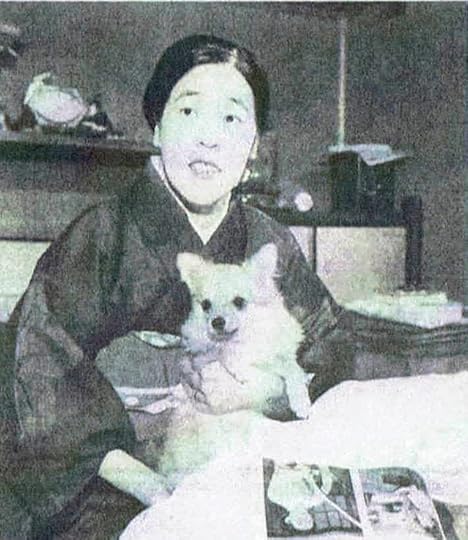
Chiyo Tsutsumi (千代 堤), originally named Fumiko, was a Japanese writer and novelist. Tsutsumi died at the beginning of her writing career. Almost all her writings appeared in magazines and newspapers: she left no books. Chiyo Tsutsumi could not attend any school due to a weak heart, and while confined to bed learned the classics by herself. When she became paralysed, it was difficult for her to speak or use her hands, and it was only thanks to the efforts of her devoted husband, that she was able to produce work. Chiyo Tsutsumi was a popular writer, having won the Naoki Prize for literature with her maiden work "Little Finger" (1940). She also was a popular short story writer. Works include "Saikai" ("Second Encounter"), "E-ninaru Onna" ("Woman Into Picture") and "Buncho" ("Java Sparrow"). Tsutsumi's work is valuable because from the onset of the war years she recorded how the Japanese people were guided by the Imperial Japanese jingoism. Her woman characters all follow Confucian ethics and practise obedience to enable them to endure hardships.
11-2. 1940 Sensuke Kawachi 21 October 1898-21 February 1954, aged 55
Gunji Yuubin (軍事郵便, lit. Military Postal Service)
Sensuke Kawachi (河内仙介) - pen name of Fusajiro Shiono - was a Japanese novelist. He was born in Osaka and was a graduate of Osaka Municipal Kosei Commercial School. In 1940 , he unexpectedly won the Naoki Award for his first commercial work "Military Mail" . However, he was strongly oriented towards pure literature and could not write much after that. During the Pacific War he supervised the munitions factory's dormitory in Katase, visited Arsenal after the war and asked for employment, and was taken care of by Masao Kume.
12. 1940 Genzō Murakami 14 March 1910-3 April 2006, aged 96
Kazusa Fudoki (上総風土記), etc.

Genzō Murakami (村上 元三, Murakami Genzō) was a Japanese novelist who was born in Korea during its occupation by the Empire of Japan. He is known for his historical novels as well as his influence on Japanese literature following WW2. Murakami's debut novel, Tone no Kawagiri (利根の川霧), received an honourable mention for an award sponsored by the Sunday Mainichi. In 1940 he received the Naoki Prize for his novel Kazusa Fudoki (上総風土記, Kazusa Topography). During the American occupation of Japan, Murakami wrote a novel about the swordsman Sasaki Kojirō, a famous enemy of Miyamoto Musashi. The novel, which was serialized in the Asahi Shimbun and turned into a film in 1950, was notable as one of the few examples of jidaigeki that survived the strict censorship of the time. He became known as a standard-bearer for the revival of popular literature in the postwar period. Murakami's well-known later works include Mito Kōmon (水戸黄門) and Katsu Kaishū (勝海舟). His period work on Minamoto no Yoshitsune was made into a television drama by the Japan Broadcasting Corporation. Murakami was recognised for his achievements by a Purple Ribbon Medal from the Japanese government in 1974 and he was an Order of the Sacred Treasures recipient in 1981. Murakami died of heart failure at a hospital in Tokyo on April 3, 2006, at the age of 96.
1941-195013. 1941 Sōjū Kimura 12 January 1897-6 May 1967, aged 70
Unnan Shubihei (雲南守備兵, lit. Guards of the Southern Clouds)

Soju Kimura (木村荘十) was a writer from Tokyo Prefecture. Born in Tokyo as the 10th of 12 sons of Shohei Kimura, the owner of the beef pot chain store "Iroha". When he was 4, his mother left the family. He dropped out of Keio University, but gained experience as a newspaper reporter. He reunited with his biological mother in Manchuria before her death. After returning to Japan, he devoted himself to writing novels and received the Sunday Mainichi Bungei Prize for "Blood Relatives" in 1932. In 1941, he won the Naoki Prize for "Yunnan Guardian".
14. 1941 No prize awarded
15. 1942 No prize awarded
16-1. 1942 Norio Taoka 1 September 1908-7 April 1982, aged 73
Gōjō Ichigo (強情いちご, lit. Stubborn Ichigo), etc.
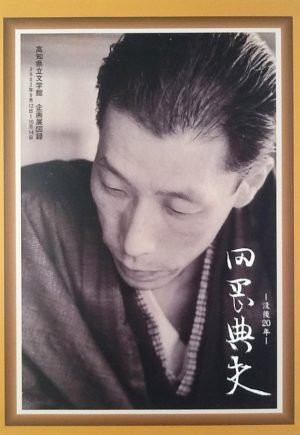
Norio Taoka (田岡典夫) was a novelist from Kochi prefecture. After dropping out of school, he went to Paris and after returning to Japan, he studied at the actor school of the 6th generation Onoe Kikugoro under Kan Kikuchi and Kotaro Tanaka and won the Naoki Prize in 1943 for his short story "Stubborn Strawberry". During the war, he lived in Momoyama, Atami. He participated in the Shintakakai after the war. He received the Mainichi Publishing Culture Award for "Novel Nonaka Kenzan" in 1979.
16-2. 1942 Takio Kanzaki 18 June 1906-17 September 1944, aged 38
Kanyō (寛容, lit. Generosity), etc.
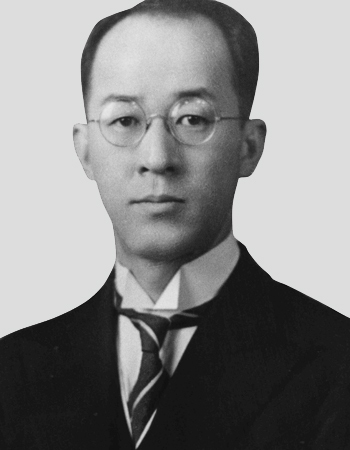
Takio Kanzaki (神崎武雄) was a Japanese novelist. Born in Moji City , Fukuoka Prefecture (currently Moji Ward, Kitakyushu City). After dropping out of Waseda University , he joined the Shintakakai in 1940, and his "Tolerance" published in the November 1942 issue of "Ooru Yomimono" won the 16th Naoki Prize. He died in 1944 while serving in the South as a member of the Navy Press.
17. 1943 No prize awarded
(Shūgorō Yamamoto's Nihon Fudōki (小説 日本婦道記, lit. Chronicles of a Japanese Woman's Duties) was chosen, but he declined the prize.)

Satomu Shimizu (清水 三十六), better known by the pen name of Shūgorō Yamamoto (山本 周五郎), 22 June 1903–February 14, 1967, aged 63, was a Japanese novelist and short-story writer active during the Shōwa period of Japan. He was noted for his popular literature, and is known to have published works under at least 14 different pen names. Yamamoto was born in what is now Otsuki city in Yamanashi prefecture, to a family in impoverished circumstances. Lack of money forced him to drop out of secondary school, but he continued his education part-time, while living as a boarder above a used bookstore. His pen-name came from the name of the store where he lived. Yamamoto's literary debut was with a short story called Sumadera fukin, and a stage drama in three acts, called Horinji iki, which were both published in 1926. His early works were aimed primarily at children. In 1932, he turned to popular stories for adults with Dadara Dambei, which received little serious notice from the literary world, so he continued to write popular detective stories and adventure stories for juvenile audiences. These included a series of short stories with samurai themes from 1940–45, and stories on heroic historical women from 1942–45, both themes being preeminently suitable for wartime Japan. His preference for historically themed writings carried over into the postwar era, with Momi no ki wa nokotta (The Fir Trees Remain) and the Flower Mat. His works are characterized by a marked sympathy for the underdog, a dislike of authority, and with homage to traditional, popular virtues. His Nihon Fujin Fudoki (Lives of Great Japanese Women) was nominated for the 17th Naoki Award, one of Japan’s most prestigious literary prizes, but Shūgorō refused to accept, stating modestly that his “popular writings” should not be considered “literature”. Yamamoto died in Yokohama of acute pneumonia, and his grave is at the Kamakura Public Cemetery. A literary prize, the Yamamoto Shūgorō Prize, was established in 1987 on the twentieth anniversary of the founding of the Shinchō Society for the Promotion of Literary Arts (Shinchō Bungei Shinkō Kai). It is awarded annually to a new work of fiction considered to exemplify the art of storytelling. The winner receives a commemorative gift and a cash award of 1 million yen. Many of his works were turned into films or into television series, notably by Akira Kurosawa into the films Sanjuro (adaptation of the short story Nichinichi hei-an ("Peaceful Days")), and Dodes'ka-den (adaptation of the book Kisetsu no nai machi ("The Town Without Seasons")). Takashi Miike also filmed his novel Sabu.
18. 1943 Sōichi Mori 3 May 1907-13 March 1999, aged 91
Yamahata (山畠), Ga to Sasabune (蛾と笹舟, lit. The Moth and the Toy Boat)
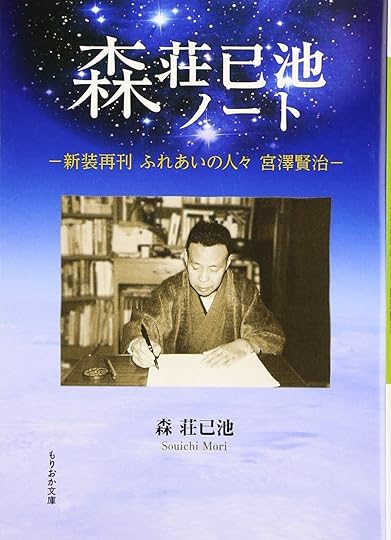
Sōichi Mori (森荘已池)
19. 1944 Seizō Okada 8 March 1913-21 June 1994, aged
Nyū Giniya Sangakusen (ニューギニヤ山岳戦, lit. New Guinea Mountain War)
Seizo Okada (岡田誠三) is a Japanese novelist. Born in Osaka City , Osaka Prefecture . He joined Asahi Shimbun after working at Osaka Prefectural Ikuno Junior High School (currently Osaka Prefectural Ikuno High School ) and Osaka Foreign Language School (currently Osaka University Faculty of Foreign Languages ) . Based on his experience serving the Southern Front as a reporter, he wrote the short story "Mountain Warfare in New Guinea" and won the 19th Naoki Prize in the first half of 1944. After that, he continued to write articles such as movie reviews as a reporter of the Asahi Shimbun art department, and started his creative activities in earnest after his retirement. "After retirement", which depicts the old age of office workers, became a bestseller and was made into a TV drama. Other works include "After Retirement" and "Yukihana no Ran" with the motif of Oshio Heihachiro 's Ran. He made friends with Ryotaro Shiba throughout his life. In the Taisho era, his father, Hariyo Okada , wrote a social theory and a novel as a tradesman scholar while running a kimono dealer in Shinsaibashi, Osaka. His masterpiece is "Omi Seijin," which is a novel-style anecdote of Confucian scholar Nakae Toju , and he also reprinted the historical material "Kenkado Kimura Kenkado." He is said to be a learned and talented person, and his name appears in the diary of the painter Mori Kinseki.
20. 1944 No prize awarded
No prizes awarded from 1945 to 1948
21. 1949 Tsuneo Tomita 1 January 1904-16 October 1967, aged 63
Omote (面, lit. Face), Irezumi (刺青, lit. Tattoo)

Tsuneo Tomita (富田常雄) was a Japanese writer, novelist, and screenwriter. Tsuneo Tomita is the son of judo master Tomita Tsunejirō (1865-1935). The latter, who was the first disciple of Kanō Jigorō, the founder of judo , is famous for having contributed to the dissemination of his art in the USA and participated in numerous fights against Westerners. After commercial training at Meiji University, he turned to the theatre in the late 1920s and worked as a screenwriter for several modernist troupes close to the proletarian movement. From around 1930, he began to write stories for children. During the war, he published several patriotic works exalting national heroes. The publication of Sugata Sanshirō in 1942 and the film adaptation by Kurosawa of this novel to the glory of judo suddenly made him famous. In 1948, he received the Naoki Prize for a long story entitled "Le masque" (Men). He subsequently published around 60 popular novels, several on the subject of judo. He was himself holder of the 5th dan in judo.
22. 1949 Katsurō Yamada 5 November 1910-26 April 1983, aged 72
Umi no Haien (海の廃園, lit. Abandoned Garden of the Sea)
Katsurō Yamada (山田克郎) was a Japanese novelist born in Busan, Korea. He moved to Kagawa prefecture when he was in junior high school and graduated from Waseda University Faculty of Commerce in 1936 . In 1937, the maiden work "Lighthouse Inspection Ship" was announced in "Ooru Yomimono". In 1941, he published his first book, "The Feast of the Wings," and since then he was active as a writer during and after the war. He was active as a writer of marine things, and after the war, won the Naoki Prize for "Abandoned Garden of the Sea" in 1949. Known as the original author of "Kaiju Harimao" (original name "Magic Castle") , which was made into a TV drama on the Nippon Television Network.
23-1. 1950 Hidemi Kon 6 November 1903–30 July 1984, aged 80
Tennō no Bōshi (天皇の帽子, lit. The Emperor's Hat)
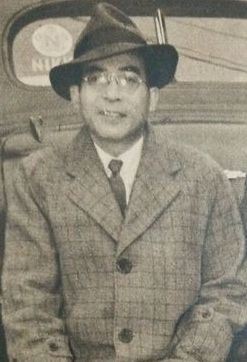
Hidemi Kon (今 日出海) was a Japanese literary critic and essayist. In November 1941, Kon was drafted into the Imperial Japanese Army; however, the army recognised his talents and assigned him to the press corps in Japanese-occupied Philippines. 8 days after his arrival, the situation quickly turned sour for the Japanese forces as American forces began their landings. Kon hid in the mountains of Luzon for 5 months with several narrow escapes from death in combat while reporting on the fleeing Imperial Japanese Army. He escaped the Philippines on a jury-rigged Type 100 Command Reconnaissance Aircraft to Taiwan, and was flying in a DC-3 from Taipei to Fukuoka when word came of the surrender of Japan.
23-2. 1950 Itoko Koyama 13 July 1901-25 July 1989, aged 88
Shikkō Yūyo (執行猶予, lit. Stay of Execution)
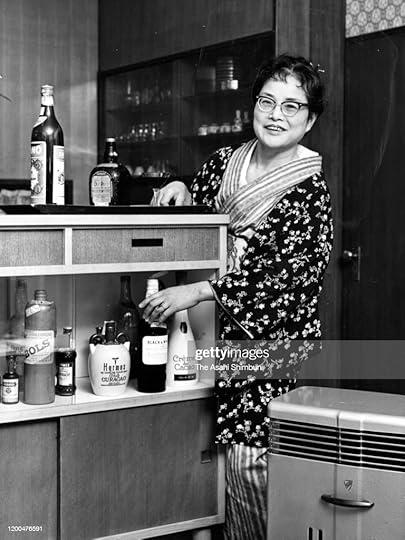
Itoko Koyama (小山 いと子) (born Ito Ikemoto) was a Japanese writer. Her career began when she published the short story "Matsukichi" in Hi no Tori magazine.However, her work began to draw attention when she won the Fujin Kōron Prize for "Kaimon Kyō" in 1933. She wrote several other stories in the 1930s, one of which was shortlisted for the Akutagawa Prize. She was a war correspondent in Java and Sumatra for the duration of WWII. Afterward she continued writing fiction and autobiographical work. Her 1950 story "Shikkō Yūyo" won the Naoki Prize. Koyama's most famous work is her 1956 biography of Empress Kōjun titled "Kōgō sama". In it she humanises the empress and describes everyday life at the Imperial Palace.
24. 1950 Kazuo Dan 3 February 1912- 2 January 1976, aged 64
Chōgonka (長恨歌, lit. Chōgon Song)
Shinsetsu Ishikawa Goemon (真説石川五右衛門, lit. True Theory Ishikawa Goemon)
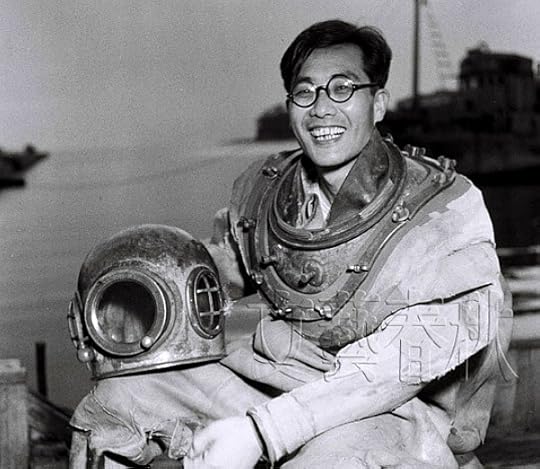
Kazuo Dan (檀 一雄) was a Japanese novelist and poet. he grew up with his grandparents in Yanagawa from age 6. At 9, and he went to live with his father in Ashikaga where he led a solitary life, walking over hills and fields. In 1928, at age 16, he entered Fukuoka City High School, where he published poems, novels and plays in the school magazine. In 1932 he entered the Tokyo Imperial University from which he received a degree in economics. After graduation, Dan dedicated himself entirely to writing, and won the Noma Prize while serving as a war correspondent. Moving to Tokyo at the end of WWII, he won the Naoki Prize. During his career, he wrote novels and poetry, and traveled extensively. He lived in Santa Cruz on the seacoast west of Torres Vedras, Portugal, from 1971 to 1972 in a house on a street that now bears his name.
1951-195525. 1951 Keita Genji 源氏鶏太 19 April 1912-12 September 1985, aged 73
Eigoya-san (英語屋さん, lit. Mr. English Shop),
Taifū-san (颱風さん, lit. Mr. Typhoon), Gokurōsan (御苦労さん, lit. I Appreciate Your Hard Work)
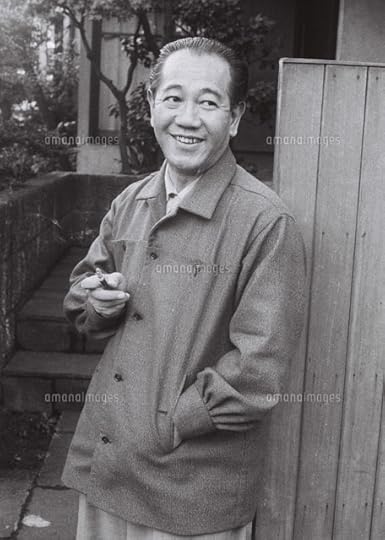
Keita Genji (源氏鶏太) was a Japanese novelist. His real name is Tomio Tanaka. His father was a drug dealer in Toyama and he was born into a poor family. While working at Sumitomo Joint Stock Company, he started writing novels and won the Naoki Prize for three books. He gained popularity for his humorous novels based on his long life as a salaryman. Many of his works were made into films. In his later years he did a lot of ghostwriting.
26-1. 1951 Jūran Hisao 6 April 1902–6 October 1957, aged 55
Suzuki Mondo (鈴木主水)
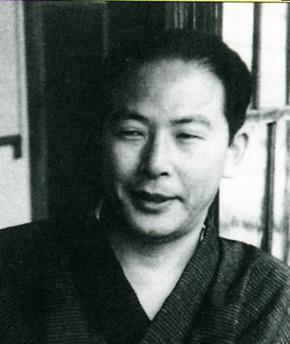
Jūran Hisao (久生十蘭) was the pen-name of a Japanese author. He was a pioneer in the use of black humour in Japanese literature, reflecting an extensive knowledge of a wide range of subjects, and extraordinary skills, ranging from mystery tales to humour, and both historical and contemporary settings. His real name was Masao Abe (阿部 正雄). Hisao was a native of Hokkaidō. While working for the Hakodate branch of the Mainichi Shimbun newspaper, he wrote poetry and drama in his spare time. In 1926, he moved to Tokyo, where he convinced the playwright, Kunio Kishida, to accept him as a student. In 1929, he went to Paris, France to study physics there he also learned about the French theatre from the actor-director, Charles Dullin. His short story, Suzuki Mondō, won the 11th Naoki Prize in 1951, and his novelette Boshizo gained him first place in a New York Herald Tribune short story contest in 1955. He died of esophageal cancer in 1957 at the age of 55.
26-2. Renzaburō Shibata 柴田錬三郎 26 March 1917-30 June 1978, aged 61
Iesu no Ei (イエスの裔, lit. Descendant of Jesus)
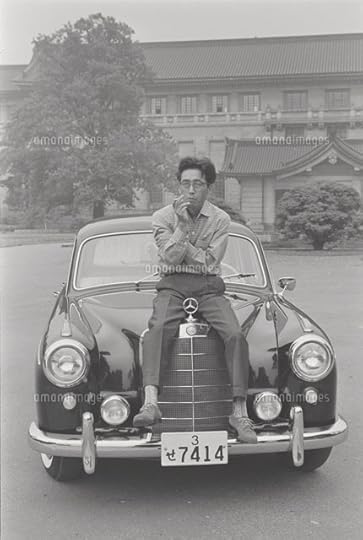
Renzaburō Shibata (柴田錬三郎, Shibata Renzaburō, March 26, 1917 –June 30, 1978) was a Japanese author and Sinologist.[1] He graduated from Keio university. He wrote a number of historical novels, and published a new Japanese translation of Romance of the Three Kingdoms in 1959. In 1951,he won Naoki Prize. He is famous for his novel Nemuri Kyōshirō series.
27. 1952 Shinji Fujiwara 7 March 1921-20 December 1984, aged 63
(罪な女, lit. Sinful Woman), etc.
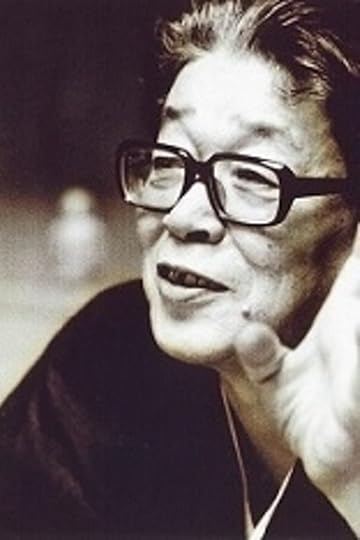
Shinji Fujiwara (藤原審爾) was a Japanese novelist. He received the Naoki Prize in 1952 and the Novel Shincho Award in 1962 . While suffering from major illnesses in his 63 years of life, he published works in a wide range of genres, from pure literature to suspense, love affairs, hard-boiled, and was praised as a "master of novels." His works were made into many films.
28. 1952 Nobuyuki Tateno 17 October 1903-25 October 1971, aged 68
Hanran (叛乱, lit. Insurrection)
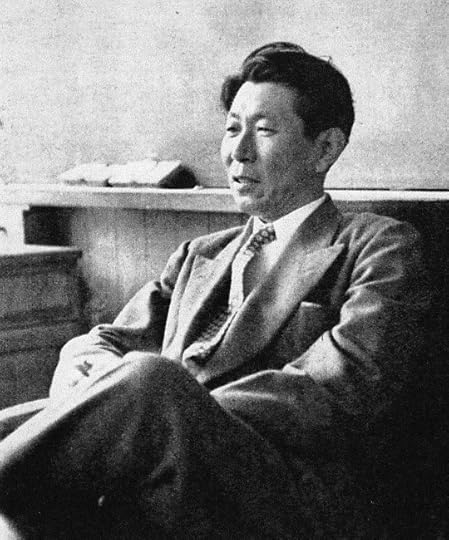
Nobuyuki Tateno (立野信之) was a Japanese novelist. After working at the old Kanto Junior High School, he got a job at the Goi Town Office in Ichihara District at the age of 20, but joined the regiment 2 years later. In 1928, after his discharge, he made his debut with "The Targeted Boy", which he wrote based on his military experience. Initially, he was devoted to proletarian literature and released anti-war works, but in 1930 he was arrested for violating the Peace Preservation Law and announced his conversion in prison the following year. In 1952, after the end of the war, he published a non-fiction novel "Rebellion" based on his masterpiece, the February 26 Incident. He was involved in the Japan Pen Club , and has served as secretary general and vice chairman. His masterpiece "Rebellion" was set in a national drama in 1953, Shintoho made a movie in 1954, and Toei made a movie with the title "Shooting" in 1964. In addition, "Meiji Taisho" published in 1956 was staged in 1962.
29. 1953 No prize awarded
30. 1953 No prize awarded
31. 1954 Yorichika Arima 14 February 1918-15 April 1980, aged 62
Shūshin Miketsushū (終身未決囚, lit. Unconvicted Prisoner For Life)

Yorichika Arima (有馬頼義) was a Japanese novelist, writing intermediate novels and social detective novels. He was the 16th head of the Arima clan. After returning to Japan after three years of military life, he became a reporter, and lived in Kyodo, where he wrote anti-war novels and diaries while working as a disaster prevention team leader. Since 1956, he has written detective novels. In addition to solving the mystery of conventional detective novels, he delved into humanity and analysed humans and incidents in social life, and was called a social detective novel. In 1959, won the Japan Detective Writers Club Award for "40,000 Witnesses". He had a turbulent life fraught with affairs and a suicide attempt, but despite it all continued to produce award winning works and encourage others in the process.
32-1. 1954 Haruo Umezaki 15 February 1915-19 July 1965, aged 50
Boroya no Shunjū (ボロ家の春秋, lit. Spring and Autumn of the Scrap Merchant)

Haruo Umezaki (梅崎春生) was a Japanese writer of short stories and novels. Born in Fukuoka, Kyushu, he studied at the 5th High School of Kumamoto University, later at the Tokyo Imperial University where he majored in Japanese literature. He then worked at the same Tokyo University in the Faculty of Education Sciences (kyōiku). In 1944, he was drafted as a crypto specialist for the Imperial Japanese Navy and stationed in Kyushu, an experience which he later dramatised in his famous novella Sakurajima, published in 1946. After the war, he worked for the Sunao (素直) magazine, led by poet and social activist Shin'ichi Eguchi (1914–1979), in which Sakurajima and some of his short stories were published. Sakurajima established Umezaki as a representative of Japanese postwar literature along writers like Hiroshi Noma and Rinzō Shiina. The war theme later gave way to satirical stories like Boroya no shunjū, and still later to the examination of human anxiety in modern society. Haruo died of liver cirrhosis in Tokyo on 19 July 1965. He was 50 years old.
32-2. 1954 Yukio Togawa
Takayasu Inu Monogatari (高安犬物語, lit. Takayasu Dog Story)

Yukio Togawa (戸川幸夫) was a Japanese novelist and children's writer. He also has works such as reportage and war stories. Born in Saga City, when he was one year old he was adopted by Masyu Togawa, a doctor and hunter. From an early age he loved animals , aspired to be an zoologist, and indulged in books on animals. He established animal literature based on correct observations and knowledge about animals. He started hearing rumours of a wild cat in Iriomote Island, during a trip to Okinawa, where he was conducting interviews for a book. But he just thought that it must be some domestic cats became wild, at first. Nevertheless, many of islanders explained the cats had some characteristics identical to wild cats in other places and he started to believe in the existence of the wildcat. He soon became a bit obsessed in finding the real wild cats. Mr. Togawa interviewed islanders from the western and eastern parts of the island. One of the islanders gave him a skull bone and the fur from a wild cat. Then he brought it back to Tokyo to show to zoologist Dr. Yoshinori Imaizumi. After that, the Mammal Society of Japan held an urgent meeting and they concluded that “the wild cat is a species which has never been recognised.” In that same year, the fact was reported with a national newspaper article and the wild cat was listed as a new species belongs to a new Genus in 1967 (later, it is generally believed to be a sub-species of leopard cat). After that, two Iriomote cats were captured in March 1968, and were kept at Mr. Togawa’s home in Tokyo for about 2 and a half years directed by the government, then moved to the National Museum of Nature and Science, Tokyo. Kumi Togawa is his second daughter. And she has taken over the fateful responsibility to work for conservation of the legendary wild cats.
33. 1955 No prize awarded
34-1. 1955 Jirō Nitta 6 June 1912-15 February 1980, aged 67
Gōrikiden (強力伝, lit. The Life of A Mountain Carrier)
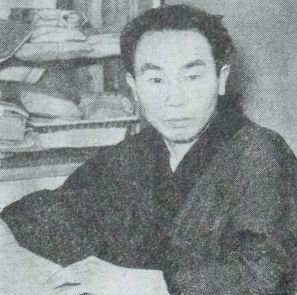
Jirō Nitta (新田 次郎) is the pen name of popular Japanese historical novelist Hiroto Fujiwara (藤原 寛人). After retiring from the Japan Meteorological Agency, he began writing professionally. Originally a meteorologist, he wrote mainly on themes connected with mountains. At least three of his documentary novels have been translated into English. Death March on Mount Hakkōda (八甲田山死の彷徨, Hakkōdasan shi no hōkō) is based on an incident in 1902 in the Hakkōda Mountains. Alaskan Tale (アラスカ物語, Arasuka monogatari) is about the adventures of Frank Yasuda. Phantom Immigrants (密航船水安丸, Mikōsen Suianmaru, lit. "Stowaway-ship Suianmaru"; translated by David Sulz) deals with the Meiji era entrepreneur, Jinzaburo Oikawa (及川 甚三郎, Oikawa Jinzaburō) from northern Miyagi prefecture, who went to Canada in 1896 to export salmon roe back to Japan. In 1906, he chartered the schooner Suianmaru to smuggle 82 fellow villagers out of Japan and into Canada. They were apprehended and arrested on Vancouver Island without passports but allowed to stay in Canada thanks to negotiations by Saburo Yoshie (吉江 三郎) (aka Fred Yoshy) of the Japanese consulate in Vancouver. His 1973 2-volume novel Kokou no Hito (孤高の人) has been adapted into a manga series of the same title in which he is credited as writer.
34-2. 1955 Eikan Kyū 28 March 1924-16 May 2012, aged 88
Honkon (香港, lit. Hong Kong)
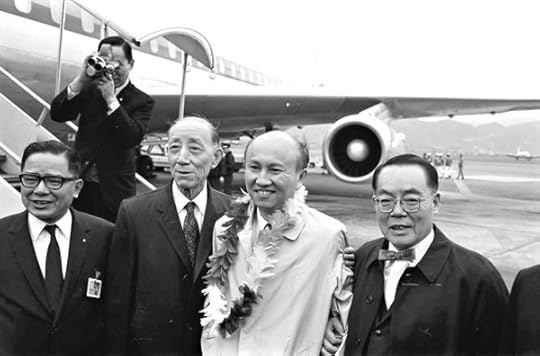
Eikan Kyū (邱永漢) Eikan Kyu ( March 28, 1924 - May 16, 2012 ) is a Japanese and Taiwanese businessman, writer, economic commentator, and management consultant. He was a master of stocks and was called "the god of making money." Born in Tainan City , Taiwan during the Japanese colonial rule in March 1924 as a child born out of wedlock . He is the eldest of 10 siblings. His father, was a Taiwanese businessman and his mother was Japanese. When he was 13 he entered the Taihoku High School and started writing poetry with a desire for literature and published his own magazine Tsukirai Kaori. At 16, he became the youngest of the Taiwan Poet Association. He attended the Faculty of Economics, Tokyo Imperial University 1943-45. In 1946, he dropped out of graduate school and returned to Taiwan, where he experienced management of a civil engineering company, an English teacher in junior high school, and a think tank researcher at a bank . He was arrested for smuggling sugar. In 1948, he went into exile in Hong Kong. At this time, he started a successful business of sending goods by postal parcel to Japan. In 1950, his monthly income reached 1 million yen, and he lived in a luxury condominium in Hong Kong and became a driver to drive a private car. In 1954 he moved to Japan. Received the 34th Naoki Prize for the novel "Hong Kong" in 1955 . He is the first foreigner to receive the Naoki Prize.
1956-196035-1. 1956 Norio Nanjō 14 November 1908-30 October 2004, aged 95
Todaiki (燈台鬼, lit. Lighthouse Demon)

Norio Nanjō (南條範夫) was a Japanese novelist and economist. His real name is Hidemasa Koga. He is known for his unique works and swordsman novels, as well as a wide range of historical and period novels. He was from Tokyo and became a popular writer, with many period and historical novels. By this time he quit his job as an economic organisation and continued only as a lecturer. After retiring in 1979, he devoted himself to writing novels for the rest of his life. He established a style of writing a feature film once a year, and won the 16th Eiji Yoshikawa Literature Award for his first work, "Hosoka Diary."
35-2. 1956 Kan'ichi Kon 今官一 8 December 1909-1 March 1983, aged 73
Kabe no Hana (壁の花, lit. Wallflower)
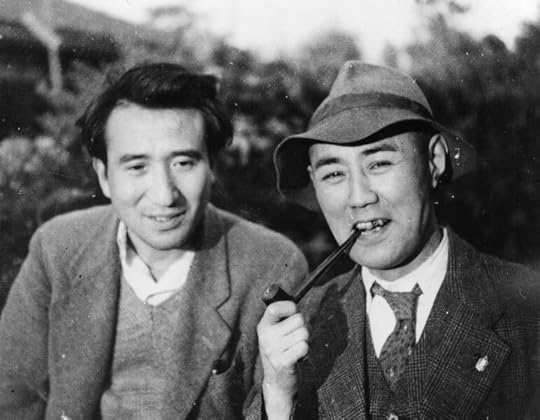
Osamu Dazai and Kanichi Kon - https://www.youtube.com/watch?v=hAMgq...
Kan'ichi Kon (今官一) was a Japanese novelist. Born in Nishishigemori as the third son of Go Imamiya, he was baptised in 1926 when he was a student at Too Gijuku. He dropped out of Waseda University and in 1956 he won the 35th Naoki Prize for "Flowers on the Wall"
36-1. 1956 Tōkō Kon 25 March 1898-19 September 1977, aged 79
Ogin-sama (お吟さま)
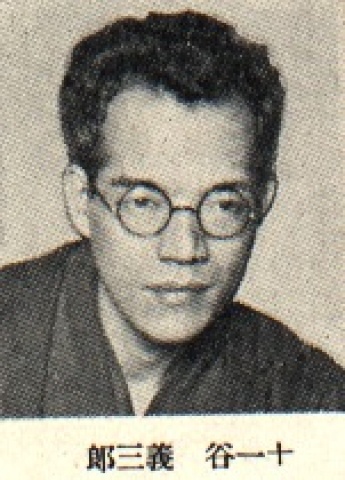
Tōkō Kon (今東光) born in Yokohama, was a Japanese politician and writer. Elder brother of the writer Hidemi Kon, he first belonged to the movement of proletarian literature before becoming a Buddhist monk in 1930. This biographical break is reflected in the novel Ogin-sama (お吟さま; 1956 ) for which he won the Naoki Prize that same year. Shundei Nishō (春泥尼抄; 1957 ) and Akumyō (悪名; 1961) are other important works. Many of his novels are adapted for the cinema. He was elected to the House of Councillors in 1968.
36-2. 1956 Miharu Hozumi 13 October 1912-19 January 1980, aged 69
Kachigarasu (勝烏, lit. Victory Crows)
Miharu Hozumi (穂積驚) was the pen name of Kenji Mori, a Japanese novelist from Nagasaki. After graduating from Nagasaki Prefectural Sasebo Commercial School, he joined the popular theatre company Noboru Umezawa in 1932, and made his debut in 1936 with "Geta Hachijinyoshi". Called up in 1944 . He ended the war in Nanjing and demobilised a year later. He moved to Yokosuka City, Kanagawa Prefecture in 1948 and became active as a writer again. "Katsukara", which was serialised in the literary magazine " Popular Bungei " from the September 1956 issue to the December issue of the same year, receiving the 5th Shintakakai Award and the 36th Naoki Prize.
37. 1957 Masanori Esaki 21 January 1922-24 May 2001, aged 79
Ruson no Tanima (ルソンの谷間, lit. Valley of the Luzon)
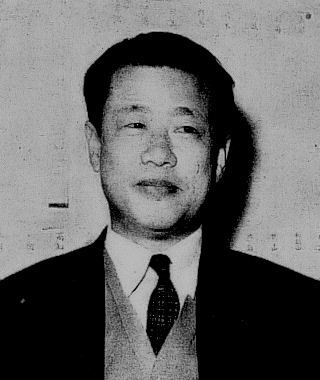
Masanori Esaki (江崎誠致) was a Japanese novelist born in Fukuoka prefecture. He won the Naoki Prize for "Luson's Valley," which is based on his experience of war in the Philippines. He is also known as a Go enthusiast. His father was an elementary school teacher, and he was a literary lover since he was a boy. He entered Meizen Junior High School, moved to Tokyo without waiting for graduation, joined Koyama Bookstore after working at a library training center, and started editing and publishing. He was convened in 1943 and went to the Philippines. He returned in 1946 when he was demobilised. In 1949, he quit Koyama Bookstore and established Fuyume Shobo. The following year, he managed a Western paper store, while conducting political activities in the Japanese Communist Party's fund department. He suffered ill health in 1955 and led a recuperative life in which he wrote "Luson's Valley" based on his experience of war. He then underwent lung resection surgery and wrote "Lung Surgery" from that experience. He also visited China in 1985 as a member of the 1st Japanese Cultural World Go Visiting Group.
38. 1957 No Prize Awarded
39-1. 1958 Toyoko Yamasaki 3 November 1924-29 September 2013, aged 88
花のれん Hana Noren (lit. Flower Shop Sign)
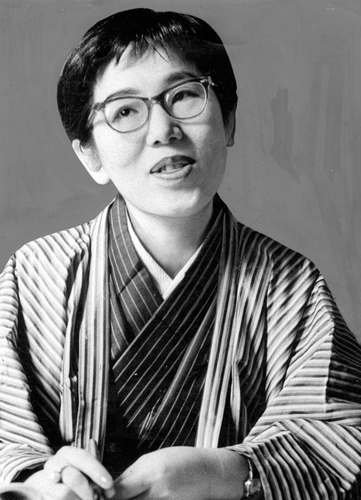
Toyoko Yamasaki (山崎豊子) was a distinguished Japanese writer whose career in fiction spanned more than half a century. Her novels, in addition to being successful in their own right, also furnished plots for numerous films and television series. Born Toyoko Sugimoto in Osaka, she worked from 1945-59 as a reporter in that city for the Mainichi Shimbun (newspaper), where she came under the influence of the noted novelist Yasushi Inoue, then serving as an editor on the paper. Her journalistic training would serve her in good stead in a sequence of carefully plotted novels often drawn from topical events and engaged with the social and political issues confronting postwar Japan.
39-2. 1958 Eiji Shinba 21 October 1912-20 February 1999, aged 96
Akai Yuki (赤い雪, lit. Red Snow)

Eiji Shinba was a Japanese novelist. He graduated from Waseda University English Department and worked for the Manchurian Foreign Affairs Department. He withdrew after the defeat and worked for the Tohoku Liaison and Coordination Office in Sendai City, but in 1948 he resigned, moved to Tokyo and devoted himself to creative activities, and wrote many popular novels. His early works include the "Vortex", "Fuchi", and "Flow" trilogy. His 1958 "Red Snow" portrayed the turmoil in Manshu at the time of the defeat and won the Naoki Prize.
40-1. 1958 Saburo Shiroyama 18 August 1927-22 March 2007, aged 80
Sōkaiya Kinjō (総会屋錦城, lit. Extortionist Kinjō)
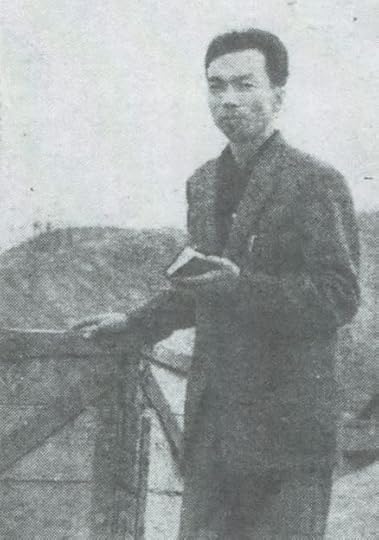
Saburō Shiroyama (城山三郎, b. Eiichi Sugiura) (1927–2007) is a Japanese novelist. He was born in Aichi Prefecture, and studied economics at Hitotsubashi University. He taught economics at Nagoya Gakuin University. He trained as a naval pilot but never saw active service, and began writing after the end of WW2. Many of his works concern high-level industry executives within Japanese corporate culture. He even used real people as the basis for such characters. In 1957 he won the Bungakukai New Writers award for Export, and established the economic novel as a mainstream literary form in Japan.
40-2. 1958 Kyō Takigawa 多岐川恭 7 January 1920-31 December 1994, aged 73
Ochiru (落ちる, lit. Fall Down)
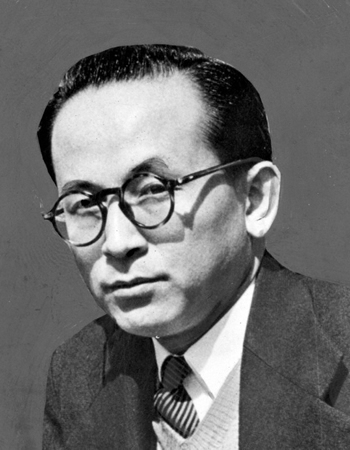
Kyo Takigawa (多岐川恭) was the pen name of Shunkichi Matsuo, a Japanese novelist and detective writer. He formed the "Killing Club", a fellowship of young detective writers. In 1961, he released 8 feature films. He also presided over the golf club "Alibi Kai" by a detective writer and a painter who drew illustrations for detective novels.
41-1. 1959 Kieko Watanabe 6 November 1913-8 August 1997, aged 83
Mabechigawa (馬淵川)

Kieko Watanabe (渡辺喜恵子) was a Japanese novelist . Her real name is Kiyoko Kinoshita. She moved to Tokyo in 1931 after graduating from Noshiro High School, and in 1935 she moved to Hiroshima to marry painting student Shigeru Watanabe. However, in 1939 her husband died of illness when she was 25. She began her creative activities in 1942, she published her short story collection "After Life", which described her late husband.
41-2. 1959 Hiraiwa Yumie b. 15 March 1932
Taganeshi (鏨師, lit. Master Engraver)
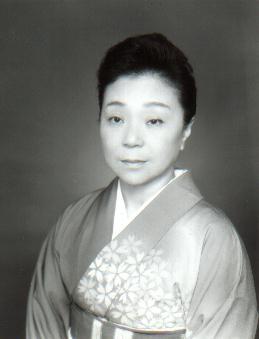
Hiraiwa Yumie (平岩 弓枝) is a Japanese author. She was born in Tokyo, the daughter of the chief priest of Yoyogi Hachiman shrine. After graduating from the Department of Japanese Literature at Japan Women's University, she became a member of Shinyo-kai, an organisation to promote literature. Her works cover a wide range of genres, including historical and contemporary novels, mysteries, novels on adolescence and scripts for plays and TV dramas. In 1987, she became a member of the selection committee for the Naoki Award.
42-1. 1959 Ryōtarō Shiba 7 August 1923–12 February 1996, aged 75
Fukurō no Shiro (梟の城, Owls' Castle)

Ryōtarō Shiba was born Fukuda Teiichi in Osaka and was a Japanese journalist and author. He was conscripted and sent to the battlefront in 1943, as commander of a tank corps. He was demobilised in 1945, at the age of 22. His experiences during the war became his starting point as a writer. After the war, he began working as a journalist. In 1950, when the Kinkaku-ji (Golden Pavilion Temple) in Kyoto was burned down by a deranged monk, Shiba was sent to cover the incident. In Kyoto he met many scholars of history, and began writing essays and historical novels. He was named a member of the Japan Art Academy in 1981, and cited as a “person of cultural merit” in 1991. He received the Government's Order of Cultural Merit in 1993.
42-2. 1959 Yasuji Toita 14 December 1915-23 January 1993, aged 77
Danjūrō Seppuku Jiken (團十郎切腹事件, lit. The Danjūrō Seppuku Incident)
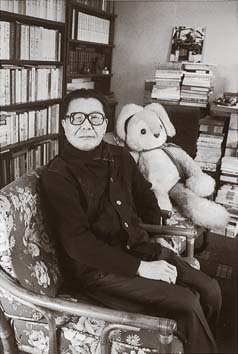
Yasuji Toita (戸板康二) was a Japanese theatre and Kabuki critic, writer, and essayist. He was born in Tokyo and as a child also lived in China. After graduating university, he edited the PR magazine "Sweet", taught language at a girls' school in 1943, and in 1944, he was editor in chief of the Japanese Theatre Company. In 1950, he left became a freelancer. At the age of 44, he made his debut as a detective writer. He was also one of the editors of the magazine Tragedy Comedy and a Member of the Japan Art Academy.
43. 1960 Shōtarō Ikenami 25 January 1923 – 3 May 1990, aged 67
Sakuran (錯乱 Sakuran , lit. Confusion)
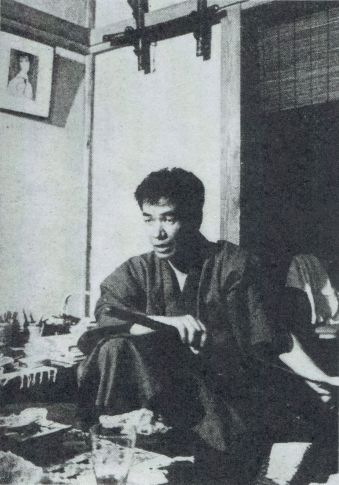
Shōtarō Ikenami (池波 正太郎) was a Japanese author who wrote a number of historical novels. He won the Naoki Award for popular literature in 1960. A lot of his work was adapted for TV and cinema.
44-1. 1960 Daikichi Terauchi 6 October 1921-6 September 2008, aged 87
Hagure Nenbutsu (はぐれ念仏)
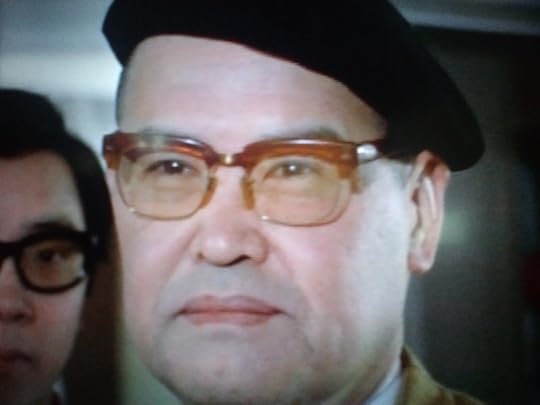
Daikichi Terauchi is a Tokyo-born Japanese writer and actor, known for The Sex Check (1968), Hagure kigeki mandara (1962) and Ultraman Taro (1973).
44-2. 1960 Jūgo Kuroiwa 25 February 1924-7 March 2003, aged 79
Haitoku no Mesu (背徳のメス, lit. Invitation to Corruption)
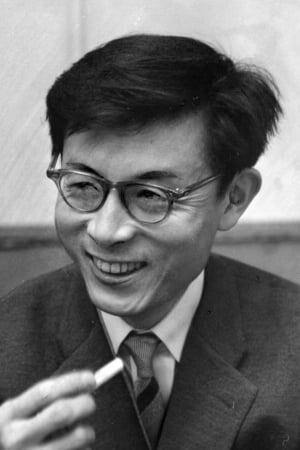
Jugo Kuroiwa (黒岩重吾) was a Japanese novelist known for his social detective novels, novels of manners, and historical novels on ancient history. In 1953 he contracted polio and spent the next three years in the hospital, during which he wrote novels in college notebooks. In 1961, he won the Naoki Prize for "Immoral Female", which worked on various human patterns set in Kamagasaki, and subsequently announced "The Midday Trap" and "Fat Dripping", which dealt with the problems of social enterprises, Matsumoto . As a social detective novel writer following Seicho , he was noted for his work "touching the consciousness of loneliness and depression of modern people".
1961-196545. 1961 Tsutomu Minakami 8 March 1919-8 September 2004, aged 85
Gan no Tera 雁の寺・越前竹人形(新潮文庫), Temple of Wild Geese and Bamboo Dolls of Echizen)
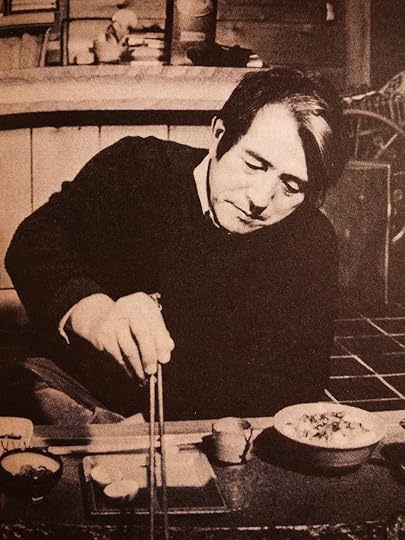
Tsutomu Mizukami (水上 勉) was a popular and prolific Japanese author of novels, detective stories, biographies, and plays. He won the Tanizaki Prize and the Naoki Prize, and a lot of his work was adapted to film. In 1952 he wrote the autobiographical Furaipan no uta (Song of the Frying Pan), which became a best-seller. For nearly the next decade, however, he did not publish, but in 1960, his story centering on Minamata disease, Umi no kiba (The Ocean's Fangs), started his career as a writer of detective stories on social themes. His autobiographic Gan no tera (Temple of the Geese) won the Naoki Prize in 1961, and was adapted for film by Kawashima Yūzō (1962). He won the 1975 Tanizaki Prize for Ikkyū (一休), a biography of an eccentric Zen-master Ikkyū.
46. 1961 Keiichi Itō 23 August 1917-29 October 2016, aged 99
Hotaru no Kawa (螢の河, lit. River of Fireflies)

Keiichi Itō (伊藤桂一) was a Japanese poet, artist, novelist and writer. He graduated from high school in Tokyo. During WW2 he served as a soldier in the Japanese Army in China and Manchuria. Although most of his novels, such as Hotaru no Kawa (螢の河) - "Fireflies by the River", which won the Naoki Prize in 1961, and Rakujitsu no senjō (落日の戦場) - "The Day of Defeat in the Theatre of War“ 1965, reflected his war experiences, they have a high lyrical quality and emphasise the connection between man and nature. Another work is "Kanashiki senki" (悲しき戦記) - "Sad Tales of War", which was published from 1962 to 1963 as a serial novel. He was a member of the Japan Art Academy.
47. 1962 Hisahide Sugimori 23 March 1912-20 January 1997, aged 84
Tensai to Kyōjin no Aida (天才と狂人の間, lit. Between a Genius and a Madman)
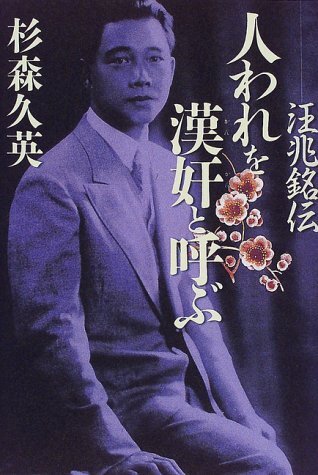
Sugimori Hisahide (杉森久英) was a Japanese writer. Sugimori Hisahide submitted an entry to the 11th Shinshicho (新思潮) competition while he was still at school. After graduating from Tokyo University with a degree in humanities, he worked at Chūōkoron-sha Publishing House and in the culture department of the state Taisei Yokusankai. After WW2, he joined Kawade Publishing, and became editor-in-chief of the literary magazine Bungei (文芸). He attracted attention in 1958 with the novel "Saru" (猿) - "Monkeys", after which he turned to writing and became a leading biographical writer.
48-1. 1962 Hitomi Yamaguchi 19 January 1926-30 August 1995, aged 69
Eburiman-shi no Yūgana Seikatsu (江分利満氏の優雅な生活, lit. The Elegant Lives of the Everyman Family)

Hitomi Yamaguchi (山口瞳) was a Japanese novelist and essayist. After military service he entered Kamakura Academia in 1946 and published his work in Doujinshi while he was still in school. During the same time he studied under the poet Hideo Yoshino. He had a deep knowledge of horse racing, shogi, and baseball - all of which appeared in his works.
48-2. 1962 Sonoko Sugimoto 6/26/1925-5/31/2017, aged 91
Koshū no Kishi (孤愁の岸, lit. Lonely Contemplation on the Shore)
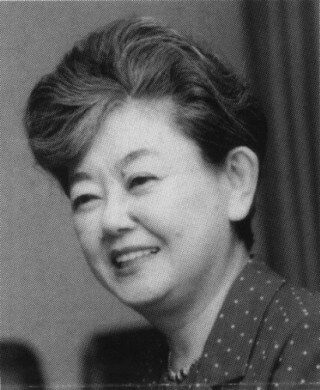
Sonoko Sugimoto (杉本苑子) was a Japanese writer, known for her historical novels. She graduated in literature from Bunka Gakuin (文化学院) in Tōkyō in 1947, then continued her education under Yoshikawa Eiji. In 1962 she won the Naoki Prize for her novel On the Shores of Solitude (孤愁の岸, Koshū no kishi). This is a story about 51 samurai of the Satsuma-han who committed seppuku in 1965 because they could not complete the levee project ordered by the shogunate. Sugimoto has written many historical novels, including 1977's Takizawa Bakin', for which she received the 'Yoshikawa Eiji Award', and in 1986, 'The Grandeur of the Vale of tears' (穢土荘厳, Edo shōgon), a 2-volume novel dealing with the aftermath of the 'Nagaya Incident' Suicide of Prince Nagaya (684?–729). She also wrote excellent travel literature, such as The Temples of the Asuka Area (飛鳥路の寺, Asukaji no tera). Other prizes include the 1986 Women's Literature Prize, the 1987 Medal of Honour, and the 2002 Kikuchi Kan Prize.
49. 1963 Tokuji Satō 30 January 1899-5 February 1970, aged 71
Onna no Ikusa (女のいくさ, lit. The Women's War)
Tokuji Sato (佐藤得二) was a Japanese Buddhist scholar and writer. As a philosophical researcher, he has served as a professor at Suwon High School of Agriculture and Forestry in Korea (currently Seoul National University Agricultural and Life Science University), a professor at Keijo Imperial University, and a professor at Daiichi High School. His "Japanese Development of Buddhism" is known as his masterpiece. After that, he served as a scholar of the Ministry of Education, a director of the social education bureau, and a counsellor at the International House of Japan. After the war, he suffered from tuberculosis and poverty, but he revived. In 1963, he published the first novel "Woman's Ikusa" based on the story of a relative woman and won the Naoki Prize. It was the oldest award at the age of 64 at the time, and was talked about as the emergence of an "old man's newcomer".
50-1. 1963 Tsuruo Andō 16 November 1908-9 September 1969, aged 60
Kōdan Honmokutei (巷談本牧亭)
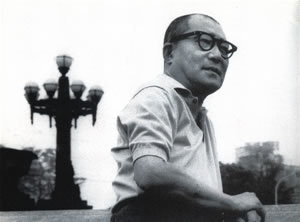
Tsuruo Andō (安藤鶴夫) was a novelist, critic, and entertainment producer of rakugo, bunraku, kabuki, and shingeki. His real name is Tsuruo Hanashima and his nickname was " Anzuru ".
50-2. 1963 Yoshie Wada 6 April 1906-5 October 1977, aged 71
Chiri no Naka (塵の中, lit. In the Dust)
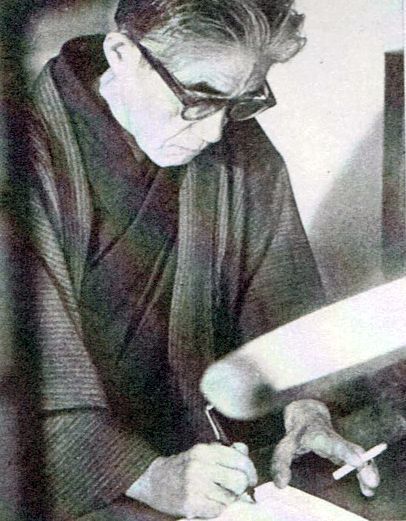
Yoshie Wada (和田 芳恵) was a Japanese novelist and critic. Wada was born in Oshamambe, Hokkaidō, and graduated from Chuo University with a law degree. In addition to his novels in the naturalist tradition, he edited the diaries of Ichiyō Higuchi and Fumiko Hayashi. He received one of the 13th Japan Art Academy Prizes (1956) for Diary of Ichiyō Higuchi (一葉の日記, Ichiyō no nikki), the 50th Naoki Prize (1963下) for Chiri no Naka (塵の中), and the 26th Yomiuri Prize (1974) for Tsugiki no dai (接木の台).
51. No prize awarded
52-1. 1964 Michiko Nagai b. March 31, 1925
Enkan (炎環, lit. Ring of Fire)
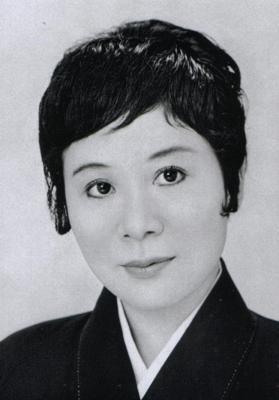
Michiko Nagai (永井路子) is a Japanese writer of historical fiction. Born in Tokyo, Nagai graduated from the Tokyo Women's University with a degree in Japanese literature in 1944. She also studied economy history at the University of Tokyo from 1947 to 1948. After her marriage to the Nobuo Kuroita, the son of historian Kuroita Katsumi, she went to work for the Shogakukan Publishing Company as an editor, but began to write her own stories with historical settings on the side. She is noted for historical novels reassessing the role of women in Japanese history, deviating from the traditional narrative. She won the Naoki Award in 1964, the 21st Women's Culture Award in 1982, the 32nd Kikuchi Kan Prize in 1984, and the Yoshikawa Eiji Literary Award.
52-2. 1964 Atsuko Anzai b. 11 August 1927
Chanshaoshu no Hanashi (張少子の話)
Atsuko Anzai (安西 篤子) is a Japanese novelist who has concentrated her efforts on stories set in China with historical themes, or on contemporary stories based on traditional Chinese motifs. She was born in Kobe where her father was a banker. She accompanied her father to Germany 1927-32, and to China 1932-42, where she was exposed to folk tales and literature from both Europe and Asia. She attended the Qingtao Girls Middle School from 1940-42, where her interest in writing was encouraged by her father. As the situation for Japan in WW2 worsened, she was sent to Japan, where she graduated from the Kanagawa Daiichi Girls Middle School in Yokohama in 1944. She turned to literature after she married in 1946. In 1964, her short story Chanshaoshu no hanashi won the Naoki Prize. The story is set in ancient China and is based on an old Chinese legend. She divorced in 1972 and later worked as a free-lance interviewer and writer. In 1993, her novel Kurouma was awarded the Japan Women Writer's Award. She currently resides in Kamakura, Kanagawa.
53. 1965 Shigeo Fujii 10 February 1916-17 January 1979, aged 62
Niji (虹, lit. Rainbow)
Shigeo Fujii (藤井重夫) was a Japanese novelist. Born in Toyooka City , Hyogo Prefecture, he was a graduate of Toyooka Commercial School. He fought in south and mainland China during WW2. After the war, he wrote a novel while working as a reporter for the Asahi Shimbun, and in 1951, he was a candidate for the Akutagawa Prize. He won the Naoki Prize.
54-1. 1965 Yūkichi Shinbashi 29 March 1933-17 February 2018, aged 84
Yaochō (八百長, lit. Rigged Game)
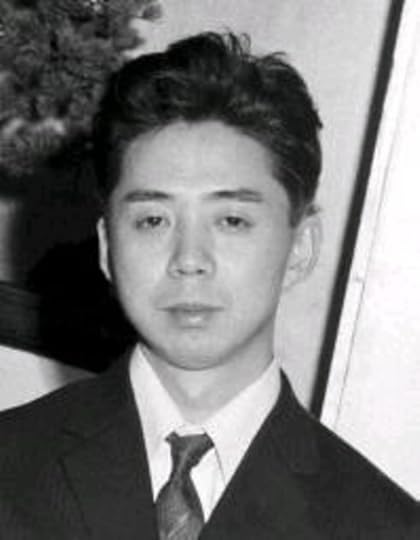
Yūkichi Shinbashi (新橋遊吉) was the pen-name of Japanese novelist Yutaka Maniwa. Born in Osaka, he graduated from Hatsushiba High School. He spent 7 years changing professions due to illness. He continued his writing activities in the meantime and won the 54th Naoki Prize for the short story "Match-fixing" in 1965. Since then, he has published many modern novels on horse racing . He died of renal failure at the age of 84.
54-2. 1965 Jihei Chiba 31 October 1921-23 June 1991, aged 69
Toriko Shū-ki (虜愁記, lit. Sad Tale of a Prisoner)
Jihei Chiba 千葉治平 was a novelist from Akita prefecture . His real name is Jihei Horikawa. He studied electrical science at Akita Technical High School, and in 1940 he joined the Science Research Institute of the Mantetsu Research Department in the former Manchuria and graduated from South Manchuria Technical College. After the end of the war, he returned to his hometown of Akita, applied for a prize novel in "Monthly PRESTO" alongside agriculture, won a seat, studied under Einosuke Ito , and started publishing Akita literature together. In 1966, "Prison", which was serialized in "Akita Literature" Nos. 23 to 27, won the 54th Naoki Prize.
1966-197055. 1966 Masaaki Tachihara 6 January 1926–12 August 1980, aged 74
Shiroi Keshi (白い罌粟, lit. White Poppy)

Tachihara Masaaki (立原 正秋) was the pen-name of a Japanese novelist, essayist, poet and literary critic of Korean descent. Tachihara was born in Korea. His father was a member of the Korean aristocracy and after the Japanese annexation of Korea, subsequently committed suicide when Tachihara was 5. Four years later in 1931, Tachihara moved with his mother to Yokosuka city, Japan. Naturalised in Japan in 1947, he studied literature at Waseda University in Tokyo. He was strongly attracted to medieval Japanese culture, and his novels are patterned after the aesthetics. His interests included the collection of ceramics, especially many Korean Yi Dynasty works. It was not until after his death that his Korean ethnic background became widely known. He won the 55th Naoki Award for his novel Shiroi keshi (“White Poppy”, 1965). He also declined the Akutagawa Prize twice, as he felt that the reward would damage his reputation as an author of serious literature.
56. 1966 Hiroyuki Itsuki b. 30 September 1932
Aozameta Uma wo Miyo (蒼ざめた馬を見よ, lit. See the Pale Horse)
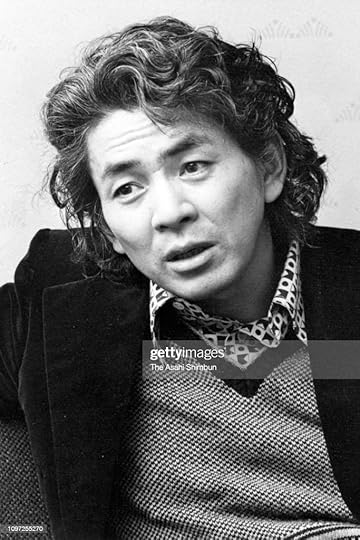
Hiroyuki Itsuki (Japanese: 五木 寛之, born September 30, 1932) is a Japanese novelist, essayist and lyricist. He was born in Japan and spent his early childhood in Korea returning to Fukuoka at the end of WW2. After 10 years working in Tokyo as a coordinator and a lyricist for the radio, he married Reiko Oka, his college sweetheart and a medical doctor, in 1965, and moved to his wife's town of Kanazawa. He assumed his last name of Itsuki, as one of her wife's uncles did not have children. In 1965, Itsuki traveled with his wife to the Soviet Union and Scandinavia and published his novel Good-bye to Moscow Hoodlums, for which he was awarded Shosetu Gendai magazine's new author prize. In 1967 he received the 56th Naoki Prize. His 1968 novel, The Young Ones Will Aim to Walk in the Wilderness, about a Japanese trumpeter's adventure of jazz, sex, and alcohol in Nakhotka, Moscow, Helsinki, Paris and Madrid, and its movie with the theme song by The Folk Crusaders (its lyrics by Itsuki) were a big hit among those who spend their youth in the late 1960s.
57. 1967 Jirō Ikushima , aged 70
Oitsumeru (追いつめる, lit. Cornered)
Jiro Ikushima was a Japanese author and a pioneer of hard-boiled fiction in Japan. Ikushima, whose real name was Taro Koizumi, rose to fame on the back of mystery novels published in the 1960s. His debut, “Shokon No Machi” (“The Scarred City”), was published in 1964. It was followed three years later by “Oitsumeru” (“Cornering”), which won the coveted Naoki Prize. Ikushima was also acclaimed for his 1984 romantic novel “Katayoku Dake No Tenshi” (“Angel With Only One Wing”), an autobiographical work based on his romance with a South Korean woman. Sales of “Katayoku Dake No Tenshi” hit the 500,000 mark two years later, with the story later forming the basis of a movie. Born in Shanghai, Ikushima graduated from Waseda University in Tokyo and worked as editor in chief of the Japanese version of the U.S.-based Ellery Queen’s Mystery Magazine until 1963. He then began writing hard-boiled fiction.He served as chairman of the Mystery Writers of Japan, Inc., from 1989 to 1993.
58-1. 1967 Akiyuki Nosaka 10 October 1930–9 December 2015, aged 85
Amerika Hijiki (アメリカひじき), Hotaru no haka (火垂るの墓, Grave of the Fireflies)

Akiyuki Nosaka (野坂 昭如) was a Japanese novelist, singer, lyricist, and member of the House of Councillors. As a broadcasting writer he used the name Yukio Aki (阿木 由紀夫) and his alias as a chanson singer was Claude Nosaka (クロード 野坂, Kurōdo Nosaka). He was born in Kamakura, Kanagawa, the son of Sukeyuki Nosaka, who was an official of the Tokyo Metropolitan Bureau of Construction. Together with his sisters he grew up as an adopted child of a Harimaya family in Nada, Kobe, Hyōgo. His foster mother, Aiko, was his maternal aunt. Nosaka is part of the "Generation of the Ashes" (Yakeato Sedai), which includes other writers like Kenzaburō Ōe and Makoto Oda. One of his sisters died as the result of malnutrition, and his adoptive father died during the 1945 bombing of Kobe in World War II. Another sister died of malnutrition in Fukui. Nosaka would later base his short story "Grave of the Fireflies" on these experiences. The 1988 anime film Grave of the Fireflies, directed by Isao Takahata, was based on Nosaka's short story of the same name.
58-2. 1967 Tooru Miyoshi 7 January 1931-3 April 2021, aged 90
Hijiri Shōjo (聖少女, lit. Holy Girl)
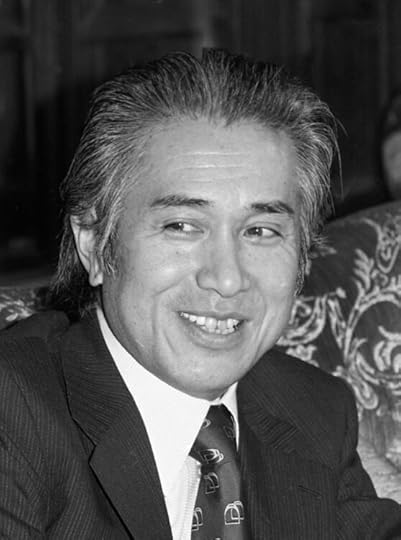
Toru Miyoshi (三好徹) was a Tokyo-born Japanese journalist and writer of detective novels, spy novels, and historical novels. His real name was Yuzo Kawakami. In 1966, he won the Mystery Writers of Japan Award for "Fu Dust Zone" and retired from the Yomiuri Shimbun to become a writer. He won the Naoki Prize for "Holy Girl" (second half of 1967 (January 1968 )), and has since written numerous detective novels and spy novels. His hobby, Go , was taught by his father shortly after the war, and in 1971 he was so powerful that he became a Bundan Honinbo. He also has a non-fiction about professional shogi players, "Five Go Players." He also has a book on golf.
59. 1968 No prize awarded
60-1. 1968 Shunshin Chin 18 February 1924–21 January 2015, aged 90
Seigyoku Shishi Kōro (青玉獅子香炉, lit. Sapphire Shishi Incense Burner)

Chin Shunshin or Chen Shunchen (陳 舜臣) was a Taiwanese and Japanese novelist, translator and cultural critic. He is best known for his historical fictions and mystery novels based on Chinese and Asian history, including First Opium War, Chinese History, Ryukyu Wind. He won numerous literary awards, including the Yoshikawa Eiji Prize for Literature and the Naoki Prize.
60-2. 1968 Mitsugu Saotome 1 January 1926-23 December 2008, aged 81
Kyōjin no Ori (僑人の檻)
Mitsugu Saotome (早乙女貢, Saotome Mitsugu, January 1, 1926 – December 23, 2008) was the pen-name of Kanegae Hideyoshi, a Japanese writer of historical fiction. He won the Yoshikawa Eiji Prize for Literature and the Naoki Prize. Saotome's grandfather was a samurai of Aizu Domain, and following the defeat of the domain in the Boshin War, immigrated to the US. However, he later returned to Yokohama and from there to Shanghai. Saotomo was born in Harbin, Manchuria in Northeast China, and was raised in Manchukuo; however, following the defeat of Japan in WW2, he was evacuated to Kyushu in 1946. He moved to Tokyo in 1948, and attended Keio University's Literature Department, but left school before graduating. In 1954, the noted author, Yamamoto Shugoro, agreed to become his tutor. In 1956, together with other like-minded authors, he formed a literary criticism group called Shosetsu Kaigi ("Fiction Conference"), with members supporting each other by reviewing each other's work. One of the products of this collaboration was his novel Kyojin no Ori, about the María Luz Incident, which was awarded the Naoki. Many of his works have been adapted into movies or TV series. In 2006, he was elected the chairman of the Japanese P.E.N. After contracting stomach cancer, Saotome died at a hospital in Kamakura, Kanagawa, Japan.
61. 1969 Aiko Satō b. 5 November 1923
Tatakai Sunde Hi ga Kurete (戦いすんで日が暮れて, lit. The Day of Battle's End Draws to a Close)

Aiko Satō (佐藤 愛子) is a Japanese novelist. She was born in Osaka and is the second daughter of the novelist[ Kōroku Satō and the half-sister of the poet Hachirō Satō. published early works in the magazine Bungei Shuto (文芸首都). She wrote an autobiographical novel, Aiko (愛子, 1959), which was followed 8 years later with a biography of her father entitled Hana wa Kurenai (花はくれない, "The Flowers Are Red", 1967) and 7 years after that with a book about her mother, Joyū Mariko (女優万里子, "The Actress Mariko", 1974). Her works Sokuratesu no Tsuma (ソクラテスの妻, "Socrates' Wife") and Futari no Onna (二人の女, "Two Women"), both published in 1963, earned a nomination for the Akutagawa Prize, and Kanō Taii Fujin (加納大尉婦人, published 1964) was nominated for the Naoki Prize. She won the 61st Naoki Prize for Tatakai-sunde Hi ga Kurete (闘いすんで日が暮れて),which portrays a woman's struggles with her incapable husband.
62. 1969 No prize awarded.
63-1. 1970 Junichi Watanabe [author:Junichi Watanabe|754832]
光と影 Hikari to kage The Shadowless Lamp

Junichi Watanabe was a Japanese writer who had a flair for affairs. He favoured love stories depicting extramarital affairs. The orthopedist-turned-writer, a native of Hokkaido, won the Naoki Prize for popular literature in 1970 for his novel “Hikari to Kage.” Watanabe wrote a number of love stories in the 1980s, and his 1997 novel “Shitsurakuen” (“Paradise Lost”) about a middle-aged couple having an extramarital affair became a best-seller with more than 2.5 million copies flying off the shelves. Many of his works were adapted into movies and a museum in Sapporo is dedicated to him. He died at the age of 80 from prostate cancer.
63-2. 1970 Yuki Shoji 5 February 1927-24 January 1996, aged 79
Gunki Hatameku Shita ni (軍旗はためく下に, lit. Beneath the Fluttering Battle Flag)
Shōji Yūki (結城昌治) was a Japanese novelist and writer. His real name was Yukio Tamura. This pseudonym, named by Michio Tsuzuki , was originally read as "Yuki Masaharu", but since it is often misread as a shoji, it became a shoji as it is. He wrote hard-boiled at a time when hard-boiled novels had not yet penetrated Japan, so he is said to be the "pioneer of hard-boiled novels." He has a lot of humour mystery and occupies his forerunner position, such as inspiring Shin Tendo in this field as well. In 1970, he won the Naoki Prize for "Under the Flag of the Army", which depicts the back of the military, and was made into a movie by Kinji Fukasaku in 1972, receiving high praise.
64. 1970 Jō Toyoda 14 March 1920-30 January 1994, aged 73
Nagaragawa (長良川, lit. Nagara River)
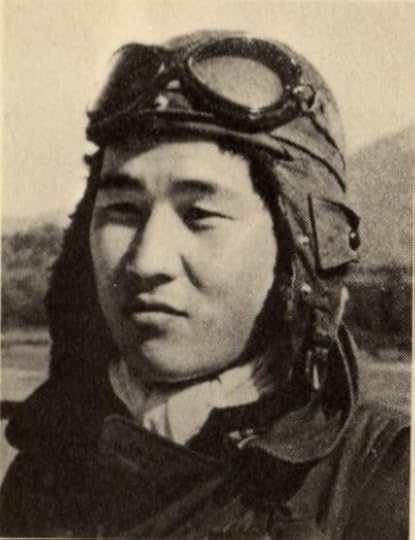
Jō Toyoda (豊田穣) real name is the same, but reads 穣 as "Minoru", was a Japanese novelist, writer, and naval officer. In 1943, he moved to Rabaul to participate in Operation I- Go. When he piloted a 99 warship bomb and attacked Guadalcanal Island Airfield, he was shot down and escaped with scout Kensuke Sogawa, drifting on a rubber boat for 3 days then was picked up by a New Zealand Navy patrol boat and became a prisoner of war. When the sailors brought coffee and bread, Sokawa attempted suicide, but Toyoda stopped him. He received the Medal with Purple Ribbon in 1986.
1971-197565. 1971 No prize awarded
66. 1971 No prize awarded
67-1. 1972 Hisashi Inoue 16 November 1934-9 April 2010, aged
Tegusari Shinjū (手鎖心中, lit. Shackled Double Suicide)
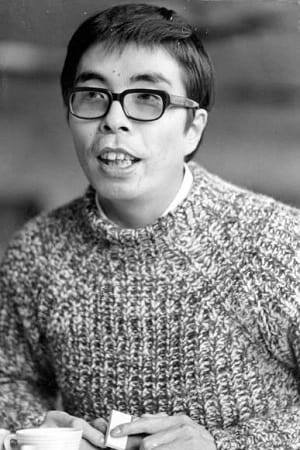
Hisashi Inoue was a prolific Japanese writer of plays and novels. For some period of time he wrote under the pen name Uchiyama Hisashi. He has won a great number of literary awards in the course of his career, including the 67th Naoki Prize in 1972 for his novel "Handcuffed Double Suicide" and the 27th Tanizaki Prize for "Shanghai Moon" in 1991. He was born in Kawanishi, Yamagata Prefecture, and lost his father when he was 5 years old. In childhood, he suffered from child abuse at the hands of his stepfather. His mother sent him to a Catholic orphanage. He graduated from the French department of Tokyo's Sophia University and raised money by working at a sanatorium in Kamaishi. He began his literary career before graduation as a stage manager and scriptwriter in Tokyo. He wrote a semi-fictional account of his life during this period in the novel "The Fortunes of Father Mockinpott." Already writing and producing his own plays at the time of his graduation, he paid the bills with scripts, beginning with the Radio play 'X-Man.' His daily children's television show Hyokkori Hōtanjima was a puppet Robinsonade in which a volcanic eruption sets an entire community adrift. Running for five years and over 1200 episodes, now largely lost, the series became notorious for smuggling adult Satire into childish humour. In 1984 he established a library in his hometown, with a seed donation of 100,000 books.
67-2. 1972 Kenjo Tsunabuchi 21 September 1924-14 April 1996, aged 71
Zan (斬, lit. Beheading)
Kenjo Tsunabuchi (纲渊谦锭) was a Japanese writer born in Karafuto (Imako Page Island). While he was a student at the old Niigata High School, he was devoted to Russian literature and the English poet Elliott, but he was drafted and joined the Asahikawa infantry unit. After demob, he entered the University of Tokyo, but for financial reasons he also worked for print shops, libraries, teachers, etc. Afterward he joined Chuokoron-sha, and from this time on, he became interested in historical novels. At the end of Yukio Mishima's funeral, he resigned as an office worker and became the secretary general of the Pen Club at the request of Hiroyuki Agawa and Yasunari Kawabata. The following year, in 1972, his maiden work "Zan" won the 67th Naoki Prize. Ryotaro Shiba said in his selection, "Is there anyone in the world who has such a serious creative attitude?" After that, he wrote many historical novels with sincere brushstrokes such as "Yang Earth Dragon" and "Living at the end of the Edo period".
68. 1972 No prize awarded
69-1. 1973 Shuhei Fujisawa 26 December 1927–26 January 1997, aged 70
Ansatsu no Nenrin (暗殺の年輪, lit. Annals of Assassination)
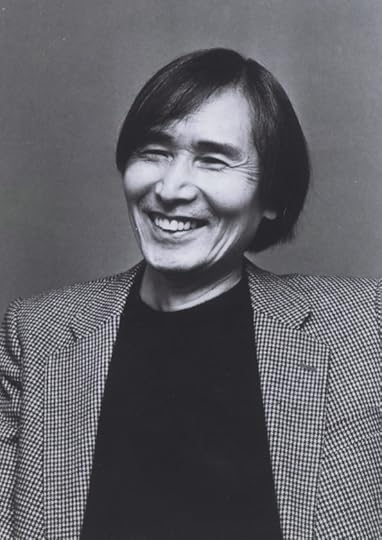
Shuhei Fujisawa (藤沢 周平) was a Japanese author, whose real name was Tomeji Kosuge (小菅留治). Over fifty of his books were published through the course of his lifetime, including both full-length novels and short story anthologies. The focus of his writing was historical fiction. Before he became an author, he had been a business journalist and before that a high school teacher. Over 23 million of his paperbacks have been printed. His work has been adapted for both television and film. Five recent full-length films have been based on his work.
69-2. 1973 Hideo Osabe 3 September 1934-18 October 2018, aged 84
Tsugaru Yosare Bushi (津軽世去れ節), Tsugaru Jonkara Bushi (津軽じょんから節)

Hideo Osabe (長部日出雄) was a Japanese essayist and novelist. His work focused on movies and Osamu Dazai. He was born in Aomori Prefecture, where Dazai was also born. He also once directed a movie. He won the Naoki Prize in 1973 for Tsugaru jongara bushi and Tsugaru yosare bushi. He was awarded a Medal of Honour (with Purple Ribbon, for contributions to education and culture) from the Japanese government in 2002.
70. 1973 No prize awarded
71. 1974 Giichi Fujimoto 26 January 1933-30 October 2012, aged 79
Oni no Uta (鬼の詩, lit. Song of Demons)
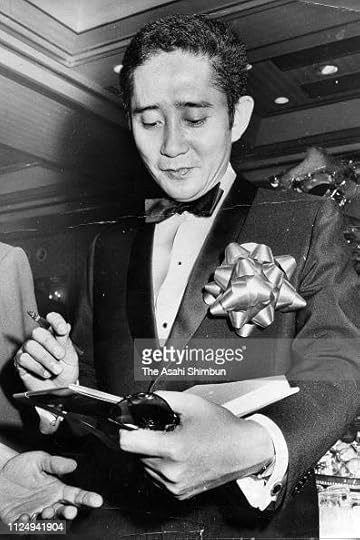
Giichi Fujimoto was born on January 26, 1933 in Osaka, Japan. He was a writer, actor, and lyricist known for Fighting Dog (1964), Gun Dog (1965) and Badge of the Night (1965).
72-1. 1974 Ryo Hanmura 27 October 1933-4 March 2002, aged 68
Ame Yadori (雨やどり, lit. Shelter From the Rain)
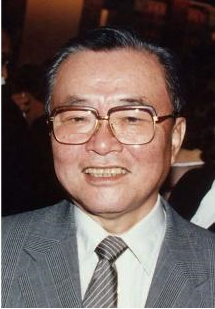
Ryō Hanmura (半村 良) was a Japanese science fiction, fantasy, and horror author. His name is alternatively transliterated as Ryō Hammura. While he wrote books as Ryō Hanmura his real name was Heitarō Kiyono (清野 平太郎). He won the first Izumi Kyōka Prize for Literature for his novel Musubi no Yama Hiroku (産霊山秘録) in 1973. He won the Naoki Prize for his 1975 novel Amayadori (雨やどり). He won also the 1988 Nihon SF Taisho Award. One of his novels was the basis of the 1979 film G.I. Samurai (戦国自衛隊, Sengoku Jieitai). A series of role-playing video games called The Legend of Heroes (英雄伝説, Eiyū Densetsu) is loosely based on his novel by the same name.
72-2. 1974 Magoroku Ide 29 September 1931-8 October 2020, aged 89.
Atorasu Densetsu (アトラス伝説, lit. The Legend of Atlas)
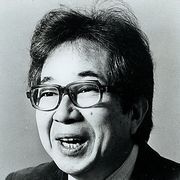
Magoroku Ide (井出孫六) was a Japanese novelist and journalist. Born in Usuda Town, he graduated from the Department of French Studies, Faculty of Letters, University of Tokyo after working at the former Tokyo Metropolitan Kudan Junior High School.He retired in the spring of 1970, and he became interested in the consecutive shootings of Norio Nagayama (1968). When Nagayama was shown the notes he wrote in prison, he was surprised at the contents and helped planthe publication. Nagayama's prison memoir was published in March 1971 as "Tears of Wisdom" and became Nagayama's debut as a writer. In 1975, he was awarded the 72nd Naoki Prize for "Atlas Legend" depicting the end of the mystery of Kawakami Togai. In 1986, he won the 13th Jiro Osaragi Prize. He was director of the Japan Writers' Association and a member of the Japan Pen Club. He died at a hospital in Fuchu City, Tokyo at 5:12 am on October 8, 2020 due to sepsis at 89 years old.
73. 1975 No prize awarded
74. 1975 Ryuzo Saki 14 April 1937-31 October 2015, aged 78
Vengeance is Mine (復讐するは我にあり, Fukushū suru wa Ware ni ari)
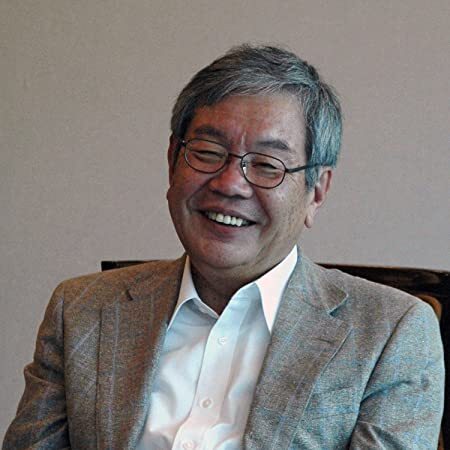
Ryūzō Saki (佐木 隆三) was a Japanese novelist and non-fiction writer, born in North Hamgyong, a province of what is now North Korea. He was interested in high-profile crimes in Japan and published a number of non-fiction books about Japanese crimes. On January 14, 1976, Saki was awarded the Naoki Prize for the novel Vengeance Is Mine based on Japanese serial killer Akira Nishiguchi. The novel became the basis of Shohei Imamura's film of the same name. He also wrote the books about Norio Nagayama, Tsutomu Miyazaki, Fusako Sano and Futoshi Matsunaga. In 1992, Saki published a book about Japanese Resident-General of Korea Itō Hirobumi and Korean An Jung-geun, titled Itō Hirobumi to An Jung-geun. He died from throat cancer in Kitakyūshū at age 78.
1976 - 198075. 1976 No prize awarded
76. 1976 Kyōzō Miyoshi 27 March 1931-11 May 2007, aged 76
Kosodate Gokko (子育てごっこ, lit. Playing at Raising Children)
Kyozo Miyoshi was the pen-name of Japanese novelist Hisao Sasaki. He was a member of the Japan Writers' Association and the Japan Pen Club. He won the Bungakukai Rookie of the Year Award and the Naoki Prize for Kosodate Gokko which depicts the growth process, and this was Miyoshi's de facto literary debut. He retired in 1978 and devoted himself to writing.
77. 1977 No prize awarded
78. 1977 No prize awarded
79-1. 1978 Yō Tsumoto 23 March 1929-26 May 2018, aged 89
Jinjū no Umi (深重の海, lit. Jinjū's Sea)
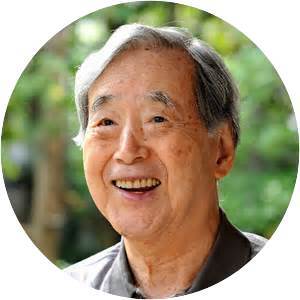
Yo Tsumoto (津本陽) was a Japanese novelist . His real name was Torayoshi. In 1978 he won the 79th Naoki Prize for "Fukaju no Umi" set in his hometown of Wakayama. He traces a huge amount of materials, and in many of his novels, developing the story while presenting and explaining the contents of the materials one by one. His style is mainly a profound and concise expression without emotion. He wrote many historical and period novels, but often often neglected to write down his research, and was therefore often accused of plagiarism. He received the Medal with Purple Ribbon in 1997 and the Order of the Rising Sun in 2003. He was also the Honorary Chairman and Advisor of the Historical Writers Club, which was established in 2011.
79-2. 1978 Takehiro Irokawa 28 March 28 1929-10 April 1989, aged 60
Rikon (離婚, lit. Divorce)
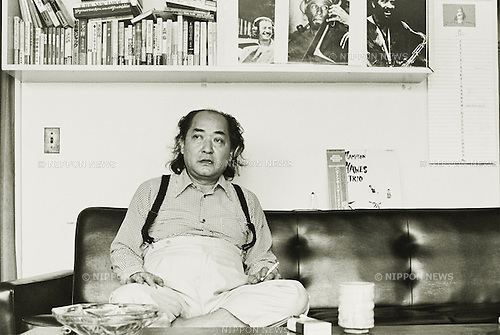
Takehiro Irokawa (色川 武大) was a noted Japanese writer who published both serious literature and light fiction under a variety of pseudonyms including Asada Tetsuya (阿佐田哲也) and Budai Irokawa (色川武大). Many of his works were autobiographical in nature and concerned his life as a mahjong gambler. He was born in Tokyo. His father was a retired navy captain who remained at home on a military pension, and they had a troubled relationship. He began skipping school from an early age to see films and vaudeville. In 1943 he was drafted to work in the factory labour, and at the end of the war was expelled from school when it was discovered that he had been editing a "rebellious" mimeographed magazine. As his father's pension lapsed, he took to small-time criminal activities and gambling, particularly mahjong. In the early 1950s he began writing under pseudonyms and received literary recognition in 1961 for a short story, winning the Chuokoron Newcomers Prize. He continued to publish copiously through the 1970s. Over the years, he won the 79th Naoki Prize (1978), the 9th Kawabata Yasunari Literature Prize (1982), and the 40th Yomiuri Prize (1988). He was briefly hospitalised in 1968 for visual and auditory hallucinations, perhaps related to narcolepsy; he died of a heart attack in 1989 at the age of 60. He is buried in Tokyo and enshrined at a temple in Kyoto where the New Japan Mahjong Federation holds a festival every year in his honour.
80-1. 1978 Tomiko Miyao 13 April 1926-30 December 2014, aged 88
Ichigen no Koto (一絃の琴, lit. One-Stringed Harp)
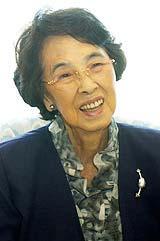
Tomiko Miyao (宮尾 登美子) was a Japanese novelist. She is best known for writing historical fiction. Many of her works were adapted into television dramas and films. Tomiko was born in Kochi, Japan. Her father was a gambler who worked as an agent for prostitutes. She graduated from middle school in 1943, then dropped out of high school to get away from her father. She moved to a new town and became a substitute teacher and married her coworker, a teacher (Kaoru Maeda), in 1944. They had a daughter and briefly moved to Manchuria. When WW2 ended, the family was held in an internment camp until 1946, when they returned to Japan and lived with her husband's family in Kochi prefecture. Her writing career first gained attention when her short story "Ren" won the Fujin Kōron prize for new women writers in 1962. She then moved to Tokyo in 1966 and became a magazine editor. She continued writing for women's magazines and won the Osamu Dazai prize in 1974. Though she hated her father's profession, she wrote a story about it, "Kantsubaki", which went on to win the Women's Literature Prize in 1977. In 1978 she won the Naoki prize. She went on to write prolifically throughout the rest of her career, winning several other awards such as the Kikuchi Kan prize and the Elan d'or. She was named a Person of Cultural Merit in 2008.
80-2. 1978 Natsuo Ariake 11 May 1936-17 December 2002, aged 66
Dai Naniwa Morobito Ourai (大浪花諸人往来, lit. The Comings and Goings of the Many People of Great Naniwa)
Natsuo Ariake (有明夏夫) was a writer from Osaka prefecture. His real name is Yoshikazu Saito. In 1945 he evacuated to Fukui Prefecture and graduated from Katsuyama Seika High School (currently Fukui Prefectural Katsuyama Minami High School). After dropping out of the Faculty of Engineering at Doshisha University, he made his debut as a writer in 1972 after working as a worker and office worker. In 1978 , he won the 80th Naoki Prize for Onamihana (People's Traffic). He died in 2002 due to liver failure at the age of 66.
81-1. 1979 Takashi Atoda b. 13 January 1935
Napoleon Crazy (ナポレオン狂, Naporeon Kyō)
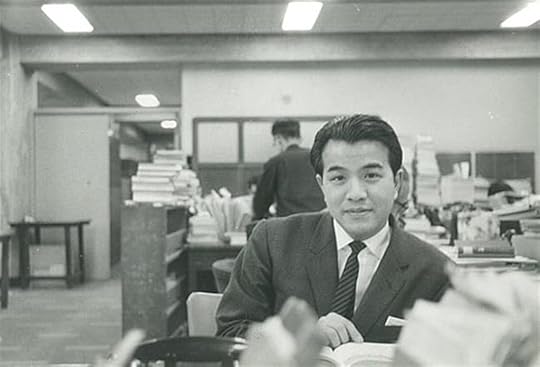
Takashi Atōda (阿刀田 高) is a Japanese writer, and president of the Japanese PEN club from 2007 to 2011. He began his writing career in 1953 at the age of 18 and is the author of many detective novels and science fiction stories. In 1979 he won the Naoki Prize. A collection of his short stories is available in English - The Square Persimmon and Other Stories.
81-2. 1979 Komimasa Tanaka 29 April 1925–29 February 2000, aged 74
Rōkyoku-shi Asahimaru no Hanashi (浪曲師朝日丸の話, lit. The Tales of Master Storyteller Asahimaru), Mimi no Koto (ミミのこと, lit. Matters of the Ear)
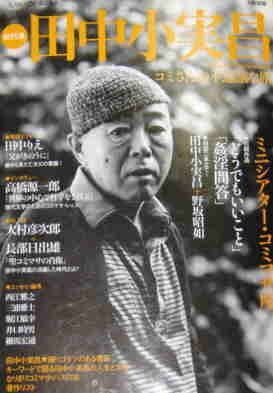
Komimasa Tanaka (田中 小実昌) was a noted Japanese writer, essayist, and translator.
82. 1979 No prize awarded.
83-1. 1980 Kuniko Mukoda 28 November 1929–22 August 1981, aged 51
Hana no Namae (花の名前, lit. Name of the Flower), Kawauso (かわうそ, lit. Otter), Inugoya (犬小屋, lit. Dog House)
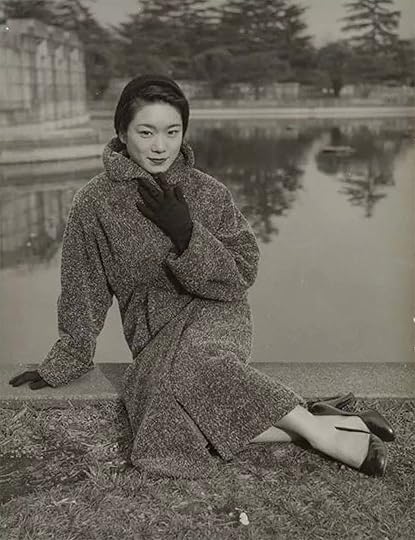
Kuniko Mukōda (向田 邦子) was a Japanese TV screenwriter. Most of her scripts focus on day-to-day family life and relationships. She won the 83rd Naoki Prize for her short stories "Hanano Namae", "Kawauso" and "Inugoya." Mukōda was born in Tokyo, and moved around Japan in her early life due to her father's job. After she graduated from Jissen Women's College (Jissen Women's University), she got a job at Ondori Company, a film publicity company, in 1952. In 1960, she left the company and became a screenwriter and radiowriter. On the 22nd of August 1981, she died on Far Eastern Air Transport Flight 103 when it crashed in Taiwan.
83-2. 1980 Kageki Shimoda b. 25 March 1940
Kiiroi Kiba (黄色い牙, lit. Yellow Fang)
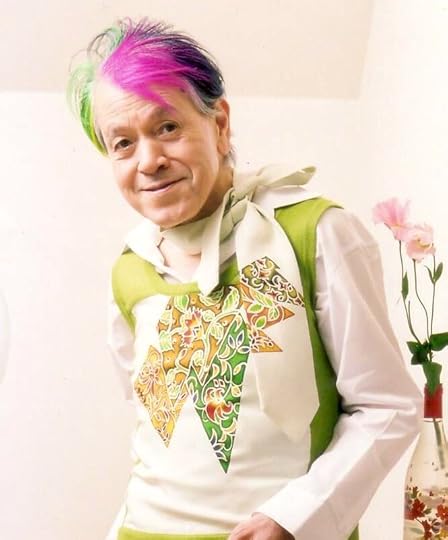
Kageki Shimoda (志茂田景樹) is a Japanese writer (novelist and picture book writer) and talent. He is the representative director of Kageki Shimoda Office. He is the president of the Japan Literary Club. He is captain of the "Reading to Good Boys" club and a member of The Japan Pen Club . He belongs to the entertainment production "Big Booking Entertainment". His real name is Tadao Shimoda. The origin of his pen name was derived from the feeling of "aiming for a thick rice field", and "Kageki" was for Kageki Kagawa, a Japanese literary artist whose book he often saw in his father's study. He liked the lively name and borrowed it. He also used the pseudonym of Tadao Sakai for a period of time. He has an outstanding character, and is active in talent activities - appearing in many variety shows and dramas. Kageki Shimoda is also an androgynous fashion legend in Japan, known for his avant-garde outfits and rainbow hair.
84. 1980 Masanori Nakamura -1 March 2020, aged 92
Genshu no Muhon (元首の謀叛, lit. Sovereign's Rebellion)
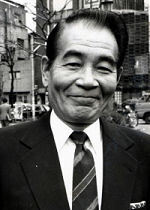
Masanori Nakamura was born in Manchuria. He graduated from Gakushuin University, Faculty of Bunsei, Department of Political Science. He worked for Japan Airlines and was writing while he was the manager and procurement manager of Frankfurt. He received the 84th Naoki 35 Award for "The Rebellion of the Former Leader" in 1980. He was active as a member of the Gakushuin University Student Broadcasting Station (GSRS) at the time of its founding.
1981 - 198585. 1981 Yukio Aoshima 17 July 1932–20 December 2006, aged 74
Ningen Banji Saiō Ga Hinoeuma (人間万事塞翁が丙午)

Yukio Aoshima (青島 幸男) was a Japanese politician who served as Governor of Tokyo 1995-99. He is also a TV actor, novelist, film director, screenwriter, and songwriter. He was born in Tokyo and began writing manzai comedy while enrolled as a student at Waseda University. He made his debut as a comedy writer in Japan's fledgling TV industry. He produced, directed and starred in the film Kane (鐘, The Bell), which was a contestant in the 1966 Cannes Film Festival. His first novel won the Naoki Prize in 1981. He wrote the hit 1961 song Sudara Bushi (スーダラ節). He was elected to the House of Councillors in 1968 as a write-in candidate, winning 1.2 million votes and placing 2nd behind Shintaro Ishihara. He resigned to run for Governor of Tokyo in 1995, and won without major party support or campaigning beyond state-sponsored posters and TV spots. He resigned after 4 years in office. During his tenure as governor, he became the target of an assassination attempt in May 1995, when a parcel bomb was mailed to his Tokyo office. The bomb, intended for him, exploded in the face of his assistant, severely wounding him. Aoshima died of myelodysplastic syndrome.
86-1. 1981 Kôhei Tsuka 24 April 1948–10 July 2010, aged 62
Kamata Kōshinkyoku (蒲田行進曲, lit. Kamata March)
Kōhei Tsuka was a Korean-Japanese playwright, theatre director, and screenwriter. He was so influential that recent Japanese theatrical history has been divided into pre-Tsuka and post-Tsuka. He was a 2nd-generation Korean-Japanese whose experience as a member of a minority was found in his work. His pen name is derived from "itsuka kohei", meaning "equal someday." he started his theatre career as a student at Keio University. In 1974, he started his own group, Tsuka Kōhei Jimusho, a part of the second generation of modern Japanese theatre. He focused less on text, often improvising based on the written play, and used the everyday language of the youth. The sets of his plays were minimal, with the stage almost bare. His system compels actors to put themselves and their ideas on stage, with little concern for society as a whole. He took a break from the stage from 1982-89. He died of lung cancer at age 62.
86-2. 1981 Akira Mitsuoka 3 November 1932-22 December 2004, aged 72
Kirai (機雷, lit. Sea Mine)
Akira Mitsuoka (光岡明) was a Japanese writer born in Kumamoto City, and graduated from Kumamoto University Faculty of Law and Literature. In 1955 , he joined the Kumamoto Nichinichi Shimbun. He was the director of the Nippon Cultural Broadcasting Department, the deputy director of the editorial office, and the vice chairman of the editorial department. During that time, he started writing novels in the wake of his father's death, and was a candidate for the Akutagawa Prize in 1976 . He was nominated for the award 5 times in 1977-78. In 1978 he won the Kumamoto Nichinichi Shimbun Literary Award. He won the Naoki in 1982.
87-1. 1982 Yūsuke Fukada 15 July 1931-14 July 2014, aged 82
En'netsu Shōnin (炎熱商人, lit. Unbearable Heat Merchant)
Yūsuke Fukada (深田祐介) was a Japanese writer. After graduating from university , he continued to write while changing jobs at multiple companies such as tourism companies and foreign airlines , and the novel "Airport" became a candidate for the Gunzo Prize for New Writers. He has also won the Bungakukai New Face Award and the 7th Soichi Oya Nonfiction Award. Since 1978, he has been a candidate for the Naoki Prize every year, finally winning in 1982. His "Stewardess Monogatar", published in 1982, was made into a TV drama, and became so popular that it was a social phenomenon. In 1987, he won the Bungeishunju Reader Award for "New Oriental Circumstances". He published an autobiographical novel, "Fukada Youth's Postwar and Love," as a duology, and wrote for magazines. He died of pneumonia the day before his 83rd birthday at 2:20 pm on 14 July 2014.
87-2. 1982 Tomomi Muramatsu b. 4 October 1940
Jidai-ya no Nyōbō (時代屋の女房, lit. Wife of the Shop Era)
Tomomi Muramatsu (村松友視) is a novelist in Japan. He was born in Tokyo, but was raised in Shizuoka. His grandfather was the noted writer Muramatsu Shofu, and both his father and his mother worked for the literary magazine Chūōkōron. He attended Keio University's Literature Department, and on graduation went to work for Chūōkōron as an editor. His first published work, Watashi puroresu no kyomi desu (I am a Professional Wrestling Fan) was a best seller in 1980. In 1982, he won the Naoki Prize. In 1997 he won the Izumi Kyoka Prize. After he appeared on television commercials for Suntory whiskey, and his line of “1 Finger–2 Fingers” became a popular phrase in Japanese bars.
88. 1982 No prize awarded
89. 1983 Kōshi Kurumizawa 26 April 1925–23 May 1994, aged 69
Kuropan Furyo-ki (黒パン俘虜記, lit. Chronicle of the Brown Bread Prisoners)
Koshi Kurumizawa (胡桃沢 耕史) was the pen-name of Shimizu Masatarō, a writer of Japanese detective fiction. Born in Tokyo, he began writing when he was still in school. Although accepted to Takushoku University, in 1942 he migrated to Manchukuo to escape wartime food shortages. He was conscripted in 1945, but captured and sent to Siberia. After his release in 1947 he graduated from university. In 1949, he completed an account of his POW experiences. His first novel won a prize in 1955 for best work by a new author. He used the money to fund a round-the-world trip from 1958-67. In 1983, he won the Mystery Writers of Japan Award, and was awarded the Naoki for his story of a Japanese prisoner of war after WW2. His detective stories became best sellers, filmed for TV in 1986-87, in which he made several cameos. A fan of author Naoki Sanjugo, he bought the plot next to Naoki's grave and erected his own gravestone there prior to his death in 1994.
90-1. 1983 Takurō Kanki 11 September 1928-28 June 1994, aged 65
Shiseikatsu (私生活, lit. Private Life)

Takuro Kanki (神吉拓郎) was a Japanese broadcast writer, novelist, poet, and essayist. He was a member of the Japan Writers' Association, and the TV and Radio Writers' Association. Born in Tokyo, his father was an English literary scholar. He graduated from Seijo High School. Joined NHK in 1949 writing broadcast scripts, magazine columns, miscellaneous texts, and short stories. He retired from broadcasting in 1968, turning to writing, and won the 90th Naoki Prize in 1984 for "Private Life", which beautifully depicts the melancholy of urban life.
90-2. 1983 Osamu Takahashi 23 May 1929-13 June 2015, aged 86
Hiden (秘伝, lit. Mystery)
Osamu Takahashi (高橋治) was a Japanese writer. He graduated from Tokyo University and joined the Shochiku film company in 1953, making his directorial debut in the 1960 film Kanojo dake shitte iru (彼女だけが知っている 'Only She Knows'). He also turned to writing and published the documentary Hahei (派兵 'Deployment') and Kenrantaru kage-e (絢爛たる影絵 'Beautiful Shadow Painting'), which chronicled the life of director Ozu Yasujirō describes. In 1959 (1983) Takahashi received the Naoki Prize for Hiden (秘伝 'Secret Lore'), the story of an old fisherman. This was followed in 1963 by the Shibata Renzaburō Prize for Wakarete nochi no koiuta (別れてのちの恋歌'Love Song after Farewell') and Na mo naki michi o (名もなき道を' 'To the Nameless Road'). In 1996 he was awarded the Yoshikawa Eiji Literary Prize. His book Love Song after Farewell tells of the eldest son of a hospital director who was supposed to be a doctor but was unable to because of colour-blindness. Instead, he wanted to become a lawyer, but repeatedly failed his exams, became eccentric, and died in mysterious circumstances. It was based on a friend, but following legal action Takashi had to pay compensation and affirm in the foreword that the main character was purely imaginative.
91-1. 1984 Mikihiko Renjō 11 January 1948–19 October 2013, aged 65
Koibumi (恋文, lit. Love Letter)
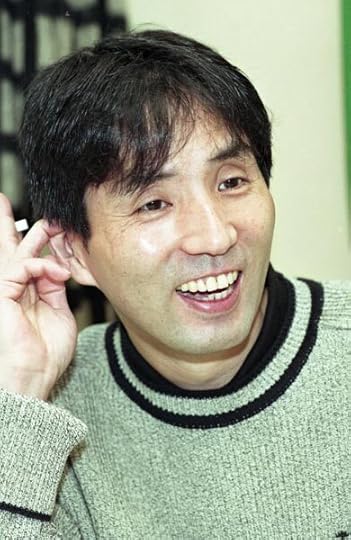
Mikihiko Renjō (連城 三紀彦 - real name: Jingo Katō) was a Japanese writer, winner of the Naoki Prize. He was also an ordained Buddhist priest. He was born in Nagoya, and graduated from the Political Economy Department of Waseda University. He studied writing screenplays in Paris, France, and made his debut in 1978 with Henchō nininbaori. In 2009 he was diagnosed with stomach cancer and died in 2013.
91-2. 1984 Toshizō Nanba b. 25 September 1936
Tennojimura (てんのじ村)
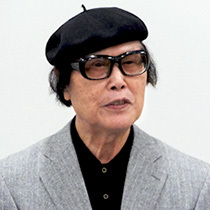
Toshizo Namba (難波利三) is a Japanese novelist. He is a member of the Japan Writers' Association, and The Japan Pen Club. He dropped out of the Department of English and American Languages at Kansai Gaidai University in 1960. He played guitar in Osaka. and worked for a newspaper. He was in a sanatorium for tuberculosis when he won the "Shosetsu Shincho" sweepstakes twice. He was a candidate for the Naoki 5 times before winning.
92. 1984 No prize awarded
93. 1985 Yōko Yamaguchi 10 May 1937-6 September 2014, aged 77
Enka no mushi (演歌の虫, lit. Enka Insects), Rōbai (老梅, lit. Old Plum)
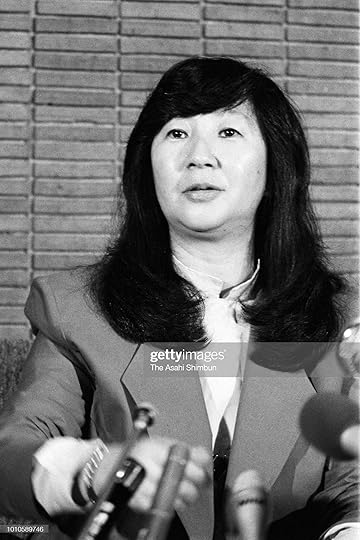
Yoko Yamaguchi (山口 洋子) was a Japanese lyricist and novelist. In 1985, Yamaguchi won the Naoki Prize for her novels, Enka no Mushi ("Japanese Ballad Lover") and Robai ("Old Japanese Plum"). A native of Nagoya, she began her career opening an upscale Tokyo bar and writing song lyrics, some of which became very successful in the 1970s. She began writing novels during the 1980s and died from respiratory failure at the age of 77.
94-1. 1985 Seigo Morita 25 October 1925-16 October 2008, aged 82
Uogashi Monogatari (魚河岸ものがたり, lit. Fish Market Story)
Seigo Morita (森田誠吾 - pen-name of Seigo Horino) was a Tokyo born novelist. He dropped out of University and became a research student at the Tokyo Metropolitan Theatre. He studied under the playwright Sakae Kubo with whom he had a life-long friendship. He debuted as a writer in 1981, and many of his works depicted his youth.
94-2. 1985 Mariko Hayashi b. 1 April 1954
Saishuu-bin ni Maniaeba (最終便に間に合えば, lit. If I'm in Time for the Last Trip), Kyoto Made (京都まで, lit. Until Kyōto)
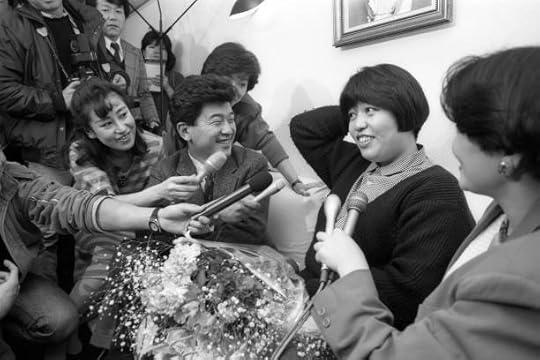
Mariko Hayashi, pen-name of Mariko Tōgo, is a Japanese novelist and essayist, president of the Japan Writers' Association, a member of the Japan Pen Club, and the president of Nihon University. Born in Yamanashi into a family of booksellers, she became passionate about literature from a young age. A very prolific author, her works range from collections of short essays to historical novels starring great figures from the past to stories of everyday life.
1986-199095. 1986 Hiroko Minagawa b. 8 December 1929
Koi Kurenai (恋紅, lit. Crimson Love)

Hiroko Minagawa (皆川博子) is a Japanese novelist . She is active in a variety of genres, but her fantasy literature or fantastic mysteries are the most well-known. Born in Gyeongseong, Korea, she dropped out of the Department of Foreign Languages and English Literature at Tokyo Woman's Christian University. After making her debut as a children's writer, she turned to a detective writing. She is a person of cultural merit and has won Mystery Writers of Japan Award (1985), Naoki Prize (1986), and Honkaku Mystery Award (2012).
96-1. 1986 Gō Ōsaka b. 1 November 1943
The Red Star of Cadiz (カディスの赤い星, Kadisu no Akai Hoshi)
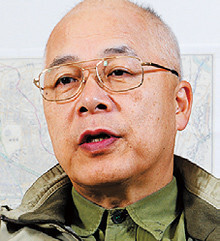
Go Osaka (逢坂 剛) is a Tokyo-born writer of crime fiction, hardboiled, thriller, spy fiction and western fiction. He served as the 11th President of the Mystery Writers of Japan from 2001 to 2005. Outside of his literary works, he is also known for his interest in Flamenco music. He is a competent guitarist in his own right and has several guitars around his office.
96-2. 1986 Shinpei Tokiwa 1 March 1931-22 January 2013, aged 81
Tooi Amerika (遠いアメリカ, lit. Far Off America)
Shinpei Tokiwa (常盤新平) was a Japanese writer, translator, and American cultural researcher. He is also known as Hisato Ohara. He graduated from Waseda University Faculty of Letters, Department of English. Joined Hayakawa Publishing. In 1961 he became the editor-in-chief of the new magazine "Holiday," but only published the first issue. he was the 3rd editor-in-chief of Ellery Queen's Mystery Magazine (Japanese version) for 6 years from 1963, however, hedidn't like mystery, so he often published humorous novels from The New Yorker. In 1986 the autobiographical novel "Distant America", which depicts himself as a graduate student who longed for the USA and read paperbacks to study translation, won the 96th Naoki Prize. He died due to pneumonia at 81.
97-1. 1987 Amy Yamada b. 8 February 1959
Soul Music Lovers Only (ソウル・ミュージック・ラバーズ・オンリー Souru Myūjikku / Rabāzu Onrī )
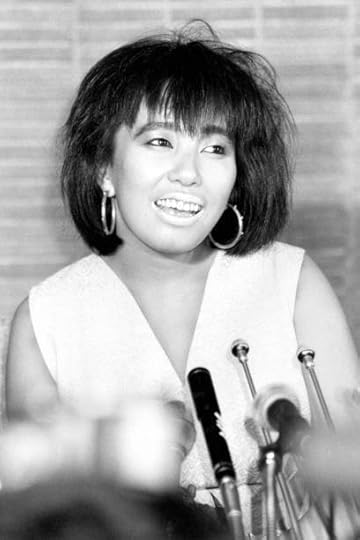
Yamada Amy (山田 詠美) is a popular but controversial contemporary Japanese writer who is most famous for her stories that address issues of sexuality, racism, and interracial love and marriage. Her debut and subsequent popular success in the 1990s was a part of Japan's hip-hop and Black culture boom. While she is most known for her stories of complicated and messy romantic love, she also writes on the daily minutiae of life (slice-of-life), child-raising, and bullying. Her works have been described as one of the greatest depictions of modern Japan.
97-2. 1987 Ichirō Shiraishi 9 November 1931-20 September 2004, aged 72
Kairōden (海狼伝)
Ichiro Shiraishi (白石一郎) was a Japanese writer born in Busan. He grew up there until the end of the war and in Sasebo after the war. He graduated from Waseda University. While working at his father's accounting office, he also worked hard on his creative work. In 1955, "Cowardly Warrior" was selected for a prize in a local newspaper on his debut and since then, he has consistently written historical and period novels.
98. 1987 Makio Abe 4 September 1933-11 May 2019, aged 85
Sorezore no Tsuigakushō (それぞれの終楽章, lit. The End of Each Musical Movement)
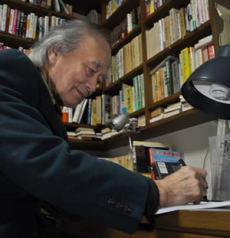
Makio Abe (阿部牧郎) was a Japanese novelist. Born in Kyoto, he started his career as a writer while living as a salaryman, and became a candidate for the Naoki Prize 7 times until winning in 1987. He wrote many novels on baseball as he was a big fan of the Yomiuri Giants. He was also a horse racing fan. In the 1970s, he served as a personality for a radio program called "Makio Abe and his crew". He had a deep knowledge of music, and classical works such as orchestral music and piano music are often used as effective scene depictions. He also learned oboe playing through regular lessons in his 50s. He died at a hospital in Osaka due to acute pneumonia.
99-1. 1988 Tamio Kageyama 20 March 1947-26 January 1998, aged 50
遠い海から来たCOO Tōi Umi Kara Kita Coo lit. From a Distant Ocean Came Coo
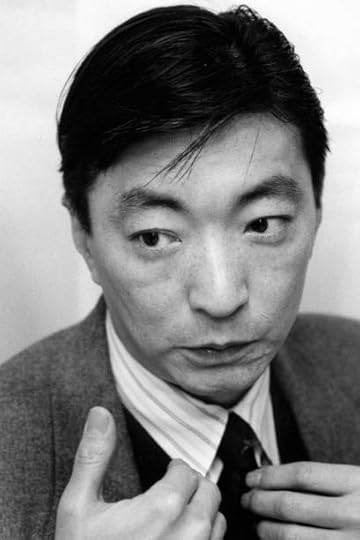
Tamio Kageyama (景山 民夫) was a Japanese writer. The former television script writer and essayist won the Naoki Prize in 1988 for his novel Coo: Tooi Umi Kara Kita Coo. The novel was later adapted into an animated film. Kageyama also contributed to the films Sakana kara daiokishin!! (1992), Saraba itoshiki hito yo (1987), and Hoshikuzu kodai no densetsu (1985), and appeared as a judge on the TV series Iron Chef. As a plastic model hobbyist, he accidentally set flammable paint thinner on fire by his cigarette and was burned severely. He died shortly after midnight.
99-2. 1988 Masaaki Nishiki b. 25 May 1940
Kooreru Hitomi (凍れる瞳, lit. An Eye Freezing Over), Hashima no Onna (端島の女, lit. The Hashima Woman)
Masaaki Nishiki is a Japanese novelist. His real name is Masaaki Suzuki. Graduated from Akita Prefectural Akita High School in 1959. He dropped out of Waseda University. He joined Heibon Publishing and was involved in editing. He started his career as an independent writer in 1980 and won the Japan Nonfiction Award New Face Award for his debut work "Okhotsk Intelligence Ship" and the 99th Naoki Prize for "Frozen Eyes" and "Woman on Hashima" in 1988. Since then, he has released many documentary-like works based on in-depth coverage.
100-1. 1988 Akiko Sugimoto 28 May 1953-4 December 2015, aged 62
Tōkyō Shin Ōhashi Uchūzu (東京新大橋雨中図, lit. Tokyo New Big Bridge Path Plan)
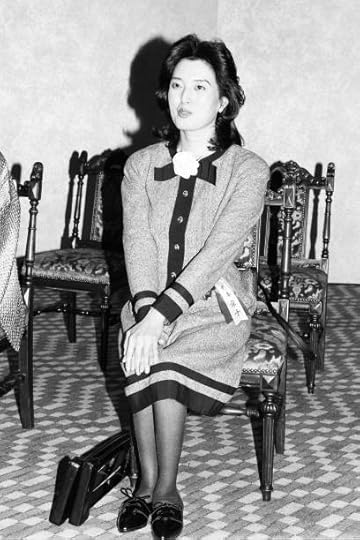
Akiko Sugimoto (杉本 章子) was a Japanese novelist best known for writing historical fiction about famous people who lived during the Edo period. She was born in the city of Yameshi. When she was a year old her legs were paralysed by polio. Her father worked at a university and knew a lot about Japanese literature and history. As a child, she read avidly from her father's library, especially his collection of gesaku. She was also fascinated with kabuki. After graduating from high school she decided that she wanted to live independently from her parents, and moved to Okayama prefecture where she attended Notre Dame Seishin University. She later earned a master's degree from Kinjo Gakuin University in 1978. Sugimoto revisited Terakado as a subject in her debut story, Otoko no kiseki (男の軌跡). In 2002 her novel Osuzu Shintaro Ninjo Shimatsu Cho (おすず―信太郎人情始末帖) won the Gishū Nakayama award. The book became a series, which ended in 2008. It was her first series and the only one she completed. She died of breast cancer aged 62.
100-2. 1988 Shizuko Tōdō b. 14 March 1949
Urete Yuku Natsu (熟れてゆく夏, lit. Ripening Summer)
Shizuko Todo (藤堂志津子) is a Japanese novelist and essayist. Her real name is Masae Kumagai. Born in Sapporo, Hokkaido, she graduated from Hokkaido Sapporo Kita High School and Fuji Women's Junior College Japanese Literature . In 1968, at the age of 19, she published her poetry collection "Suna no Adoration". Since then, she has published many romance novels, and is also an active essayist. As well as the Naoki Prize, she has received an award in honour of Hokkaido, and many other awards including the Sapporo Citizen Art Award, the Shimasei Renai Literature Award and the Shibata Renzaburo Award.
101-1. 1989 Nejime Shōichi b. 16 June 1948
Kōenji Junjō Shōtengai (高円寺純情商店街, lit. Kōenji Purehearted Shopping District)
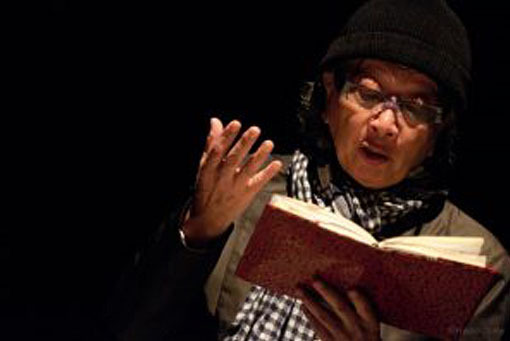
Nejime Shōichi (祢寝 正一) is a Japanese poet and novelist. He dropped out of Aoyama Gakuin University while he was majoring in economics. While in Aoyama, he ran a business known as Nejime Mingeiten, a folk craft store. He also was a member of a grass lot baseball team known as the "Fouls". In 1989, he won the Naoki Prize. In 1997, he became the first champion of "Poetry Boxing". In 2001, he was in charge of the NHK panel "Words of Power, Poems of Power".
101-2. 1989 Akira Sasakura b. 14 November 1948
Tooi Kuni kara no Satsujinsha (遠い国からの殺人者, lit. Murderer from a Distant Land)
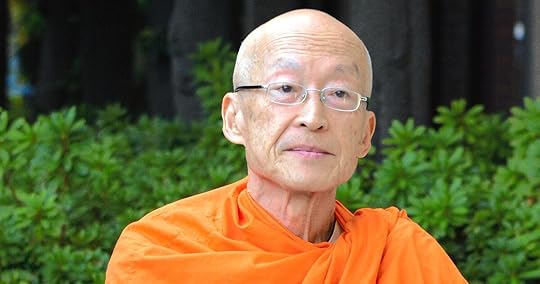
Akira Sasakura is a Japanese novelist and a Buddhist monk. He is also a singer-songwriter, recording engineer, studio and cafe owner, and interior craftsman. Born in Nishiwaki City, he graduated from Waseda University Literature Department. After working at an advertising agency and as a freelance reporter, he made his debut in 1980 with The People Who Passed the Sea, a story about a young Japanese man wandering abroad. In 1988 he won the Suntory Mystery Grand Prize for The Drifting Trial . The following year, in 1989, he won the 101st Naoki Prize for his feature-length novel Tookukara kara no Murderer, based on a murder case by Yuki Japa. He has written many books in a wide range of genres.
102-1. 1989 Seiji Hashikawa
Kodenshō (小伝抄, lit. Precise Biographical Sketch)
102-2. 1989 Ryō Hara b. 18 December 1946
Watashi ga Koroshita Shōjo (私が殺した少女, lit. The Girl I Killed)
Ryō Hara (原尞) is a Japanese author of detective novels, jazz pianist, and nightclub boss. His novels are influenced by those of Raymond Chandler.
103. 1990 Tsumao Awasaka 5 May 1933-3 February 2009, aged 75
Kage Kikyō (蔭桔梗, lit. Shadow Bellflower)
Tokyo-born Tsumao Awasaka (泡坂 妻夫 actually Atsukawa Masao) was initially a Japanese magician, then a writer.
104. 1990 Kaoru Furukawa 5 June 1925–5 May 2018, aged 92
Hyōhakusha no Aria (漂泊者のアリア, lit. A Vagabond's Aria)
Kaoru Furukawa was a Japanese novelist. He was 65 when he won the Naoki and was the oldest writer to win the award at the time.
1991 - 1993105-1. 1991 Masamitsu Miyagitani
Kaki Shunjyū (夏姫春秋)
Masamitsu Miyagitani (Miyagitani Masamitsu, born February 4, 1945 ) is a Japanese novelist , historical novelist and period novelist . He specializes in works that highlight the great figures of ancient China . His real name is Seiichi Miyagitani. Born in Mitani Town, he graduated from Waseda University's First Faculty of Literature, Department of English Literature. Then he worked at a publishing company and helped out at a family business souvenir shop, before opening an English cram school. For a long time he struggled to find his own words. At first , he wrote romance novels and loved reading the works of contemporary French thinkers, but his interest gradually shifted to history and he began writing historical novels. As soon as the 1990s began, his long misfortune suddenly took the position of a best-selling author. At one point, he was also working on a piece about Japan's Warring States period, and also wrote a piece set in his hometown of Mikawa. His hobby was photography, and in 1981 he was awarded 8th place in the yearly award of Nippon Camera magazine.
105-2. 1991 Sunao Ashihara b. 13 September 1949
青春デンデケデケデケ Seishun Den Deke Deke Deke
Sunao Ashihara is the pen name of Japanese author Naoaki Tsutahara. He was born in Kanonji Town, Kanonji City, Kagawa Prefecture. Graduated from Waseda University, First Faculty of Literature, Department of German Literature. Dropped out of the doctoral course at the same graduate school. While working as a lecturer at Teikyo Junior College, continued writing activities and debuted with "Susanoo Autobiography". In 1990, he won the 27th Bungei Award for "Seishun Dendeke Deke Deke". The following year, the same work won the 105th Naoki Prize (first half of 1991). This work was also made into a movie by director Nobuhiko Obayashi. There are many works that humorously depict the subtleties of youth novels, married couples, and parents and children.
106-1. 1991 Yoshio Takahashi b. 26 October 1945
Ōkami Bugyō (狼奉行, lit. Wolf Magistrate)
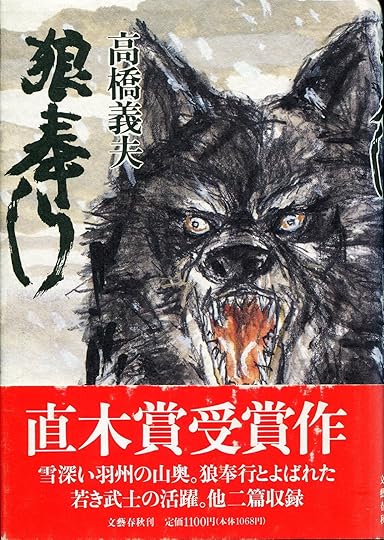
Yoshio Takahashi is a Japanese novelist. Born in Funabashi City, Chiba Prefecture, he lives in Yamagata City. He graduated from Ichikawa High School and Waseda University Department of French Literature. His son Fumiki Takahashi is also a novelist . After working as an editor of the monthly magazine BOX and jointly managing an advertising company, he made his debut as a novelist in 1977 with the book "Phantom Meiji Restoration: Gentle Shishi no Gun", and later published Meiji-era novels and books about rural life. In 1987, he was nominated for the Naoki Prize for "Social Retreat of Darkness", in 1989 for "Hiho Gassan Maru" as a candidate, in 1990 as a 3x nominee for "Disappeared at 50 degrees north latitude", and in 1991 as a 4x nominee for "Fubuki Pass". In 1991, he won the 106th (second half of 1991) Naoki Sanjugo Prize for "Wolf Magistrate". From 1997, he started the "Let's become a novelist course" (currently Yamagata novelist and writer course). He writes period novels, historical novels, and economic novels.
106-2. 1991 Katsuhiko Takahashi b. 6 August 1947
Akai Kioku (緋(あか)い記憶: 1 (記憶シリーズ), lit. Red Memory)
Katsuhiko Takahashi (高橋 克彦) is a Japanese writer of mystery, horror, science fiction and historical fiction. He is a member of the Mystery Writers of Japan.
107. 1992 Shizuka Ijūin b. 9 February 1950
Uke Tsuki (受け月)
Shizuka Ijūin (伊集院静) is a Japanese writer. The son of Korean immigrants studied at Rikkyo University . In 1974 he received Japanese citizenship. After initially working in television, he began a career as a writer in 1988. He received the Yoshikawa Eiji Prize in 1991 for the novel Chibusa (filmed by Kichitaro Negishi in 1993), and the Naoki Prize for uke zuki the following year. In 2007 he published a biography of baseball player Hideki Matsui (Hideki Matsui: sportsmanship, modesty and the art of the home run ).
108. 1992 Tatsurō Dekune b. 31 March 1944
佃島ふたり書房 Tsukudajima Futari Shobō lit. Tsukuda Island Two Bookstores)
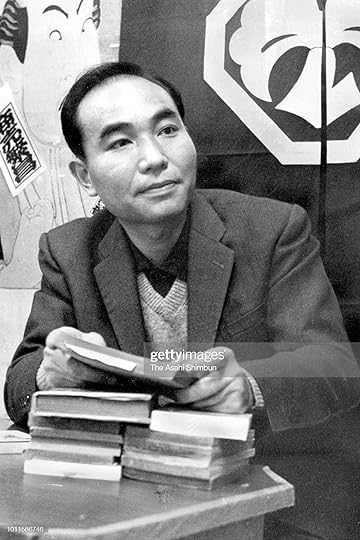
Tatsuro Dekune is a Japanese novelist and essayist born in Kitaura-cho. After graduating from junior high school, he moved to Tokyo for group employment and worked at an old bookstore in Tsukishima . He became independent in 1973 and runs a second-hand bookstore "Hogado" in Suginami Ward. At the same time, he made his debut as a writer. In 1990, he was nominated for the Naoki Prize for Mumei no Chou, Neko ja Neko ja, Yoninme, and Tororo. In 1992, he won the Kodansha Essay Award for Book's Mouthwash. In 1993, he won the Naoki for Tsukudajima Futari Shobo. In 2004, he received a special prize at the 17th Popular Literature Research Award for his book "Inquiring about the Past and Understanding the Present: Reading the Meiji Period in the Yomiuri Shimbun." He is one of the respondents to the Yomiuri Shimbun's Life Guide. In 2015, he won the Minister of Education, Culture, Sports, Science and Technology Award for Art Encouragement for his Short Story Collection. From 2016 to 2020, he was the president of the Japan Writers Association.
109-1. 1993 Kaoru Takamura b. 1953
マークスの山 Mākusu no Yama, lit. Marks' Mountain)
Kaoru Takamura (髙村 薫) is a Japanese writer from Osaka. She has won numerous Japanese literary awards, including the Mystery Writers of Japan Award, the Japan Adventure Fiction Association Prize, the Naoki Prize, the Yomiuri Prize, and the Noma Literary Prize, and her work has been adapted for film and television. Takamura was born in Osaka in 1953. After graduating from International Christian University, she worked for a trading company, and did not start writing until her 30s. Takamura's first novel, Ōgon o daite tobe (黄金を抱いて翔ベ, Grab the Money and Run), was published in 1990 and won the Japan Mystery and Suspense Grand Prize. Two years later her novel Riviera o ute (リヴィエラを撃て, Shoot Riviera), a thriller about an Irish man mysteriously murdered in Tokyo as part of an apparent international espionage plot, was published, winning both the Mystery Writers of Japan Award and the Japan Adventure Fiction Association Prize. Ōgon o daite tobe was later adapted into the 2012 Kazuyuki Izutsu film of the same name, starring Satoshi Tsumabuki and Tadanobu Asano. In 1993 Takamura's mystery novel Mākusu no yama (マークスの山, Marks' Mountain), about a boy who survives his parents' suicide and grows up to be a psychopathic serial killer, won the Naoki Prize as well as Takamura's second consecutive Japan Adventure Fiction Association Prize. The book sold more than a million copies. It was later adapted into a 1995 Yoichi Sai film and a 2010 Wowow television drama. By the mid-1990s Takamura was seen as the "Queen of Mysteries", but in 1997, after completing a fictionalized account of the Glico Morinaga case titled Redi joka (レディ・ジョーカー, Lady Joker), she changed the focus of her writing from mystery novels to literary fiction. Lady Joker was later adapted into the 2004 Hideyuki Hirayama film Lady Joker and a 2013 Wowow television drama. Takamura subsequently published a trilogy of novels about the lives of four generations of a conservative political family, starting with Haruko jōka (晴子情歌, Haruko's Love Song) in 2002, continuing with Shin Ria-ō (新リア王, A New King Lear) in 2005, and concluding with Taiyō o hiku uma (太陽を曳く馬, The Horse that Pulls the Sun) in 2009. Shin Ria-ō won the Shinran Prize, and Taiyō o hiku uma won the Yomiuri Prize. In 2016 she published the novel Tsuchi no ki (土の記, Working the Earth), about an elderly farmer coping with the death of his wife, alienation from his daughter, and disruption caused by the 2011 Tōhoku earthquake and tsunami. Tsuchi no ki won the 70th Noma Literary Prize, the 44th Jirō Osagari Prize, and a Mainichi Arts Award. Takamura's fiction focuses especially on the psychological aspects of her characters. She also addresses larger contemporary social issues, both in her novels and in the nonfiction essays and commentary that she writes for newspapers and magazines.
109-2. 1933 Aiko Kitahara 20 January 1938–12 March 2013, aged 71
Koi Wasuregusa 恋忘れ草, lit. Love Tobacco)
Aiko Kitahara (北原 亞以子) was a Japanese novelist. She is best known for writing historical novels. Kitahara was born Yoshie Takano (高野 美枝) in Tokyo. She graduated from Chiba Girls High School in 1956. After graduating she worked briefly at an oil company and then a photography studio, before landing a position as a copywriter for an advertising firm. Kitahara began writing while working at the advertising firm. In 1969 her story Mama wa shiranakatta no yo (ママは知らなかったのよ) won the Shincho Prize. Another story she wrote received an honourable mention in the same year. She then pivoted to writing historical novels. Her 1989 novel Fukugawa Mioodori Kidoban Goya (深川澪通り木戸番小屋) won the Izumi Kyoka Prize for Literature. In 1993 she won the Naoki Prize for her Koi no wasure-gusa (恋忘れ草), which was a collection of six intertwined stories. It was later translated to English as "The Budding Tree: Six Stories of Love in Edo" by Ian MacDonald. In 1997 her story Edo Fukyo den (江戸風狂伝) won the Women's Literature Prize. Her book series "Keijiro Engawa Nikki" was adapted into a television drama in 2004. In 2005 her story Yoru no akeru made (夜の明けるまで) won the Yoshikawa Eiji literary award. In her historical fiction she focuses on the struggles of the lower class, especially women. Her protagonists tend to be confident, independent working women who struggle to make their way in the world without the support of fathers or husbands. Her work criticises the social injustices that occurred during the 19th c., but the protagonists' struggles will also resonate with modern readers. Kitahara died of a heart attack in Tokyo.
110-1. 1993 Arimasa Osawa b. 8 March 1956
Shinjuku Zame – Mugen Ningyō (新宿鮫 無間人形, lit. Shinjuku Sharks: Infinite Puppets) Shinjuku Shark
Arimasa Osawa (大沢在昌) is a Japanese writer of hardboiled fiction and thrillers. He served as the 12th President of the Mystery Writers of Japan from 2005-09.
110-2. 1993 Masayoshi Satō 14 January 1941–29 July 2019, aged 78
Ebisu-ya Kihei Tebikae (恵比寿屋喜兵衛手控え, lit. Ebisu Shop Kihei Memorandum)
Masami Sato (佐藤雅美, Sato Masayoshi) was a Japanese writer. He was born in Hyogo and graduated from Waseda University Faculty of Law. His pen name was "Masami Sato" until mid-1998, including when he won the Naoki Prize. After graduating, worked at a company and as a freelance writer before devoting himself to writing.
1994 - 1997111-1. 1994 Akihiko Nakamura b. 23 June 1949
Futatsu no Sanga (二つの山河, lit. Two Mountains and Rivers)
Akihiko Nakamura (中村彰彦) is a Japanese novelist. His real name is Yasuei Kato. Born in Tochigi City, Tochigi Prefecture, he graduated from Tochigi Prefectural Utsunomiya High School, and when he was a student at the Department of Japanese Literature, Faculty of Letters, Tohoku University, he won an honourable mention at the 34th Bungakukai Newcomer Award for "Sea of Bubble Gum" (under the name of Yasuei Kato). After graduating from university he worked as an editor at Bungeishunju from 1973-91, and accompanied railway writer Shunzo Miyawaki on several of his travelogues, where his talent for historical verification was discovered, and he later became a writer. He has served as the editorial department of "Weekly Bunshun", "Men!", "All Yomimono", and "Separate Volume Bungeishunju" and Deputy Director of Bungeishu Publishing Department. In 1987 he won the 10th Entertainment Novel Award for Meiji Shinsengumi. Since 1991, he has devoted himself to writing. In 1993, he won the 1st Yoshihide Nakayama Literary Prize for "Gozaemonzaka's Revenge," and in 1994 , he won the 111th Naoki Prize ( for the first half of 1994) for "Two Mountains and Rivers." [6] Received the 24th Nitta Jiro Literary Award for his novel "Even if you don't return to the branches." He mainly writes historical and period novels. He has written many books related to Aizu, and together with Ryoichi Hoshi plays a part in the history of tourism in Aizu. He is a councillor of the Japan Writers' Association, a caretaker of the Yukokuki representative, a member of the Aizu Historical Society, a goodwill ambassador of Aizu, and an ambassador of the city of Ina.
111-2. 1994 Yasuhisa Ebisawa 22 January 1950-13 August 2009, aged 59
Kikyō (帰郷, lit. Homecoming)
Yasuhisa Ebisawa (海老沢泰久) was a Japanese novelist and non-fiction writer. Born in Sakayori, Makabe-cho, Makabe-gun , Ibaraki Prefecture (now Sakuragawa City ). He graduated from Ibaraki Prefectural Shimotsuma Daiichi High School and Kokugakuin University Faculty of Letters. He worked at Kokugakuin University Dr. Orikuchi Memorial Research Institute for Ancient Studies and studied under Hirohiko Okano. He made his debut in 1974 with "Ran", winning the Shincho Newcomer Award for his novel. In 1979, he published his first book, "Director", which was modelled after Tatsuro Hirooka , who won the championship as the manager of Yakult, and attracted a lot of attention. In 1988, he won the Jiro Nitta Literary Award for his non-fiction "F1 Chikyu no Yume", which featured the Honda F1 (Phase 1 - first half of Phase 2) . In 1994, he won the 111th Naoki Prize for Kikou. In addition to "F1 Ground Dream", the novel "F2 Grand Prix" (1981), which is based on the All Japan F2 Championship, and the non-fiction "F1 Running Spirit" (1988), which follows Satoru Nakajima 's F1 debut year, etc. There are many non-fictions related to sports such as baseball and golf. He died of duodenal cancer. From October 1995 until just before his death, he was in charge of Thursdays in the Tokyo Chunichi Sports column "Seven Eyes" (renamed to "Seven Days" in March 2008).
112. 1994 No prize awarded
113. 1995 Shun Akasegawa 5 November 1931-26 January 2015, aged 83
Hakkyū Zan'ei (白球残映)
Shun Akasegawa (real name: Hayahiko Akasegawa) was a Japanese novelist. He was born in Mie prefecture and graduated from Oita Daiichi High School (now Oita Prefectural Oita Uenogaoka High School). Arata Isozaki was one of his classmates in junior high school under the old system. After working at Sumitomo Bank for 16 years, he worked at a foreign language education institution (Labo Education Center operating company TEC ), and later at the Language Exchange Institute (TEC ). He worked for Hippo Family Club (affiliated organisation) , mainly engaging in public relations, and then worked as a salesman for the complete collection. In 1983, he won the 4th Eiji Yoshikawa Literary Newcomer Award for "Balls are between the universes". In 1983, he was nominated for the 88th Naoki Prize for "Is the catcher still alive?" In 1984, he was nominated for the 90th Naoki Prize for Ushio Mokana Hinu. In 1985, "Kage no Player" was nominated for the 92nd Naoki Prize. In 1988, he was nominated for the 98th Naoki Prize for "Old Rookie", "Kajikawa Ichigyo's Crime" and "Each Ball". Received the 113th Naoki Prize for "Hakukyu Zyouei". At 63 years and 8 months, he is the fourth oldest person to receive the award. There are many baseball -themed novels, including "First Baseman's Survival", which is also included in the Japanese language textbook for junior high school students. He died of pneumonia at the age of 83.
114-1. 1995 Mariko Koike b. 28 October 1952
Koi (恋, lit. Love)
Mariko Koike (小池 真理子) is a Japanese writer of popular detective and horror novels. she was born in Tokyo and graduated from Seikei University. Her first collection of essays was Recommendations to Women of the World and it became a bestseller. She has been a novelist since her novel came out in 1986. Several of her novels have been translated to English by Deborah Boliver Boehm. She lived with her husband writer Yoshinaga Fujita until his death on 30 January 2020 in Karuizawa, Nagano Prefecture.
114-2. 1995 Iori Fujiwara 17 February 1948-17 May 2007, aged 59
Terorisuto no Parasoru (テロリストのパラソル, lit. The Terrorist's Parasol)
Iori Fujiwara was a Japanese writer. He was from Osaka City , Osaka Prefecture and his real name was Toshikazu Fujiwara. He raduated from Osaka Prefectural Kozu High School and Department of French Literature, Faculty of Letters, University of Tokyo. In 1977, he received an honourable mention at the Yasei Jidai Newcomer Literary Award for "Odori Tsukurete" (in the name of Riichi Fujiwara). In 1985, he won the 9th Subaru Literature Prize for Dachshund no Warp. In 1995, he applied for the Edogawa Rampo Prize for "Terrorist's Parasol" for a prize of 10 million yen in order to pay off the debts he had built up through gambling. The following year he won the Naoki Sanjugo Prize for the same work. Until then, there had been cases in which a Rampo Prize-winning work had been nominated for the Naoki Prize, and a Rampo Prize-winning writer had won the Naoki Prize, but this was the first time in history that the same work had won two awards. He died of esophageal cancer in hospital in Tokyo at 59 years old.
115. 1996 Asa Nonami b. 19 August 1960
The Hunter: A Detective Takako Otomichi Mystery (凍える牙, Kogoeru Kiba, lit. Freezing Fang)
Asa Nonami (乃南アサ) is a Japanese crime fiction and horror writer. She is a member of the Mystery Writers of Japan. She attended Waseda University where she studied Sociology but dropped out to take a job at an advertising agency. She became a published author in 1988.
116. 1996 Masako Bandō 30 March 1958-27 January 2014, aged 56
Yamahaha (山妣, lit. Mountain Mother)
Masako Bandō (坂東 眞砂子) was a Japanese novelist. She was awarded the prestigious Naoki Prize in 1996 for the novel Yamahaha. Born in Sakawa, Takaoka District, Kōchi Prefecture, she graduated from Nara Women's University, after which she studied for a while at the Polytechnic University of Milan. After returning to Japan, she became a freelance writer. She lived for some time in Tahiti and Lido di Venezia. In August 2006, in two separate essays in the Nihon Keizai Shimbun, she revealed that she had killed kittens by throwing them off a cliff while living in Tahiti. Yuriko Koike, who was Japan's minister of the environment at the time, said that "what Ms. Bandō had done was regrettable from the point of view of an animal lover". About a month later, the Polynesian government was reported to have begun investigating it as a case of animal cruelty. Bandō rebuked the criticism in the Mainichi Shimbun's Tokyo evening edition, saying that as long as there was no official report from the Polynesian government's side, she considered the criticism against her to be a case of suppression of freedom of speech. She opened an Italian café in 2009 in her home province, Kōchi. After being diagnosed with tongue cancer in 2013, she died in January 2014.
117-1. 1997 Setsuko Shinoda b. 23 October 1955
Onnatachi no Jihaado (女たちのジハード, lit. The Women's Jihad)
Setsuko Shinoda (篠田 節子) is a Japanese writer. She has won the Shōsetsu Subaru Literary Prize for Newcomers, the Yamamoto Shūgorō Prize, the Naoki Prize, the Shibata Renzaburo Prize, a MEXT Award, and the Chuo Koron Literary Prize. Several of her works have been adapted for television. She was born in Tokyo and graduated from Tokyo Gakugei University. She began taking writing lessons at the Asahi Cultural Center and wrote her debut novel in 1990. After her Naoki Prize success, several more of her works were adapted for TV.
117-2. 1997 Jirō Asada b. 13 December 1951
The Stationmaster (鉄道員, Poppoya)
Jirō Asada (浅田 次郎) is the pen name of Kōjirō Iwato (岩戸 康次郎), a Tokyo-born Japanese writer. Inspired by Yukio Mishima, who tried to stage a coup d'état among Japan Self-Defense Forces then committed suicide after the coup was failed, Asada enlisted in the SDF after finishing his studies. He changed jobs many times while endeavouring to find writing opportunities, submitting his works to literary competitions. In 1991, his novel Torarete tamaruka! (とられてたまるか!) started his literary career. After writing several novels, he was awarded the Eiji Yoshikawa Prize for New Writers and was also awarded the Naoki Prize. He writes not only standard fiction and picaresque novels, but also historical novels. He is seen as an author who has continued the traditional style of Japanese popular fiction. Asada was born in Tokyo. One of his ancestors was a samurai who belonged to the Tokugawa shogunate. After graduating from Suginami High School, he enlisted in the Japan Self-Defense Forces because of Mishima Yukio, though he initially denied this. His novels often depict Yakuza and it has been said that in this respect, they are autobiographical - he has admitted that he was once connected to a gang, specifically someone who ran businesses to raise funds for organised crime. He was also connected to a pyramid scheme fraud. There was a period when he lived on money earned from gambling, and thus he has written many essays related to horse racing. He describes himself as a "cheap public restaurant", delivering any topic that the public wants. He also says that writing is the best hobby for him; consequently he has written more than 70 works in his 14 years.Asada is a heavy smoker, and asserted the rights of smokers in an essay.
118. 1997 No prize awarded.
1998 - 2000 (124-1)119. 1998 Chōkitsu Kurumatani 1 July 1945–17 May 2015, aged 69
Akame Shijūya-taki Shinjū Misui (赤目四十八瀧心中未遂, lit. Attempted Suicide at the Forty-eight Falls of Akame)
Chokichi Kurumatani (車谷長吉) was the pen-name of Yoshihiko Kurumatani, a Japanese novelist, essayist and haiku poet born in Shikama City. In 1964, he passed Keio University Faculty of Letters. In 1968 he graduated from the German Literature Department with a thesis was on Franz Kafka. He then joined an advertising agency in the editorial dept. from February 1971 and decided to write a novel while working as a company employee. In 1972, he was nominated for the Shincho New Writers Award for his first work, Nanmanda-e. In 1993 he published his first book, which received the Minister of Education Art Encouragement Newcomer Award and the Yukio Mishima Award. In 1993, he married poet Junko Takahashi. He was nominated for the Akutagawa Prize for his short story "Drifting Things'', but was rejected despite his work being the favourite because the subject 'may promote social unrest in an era of turmoil'. He developed OCD with auditory and visual hallucinations - washing his hands 500-600 times a day. His wife published a collection of poems on the subject of the couple's situation at this time which won the Yomiuri Literary Prize. In 1997, he won the Taiko Hirabayashi Literary Award. In 2004, he was sued by Shinji Saito, a haiku poet, and settled Saito's allegations by announcing a "declaration of discontinuation of business as a mediocre novel writer'". He died of asphyxiation after attempting to swallow an entire raw, thawed squid while his wife was away. In 2017, Junko Takahashi's memoir "Husband, Chokichi Kurumatani" was published.
120. 1998 Miyuki Miyabe b. 23 December 1960
理由 Riyū (lit. The Reason)
Miyuki Miyabe (宮部みゆき) is a Japanese fiction writer. She has won numerous literary awards, including the Yoshikawa Eiji Prize for New Writers, the Yoshikawa Eiji Prize for Literature, the Shiba Ryotaro Prize, the Yamamoto Shūgorō Prize, and the Naoki Prize. Her work has been widely adapted for film, television, manga, and video games, and has been translated into over a dozen languages. Miyabe was born in Tokyo. She started writing novels at the age of 23. In 1984, while working at a law office, she began to take writing classes at a writing school run by the Kodansha publishing company, making her literary debut in 1987 with 'Our Neighbour is a Criminal' "Warera ga rinjin no hanzai" (我らが隣人の犯罪), which won the All Yomimono Mystery Novel Newcomer Prize and the Japan Mystery Writers Association Prize. In 2003 Kadokawa Shoten published her fantasy novel Brave Story, a story about a boy with a troubled home life who finds a portal to another world. Brave Story became a bestseller in Japan, and has since been adapted into an anime film, a manga series, and a series of video games. The English version of the novel, translated by Alexander O. Smith, won the Mildred L. Batchelder Award in 2008. She has written novels in several different genres, including science fiction, mystery fiction, historical fiction, social commentary, and young adult literature. Outside of Japan she is best known for her crime and fantasy novels.
121-1. 1999 Kenichi Sato b. 12 March 1968
王妃の離婚 Ōhi no rikon (lit. The Queen's Divorce)
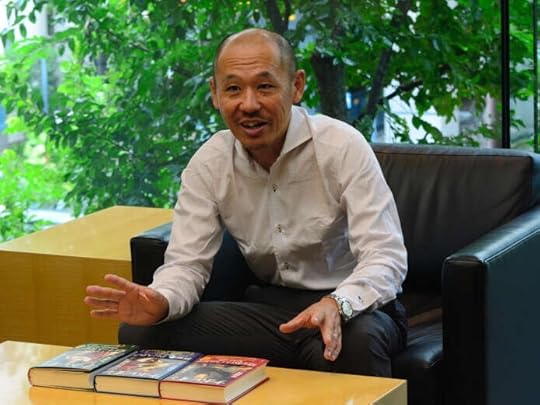
Kenichi Sato is a Japanese novelist. He is was born in Tsuruoka City and currently lives there. He graduated from the Faculty of Education, Yamagata University and completed a master's course in western history at the Graduate School of Letters, Tohoku University and got his doctoral degree in French Literature. He has written many historical novels, whilst based on his historical facts, they are known for their bizarre stories and rich character descriptions. He is the recipient of several prestigious awards.
121-2. 1999 Natsuo Kirino b. 7 October 1951
柔らかな頬 Yawaraka Na Hoho (lit. Soft Cheeks)
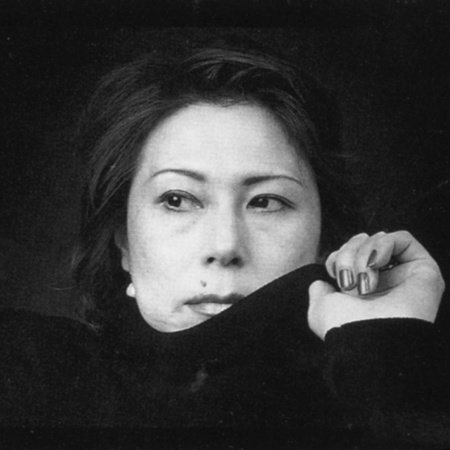
Natsuo Kirino (桐野 夏生), born in Kanazawa, Ishikawa Prefecture is the pen name of Mariko Hashioka, a Japanese novelist and a leading figure in the recent boom of female writers of Japanese detective fiction. She has lived in many different cities, including her current residence, Tokyo. She married in 1975 and had a daughter in 1981. She earned a law degree in 1974 from Seikei University, and she dabbled in many fields of work before settling on being a writer. Kirino began her writing career in 1984 when she first started off composing novels in the romantic genre. However, these types of novels were not popular in Japan, so she found it difficult to make a living. She then turned her focus towards writing mystery novels in the early 1990s. To date she has written several short story collections and many novels and is now one of Japan's most popular writers.
122. 1999 Rei Nakanishi 2 September 1938–23 December 2020, aged 82
Nagasaki Burabura Bushi (長崎ぶらぶら節, lit. Ballad of a Nagasaki Stroll)
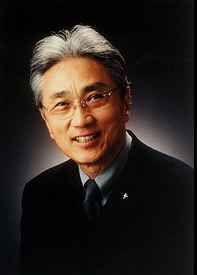
Rei Nakanishi (なかにし 礼) was a Japanese novelist and songwriter. He won the 122nd Naoki Prize. Nakanishi was born Reizō Nakanishi (中西 禮三) in Mudanjiang, Manchukuo. He graduated from Kudan High School in Tokyo and received a degree in French literature from Rikkyo University. He lived in Zushi, Kanagawa. He first worked on translations of French chanson songs, but while on honeymoon he made the acquaintance of Yujiro Ishihara and became a Japanese popular song (kayōkyoku) writer. He is one of the main lyricists in the world of post-WW2 kayōkyoku. He gave the world an extensive collection of works—songs such as "Kyou de owakare" and "Kita sakaba" which became big hits, but also a large proportion of unusual songs. In 1969, his total sales exceeded 10 million records. He has displayed talent in many fields, including concert and stage production, movie performance, singing, composing, translation, novel and essay writing, and cultural broadcasting (as a personality on "Sei! Yangu!" and as a regular on NHK's "N-kyō"). However, behind his showy life, he suffered from difficulties such as heart disease, divorce, and having to repay his elder brother's extensive debts. From those personal experiences came novels such as Kyōdai and Sakura no densetsu. He was a pacifist and desired reconciliation with China and Korea, and this shows in his writing style and speech. He gave up lyric writing at the end of the Shōwa era and concentrated on opera production and performance and novel and essay writing. Kyōdai was nominated in 1998 for the 119th Naoki Prize. Nagasaki burabura-setsu won the 122nd Naoki Prize in 2000. He also served as a commentator on the Japanese "wide show" Wide! Scramble! on the Asahi Television Network. Nakanishi died in Tokyo on 23 December 2020 at the age of 82 after suffering a heart attack.
123-1. 2000 Yoichi Funado 8 February 1944– 22 April 2015
Niji no Tani no Gogatsu (虹の谷の五月, lit. May in the Valley of the Rainbow)
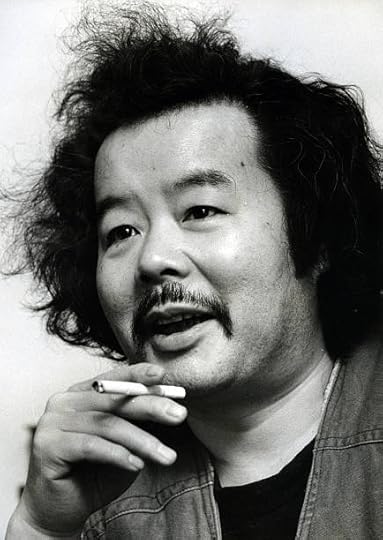
Kenji Harada (原田建司, Harada Kenji, ) better known by his pseudonym Yoichi Funado (船戸与一) was a Japanese writer of adventure fiction. Funado was born as Kenji Harada. During his student days, he traveled to Alaska. He graduated from Waseda University. He wrote approximately 30 stories for the manga series Golgo 13, three of which he later novelised in 2011. He made his debut as an adventure novel writer in 1979. After writing some prize-winning adventure novels, in 2000 he won the Naoki Prize for his novel May in the Valley of the Rainbow. In February 2015, he published the last volume of his 9-volume novel series on the history of Manchukuo. He died of thymic cancer on 22 April 2015 in Suginami, Tokyo.
123-2. 2000 Kazuki Kaneshiro b. 29 October 1968
GO
Kazuki Kaneshiro (金城 一紀) is a Zainichi Korean novelist who was born in Kawaguchi, Saitama. Later in his life he acquired Japanese citizenship. Due to early influence from his Marxist-Leninist father, he studied at the Chongryon-affiliated elementary school and middle school. Afterwards his father switched his affiliation for Mindan, he instead studied at Hozen High School (保善高等学校) in Tokyo Shibuya. He graduated in Law at Keio University. With the strong confusions with Chongryon, Mindan, and Japanese politics he wanted to promote an alternative "Korean-Japanese" (コリアン・ジャパニーズ) identity to overcome social obstacles, but later he abandoned this concept.
124-1. 2000 Kiyoshi Shigematsu b. 6 March 1963
Bitamin F (ビタミンF, lit. Vitamin F)
Kiyoshi Shigematsu (重松 清) is a contemporary Japanese writer. He is one of the best-selling authors in Japan, and the major theme of his novels is family. His most notable works include Naifu (ナイフ) (1997), Eiji (エイジ) (1999) and Bitamin F (ビタミンF) (2000). His works in other genres - including journals, editorials and critical reviews - are highly commended. He also works in novelising screenplays. Born in Kume, Okayama Prefecture in Japan, he spent most of his youth in Yamaguchi Prefecture. After he has graduated from Yamaguchi Senior High School in 1981, he went to Tokyo at the age of 18. His life has changed during his years studying in Waseda University School of Education. Since his 3rd year of study, he worked on the editorial staff of Waseda University's literary journal, Waseda bungaku. At that time, Kenji Nakagami was the mentor of the editorial department. He once mentioned that his works showed the influence of Nakagami. In fact, he seldom read any books until he became the editorial staff of the journal, and thus he could barely join in the members' conversation, so he memorised the names of the writers and titles of the novels they mentioned, and searched in libraries and book stores afterwards. He spent most of his money he got from his scholarship on books, reading as much as he could. After graduating from Waseda University, he worked for Kadokawa Shoten as an editorial writer. He later worked as a freelance writer using over 20 pen names, including Akira Tamura (田村 章 Tamura Akira) and Koshir Okada (岡田 幸四郎 Okada Kōshirō), when he novelised dramas and films, wrote for magazines and sometimes took on ghostwriting works. In 1991, Shigematsu debuted as an author with his first novel, Bifoa Ran (Before Run). He distinguished himself as a young adult writer, focusing on themes including bullying, juvenile crime and domestic problems. He suffered from a speech disorder known as stammering or stuttering when he was young, and he could hardly pronounce words starting with the sound "k", which made him struggled a lot when pronouncing his own name, Kiyoshi. He projected his own experience in his novel Kiyoshiko. In 2007 he wrote the lyrics for the theme song, Meguriai, for the 74th The Nationwide Contest of Music sponsored by NHK (secondary division).
2000 (124-2) - 2003124-2. 2000 Fumio Yamamoto 13 November 1962 – 13 October 2021, aged 58
プラナリア Puranaria , lit. Planaria

Fumio Yamamoto was a Japanese author. She was born in Yokohama, as Akemi Omura, and graduated from Yokohama-Seiryo Senior High School and the department of economics at Kanagawa University. She won the 1999 Eiji Yoshikawa Prize for New Authors for Loveholic. Her novel Planaria was awarded the Naoki Prize. She died on 13 October 2021 of pancreatic cancer in Karuizawa, Nagano, aged 58.
125. 2001 Yoshinaga Fujita 12 April 1950 - 30 January 2020, aged 70
Ai no Ryōbun (愛の領分, lit. Territory of Love)
Yoshinaga Fujita (藤田 宜永) was a Japanese novelist and screenwriter. He was the 125th recipient of the Naoki Prize in 2001, and was married to fellow Naoki Prize winning novelist Mariko Koike from 1984 until his death in 2020. Born 1950, Yoshinaga Fujita dropped out of university and moved to Paris with a French woman in 1973. When he landed he found a job with the air carrier French Air, and worked as a translator on the side. In 1984 he married Naoki Prize-winning novelist Mariko Koike. Encouraged by the author and literary critic, Kiyoshi Kasai, and one would think Mariko, his wife who is also a writer, Fujita made his debut as an author in 1986 with Yabō no rabirinsu (Labyrinth of Ambition), a whodunit set in Paris. in 1994 his novel Kōtetsu no kishi (Knight of Steel) won the Mystery Writers of Japan Award and a special award from the Japan Adventure Fiction Association. in 2017 he was awarded the Yoshikawa Eiji Prize for Literature for the collection of short stories Ōyuki monogatari (The Big Snow).
126-1. 2001 Ichiriki Yamamoto b. 18 February 1948
Akanezora (あかね空, lit. A Deep-Red Sky)
Ichiriki Yamamoto (real name: Kenichi Yamamoto) is a Japanese novelist. He was born in Kochi City , Kochi Prefecture. He graduated from Tokyo Metropolitan Setagaya Technical High School Electronics Department. He is a member of the Japan Pen Club. Born in Kochi City. He graduated from Kochi Municipal Koyo Elementary School. His birthplace was a large landowner in Kochi City, but he fell into ruin and moved to Tokyo at the age of 14. After changing jobs more than a dozen times, including at a telecommunications equipment export company, a major travel agency (Kinki Nippon Tourist), and a copywriter, he made his debut in 1997 with Soryu, which won the 77th All Yomimono Newcomer Award. In 2002, he won the 126th Naoki Sanjugo Award for Akane Sora. In 2002, he met Eriko, who would become his current wife, and persuaded him to become a model for writing novels, and after six months married for the third time. Due to inheritance troubles in his wife's parents' house, her relatives were ordered to pay 1.7 billion yen, but it was offset by selling the land. After that, the company he established to supplement his payment during the bubble era has a debt of 200 million yen due to business failure. He published his novel at the age of 49, triggered by the debt repayment and marriage. He is a bicycle enthusiast and his family takes their bicycles when they goes out. He also made headlines when he and his family cycled to the Naoki Prize-winning press conference. He also works as a television commentator. The pseudonym "Ichiriki" was one step away from winning an award when he started writing, and his wife told him that his name might be bad. It is said that this name was given because the balance of one stroke and two strokes matched the surname Yamamoto.
126-2. 2001 Kei Yuikawa b. 1 February 1955
肩ごしの恋人 Katagoshi no koibito , lit. Over-the-Shoulder Lover
Kei Yuikawa is a Japanese novelist. Her real name is Yasuko Miyatake. Born in Sakuramachi, Kanazawa City, Ishikawa Prefecture, after attending Kanazawa Municipal Kenroku Junior High School and Ishikawa Prefectural Kanazawa Nishikigaoka High School, graduated from Kanazawa Women's Junior College (Kanazawa Gakuin Junior College). After that she got a job at a local bank, and since her junior college major was information processing, she was assigned to the computer room, and she experienced a 10-year office worker life. From the age of 25 or 26, she took various lessons, but none of them lasted long, and she decided to write a novel based on her diary that she kept. In 1984, at the age of 29, she won the Shueisha 3rd Cobalt Novel Grand Prize with "Sea Colour Afternoon" and made her debut as a writer. In 1997, she received high praise from book critics for the horror-like "Vertigo" and the suspense novel "Setsuna ni Natte Setsu Naku". After publishing a number of romance novels, in 2001, at the age of 46, she won the 126th Naoki Prize for "Lovers Over Shoulder". At the age of 45, she married and started raising St. Bernard dogs, and in 2004, at the age of 48, she moved from Tokyo to Karuizawa. From around the age of 48, the desire to "follow the life of a woman" became stronger, and "Junko's Top" is a full-length novel modelled after Junko Tabei . By the way, "Junko's Top" is Yuikawa's first work modeled after a real person.
127. 2002 Yūzaburō Otokawa b. 17 February 1953
Ikiru (生きる, lit. To Live)
Yuzaburo Otokawa is a Japanese novelist. His real name is Yutaka Shimada. Born in Tokyo, and immediately after birth, he moved to Chiba Prefecture. He graduated from Chiba Prefectural Konodai High School After graduating from a vocational school in the hotel and tourism industry, worked at hotels in Japan and overseas. After running a company and subcontracting machine translation, he became a writer. There is an anecdote that during this time, he started writing novels because a novel he wrote in a drunken mood was selected for the final selection. He wrote many period novels , and wrote his first modern novel in "Spine Mountains". He lists Shugoro Yamamoto as his favourite writer. In 2001, he won the Yamamoto Shugoro Award named after Shugoro for " Gonen no Ume ", and the following year he received the Naoki Sanjugo Prize for "Ikiru", which Shugoro declined.
128. 2002 No prize awarded.
129-1. 2003 Ira Ishida b. 8 March 1960
4TEEN フォーティーン, Fōtīn)
[image error]
Ira Ishida (石田 衣良) is a Japanese novelist and TV commentator. After graduating from Seikei University, he worked for a number of different advertising production companies and as a freelance copywriter. In 1997, he published his first short story collection, Ikebukuro West Gate Park, which won the 36th All Yomimono New Mystery Writer's Prize. In 2003, he won the Naoki Prize for 4teen. His novels describe the culture of young people in Japan, particularly young women and otaku without a college education. Many of his works have been adapted for manga and television. As an actor, he made his first appearance in a leading role in the 2006 film Love My Life. Ishida's pen name, Ishida Ira, was derived by splitting his real family name Ishidaira.
129-2. 2003 Yuka Murayama b. 10 July 1964
Voyage to the Stars (星々の舟, Hoshiboshi no Fune, lit. Ship of Stars)
Yuka Murayama (村山由佳) is a Tokyo-born modern Japanese writer. She graduated from Rikkyo University and majored in Japanese literature. Before becoming a writer she worked at as a real-estate agent and a teacher at a cram school. In 1987, her first novel, Angel Egg, won the Subaru award in Japan. After garnering the prize, she produced many other novels: Wild Winds, Bad Kids, Delicious Coffee Series, among others. Angel Egg was adapted to film in 2006 as The Angel's Egg, directed by Shin Togashi. Yuka Murayama lives in Chiba Prefecture near Tokyo. An energetic and bright woman, she not only enjoys writing novels but her other hobbies: horseback riding, growing vegetables, and travelling. Her novels have a purity of feeling which is rich in the details of our common experiences.
130-1. 2003 Kaori Ekuni b. 21 March 1964
号泣する準備はできていた Gōkyūsuru junbi wa dekite ita , lit. Preparations for Crying Have Been Made)
Kaori Ekuni (江國 香織) is a Japanese author. She was born in Setagaya, Tokyo. Her father is Japanese haiku poet and essayist, Shigeru Ekuni. In Japan, she was dubbed the female Murakami. Her numerous works of fiction have been translated into several different languages and published in many different countries, including her novel Twinkle Twinkle, which has been translated into English. From 2004 to 2008 her books were continuously in Korea's top 50 bestsellers list. Twinkle Twinkle was a bestseller in 1991.
130-2. 2003 Natsuhiko Kyogoku b. 26 March 1963
Requiem from the Darkness (後巷説百物語 Nochino Kōsetsu Hyaku Monogatari , lit. Further Gossip Hundred Tales)
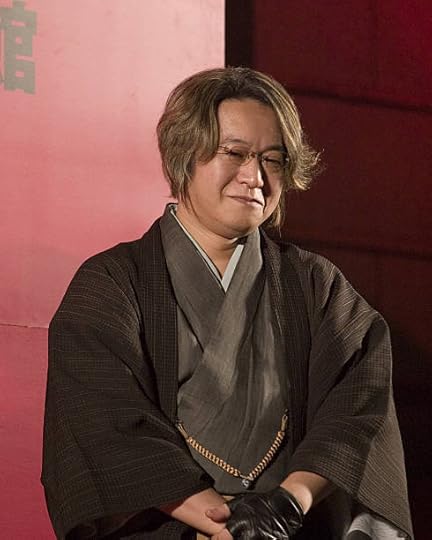
Natsuhiko Kyogoku (京極 夏彦) is a Japanese mystery writer, who is a member of Ōsawa Office. He is a member of the Mystery Writers of Japan and the Honkaku Mystery Writers Club of Japan. Three of his novels have been turned into feature films; Mōryō no Hako, which won the 1996 Mystery Writers of Japan Award, was also made into an anime television series, as was Kosetsu Hyaku Monogatari, and his book Loups=Garous was adapted into an anime feature film. Vertical have published his debut novel as The Summer of the Ubume. Kyogoku was born in Otaru, Hokkaido. After dropping out of Kuwasawa Design School, he worked as a publicity agent and established a design company. In 1994, Kodansha published his first novel The Summer of the Ubume (姑獲鳥の夏, Ubume no Natsu). He has since written many novels, and received two Japanese literary prizes; Kyogoku won the 16th Yamamoto Shūgorō Prize for Nozoki Koheiji (覘き小平次) in 2003, and won the 130th Naoki Prize for Nochi no Kōsetsu Hyaku Monogatari (後巷説百物語) in 2004. Most of his works are concerned with yōkai, creatures from Japanese folklore; he describes himself as a yōkai researcher. This preference was strongly influenced by Shigeru Mizuki (水木しげる), who is an eminent yokai specialist. Kyogoku participates in Mizuki's World Yōkai Association and is a member of the Kanto Mizuki Association and the Research Institute of Mysterious and Marvelous East Asian phenomena. Kyogoku considers yōkai folklore to be a form of sublimation and applied this idea to his novels. His works are often advertised as yōkai novels by the publisher, and their covers reflect this. Nevertheless, in his writing, yōkai themselves don't appear, except as fables, which serve to explicate the criminal characters' motives. For example, in The Summer of the Ubume, ubume is introduced as part of a ghostly expectant mother folklore, considered to be an expression of hate. However, ubume doesn't actually appear until the end.
2004 - 2006131-1. 2004 Hideo Okuda b. 23 October 1959
Trapeze (空中ブランコ, Kūchū Buranko)
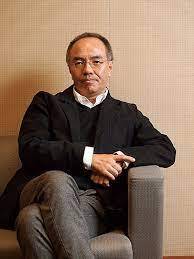
Hideo Okuda (奥田 英朗) appeared on the Japanese literary scene like a bolt out of the blue. Unlike most contemporary writers in Japan, he made his way into print without first winning a new writer’s contest, and quickly established his popularity across a broad spectrum of genres, from crime novels to comedy, fantasy, and workplace fiction. After completing high school, he worked variously as a planner, copywriter, and production writer before bringing out his first work of fiction in 1997, the fantasy novel Uranbāna no mori (Ullambana Forest). A pair of highly realistic crime novels in 2002—Jama (Interference), which won the Haruhiko Ōyabu Award, and Saiaku (Worst Case), short-listed for the Naoki Prize—cemented his reputation, and in 2004 he garnered the Naoki for the story collection Kūchū buranko (The Flying Trapeze). He went on to win the Yoshikawa Eiji Prize for Literature in 2009 for the novel Orinpikku no minoshirokin (Olympic Ransom). Among his other titles are the novels Sausubaundo (Southbound), Uwasa no onna (The Woman on Everybody’s Lips), and Naomi to Kanoko (Naomi and Kanoko); and the story collections Iebiyori (Perfect Day at Home; 2007 Shibata Renzaburō Award) and Wagaya no himitsu (Family Secrets). Translations of his works have especially struck a chord with Korean and Chinese readers.
131-2. 2004 Tatsuya Kumagai b. 25 April 1958
邂逅の森 Kaikō no mori , lit. Forest of the Chance Meeting)
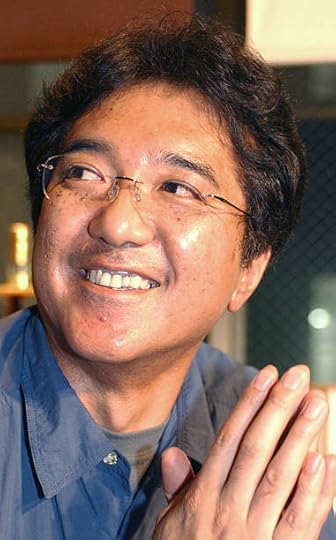
Tatsuya Kumagai (熊谷達也) is a Japanese novelist. He graduated from Sanuma High School in Miyagi Prefecture and the Department of Mathematics, Faculty of Science and Technology, Tokyo Denki University. After graduating, he worked as a public junior high school mathematics teacher at Kesennuma Junior High School in Saitama Prefecture and Miyagi Prefecture for 8 years. Afterwards, he returned to Miyagi Prefecture, worked as an insurance agent, and made his debut as a writer in 1997 with Uenkamuy no Tsume. He lives in Sendai City at the time of the 2011 earthquake and as of 2013. In 2004, he won both the Yamamoto Shugoro Award and the Naoki Award for the second installment of the Matagi trilogy, Encounter Forest , which began with Sangoku no Mori and ended with Hyoketsu no Mori. He is known for his style rooted in the folklore, culture, and climate of the Tohoku region and Hokkaido , such as "Araezo" and "Mukaebi no Yama ." In his private life, he is known to love foreign-made motorcycles. In addition to literature, he also has a side as a musician, such as playing the guitar in a rock band called K'z.
132. 2004 Mitsuyo Kakuta b. 8 March 1967
対岸の彼女 Taigan no kanojo (lit. The Woman on the Opposite Shore)
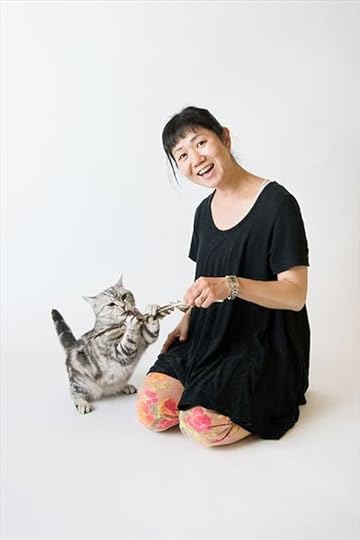
Mitsuyo Kakuta (角田 光代) is a Japanese author born in Yokohama. She made her debut while still a student at Waseda University's Faculty of Literature, with Kōfuku na yūgi (A Blissful Pastime). It won her the Kaien Prize for New Writers in 1990. After producing two well-received novels in 2002, Ekonomikaru paresu (Economical Palace) and Kūchū teien (Hanging Garden), she went on to win the Noma Literary New Face Prize and the Naoki Prize for Woman on the Other Shore in 2004. The Eighth Day, translated into English in 2010, received the 2007 Chūō Kōron Literary Prize and has been made into a television drama series and a film. Both her 2012 books – her novel Kami no tsuki and her short-story volume Kanata no ko (The Children Beyond) – were prizewinners. Altogether she has written over 80 works of fiction. She is married to fellow writer Takami Itō. She stated in a 2015 interview that she is translating the 11th-c. classic The Tale of Genji by Murasaki Shikibu into modern Japanese and this was likely to take her 3 years. The first 2 volumes have been published.
133. 2005 Minato Shukawa b. 7 January 1963
花まんま Hana manma (lit. As a Flower)
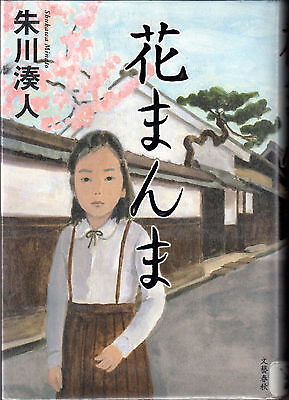
Minato Shukawa is a Japanese novelist from Osaka. After his parents divorced when he was 5, he lived with his father and two older brothers, and moved to Adachi Ward when he was 9. He graduated from Keio University Faculty of Letters. When he was in elementary school, he read Ranpo Edogawa and the Sherlock Holmes series, but when he became a junior high school student, he admired Osamu Dazai and started writing works imitating Dazai. And when she was in her third year of high school, she applied for the broadcasting station's public literary award and was selected for an honourable mention, aspiring to be a novelist. During his college days, he applied for newcomer awards, but after graduating from college, he got a job at a publishing company that publishes art magazines. However, he could not give up on his dream and left the company at the age of 27. He got married and had a daughter and a son. His wife worked as a civil servant and he continued to write novels at home. However, when he changed his style and wrote a horror work defiantly, he made his debut in 2002 with "Furu Otoko", which won the All Yomimono Mystery Novel Newcomer Award. In 2003, he won the Japan Horror Novel Award Short Story Award for "Shiroi Heya de Tsuki no Uta". In 2005, at the age of 42, he won the Naoki Prize for Hanamanma. In 2006, inspired by his love of special effects and anime, he worked on the script for the 32nd episode of Ultraman Mebius, "Kaijutsukai no Inheritance" and two other scripts.
134. 2005 Keigo Higashino b. 4 February 1958
The Devotion of Suspect X(容疑者Xの献身, Yōgisha X no Kenshin)
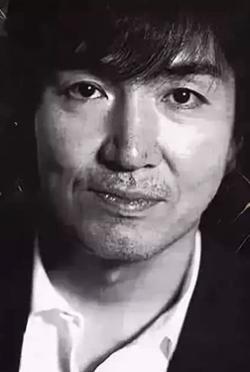
Higashino Keigo (東野 圭吾) was born in Osaka, Japan into a poor family with two elder siblings, parents running a small grocery. He’s built up his interest in reading when he was studying in the Osaka Prefecture University, and this was the start of his writing journey. Given that he finished his Bachelor of Electrical Engineering and worked as an engineer before his full-time writing career, it is no surprise that physics knowledge and strict logic becomes the signature of Higashino style. 1981, Higashino started to write fiction after work, aiming the annual Edogawa Rampo Prize (a literary award for unpublished mystery fictions). He finally won the Edogawa Rampo Prize in 1985 with After School, a novel set up in high school background. This became the turning point when the 27-year-old engineer decided to quit his job to devote his entire time into writing crime fiction. In 1999, Higashino won the Mystery Writers of Japan Award with the work Naoko; gradually making his path to professional author. 2006, he grabbed the attention of the whole entire Japanese literature with The Devotion of Suspect X. That year, Suspect X won the Naoki Prize, the 6th Mystery ga sugoi! and Honkaku Mystery best 10 at the same time. His achievement was first recognized internationally when Suspect X was translated into English for the nomination for Berry Award and Edgar Award in 2012. After that, Higashino came to the eye of the public. Most of his works have an adaptation of comics or TV drama. Recently, his work kept being adapted into movies, examples including Detective Galileo: Devotion of Suspect X, Detective Galileo: The Midsummer Equation, Journey Under the Midnight Sun, Platinum Data, and Witch of Laplace. 2009 to 2013, Higashino took up the post of president of Mystery Writers of Japan. The influence and achievement of Higashino Keigo towards the Japanese mystery literature are enough said.
135-1. 2006 Shion Miura b. 23 September 1976
まほろ駅前多田便利軒 Mahoro ekimae Tada Benriken , (lit. The Convenience Shop Just Before Mahoro Station)
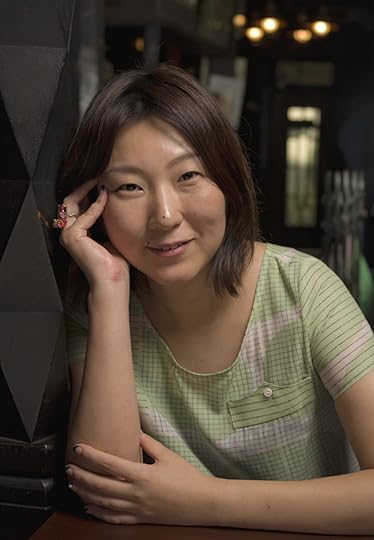
Shion Miura (三浦 しをん) is a Japanese writer. She has won the Naoki Prize, the Oda Sakunosuke Prize, and the Japan Booksellers' Award. Her work has been adapted for film and television, and her books have been translated into Indonesian, Chinese, Korean, Vietnamese, English, German and Italian. Miura was born in Tokyo, Japan in 1976. While attending university she planned to become an editor, but she was signed by a literary agent and started her writing career. She graduated from Waseda University. A year after graduating from Waseda, Miura published her first novel, Kakuto suru mono ni maru (A Passing Grade for Those Who Fight). She won the 135th Naoki Prize in 2006 for her book Mahoro ekimae Tada benriken. The novel and its sequels have been adapted into a series of movies by Tatsushi Ōmori, a TV Tokyo television show, and a manga series. Her novel Kaze ga tsuyoku fuiteiru (Run with the Wind), about 2 former elite runners who inspire each other to take up running again, was published in 2006 and later adapted into a 2009 live-action film and a 2018 animated series. In 2008 her novel Hikari (Light), a story about rape, murder, and consequences over time, was published and adapted into a 2017 suspense film directed by Tatsushi Ōmori. Miura's novel Fune wo amu (Compiling the Boat), about a 15 year effort to create a new dictionary called The Great Passage, was published by Kobunsha in 2011. In 2012 Fune wo amu won the Japan Booksellers' Award. A 2013 film adaptation of Fune wo amu, directed by Yuya Ishii, won several Japan Academy Prizes, including Best Picture. In 2016 Fuji TV adapted the novel into an anime series, also called Fune wo amu. An English version translated by Juliet Winters Carpenter, was published in 2017 as The Great Passage, which Kris Kosaka of The Japan Times described as "stylistically adept, with the shift in narratives smoothly connecting as characters’ stories overlap through time and space." In 2015 Miura's novel Ano ie ni kurasu yonin no onna, a story that loosely follows the setting and themes of Jun'ichirō Tanizaki's work The Makioka Sisters, won the 32nd Oda Sakunosuke Prize. She is a fan of BL manga, and a collection of her essays on yaoi was published under the title Shumi ja nainda (It's Not Just a Hobby) in 2006.
135-2. 2006 Eto Mori b. 8 April 1968
風に舞いあがるビニールシート Kaze ni maiagaru binīru shīto (lit. A Vinyl Sheet Dancing in the Wind)
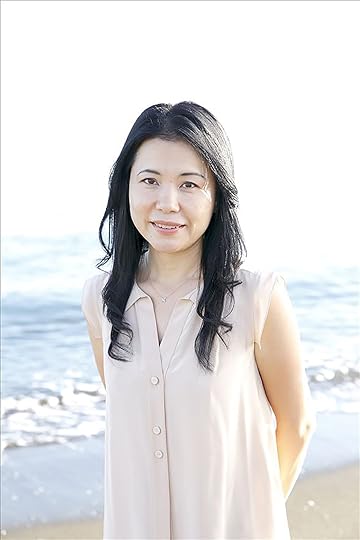
Eto Mori (森絵都) is a Japanese novelist focusing on children's and young adult literature. She has been described as "one of the most celebrated female writers of fiction in Japan today". Born in Tokyo, she graduated from the Japan Juvenile Education College and Waseda University, released her debut novel, Rizumu (Rhythm), in 1990, and won the Kodansha Award of Children's Literature for Newcomers. Other works include Uchu no minashigo (Slight Light Little Star or Orphans of the Universe, 1994, winner of the Noma Literary Prize New Author Award), Tsuki no fune (Moon Ship, 1998, winner of the Noma Literary Prize). Her 1998 novel Karafuru (Colorful, winner of the Sankei Children's Book Award) has been adapted into 3 films. Her 4-volume series Daibu!! (Dive!!, 2000–2002, winner of the Shogakukan Award for Children's Literature) has been adapted into a manga series, a feature film and a TV anime series.
136. 2006 No prize awarded
2007 - 2009137. 2007 Kesako Matsui b. 28 September 1953
吉原手引草 Yoshiwara Tebikigusa , lit. The Mysteries of Yoshiwara
Kesako Matsui (松井今朝子) is a Japanese novelist, screenwriter, director, and critic. Born in Gion, Kyoto, she graduated from Waseda University 's Department of Drama, Faculty of Letters, Graduate School of Letters, and Department of Theatre Studies. She is involved in the planning and production of Kabuki. After retiring from Shochiku, she went freelancer, studying under Tetsuji Takechi and working on dramatisation, direction, and criticism of Kabuki. In 1997, she made her debut as a novelist with Tosu Sharakusashi. In the same year, she won the 8th Jidai Novel Award for "Nakazo Kyouran". This was televised in 2000, starring Danjuro Ichikawa and Shinnosuke. She supports the system of selective surnames for married couples . 'If you have a miserable family that would collapse just by changing your surname, it would be better to break up immediately.'
138. 2007 Kazuki Sakuraba b. 26 July 1971
私の男 Watashi no otoko , lit. My Man
Kazuki Sakuraba (桜庭 一樹) is a Japanese novelist, author of novels and light novels, and winner of the Naoki Prize. She began with novels, but the hit detective series Gosick led her to work with several light novel publishers, and her book A Lollypop or a Bullet took third place in Kono Light 's 2006 ranking. Novel ga Sugoi. The book proved so popular that it was republished by Kadokawa as a mainstream novel. In recent years, she has published several novels with other traditional publishers, making her one of the few light novelists to take this step. In 2007, his book 赤朽葉家の伝説 was nominated for the Naoki Prize . In 2008, she was nominated for the second time for Watashi no Otoko and won. Royalties from the first edition of GOSICK VII are donated to the Japanese Red Cross to help victims of the 2011 Tōhoku Pacific Coast earthquake.
139. 2008 Areno Inoue b. 4 February 1961
Kiriha e (切羽へ, lit. To Face)
Areno Inoue is a Japanese novelist from Tokyo. Born as the eldest daughter of novelist Mitsuharu Inoue. After attending Chofu Municipal Third Junior High School and Tamagawa Gakuen High School, she graduated from Seikei University's Department of English and American Literature . After graduating, she worked at Shogakukan's modern literature editorial department for 3 years. In 1989, she won the 1st Femina Award (according to Gakushu Kenkyusha Quarterly Femina) for "My Nureyev", but after that she became unable to write novels due to poor health. She used to translate picture books, then revived in 2001 with Mou Kiriwa. In 2004 , she won the 11th Shimasei, and in 2008, she won the 139th Naoki Prize for Kiriwa e. In 201 , she won the 6th Central Public Paper Arts Award for "Don't go there". In 2016, she won the 29th Renzaburo Shibata Award for "Aka e". In 2018, she won the 35th Oda Sakunosuke Award for "Let's stop talking about that today". Her biological father, Mitsuharu, had an affair with Jakucho Setouchi, a nun and writer, with whom Inoue had a long friendship. In 2012, she married a second-hand bookshop owner and they live at the foot of Mt. Yatsugatake.
140-1. 2008 Arata Tendō b. 8 May 1960
The Mourner Itamu Hito (悼む人)
Arata Tendō (天童荒太), is the pen name of Noriyuki Kurita, a Japanese writer born in Matsuyama in Ehime Prefecture. He worked as a screenwriter for TV and cinema before embarking on writing and has published five novels in which he mixes suspense, mystery and metaphysical questions. He won numerous awards, including the Naoki Prize in 2008 and the Japanese Booksellers' Grand Prize in 2009 for The Mourner (Itamu Ito 悼む人), a novel in which the main character, Shizuto, a 32-year-old bachelor years, left his work and family (parents and sister) to travel around Japan, backpacking, in order to meditate on the places where a human being has experienced a violent death. His motivations remain in the shadows since the narration describes him using the angle of observation of his relatives, a journalist or strangers that the hero meets during his journey.
140-2. 2008 Ken'ichi Yamamoto 23 July 1956-13 February 2014, aged 57
利休にたずねよ Rikyū ni tazuneyo , lit. Go Ask Rikyū
Kenichi Yamamoto (山本兼一) was a Japanese novelist. He graduated from Kyoto Municipal Murasakino High School and majored in Aesthetics and Arts, Department of Culture, Faculty of Letters, Doshisha University. Born in Kyoto as the eldest son of Yuzu Yamamoto (Professor Emeritus of Otani University), a scholar of Japanese literature who specialises in Basho Matsuo. His ancestors have been priests of Shinshu temples Niigata Prefecture for generations. He made his debut as a writer after working for a publishing company, an editorial production company, and a freelance writer. In October 2012, he was hospitalised once for lung adenocarcinoma. In mid-December 2013, his condition worsened and he was readmitted to the hospital, where he continued to write. He died on February 13, 2014 at 3:42 am at a hospital in Kyoto from primary left upper lobe lung adenocarcinoma at the age of 57. "Heian Rakudo", which was serialised in the magazine "Chuokoron" from the November 2013 issue, was his final work. It was the day before his death, about 5 1/2 hours before he died, that he sent the 6th and final volume to the editor.
141. 2009 Kaoru Kitamura b. 28 December 1949
鷺と雪 Sagi to Yuki , lit. Herons and Snow
Kaoru Kitamura (北村 薫) is the pen name of Kazuo Miyamoto (宮本 和男), a popular contemporary Japanese writer, mainly of short stories. Kitamura was born in the town of Sugito in Saitama Prefecture. He studied literature at Waseda University in Tokyo, and was a member of the Waseda Mystery Club while a student there. However, after graduating from Waseda in 1972, he returned to Saitama to become a language teacher at Kasukabe High School, his alma mater. He began his fiction writing career only after teaching for almost twenty years, and stopped teaching in 1993 to devote himself completely to writing once established as an author. He made his writing debut using a pen name. Initially, because the unnamed first-person protagonist of his early works was a female college student, and the name Kaoru is gender ambiguous, it was widely speculated that Kitamura was female. This speculation persisted until he revealed his identity upon accepting the Mystery Writers of Japan Award in 1991. Kitamura is known as a writer of mysteries, and rather than the detective and crime stories of traditional mystery, his work mainly focuses on the logical resolution of more "ordinary" puzzles and questions encountered in everyday life. He is considered a pioneer of this style of mystery in Japan, called "everyday mystery" (日常の謎, nichijō no nazo), which has since been taken up by many other writers. He made his literary debut in 1989, with the publication of Soratobu Uma (空飛ぶ馬, "Flying Horse"), and has been writing prolifically since then. He won the 44th Mystery Writers of Japan Award in 1991 for Yoru no Semi (夜の蝉, "Night Locusts"), the 6th Honkaku Mystery Award in 2006 for Nippon Kōka no Nazo (ニッポン硬貨の謎, "Japanese Coin Mystery"), and the 2006 Baka-Misu Award for the same work. In 2009, after repeated previous nominations, he won the prestigious Naoki Prize (the 141st) for Sagi to Yuki (鷺と雪, "Herons and Snow"). His works have been adapted for film, television, and manga.
142-1. 2009 Jō Sasaki/Joh Sasaki b. 16 March 1950
廃墟に乞う, lit. An Invitation to the Ruins
[image error]
Joh Sasaki (佐々木 譲, Sasaki Jō) is a Japanese writer and journalist; chiefly known for his historical fiction and mystery novels. Joh Sasaki was born in Yubari, Hokkaido, Japan. He spent his early youth in Nakashibetsu City and later ventured to Sapporo where Sasaki attended Tsukisamu High School. He released his first novel, Tekkihei, tonda (鉄騎兵、跳んだ), in 1979. He quickly established himself as a writer after winning the All Yomimono New Writers Prize for Tekkihei, tonda which was also later adapted for the big screen. Today Sasaki is known as a household author with numerous works in genres stretching from historical fiction, young adult fiction to police crime fiction, and even various TV Crime Drama adaptations. In 2009, he won the Naoki Prize and also holds many other literary awards. These days Sasaki is actively developing his stories for the stage in addition to directing a Children's e-picture book project called Joh's Picture Book Project. He is well known in Japan as a social entertainment writer.[citation needed] In his novel ja:真夜中の遠い彼方 Mayonaka no tooi kanata (later re-titled to ja:新宿のありふれた夜 Shinjuku no arifureta yoru), he depicts the underground lifestyles of the Japanese mafia, boat people, and illegal alien workers. In ja:夜にその名を呼べば Yoru ni sono na o yobeba, Sasaki portrays a chilling Cold War scene in a mystery set in Otaru, Hokkaido and Berlin, Germany. His police mystery thriller, ja:歌う警官 Utau keikan (later re-titled to ja:笑う警官 Warau keikan) was adapted for the big screen and provides an early setting for his later internationally acclaimed roman-fleuve novel ja:警官の血 Keikan no chi which was eventually adapted for television. Sasaki's ja:ベルリン飛行指令 Berlin hikō shimei (English title: Zero Over Berlin) garnered critical acclaim for telling a WW2 story from the 'other side' about a fly-by-night mission involving a Type Zero Fighter (Mitsubishi A6M Zero) secretly making its way from Japan all the way to Berlin at the request of the Luftwaffe. Zero Over Berlin is presently Sasaki's only novel translated into English.
142-2. 2009 Kazufumi Shiraishi
ほかならぬ人へ Hokanaranu hito e
Kazufumi Shiraishi (白石 一文) is a Japanese novelist, son of novelist Ichirō Shiraishi. The two are the only father-son pair to have both received the Naoki Prize, the father on his 8th nomination after numerous disappointments and the son on his 2nd, for the 2009 Hokanaranu hito e (To an Incomparable Other). At his prize press conference, the son joked that he had always “hated” the Naoki because of the grief it had put his father through. He debuted in 2000 to great critical acclaim with Isshun no hikari (A Ray of Light). His novel Boku no naka no kowareteinai bubun (The Part of Me That Isn’t Broken Inside), published in 2002, became a national best-seller and is forthcoming in translation from Dalkey Archive Press, who is also publishing Shiraishi's 2008 novel, Kono yo no zenbu o tekini mawashite (Me Against the World). In addition to winning the Naoki, Shiraishi has also won the Yamamoto Shūgorō Prize for his 2009 novel, Kono mune ni fukabuka to tsukisasaru ya o nuke (Remove That Arrow from Deep in My Heart). He is a member of Red Circle Authors. His first job out of college was as an editor and magazine reporter at Bungeishunju. He published his first work in 2000, and 3 years later quit his company to become a full-time writer. Shiraishi currently lives in Tokyo with his wife.
2010 - 2013 (149)143. 2010 Kyōko Nakajima b. 23 March 1964
The Little House Chiisai O'uchi (小さいおうち)
Kyoko Nakajima (中島 京子) is a Japanese writer. She has won the Naoki Prize, Izumi Kyōka Prize for Literature, Shibata Renzaburo Prize, Kawai Hayao Story Prize, and Chuo Koron Literary Prize, and her work has been adapted for film. Kyoko Nakajima was born in Suginami, Tokyo, Japan to parents who worked as university professors and translators of French literature. Her father was a professor at Chuo University, while her mother was a professor at Meiji University. Nakajima attended Tokyo Woman's Christian University. After graduating from university, she worked for several years in publishing as an editor at Ray, Cawaii!, and other lifestyle magazines. In 1996 she quit her job to spend a year in the United States, and upon her return to Japan in 1997 she began a new career as a freelance writer. While Nakajima worked on projects for clients, she was also working on several fiction manuscripts of her own. Her debut novel Futon, which refers to work of the same name by Katai Tayama, was published in 2003 and immediately nominated for the 2003 Noma Literary New Face Prize, but did not win. Around the time that Futon was published, Her father was diagnosed with dementia. For over a decade, until his death in 2013, Nakajima helped care for him while producing her novels and essays. She later drew on this experience to write her 2015 novel Nagai owakare (The Long Goodbye). She followed Futon with two more novels and six short story collections, and in 2009 she received a grant from the University of Iowa Center for Asian and Pacific Studies to support a residency at the International Writing Program. In 2010 her novel Chiisai ouchi (The Little House) received the 143rd Naoki Prize. It was later adapted into the 2014 film Chiisai Ouchi, directed by Yoji Yamada and starring Haru Kuroki. Subsequent work received several more awards. Tsuma ga shiitake datta koro (When My Wife was a Shiitake) won the 42nd Izumi Kyōka Prize for Literature in 2014. Katazuno (One-Horn) won both the 2015 Shibata Renzaburo Prize and the 2015 Kawai Hayao Story Prize, while Nagai owakare (The Long Goodbye) won the 2015 Chuo Koron Literary Prize. In 2017 Darf Publishers acquired the rights to the English translation of Chiisai ouchi. She regularly writes opinion essays on culture and politics for Mainichi Shimbun. In 2017, in response to media coverage of the Me Too movement, she revealed her own experiences with sexual harassment in the publishing industry. She bases many of her settings and characters on her own personal experiences, such as caring for a parent with dementia, as in Nagai owakare, or dealing with a youthful sibling, as in Kirihatake no endan. Ian McCullough MacDonald, one of Nakajima's English translators, describes her writing as "deceptively simple prose."
144-1. 2010 Nobori Kiuchi b. 19 April 1967
漂砂のうたう Hyōsa no utau , lit. The Singing of the Sands
Nobori Kiuchi (木内 昇) is a Japanese writer of historical fiction. She has won the Shibata Renzaburo Prize, the Chūōkōron Literary Prize, and the Naoki Prize. Kiuchi was born in 1967 in Tokyo, Japan. She attended Chuo University, and upon graduation took a publishing job editing various magazines, including the Japanese version of the American teen magazine Sassy. She started her own magazine, then quit the publishing job to work as a freelance writer and editor. Her debut novel Shinsengumi bakumatsu no seiran (新選組幕末の青嵐, Shinsengumi: The Winds of Revolution), set in Kyoto in the late Edo period, was published in 2004. Four years later her book Myōgadani no neko (茗荷谷の猫, A Cat in Myõgodani), a collection of linked stories taking place in Tokyo at different times from the Edo period to the Shōwa period, was published. At the 2nd Waseda University Tsubouchi Shōyō Prize ceremony Yoko Tawada received the Grand Prize, but Kiuchi received the Encouragement Prize for Myōgadani no neko. The next year Kiuchi won the 144th Naoki Prize for her historical novel Hyōsa no utau (漂砂のうたう, Song of Drifting Sands), a story about a samurai and a courtesan in a Nezu red-light district brothel just after the Meiji Restoration. The committee specifically praised Kiuchi's attention to historical detail.
144-2. 2010 Shusuke Michio b. 19 May 1975
月と蟹 Tsuki To Kani , lit. The Moon and Crabs
Michio Shūsuke is a Japanese novelist, author mainly of detective books. Originally from Chiba prefecture and a graduate of Tamagawa University, he stood out in 2004 with his first novel Se no Me (which was later adapted into a TV movie in 2012), published when he was in other employment. He quit his job soon after to devote himself to writing. Often in the running for various literary prizes, he was notably selected five times in a row for the Naoki Prize, which he ended up obtaining with Tsuki to Kani. In 2010, he moved away from his favourite genre to write the romantic television series Tsuki no Koibito . His novel Karasu no Oyayubi was adapted for film in 2012 with Abe Hiroshi in the lead role.
145. 2011 Jun Ikeido b. 16 June 1963
下町ロケット, lit. Shitamachi Rocket
Ikeido Jun was born in Gifu Prefecture. Following his graduation from Keio University, he began working for Mitsubishi Bank in 1988. Following his retirement from the bank in 1995, he began working as a consultant and wrote a number of busine蜩ノ記 Higurashi no ki ss related books and supervised software for accountants. In 1998, he won the 44th Edogawa Ranpo Award for "Hatsuru Sukonaki" and made his writing debut. In 2010, he won the 31st Eiji Yoshikawa Literature New Face Award for "Tetsu no Hone". In 2011, he won the 145th Naoki Prize for "Shitamachi Rocket".
146. 2011 Rin Hamuro (葉室麟) 25 January 1951-23 December 2017, aged 66
蜩ノ記 Higurashi no ki
Wordsmiths: Authors (from left) Rin Hamuro, Shinya Tanaka and To Enjo hold copies of their works during a ceremony in Tokyo on Jan. 17. Enjo and Tanaka were awarded the Akutagawa Prize and Hamuro won the Naoki Prize. | KYODO
Hamuro Rin was a Japanese novelist . His real name was Yuji Motohata. Graduated from Fukuoka Prefectural Meizen High School and from Seinan Gakuin University, Department of Foreign Languages, majoring in French. After working as a reporter for a local newspaper and radio news desk , he won the 29th Historical Literature Award in 2005 for "Kenzan Ganshu", which depicts brothers Ogata Korin and potter Kenzan Ogata. He started creative activities at the age of 50, and made his debut in the literary world 4 years later. In 2007, he won the 14th Seicho Matsumoto Award for Ginkan no Fu, and in 2012, he won the 146th Naoki Prize for "Hagi no Ki". Based in Kurume City, he created historical period novels that valued the perspective of the losers and the underdog. At 2 am on December 23, 2017, he died at a hospital in Fukuoka City, Fukuoka Prefecture due to an undisclosed illness at the age of 66. On August 17, 2018, a farewell party was held in Tokyo, and Akira Higashiyama, a Naoki Prize-winning author from Ogori City, said, "Mr. Hamuro put his own aesthetics and philosophy into his work. The aesthetics that what is right is beautiful, even if it is not understood. He wrote novels with the belief that that beauty would surely save someone.” Ryutaro Abe, a Naoki Prize-winning novelist from Kurogi-cho, Yame City, remembered Hamuro, saying, "Kind and caring. He thought of others before himself. He was also a hard worker who understood the pain of others."
147. 2012 Mizuki Tsujimura b. 29 February 1980
Kagi no nai Yume wo Miru (鍵のない夢を見る, lit. I Saw a Dream Without a Key)
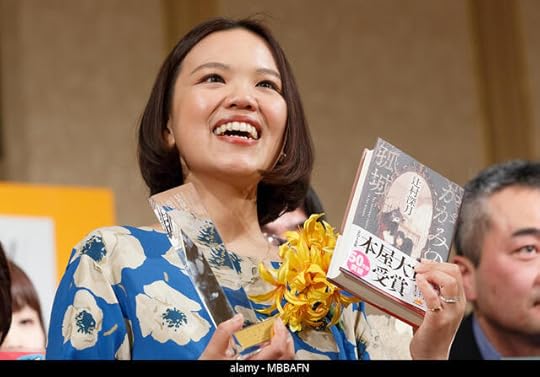
Mizuki Tsujimura (辻村深月) is a Japanese writer from Fuefuki, Yamanashi. She specialises in mystery novels and writes both for adults and children. She is the winner of the 2018 Japan Booksellers' Award for Lonely Castle in the Mirror. After being shortlisted several times for the Naoki Prize, she finally received it in 2012 for Kagi no nai Yume wo Miru (I Saw a Dream Without a Key).
148-1. 2012 Asai Ryoi b. 31 May 1989
何者 Nanimono

Ryo Asai (朝井リョウ) is a Japanese novelist. In 2013, he won the 148th Naoki Sanjugo Prize for "Who". He is the first Heisei -born recipient of the Naoki Prize, and the youngest male winner. Born in Tarui Town , Fuwa District, Gifu Prefecture, he graduated from Gifu Prefectural Ogaki Kita High School, and from Waseda University's School of Culture and Design. In 2009 he made his debut with "Kirishima, Stop Club Activitie ", which won the 22nd Novel Subaru Newcomer Award, and in 2012, the same work was made into a film. In the same year, he was nominated for the 147th Naoki Sanjugo Prize for "Mou Ichido Nareru". In 2013 he won the 148th Naoki Sanjugo Prize for Nanimono . After winning the Naoki Prize, he won the 29th Joji Tsubota Literature Prize for his first work, Sekai Chizu no Draft . In 2016, he was selected as Granta Best of Young Japanese Novelists by the Japanese edition of Granta, the largest literary magazine in the English-speaking world. In 2021, he confessed on the radio that he has dyslipidemia. In 2021, he won the Shibata Renzaburo Award for "Shoiku".
148-2. 2012 Ryūtarō Abe b. 20 June 1955
Tohaku (等伯)
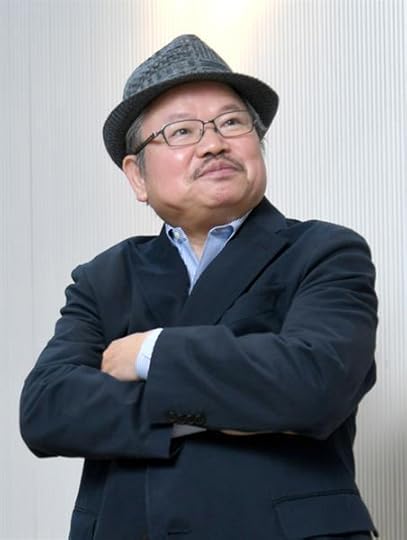
Ryutaro Abe (安部龍太郎) is a Japanese novelist. His real name is Ryoho. He is a member of both the Japan Writers Association and the Japan Pen Club. Born in Yame City (former Kurogi Town), Fukuoka Prefecture, he graduated from Kurume National College of Technology, Department of Mechanical Engineering. Since his school days he has read the works of Osamu Dazai and Ango Sakaguchi. He moved to Tokyo after graduating to become a writer and got a job at the Ota Ward Office in Tokyo, later working as a librarian. During that time, he applied for numerous rookie awards and made his debut with "Moronao no Koi". He retired in 1987 to concentrate on his creative work. He gained attention for his serialisation in "Weekly Shincho" (published in 1990 as "Chi no Nihonshi"), which led to the anecdote of "the last man Keiichiro Ryu wanted to meet."
149. 2013 Shino Sakuragi b. 19 April 1965
ホテルローヤル Hoteru rōyaru
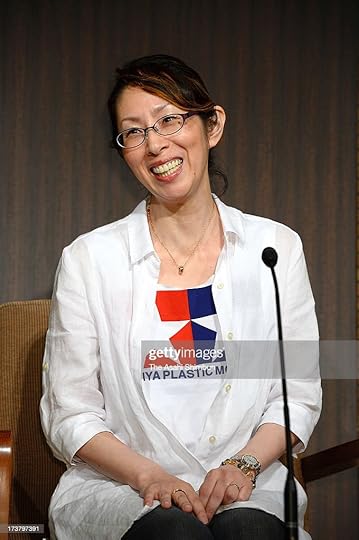
Shino Sakuragi (桜木 紫乃) is a Japanese writer. She has won the All Yomimono Prize for New Writers, the Shimase Award for Love Stories, and the Naoki Prize. Her work has been adapted for film and TV. Sakuragi was born in Kushiro, Hokkaido, Japan in 1965 to parents who owned and ran a local barbershop. After graduating from high school she worked as an official court typist until she got married at the age of 24, then had her first child at age 27 before starting to write in her early 30s. She lives with her family in Ebetsu, Hokkaido.
2013 (150-1) - 2017150-1. 2013 Makate Asai
恋歌 Renka (lit. Love Song)
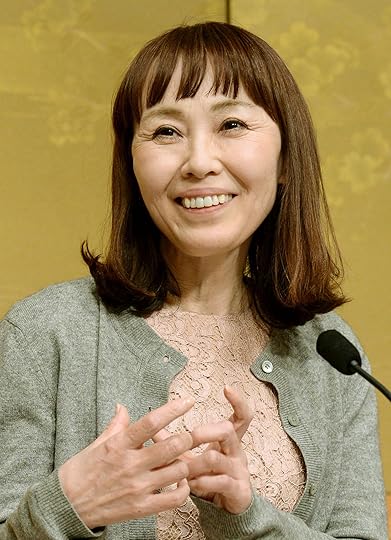
150-2. 2013 Kaoruko Himeno
昭和の犬 Shōwa no inu (lit. Dog of Showa)
151. 2014 Hiroyuki Kurokawa
破門 (lit. Expulsion)
152. 2014 Kanako Nishi
サラバ!上 (lit. Farewell!)
153. 2015 Akira Higashiyama
流 Ryū
154. 2015 Bunpei Aoyama
つまをめとらば Tsuma o metoraba
155. 2016 Hiroshi Ogiwara
海の見える理髪店 Umi no mieru rihatsuten
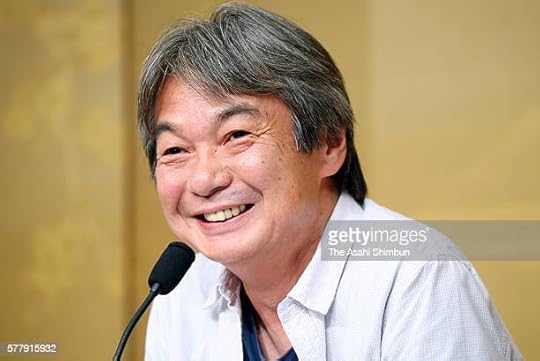
156. 2016 Riku Onda
蜜蜂と遠雷 (lit. Honeybee and Distant Thunder)
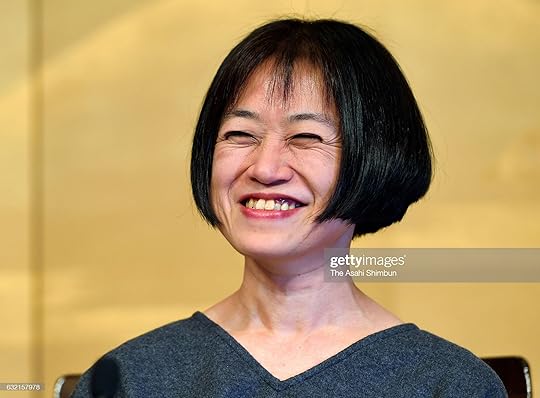
157. 2017 Shōgo Satō
Tsuki no Michikake (月之圓缺, lit. The Waxing and Waning of the Moon)
[image error]
158. 2017 Yoshinobu Kadoi
Gingatetsudo no Chichi (銀河鉄道の父, lit. Father of the Galaxy Railroad)
 2018 -
 159. 2018 Rio Shimamoto
Fāsuto Rabu First love
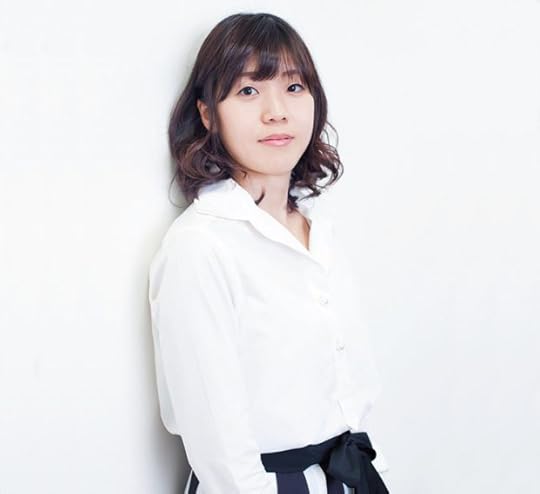
160. 2018 Junjo Shindo
Takarajima (宝島, Treasure Island)
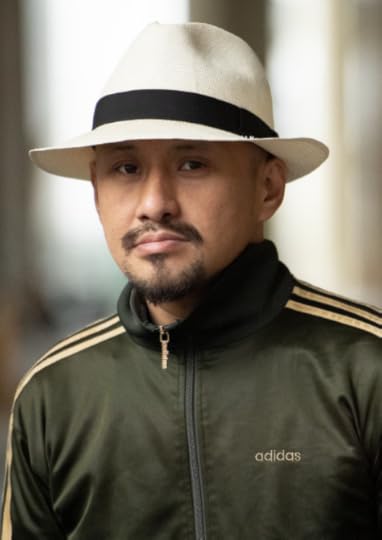
161. 2019 Masumi Ōshima
渦 妹背山婦女庭訓 魂結び Uzu Imoseyama Onna Teikin Tamamusubi , lit. Whirlpool, Husband and Wife Mountains: A Mirror of Virtuous Women, Requiem
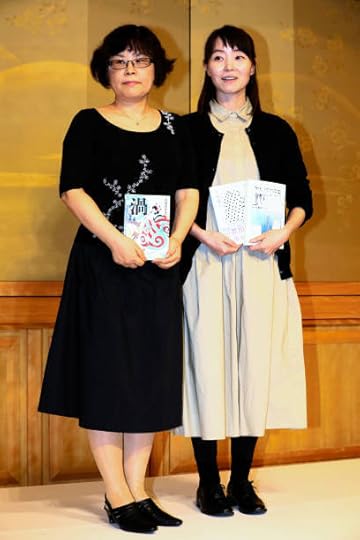
Natsuko Imamura (right) and Masumi Oshima (The Asahi Shimbun)
162. 2019 Soichi Kawagoe
Netsu Gen (熱源, Heat Source)
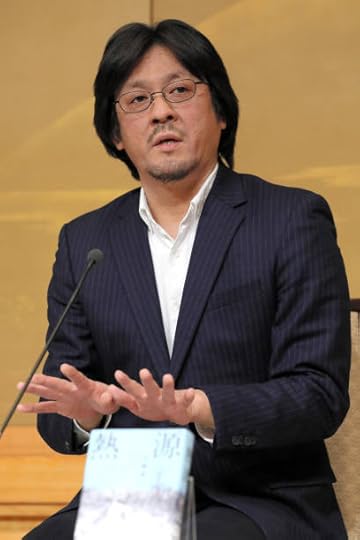
163. 2020 Hase Seishū
Shonen to Inu (少年と犬, The Boy and the Dog)
164. 2020 Naka Saijō
Kokoro(ura) sabishi kawa 心淋し川
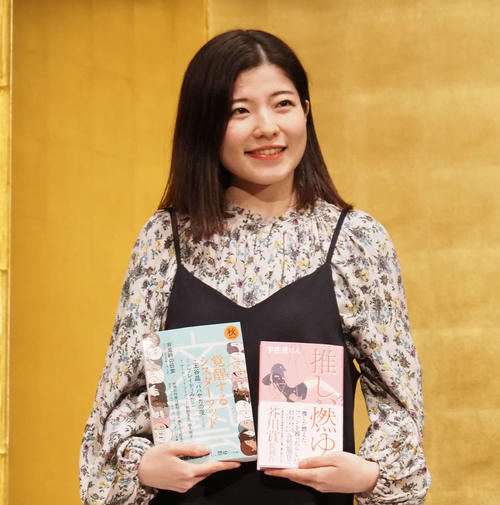
165-1. 2021 Tōko Sawada
Hoshi ochite, nao 星落ちて、なお
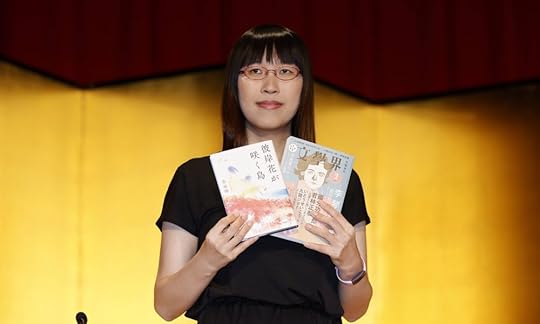
165-2. 2021 Norikazu Satō
Tezcatlipoca (テスカトリポカ)
Born Kiwamu Satō on 13 September 1977 in Fukuoka, Japan. Winner of both the 165th Naoki Prize and the 34th Yamamoto Shugoro Prize.
166-1. 2021 Shogo Imamura
Saiō no Tate 塞王の楯
166-2. 2021 Honobu Yonezawa
Kokurō-jō (黒牢城)黒牢城
Honobu Yonezawa (米澤 穂信 Yonezawa Honobu, born 1978) is a Japanese mystery fiction writer, mostly known for the Classic Literature Club series.
167. 2022 Misumi Kubo
Yoru ni Hoshi wo Hanatsu (夜に星を放つ)
168-1. 2022 Satoshi Ogawa - Chizu to Kobushi (地図と拳)
168-2. 2022 Akane Chihaya - Shirogane no Ha (しろがねの葉)
169-1. 2023 Ryōsuke Kakine - Gokuraku Seii-taishōgun (極楽征夷大将軍)
169-2. 2023 Sayako Nagai - Kobiki-chō no Adauchi (木挽町のあだ討ち)
170-1. 2023 Akiko Kawasaki - Tomogui (ともぐい)
170-2. 2023 Manabu Makime - Hachigatsu no Gosho-ground (八月の御所グラウンド)
extra space, if needed.
Winners available in English translation1961 (45th) - Tsutomu Minakami, The Temple of the Wild Geese (The Temple of the Wild Geese and Bamboo Dolls of Echizen, trans. Dennis C. Washburn, Dalkey Archive Press, 2008)
1973 (69th) - Hideo Osabe, Tsugaru Jonkarabushi and Tsugaru Yosarebushi (In Voices from the Snow, trans. James N. Westerhoven, Hirosaki University Press, 2009)
1979 (81st) - Takashi Atoda, Napoleon Crazy (Short story collection) "Napoleon Crazy" (Napoleon Crazy and Other Stories, trans. Stanleigh H. Jones, Kodansha International, 1986 / Ellery Queen's Mystery Magazine, March 1989)
"The Visitor" (Napoleon Crazy and other stories, trans. Stanleigh H. Jones, Kodansha International, 1986 / Ellery Queen's Mystery Magazine, December 1988)
"The Transparent Fish" (Napoleon Crazy and other stories, trans. Stanleigh H. Jones, Kodansha International, 1986)
"Of Golf and Its Beginnings" (The Square Persimmon and other stories, trans. Millicent M. Horton, Tuttle Publishing, 1991)
"A Treatise on Count St. German" (The Square Persimmon and other stories, trans. Millicent M. Horton, Tuttle Publishing, 1991)
1986 (96th) - Go Osaka, The Red Star of Cadiz (trans. Usha Jayaraman, Kurodahan Press, 2008)
1996 (115th) - Asa Nonami, The Hunter: A Detective Takako Otomichi Mystery (trans. Juliet Winters Carpenter, Kodansha International, 2006)
1997 (117th) - Jirō Asada, The Stationmaster (trans. Terry Gallagher, Viz Media, 2009 / Shueisha English Edition, 2013)
1998 (119th) - Chōkitsu Kurumatani, The Paradise Bird Tattoo (trans. Kenneth J. Bryson, Counterpoint, 2010)
2000 (123rd) - Yoichi Funado, May in the Valley of the Rainbow (trans. Eve Alison Nyren, Vertical, 2006)
2005 (134th) - Keigo Higashino, The Devotion of Suspect X (trans. Alexander O. Smith, Minotaur Books, 2011)
Nominees available in English translation
1963 (49th) - Toshiyuki Kajiyama, "The Remembered Shadow of the Yi Dynasty" (The Clan Records: Five Stories of Korea, trans. Yoshiko Dykstra, University of Hawaii Press, 1995)
1963 (50th) - Masako Togawa, The Lady Killer (trans. Simon Grove, Dodd, Mead and Company, 1985)
1983 (89th) - Kenzo Kitakata, The Cage (trans. Paul Warham, Vertical, 2006)
1988 (100th) - Joh Sasaki, Zero Over Berlin (trans. Hiroko Yoda with Matt Alt, Vertical, 2004)
1991 (105th) - Miyuki Miyabe, The Sleeping Dragon (trans. Deborah Iwabuchi, Kodansha America, 2010)
1992 (108th) - Miyuki Miyabe, All She Was Worth (trans. Alfred Birnbaum, Mariner Books, 1999)
1996 (115th) - Koji Suzuki, Dark Water (trans. Glynne Walley, Vertical, 2004)
1997 (118th) - Natsuo Kirino, Out (trans. Stephen Snyder, Kodansha, 2003 / Vintage, 2005)
1998 (120th) - Keigo Higashino, Naoko (trans. Kerim Yasar, Vertical, 2004)
2000 (124th) - Hideo Yokoyama, "Motive" (original title: Dōki) (trans. Beth Cary, Ellery Queen's Mystery Magazine, May 2008)
2001 (126th) - Ira Ishida, Call boy (trans. Lamar Stone, Shueisha English Edition, 2013)
2002 (127th) - Hideo Okuda, In the Pool (trans. Giles Murray, Stone Bridge Press, 2006)
2005 (133rd) - Hideo Furukawa, ''Belka, Why Don't You Bark?'' (trans. Michael Emmerich, Viz Media, 2012)
2005 (134th) - Kōtarō Isaka, "The Precision of the Agent of Death" (original title: Shinigami no Seido) (trans. Beth Cary, Ellery Queen's Mystery Magazine, July 2006 / Passport to Crime, Running Press, 2007)
2011 (145th) - Kazuaki Takano, Genocide of One (trans. Philip Gabriel, Mulholland Books, 2014)
Still have to edit bios, etc, but coming along nicely!
The editing part is not coming along but i do have the winners til 2023 :)
 Looks good, Jazzy. I'll have to try one of the English translations.

BACK<<<to the CLASSICS
Books mentioned in this topic
The Boy and the Dog (other topics)Napoleon Crazy and Other Stories (other topics)
星落ちて、なお (other topics)
黒牢城 (other topics)
夜に星を放つ (other topics)
More...
Authors mentioned in this topic
Seishū Hase (other topics)Hideo Osabe (other topics)
Tsutomu Minakami (other topics)
Takashi Atoda (other topics)
Tōko Sawada (other topics)
More...

Kikuchi founded the Naoki Prize with the Akutagawa Prize, which targets a new or rising author of literary fiction. The two prizes are viewed as "two sides of the same coin" and inseparable from one another. Because of the prestige associated with the Naoki Prize and the considerable attention the winner receives from the media, it, along with the Akutagawa Prize, is one of Japan's most sought after literary awards of recognition.
1935-1940
1941-1950
1951-1955
1956-1960
1961-1965
1966-1970
1971-1975
1976-1980
1981-1985
1986-1990
1991-1993
1994-1997
1998-2000 (124-1)
2000 (124-2)-2003
2004-2006
2007-2009
2010-2013 (149)
2013 (150-1) - [in progress]
Naoki Sanjūgo 12 February 1891-24 February 1934, aged 43
Sanjugo Naoki (直木 三十五, Naoki Sanjūgo) was the pen-name of a novelist in Taishō and Shōwa period Japan. His real name was Sōichi Uemura (植村 宗一, Uemura Sōichi). Naoki Sanjūgo was born in what is now Chūō-ku, Osaka. The noted historian Uemura Seiji, specialist in East Asian history, was his brother. Against the wishes of his father, Naoki attended the preparatory schools of Waseda University to study English Literature but was forced to drop out of school on occasion due to his inability to pay the tuition. In 1920, he collaborated with Ton Satomi, Masao Kume, and Isamu Yoshii on the literary journal Ningen ("Human"). He returned to Osaka shortly after Great Kantō earthquake of 1923. At first, he attempted to work at a cosmetics company, but was soon drawn back to the literary world. At the invitation of Matsutarō Kawaguchi, Naoki started working in Osaka as editor of the literary magazine Kuraku ("Joys and Sorrows"), contributed his own works of fiction as well, and soon began publishing novels. Although interested in the new trends toward the cinema, he experimented with movie script-writing but failed to interest any movie studios. In 1927, he moved back to Tokyo where opportunities looked more promising. He obtained a post at the literary magazine Bungeishunjū, where he developed a reputation for writing scathing literary criticism, mixed with scandalous gossip about the writer, which outraged many of his contemporaries. In 1929, he had an historical novel, Yui Kongen Taisakki, serialized in a weekly magazine, and a similar historical novel about the Satsuma Rebellion, Nangoku Taiheiki, serialized in a newspaper following year. The success of these established him firmly as a writer of popular fiction. His novel Mito Komon Kaikokuki, a fictional history of the travels of Tokugawa Mitsukuni in disguise around the country was the basis of a movie starring Ryūnosuke Tsukigata and was the first of nearly fifty of his novels to be made into movies. It later metamorphosed into the extremely long-running television series Mito Kōmon, which remains popular to this day and which is largely responsible for turning the historical Tokugawa Mitsukuni into a folk hero. Naoki had a reputation for being eccentric, as evidenced by his choice of a pen-name, which he changed four times between ages 31 and 35 to match his age (skipping over 34, as four is an unlucky number according to Japanese superstition). When he reached age 35 (Sanjūgo), he decided to keep the same name from that point onward. As well as historical novels such as Araki Mataemon and Odoriko Gyojoki, Naoki wrote biographies of historical figures — including Kusunoki Masashige, Ashikaga Takauji, and Genkuro Yoshitsune — and contemporary social fiction, including Nihon no Senritsu ("Japan Shudders") and Hikari: Tsumi to Tomoni ("Light: With Crime"). Naoki died in 1934 at the age of 43 from an acute case of Japanese encephalitis. Yasunari Kawabata, with whom Naoki shared a common interest in the game of go, wrote the eulogy for his funeral. His grave is at the temple of Chōshō-ji in Kanazawa-ku, Yokohama.