
Ask the Author: William R. Reynolds Jr.
Answered Questions (6)

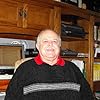
William R. Reynolds Jr.
Hi, Bill
When you receive my book, you will see from my genealogy chart in Appendix A that Chief Doublehead (or Taltsuska or Incalatanga) is a brother of Corn Tassel (or Old Tassel or just Tassel or Kahnyatahhee) and they are sons of Chief Willenawah (or Tifftoya or Great Eagle of Tanassee). Other siblings of Doublhead are Pumpkin Boy, Standing Turkey (Cunne-Shote, not to be confused with Oconostota), Hanging Maw (or Uskwaliguta), Big Half Breed, and Wurteh, the mother of Chickamauga Cherokee War Chief Young Tassel (John Watts, Jr.)
I am already a member of the Republic Oregon Chapter of SAR and have actually been an SAR member for 25 years. My Patriot ancestor is Captain Joseph William Pickens, my 7th great grandfather, who was killed by a Tory neighbor at the Siege of Ninety Six, SC in March of 1781. That knowledge prompted my writing of my first book of his brother, SC Militia Brigadier General Andrew Pickens, my 7th great granduncle.
I appreciate your contact and your purchase of my Cherokee book. It has just been nominated for the Thomas Wolfe Memorial Literary Award, of which I am surprised but very proud. Thus far, it has made the semifinals for the award. It's up against some stiff competition, and even if it goes no further, I feel very honored.
Sincerely,
Bill Reynolds
When you receive my book, you will see from my genealogy chart in Appendix A that Chief Doublehead (or Taltsuska or Incalatanga) is a brother of Corn Tassel (or Old Tassel or just Tassel or Kahnyatahhee) and they are sons of Chief Willenawah (or Tifftoya or Great Eagle of Tanassee). Other siblings of Doublhead are Pumpkin Boy, Standing Turkey (Cunne-Shote, not to be confused with Oconostota), Hanging Maw (or Uskwaliguta), Big Half Breed, and Wurteh, the mother of Chickamauga Cherokee War Chief Young Tassel (John Watts, Jr.)
I am already a member of the Republic Oregon Chapter of SAR and have actually been an SAR member for 25 years. My Patriot ancestor is Captain Joseph William Pickens, my 7th great grandfather, who was killed by a Tory neighbor at the Siege of Ninety Six, SC in March of 1781. That knowledge prompted my writing of my first book of his brother, SC Militia Brigadier General Andrew Pickens, my 7th great granduncle.
I appreciate your contact and your purchase of my Cherokee book. It has just been nominated for the Thomas Wolfe Memorial Literary Award, of which I am surprised but very proud. Thus far, it has made the semifinals for the award. It's up against some stiff competition, and even if it goes no further, I feel very honored.
Sincerely,
Bill Reynolds
William R. Reynolds Jr.
I write because I have a story to tell. My book on Andrew Pickens was necessary because previous biographies were out of print. He, Thomas Sumter, and Francis Marion were the three South Carolina brigadier generals late in the war when the SC effort was so invaluable. Andrew Pickens leadership was extraordinary and needs to be remembered. The same us is true of the Cherokee 'gladiators' such as Dragging Canoe, Doublehead, Young Tassel, Bench, and others. though the Cherokee eventually lost their ancestral land, these young chiefs fought hard to maintain possession for their people. We can't forget their stories.
William R. Reynolds Jr.
Don't give up. if you have a story that is worth telling, here will be a chance to publish. Just keep your nose into the effort. If you are doing non-fiction always look for the best available information and seek period documents as much as possible. Also, you cannot ignore proper grammar. The basics are important.
William R. Reynolds Jr.
In the non-fiction historical genre, my biggest thrill when I come up with some historical document that proves how something occurred. There is often details that have been described incorrectly or inaccurately in previous historical writings, and it's exciting to find something that exposes the truth.
One example is in the Pickens book I point out that my ancestor, Joseph Pickens, was a Lieutenant during the Battle of Kettle Creek in February of 1779. The monument at Kettle Creek battlefield indicates that he was a captain as does all of the historical writings that mention him. There are good reasons for this error. A period historian had written that it was 'likely' Jospeh Pickens was elected captain when his brother, Andrew Pickens, was made a major late in 1776. General Andrew Pickens even many years later described Joseph as a captain when he wrote to Henry 'Light-horse Harry' Lee.
However, I found a document where Joseph appeared in court just a few months after the Battle of kettle Creek where he swore under oath he was a Lieutenant in Captain Weems company and the sworn affidavit is witnessed by then-Colonel Andrew Pickens. Addirionally, I found a pension application of a member if the Ninety Six, SC militia where the applicant swore that Weems was made captain when Andrew pickens was promoted to major and that weems was captain for several years and that Joseph Pickens was made captain when Weems retired,. The monument at Kettle Creek inaccurately shows Weems and Joseph Pickens names next to each other as captains.
One example is in the Pickens book I point out that my ancestor, Joseph Pickens, was a Lieutenant during the Battle of Kettle Creek in February of 1779. The monument at Kettle Creek battlefield indicates that he was a captain as does all of the historical writings that mention him. There are good reasons for this error. A period historian had written that it was 'likely' Jospeh Pickens was elected captain when his brother, Andrew Pickens, was made a major late in 1776. General Andrew Pickens even many years later described Joseph as a captain when he wrote to Henry 'Light-horse Harry' Lee.
However, I found a document where Joseph appeared in court just a few months after the Battle of kettle Creek where he swore under oath he was a Lieutenant in Captain Weems company and the sworn affidavit is witnessed by then-Colonel Andrew Pickens. Addirionally, I found a pension application of a member if the Ninety Six, SC militia where the applicant swore that Weems was made captain when Andrew pickens was promoted to major and that weems was captain for several years and that Joseph Pickens was made captain when Weems retired,. The monument at Kettle Creek inaccurately shows Weems and Joseph Pickens names next to each other as captains.
William R. Reynolds Jr.
Well, my writing to this point has been non-fiction, so the challenge is different. I'm more focused on research to adequately detail the facts I've uncovered. My biggest challenge is deciding which source material more accurately defines the fact I'm wanting to explore. So, I'm not really looking for an 'idea' for my next chapter, but for the best way to explain what I've decided the chapter should be about.
William R. Reynolds Jr.
I had worked on my genealogy for nearly 30 years, and I had already written the Andrew Pickens book. He was my 7x great-granduncle. His brother, Joseph Pickens (my 7x great-grandfather) was killed in the American Revolution.
Notorious Chickamauga Cherokee Chief Doublehead was also my 7x great-grandfather. the Cherokee were British allies, but the British gave them no reciprocity in their alliance, that is, the British gave them no aid regarding encroaching settlers on Cherokee land but expected the Cherokee to help them against rebelling colonists.
After completing the Pickens book I wanted to write from the Cherokee point of view. The Chickamauga were the 'gladiators' so to speak that tried to defend the Cherokee Nation.
Notorious Chickamauga Cherokee Chief Doublehead was also my 7x great-grandfather. the Cherokee were British allies, but the British gave them no reciprocity in their alliance, that is, the British gave them no aid regarding encroaching settlers on Cherokee land but expected the Cherokee to help them against rebelling colonists.
After completing the Pickens book I wanted to write from the Cherokee point of view. The Chickamauga were the 'gladiators' so to speak that tried to defend the Cherokee Nation.
About Goodreads Q&A
Ask and answer questions about books!
You can pose questions to the Goodreads community with Reader Q&A, or ask your favorite author a question with Ask the Author.
See Featured Authors Answering Questions
Learn more