Goodreads helps you follow your favorite authors. Be the first to learn about new releases!
Start by following David Perkins.

Showing 1-10 of 10
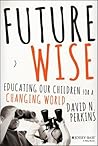
“Historically, precollege education has focused on educating for the known, the tried and true, the established canon. This made very good sense in the many periods and places where most children’s lives were likely to be more or less like their parents’ lives. However, wagering that tomorrow will be pretty much like yesterday does not seem to be a very good bet today. Perhaps we need a different vision of education, a vision that foregrounds educating for the unknown as much as for the known. Perhaps we need a vision of education that’s more “future wise,” reflecting our best guesses about what’s most likely to happen and foregrounding flexible knowledge likely to inform whatever does happen.”
― Future Wise: Educating Our Children for a Changing World
― Future Wise: Educating Our Children for a Changing World
“Rather than counseling despair, educating for the unknown favors a vision of learning aggressive in its effort to foster curiosity, enlightenment, empowerment, and responsibility in a complex and dynamic world. It favors a broad and visionary reach for meaningful learning.”
― Future Wise: Educating Our Children for a Changing World
― Future Wise: Educating Our Children for a Changing World
“Try This What did you learn during your first twelve years of education that matters in your life today?”
― Future Wise: Educating Our Children for a Changing World
― Future Wise: Educating Our Children for a Changing World
“The questions produced before studying the topic turned out to be much deeper and more exciting. It seemed that the formal study of the topic had quenched students’ sense of its mystery.”
― Future Wise: Educating Our Children for a Changing World
― Future Wise: Educating Our Children for a Changing World
“Una organización funciona y progresa a través de la conversación. La calidad de estas conversaciones determina lo buena que es la organización”
―
―
“Harpaz argumenta que las escuelas tienen que convertir lo extraño en algo conocido para presentar a los alumnos conocimientos nuevos, pero también volver lo familiar extraño, que incomode y desafíe las ideas simples y las respuestas insustanciales, un proceso delicado que tiene que detenerse justo cuando esté a punto de que el receptor adopte una postura defensiva rotunda.”
― Educar para un mundo cambiante: ¿Qué necesitan aprender realmente los alumnos para el futuro? (Biblioteca Innovación Educativa nº 17)
― Educar para un mundo cambiante: ¿Qué necesitan aprender realmente los alumnos para el futuro? (Biblioteca Innovación Educativa nº 17)
“We are working so hard in this country on the details of school improvement that we don’t always stop to consider the big picture—if we are actually working on the right things.”
― Future Wise: Educating Our Children for a Changing World
― Future Wise: Educating Our Children for a Changing World
“El currículo y los cursos deberían estar organizados no en torno a las respuestas, sino a las grandes ideas, preguntas y problemas para los que el contenido representa la respuesta.”
― Educar para un mundo cambiante: ¿Qué necesitan aprender realmente los alumnos para el futuro? (Biblioteca Innovación Educativa nº 17)
― Educar para un mundo cambiante: ¿Qué necesitan aprender realmente los alumnos para el futuro? (Biblioteca Innovación Educativa nº 17)
“The fixation on the heap of information in the textbooks is itself part of the problem because the world we are educating learners for is something of a moving target, itself as much unknown as known.”
― Future Wise: Educating Our Children for a Changing World
― Future Wise: Educating Our Children for a Changing World
“In teaching for truly lifeworthy learning, might we hope to teach for wisdom?”
― Future Wise: Educating Our Children for a Changing World
― Future Wise: Educating Our Children for a Changing World