Goodreads helps you follow your favorite authors. Be the first to learn about new releases!
Start by following Luciano Floridi.

Showing 1-15 of 15
“Technologies as users interacting with other technologies as prompters, through other in-between technologies: this is another way of describing hyperhistory as the stage of human development”
― The Fourth Revolution: How the Infosphere is Reshaping Human Reality
― The Fourth Revolution: How the Infosphere is Reshaping Human Reality
“One of the most obvious features that characterizes any technology is its in-betweenness. Suppose Alice lives in Rio de Janeiro, not in Oxford. A hat is a technology between her and the sunshine. A pair of sandals is a technology between her and the hot sand of the beach on which she is walking.”
― The Fourth Revolution: How the Infosphere is Reshaping Human Reality
― The Fourth Revolution: How the Infosphere is Reshaping Human Reality
“The illusion that there might be a single, correct, absolute answer independently of context, purpose and perspective, that is independently of the relevant interface, leads to paradoxical nonsense.”
― The Fourth Revolution: How the infosphere is reshaping human reality
― The Fourth Revolution: How the infosphere is reshaping human reality
“According to recent estimates, life on Earth will last for another billion years, until it will be destroyed by the increase in solar temperature.”
― Information: A Very Short Introduction
― Information: A Very Short Introduction
“The technophile and the technophobe ask the same question. What's next?”
― The Fourth Revolution: How the infosphere is reshaping human reality
― The Fourth Revolution: How the infosphere is reshaping human reality
“ICTs are modifying the very nature of, and hence what we mean by, reality, by transforming it into an infosphere. Infosphere is a neologism coined in the seventies. It is based on ‘biosphere’, a term referring to that limited region on our planet that supports life. It is also a concept that is quickly evolving.”
― The Fourth Revolution: How the Infosphere is Reshaping Human Reality
― The Fourth Revolution: How the Infosphere is Reshaping Human Reality
“In 2011, the total world wealth1 was calculated to be $231 trillion, up from $195 trillion in 2010.2 Since we are almost 7 billion, that was about $33,000 per person, or $51,000 per adult, as the report indicates. The figures give a clear sense of the level of inequality. In the same year, we spent $498 billion on advertisements.3”
― The Fourth Revolution: How the Infosphere is Reshaping Human Reality
― The Fourth Revolution: How the Infosphere is Reshaping Human Reality
“Recorded memories tend to freeze and reinforce the nature of their subject. The more memories we accumulate and externalize, the more narrative constraints we provide for the construction and development of our personal identities. Increasing our memories also means decreasing the degree of freedom we might enjoy in redefining ourselves. Forgetting is part of the process of self-construction. A potential solution, for generations to come, may be to be thriftier with anything that tends to crystallize the nature of the self, and more adept in handling new or refined skills of self-construction. Capturing,”
― The Fourth Revolution: How the Infosphere is Reshaping Human Reality
― The Fourth Revolution: How the Infosphere is Reshaping Human Reality
“Human beings differ from other animals because they are sufficiently intelligent to wish that they could stop working and reasoning – and free enough to toil harder than other creatures to pursue both these aims in order to eventually enjoy free time.
It follows that Homo faber and Homo sapiens are only contingent consequences of the truly essential Homo ludens. The fact that philosophers do not typically endorse this view only clarifies why they rarely qualify as champions of common sense…”
― Philosophy and Computing
It follows that Homo faber and Homo sapiens are only contingent consequences of the truly essential Homo ludens. The fact that philosophers do not typically endorse this view only clarifies why they rarely qualify as champions of common sense…”
― Philosophy and Computing
“The great opportunity offered by ICTs comes with a huge intellectual responsibility to understand them and take advantage of them in the right way.”
― The Fourth Revolution: How the Infosphere is Reshaping Human Reality
― The Fourth Revolution: How the Infosphere is Reshaping Human Reality
“The design of good interfaces takes time and ingenuity.”
― The Fourth Revolution: How the infosphere is reshaping human reality
― The Fourth Revolution: How the infosphere is reshaping human reality
“The father of information theory, Claude Shannon (1916–2001),”
― Information: A Very Short Introduction
― Information: A Very Short Introduction
“In short, human intelligent design (pun intended) should play a major role in shaping the future of our interactions with each other, with forthcoming technological artefacts, and with the infosphere we share among us and with them. After all, it is a sign of intelligence to make stupidity work for you.”
― The Fourth Revolution: How the Infosphere is Reshaping Human Reality
― The Fourth Revolution: How the Infosphere is Reshaping Human Reality
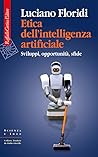
“Istruzione, affari e industria, viaggi e logistica, banche, vendita al dettaglio e shopping, intrattenimento, welfare e sanità, politica e relazioni sociali, in breve la vita stessa per come la conosciamo oggi è diventata inconcepibile senza la presenza di pratiche, prodotti, servizi e tecnologie digitali. Chiunque non sia stupito di fronte a una tale rivoluzione digitale non ne ha afferrato la portata. Stiamo parlando di un nuovo capitolo della storia umana. Naturalmente, molti altri capitoli l'hanno preceduto. Erano tutti ugualmente significativi. L'umanità ha sperimentato un mondo prima e dopo la ruota, la lavorazione del ferro, l'alfabeto, la stampa, il motore, l'elettricità, la televisione o il telefono. Ogni trasformazione è unica. Alcune di queste hanno cambiato in maniera irreversibile il modo in cui comprendiamo noi stessi, la nostra realtà e l'esperienza che ne facciamo, con implicazioni complesse e di lungo periodo. Stiamo ancora scoprendo nuovi modi per sfruttare la ruota, basti pensare alla ghiera cliccabile dell'iPod. Al contempo, è inimmaginabile ciò che l'umanità potrà ottenere grazie alle tecnologie digitali. Nessuno nel 1964 (vedi capitolo 1) avrebbe potuto immaginare come sarebbe stato il mondo solo cinquant'anni dopo. I futurologi sono i nuovi astrologi. Eppure, è anche vero che la rivoluzione digitale accade una volta sola, e cioè adesso. Questa particolare pagina della storia umana è stata voltata ed è iniziato un nuovo capitolo. Le generazioni future non sapranno mai com'era una realtà esclusivamente analogica, offline, predigitale. Siamo l'ultima generazione che l'avrà vissuta.
Il prezzo di un posto così speciale nella storia lo si paga con incertezze che destano preoccupazioni. Le trasformazioni indotte dalle tecnologie digitali sono sorprendenti. Giustificano un po' di confusione e di apprensione. Basta guardare i titoli dei giornali. Tuttavia, il nostro posto speciale in questo spartiacque storico, tra una realtà completamente analogica e una sempre più digitale, porta con sé anche straordinarie opportunità. Proprio perché la rivoluzione digitale è appena iniziata, abbiamo la possibilità di plasmarla in modi positivi che possono fare progredire sia l'umanità sia il nostro pianeta. Come disse una volta Winston Churchill, "prima siamo noi a dare forma agli edifici; poi sono questi a dare forma a noi". Siamo nella primissima fase di costruzione delle nostre realtà digitali. Possiamo costruirle bene, prima che inizino a influenzare e modellare noi e le generazioni future nel modo sbagliato. La discussione sul bicchiere mezzo vuoto o mezzo pieno è inutile perché la questione davvero interessante è come possiamo riempirlo.
Per individuare la strada migliore da percorrere nello sviluppo delle nostre tecnologie digitali, il primo, fondamentale passo è cercare di averne una maggiore e migliore comprensione. Non dovremmo sonnecchiare nella creazione di un mondo sempre più digitale. L'insonnia della ragione è vitale, perché il suo sonno genera errori mostruosi. Comprendere le trasformazioni tecnologiche in atto sotto i nostri occhi è cruciale, se vogliamo guidare la rivoluzione digitale in una direzione che sia preferibile (equa) dal punto di vista sociale e sostenibile da quello ambientale. Ciò può tradursi solo in uno sforzo collaborativo. Pertanto, in questo libro, offro il mio contributo condividendo alcune idee su un particolare tipo di tecnologia digitale, l'intelligenza artificiale (IA), e un problema specifico, la sua etica.”
― Etica dell'intelligenza artificiale
Il prezzo di un posto così speciale nella storia lo si paga con incertezze che destano preoccupazioni. Le trasformazioni indotte dalle tecnologie digitali sono sorprendenti. Giustificano un po' di confusione e di apprensione. Basta guardare i titoli dei giornali. Tuttavia, il nostro posto speciale in questo spartiacque storico, tra una realtà completamente analogica e una sempre più digitale, porta con sé anche straordinarie opportunità. Proprio perché la rivoluzione digitale è appena iniziata, abbiamo la possibilità di plasmarla in modi positivi che possono fare progredire sia l'umanità sia il nostro pianeta. Come disse una volta Winston Churchill, "prima siamo noi a dare forma agli edifici; poi sono questi a dare forma a noi". Siamo nella primissima fase di costruzione delle nostre realtà digitali. Possiamo costruirle bene, prima che inizino a influenzare e modellare noi e le generazioni future nel modo sbagliato. La discussione sul bicchiere mezzo vuoto o mezzo pieno è inutile perché la questione davvero interessante è come possiamo riempirlo.
Per individuare la strada migliore da percorrere nello sviluppo delle nostre tecnologie digitali, il primo, fondamentale passo è cercare di averne una maggiore e migliore comprensione. Non dovremmo sonnecchiare nella creazione di un mondo sempre più digitale. L'insonnia della ragione è vitale, perché il suo sonno genera errori mostruosi. Comprendere le trasformazioni tecnologiche in atto sotto i nostri occhi è cruciale, se vogliamo guidare la rivoluzione digitale in una direzione che sia preferibile (equa) dal punto di vista sociale e sostenibile da quello ambientale. Ciò può tradursi solo in uno sforzo collaborativo. Pertanto, in questo libro, offro il mio contributo condividendo alcune idee su un particolare tipo di tecnologia digitale, l'intelligenza artificiale (IA), e un problema specifico, la sua etica.”
― Etica dell'intelligenza artificiale
“When technologies are in-between human users and natural prompters, we may qualify them as first-order (Figure 13). Listing first-order technologies is simple. The ones mentioned earlier all qualify. More can easily be added, such as the plough, the wheel, or the umbrella. The axe is probably the first and oldest kind of first-order technology. Nowadays, a wood-splitting axe is still a first-order technology between you, the user, and the wood, the prompter. A saddle is between you and a horse.”
― The Fourth Revolution: How the Infosphere is Reshaping Human Reality
― The Fourth Revolution: How the Infosphere is Reshaping Human Reality