Goodreads helps you follow your favorite authors. Be the first to learn about new releases!
Start by following Slavenka Drakulić.

Showing 1-30 of 101
“I realize that I only have words and that, from time to time, as I hold them in my arms I am less lonely.”
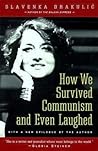
― How We Survived Communism and Even Laughed
― How We Survived Communism and Even Laughed
“She wonders what else she will have to give up and what is the minimum of things with which one can survive without losing the feeling that one is human?”
― S.
― S.
“What do people think of when they talk about their lives? Do they really see them as an integral whole, as a chronological sequence of events; as something logical, purposeful, completed? What moments do they remember, and how do they remember them? As words? As a series of images and sounds? My life crumbles into a series of pictures, unconnected scenes which comes to mind only occassionally and at random. But there are key events, the acts of chance or fate, which later enable me to construct a logical whole of my life. One such moment was meeting Jose. The other was my decision to see our love through to the very end.”
― The Taste of a Man
― The Taste of a Man
“Why communism failed: it failed because of distrust, because of a fear for the future.
Because deep down no body believed in a system that was continuously unable to provide for its life citizen's basic needs for forty years or more.”
― How We Survived Communism and Even Laughed
Because deep down no body believed in a system that was continuously unable to provide for its life citizen's basic needs for forty years or more.”
― How We Survived Communism and Even Laughed
“How is a woman to tell the story of her life and not stumble upon men?”
― How We Survived Communism and Even Laughed
― How We Survived Communism and Even Laughed
“Bio si moja opsesija, moja fiksacija. tvoje je ime za mene bio sinonim za sreću.
I što je najgore, vjerovala sam čvrsto da imam pravo na tebe, na ljubav, na život. Ne, čovjek nema nikakva prava niti garancije, ni za što. On postoji, koprca se, manje ili više je usamljen, i to je sve.”
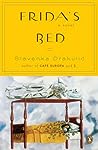
― Frida's Bed
I što je najgore, vjerovala sam čvrsto da imam pravo na tebe, na ljubav, na život. Ne, čovjek nema nikakva prava niti garancije, ni za što. On postoji, koprca se, manje ili više je usamljen, i to je sve.”
― Frida's Bed
“Europe has another meaning for me. Every time I mention that word, I see the Bosnian family in front of me, living far away from whatever they call home and eating their own wonderful food because that's all that is left for them. The fact remains that after fifty years, it was possible to have another war in Europe; that it was possible to change borders; that genocide is still possible even today.”
― Café Europa: Life After Communism
― Café Europa: Life After Communism
“Humor is the only way to overcome depression”
― How We Survived Communism and Even Laughed
― How We Survived Communism and Even Laughed
“Only when there is no privacy can there be total control”
― How We Survived Communism and Even Laughed
― How We Survived Communism and Even Laughed
“It's hard to recognize discrimination when you live with it”
― How We Survived Communism and Even Laughed
― How We Survived Communism and Even Laughed
“Uvijek zamišljamo da ćemo bliskim osobama sve stići reći i objasniti, pokazati kako ih razumijemo i volimo. Iznenadna smrt nepravedna je i za onog koji ostaje.”
― Frida's Bed
― Frida's Bed
“Yes I don’t like to live here,’ she said, more to herself than me. Then she turned toward me: ‘But if I have learned anything from my life, it’s that since I don’t belong anywhere, only the movement matters.”
― How We Survived Communism and Even Laughed
― How We Survived Communism and Even Laughed
“A ipak, trebao mi je čitav život da shvatim kako svi ljudi nisu jednaki i kako čine samo ono što mogu, da daju samo koliko imaju - i da je to dragocjeno.”
― Frida's Bed
― Frida's Bed
“Here, in the camp, she could tell any old story, these people would have no choice but to believe her. That is not to say that refugee women like her lie, merely that they are uprooted. Their stories barely mean anything even to themselves now. No one listens to them, which is almost like not existing at all.”
― S.
― S.
“With a practised hand he pulls out a knife and presses it against her throat. Hurry up, he hisses through clenched teeth, hurry up! At that same instant she is again struck by their inability to express themselves in normal sentences; they use only monosyllabic words, as if they have forgotten how to speak. And perhaps they have. Perhaps that happens to people in wartime, words suddenly become superfluous because they can no longer express reality. Reality escapes the words we know, and we simply lack new words to encapsulate this new experience.”
― S.
― S.
“Every public space is like a billboard, with messages from the collective subconscious of the nation. There one can read passivity, rage indifference, fear, double standards, subversion, bad economy, a twisted definition of 'public' itself, the whole Weltanschauung - an entire range of emotions and attitudes is exposed.”
― How We Survived Communism and Even Laughed
― How We Survived Communism and Even Laughed
“war is merely a general term, a collective noun for so many individual stories. War is every individual, it is what happened to that individual, how it happened, how it changed that person’s life. For her, war is this child she had to give birth to.”
― As If I Am Not There
― As If I Am Not There
“Na koncu konca, što je ljubav? Sad mi se čini da je to tek riječ za čitav niz osjećaja, od nježnosti do solidarnosti i strasti. Jer ne treba zaboraviti da je jezik neprecizan instrument, za razliku od slikarstva ili muzike. Ljubav je zajednički nazivnik, obična košara u koju čovjek trpa svašta. Svaštara, dakle.”
― Frida's Bed
― Frida's Bed
“That evening, in her apartment, still in Warsaw, Ana takes down a book from her shelf – a rather thick, ordinary paperback. It looks old, because it's worn out and somehow shabby. But it's not ordinary. I can tell by the way she handles it so carefully, like something unique. 'This is the book I told you about,' she says, holding out the Anthology of Feminist Texts, a collection of early American feminist essays, 'the only feminist book translated into the Polish language,' the only such book to turn to when you are sick and tired of reading about man-eater/man-killer feminists from the West, I think, looking at it, imagining how many women have read this one copy. 'Sometimes I feel like I live on Jupiter, among Jupiterians, and then one day, quite by chance, I discover that I belong to another species. And I discover it in this book. Isn't that wonderful.”
― How We Survived Communism and Even Laughed
― How We Survived Communism and Even Laughed
“U ljubavi sam vidjela spas. Ljubav je bila moja religija. Čovjek valjda ima potrbu izmisliti nešto poput boga. što je drugo moglo slijediti nego još veće razočaranje? Jer spasa nema.”
― Frida's Bed
― Frida's Bed
“She is awake. Again she thinks about fear. Until then, she had not been aware of fear, she had been convinced that she did not feel fear, not even when they had taken the group of men out from the gym, or when she had heard the burst of gunfire. She listens. She knows now that fear is the absence of all emotion, it is emptiness, it is as if your whole body is drained of blood all at once.”
― S.
― S.
“Žene klimaju glavom, svaka ima nekoliko djece. Jedan dječak ih sluša i kaže: - Kad budem velik, ja ću ubijati Srbe ovako - podiže ruke i cilja kao da puca na nekoga ih velike blizine. Odrasli šute. S. zna da je dječak vidio kako su mu vojnici ubili starijeg brata, baš tako. Toj maloj ruci nedostaje samo oružje, sve je drugo već tu. Svejedno je u koju će zemlju otputovati, ovaj će dječak jednog dana izvršiti svoju namjeru. S. izlazi iz sobe i diše, zrak je oštar poput noža. Jedna je generacija iz te sobe već završila svoj život i svela ga na uspomene. Druga će rasti sa željom da se osveti. Kao da su oni već živi mrtvaci, misli S. Iznenada u ustima osjeća gorčinu.”
― S.
― S.
“Her body lies in the bed like an inanimate object, an emptied bellow or shopping bag. Nothing has changed with her departure from the camp. Her body is still in their power, even more so now. Only now does S. understand that a woman's body never really belongs to the woman. It belongs to others—to the man, the children, the family. And in wartime to soldiers.”
― S.
― S.
“Her mother, an employee with a state-owned company, is a Serb. Her father, an engineer, is a Muslim, which means that S. is neither one nor the other. That is why S. thinks she is exempt from alignment. This is what she believed until the armed men and soldiers arrived in her mountain village that same day. Now, however, she sees that for her war began the moment others started dividing and labelling her, when nobody asked her anything any more.”
― S.
― S.
“Mladić was convinced that she had been murdered. This to him was the only logical explanation. Ana would never kill herself. He could not conceive that his daughter, his own daughter, who played Sinking Ships with him at twenty-three, could condemn him for what he did. He could not understand it. Instead of talking, they were playing childish games. To think she had been killed was easier for him: it relieved him of all responsibility. To understand why she had committed suicide would require him to admit - at least to himself - that he had indeed committed war crimes. This General Mladić could never do. Not even the death of his own dear child could make him acknowledge it. It was as if he had to sacrifice his own daughter - not his soldiers and his own life, as Prince Lazar did - to become a mythological hero. If this was the price for his immortality, the gods left him alive only to make him endure the incredible pain.”
― They Would Never Hurt a Fly: War Criminals on Trial in The Hague
― They Would Never Hurt a Fly: War Criminals on Trial in The Hague
“Znala sam da je svaka nova žena u njegovu životu značila i novu fazu u kreativnosti. Minotaur se hranio ne samo mojim nego i njegovim mesom. On je bio iznad svih, on je svima nama (kako mrzim tu množinu!), i ponašanjem i slikama, pokazivao seksualni odnos s bilo kojom ženom za njega nema baš nikakvo drugo niti veće značenje od kanibalističkog čina, a on se ne sastoji samo u konzumiranju tijela nego i u potpunom posjedovanju cijelog bića. Niz seksualnih odnosa ne podrazumijeva pordubljenje odnosa niti nužno rezultira zbližavanjem dviju osoba. Ali onaj tko se na taj način hrani živim ženskim mesom, mora u sebi imati nešto životinjsko, minotaursko. Kreativna osoba je opasna za druge jer je bezobzirna, ona uzima, prisvaja, krade, jede, razara sve oko sebe. Od ljudi koji je okružuju uzima energiju, pa i život. Jede ih poput ljudoždera a da pritom često nije svjesna kako im nanosi bol. Ne traži, nego bezobzirno uzima. U tome nema morala. Nije li odsutnost empatije osobina psihopata? Da, ali zašto umjetnik ne bi mogao biti psihopat? Razlika je samo u tome što umjetniku sve to služi kao materijal koji pretvara u umjetničko djelo.”
― Dora i Minotaur: Moj život s Picassom
― Dora i Minotaur: Moj život s Picassom
“Prvi put u životu nekome sam dala dio sebe a da me to nije emocionalno uništilo. To je prekrasan osjećaj.”
― Tijelo njenog tijela
― Tijelo njenog tijela
“Category of 'enemy' could spread to the whole nation”
― How We Survived Communism and Even Laughed
― How We Survived Communism and Even Laughed
“How could you forget something you never learned or had?!”
― How We Survived Communism and Even Laughed
― How We Survived Communism and Even Laughed
“Svatko je dužan napraviti najbolje što može od onoga što ga je zapalo, jer smisao života je upravo življenje samo. Postojati, usprkos svemu. Osjećati, gledati, sudjelovati. Veseliti se. Nije na dana druga šansa, drugi život.”
― Frida's Bed
― Frida's Bed