Goodreads helps you follow your favorite authors. Be the first to learn about new releases!
Start by following Myisha Cherry.

Showing 1-4 of 4
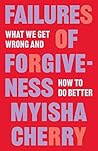
“Eaton's research shows that confirming harms, rather than minimizing them, positively influences victims' willingness to forgive. When we as bystanders sincerely tell victims that we understand what has happened to them, the gravity of the situation, and why they feel the way they do, this can lead victims to forgive.”
― Failures of Forgiveness: What We Get Wrong and How to Do Better
― Failures of Forgiveness: What We Get Wrong and How to Do Better
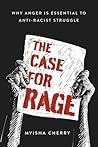
“If we put the avoidance technique in practice as a rule and stay away from all things that make us angry, I am not sure we would ever approach a problem or be productive in bringing an end to racial injustice.”
― The Case for Rage: Why Anger Is Essential to Anti-Racist Struggle
― The Case for Rage: Why Anger Is Essential to Anti-Racist Struggle
“If others listen to you despite the differences between you, they are allies. If they silence you, they are enemies. If they take you seriously, they are allies. If they immediately dismiss you, they are enemies.”
― The Case for Rage: Why Anger Is Essential to Anti-Racist Struggle
― The Case for Rage: Why Anger Is Essential to Anti-Racist Struggle
“The truth is hard to find. The question of "What do you want to tell us?" provides an opening for truth by centering the victim's perspective.”
― Failures of Forgiveness: What We Get Wrong and How to Do Better
― Failures of Forgiveness: What We Get Wrong and How to Do Better