Goodreads helps you follow your favorite authors. Be the first to learn about new releases!
Start by following Scott D. Anthony.

Showing 1-5 of 5
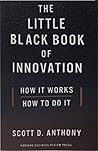
“Too many would-be beautiful businesses that could reinvent markets and create substantial value live only in PowerPoint documents, never to be launched.”
― The Little Black Book of Innovation: How It Works, How to Do It
― The Little Black Book of Innovation: How It Works, How to Do It
“the inherently risky nature of innovation means that companies can’t reward innovation efforts the way they reward core activities: an innovation team can do the exact right things and still fail, or succeed in spite of doing the exact wrong things. Worse, remember that when it comes to innovation, perceived failure is often an important step toward ultimate success. A seminal study in the mid-1980s found that that many new product “failures” were critical milestones that often presaged future successes. Typically, valuable insights came in the form of direct feedback about the viability of technology, consumer acceptance of features and pricing, and how to target new consumer segments and geographic markets.”
― The Little Black Book of Innovation: How It Works, How to Do It
― The Little Black Book of Innovation: How It Works, How to Do It
“To do something different, you have to do something different.”
― The Little Black Book of Innovation: How It Works, How to Do It
― The Little Black Book of Innovation: How It Works, How to Do It
“Creating a new business from scratch is hard, but executives of incumbents have the dual challenge of creating new businesses while simultaneously staving off never-ending attacks on existing operations, which provide vital cash flow and capabilities to invest in growth. The hastening pace of disruptive change means leaders have precious little time to respond. In fact, the time when leaders need to be most prepared for a change is right at the moment when they feel they’re at the very top of their game.”
― Dual Transformation: How to Reposition Today's Business While Creating the Future
― Dual Transformation: How to Reposition Today's Business While Creating the Future
“After all, we also suffer from a range of biases that inhibit our ability to accurately assess strengths and weaknesses (which explains why 90 percent of drivers self-report being above average). When we ask most companies what allows them to win in business, the most common response, after a spell of awkward silence, is, “Our brands.” Then we innocently follow up by asking the last time an industry upstart called, looking to license a corporate brand (typical answer: “Never”), or we ask them their estimated net promoter score (typical answer: either “What’s that?” or a negative number). The next contender typically is scale. But even though scale can create significant advantage, it also can carry downsides, such as molasses-like decision-making processes or inflexibility.”
― Dual Transformation: How to Reposition Today's Business While Creating the Future
― Dual Transformation: How to Reposition Today's Business While Creating the Future