Goodreads helps you follow your favorite authors. Be the first to learn about new releases!
Start by following Keith Payne.

Showing 1-30 of 84
“I believe we have to view inequality as a public health problem.”
― The Broken Ladder: How Inequality Affects the Way We Think, Live, and Die
― The Broken Ladder: How Inequality Affects the Way We Think, Live, and Die
“...high inequality is associated with higher rates of crime, greater risk of stress-related illness, and greater political polarization.”
― The Broken Ladder: How Inequality Affects the Way We Think, Live, and Die
― The Broken Ladder: How Inequality Affects the Way We Think, Live, and Die
“high inequality is associated with higher rates of crime, greater risk of stress-related illness, and greater political polarization. These problems degrade the quality of life for everyone, including the affluent. This may be why people are happier in more equal places even after adjusting for their individual incomes.”
― The Broken Ladder: How Inequality Affects the Way We Think, Live, and Die
― The Broken Ladder: How Inequality Affects the Way We Think, Live, and Die
“Because we habitually make social comparisons to the people we encounter in everyday contexts, another way to manage the effects of inequality is to change those contexts. So in addition to changing your comparisons, you can choose your situations wisely.”
― The Broken Ladder: How Inequality Affects the Way We Think, Live, and Die
― The Broken Ladder: How Inequality Affects the Way We Think, Live, and Die
“We are especially likely to manufacture meaningful patterns when we feel powerless.”
― The Broken Ladder: How Inequality Affects the Way We Think, Live, and Die
― The Broken Ladder: How Inequality Affects the Way We Think, Live, and Die
“Following that 350-year period of perfectly legal subjugation, a mere half century—less than a single lifetime—separates us from whites-only lunch counters, water fountains, and schools. How much have things changed since then?”
― The Broken Ladder: How Inequality Affects the Way We Think, Live, and Die
― The Broken Ladder: How Inequality Affects the Way We Think, Live, and Die
“To believe in a conspiracy, you trade a bit of your belief that the world is good, fair, and just in exchange for the conviction that at least someone—anyone—has everything under control.”
― The Broken Ladder: How Inequality Affects the Way We Think, Live, and Die
― The Broken Ladder: How Inequality Affects the Way We Think, Live, and Die
“In order to maintain the certitude that the world was fair, subjects manufactured flaws in the woman’s character.”
― The Broken Ladder: How Inequality Affects the Way We Think, Live, and Die
― The Broken Ladder: How Inequality Affects the Way We Think, Live, and Die
“The subjects who thought their earnings were inferior wanted to increase redistribution, as before. But they wanted everyone’s vote to count equally, regardless of whether the other player agreed or disagreed with them. The subjects who thought they were superior wanted to reduce redistribution, and they also voted to reject the votes of those who disagreed with them. The more they saw the other player as incompetent and irrational, the less they wanted his vote to count. This research was the first to show that feeling superior in status magnifies our feeling that we see reality as it is while our opponents are deluded. It supports the idea that as the top and the bottom of the social ladder drift further apart, our politics will become more divisive. That is exactly what has happened over the past several decades.”
― The Broken Ladder: How Inequality Affects the Way We Think, Live, and Die
― The Broken Ladder: How Inequality Affects the Way We Think, Live, and Die
“In study after study, subjects who see the world as a threatening and dangerous place tend to be more politically conservative. Those who see the world as safe, and who are motivated by exploring and trying new experiences, tend to support more liberal views.”
― The Broken Ladder: How Inequality Affects the Way We Think, Live, and Die
― The Broken Ladder: How Inequality Affects the Way We Think, Live, and Die
“In every country tested, respondents dramatically underestimated the degree of actual pay inequity. In the United States, for example, people estimated that CEOs earned about 30 times the average worker. In reality, the researchers point out, the average CEO earned $12.3 million in 2012. That is about 350 times the average worker’s income of $35,000.”
― The Broken Ladder: How Inequality Affects the Way We Think, Live, and Die
― The Broken Ladder: How Inequality Affects the Way We Think, Live, and Die
“Inequality makes people feel poor and act poor, even when they're not.”
― The Broken Ladder: How Inequality Affects the Way We Think, Live, and Die
― The Broken Ladder: How Inequality Affects the Way We Think, Live, and Die
“Although we would all like to believe ourselves to be members of the “not racist” club, we are all steeped in a culture whose history and present is built on massive racial inequality.”
― The Broken Ladder: How Inequality Affects the Way We Think, Live, and Die
― The Broken Ladder: How Inequality Affects the Way We Think, Live, and Die
“The best predictor of wanting to slash funding for welfare recipients is racial prejudice.”
― The Broken Ladder: How Inequality Affects the Way We Think, Live, and Die
― The Broken Ladder: How Inequality Affects the Way We Think, Live, and Die
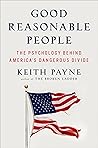
“our cognitive systems value self-protection, sometimes more than reason.”
― Good Reasonable People: The Psychology Behind America's Dangerous Divide
― Good Reasonable People: The Psychology Behind America's Dangerous Divide
“In one comprehensive analysis of thousands of corporations over nearly two decades, management professor Markus Fitza found that only about 5 percent of the performance differences between companies could be attributed to the CEO.”
― The Broken Ladder: How Inequality Affects the Way We Think, Live, and Die
― The Broken Ladder: How Inequality Affects the Way We Think, Live, and Die
“Fitza estimates than in addition to these uncontrollable elements, about 70 percent of a company’s performance, for which the CEO normally gets credit and blame, is a matter of pure random chance. When a corporation sets out to find a new chief executive, it often hires headhunters and consulting firms, spending months of work and millions of dollars to pick just the right candidate. Fitza’s research suggests that they might as well have identified a pool of applicants with the general qualifications required for the job, and then just pulled names out of a hat.”
― The Broken Ladder: How Inequality Affects the Way We Think, Live, and Die
― The Broken Ladder: How Inequality Affects the Way We Think, Live, and Die
“Bloom found exactly the opposite to be the case. The teams with the greatest levels of pay inequality performed worse than those with less inequality. Similar effects were found in an NFL study: Football teams with greater inequality won fewer games. This research also revealed an interesting wrinkle: Higher pay inequality was associated with higher team revenues. The most likely explanation for this finding is that spending huge amounts of money to attract superstars increases fans’ willingness to pay for tickets and media to watch these celebrity players, even if their expensive contracts undermined the team’s overall performance.”
― The Broken Ladder: How Inequality Affects the Way We Think, Live, and Die
― The Broken Ladder: How Inequality Affects the Way We Think, Live, and Die
“The next time you find yourself thinking about how you worked hard and deserve what you have earned, ask yourself what lucky breaks you had along the way.”
― The Broken Ladder: How Inequality Affects the Way We Think, Live, and Die
― The Broken Ladder: How Inequality Affects the Way We Think, Live, and Die
“The researchers coded the videotapes to see what characteristics of the Chatters might be communicating their class differences. They found that richer Chatters were more disengaged during the conversation. They spent more time grooming themselves, doodling, and fiddling with pens, phones, or other objects. The poorer Chatters, in contrast, were more engaged. They looked directly at their conversation partner, and they nodded and laughed more. Higher status meant that the richer participants didn’t have anything “on the line” in the conversation. The poorer participants, in contrast, were working harder to be liked and accepted.”
― The Broken Ladder: How Inequality Affects the Way We Think, Live, and Die
― The Broken Ladder: How Inequality Affects the Way We Think, Live, and Die
“That is to say, as needs increase, so, too, does risk taking.”
― The Broken Ladder: How Inequality Affects the Way We Think, Live, and Die
― The Broken Ladder: How Inequality Affects the Way We Think, Live, and Die
“Research by psychologist Nick Epley and colleagues has found that when people feel left out, left behind, or socially disconnected, they may also start to anthropomorphize the things around them.”
― The Broken Ladder: How Inequality Affects the Way We Think, Live, and Die
― The Broken Ladder: How Inequality Affects the Way We Think, Live, and Die
“Just as people often confused inequality with poverty, they often confuse the goal of reducing inequality with the goal of fostering economic growth. But the findings on the critical role played by inequality itself - on health, decision making, political and social divisions - argue that economic growth by itself is not sufficient.”
― The Broken Ladder: How Inequality Affects the Way We Think, Live, and Die
― The Broken Ladder: How Inequality Affects the Way We Think, Live, and Die
“The surveys that reveal little prejudice are the outlier here, which raises the question of to what extent those self-reports can be trusted. When we look at actual behaviors, we see the persistence of bias again and again.”
― The Broken Ladder: How Inequality Affects the Way We Think, Live, and Die
― The Broken Ladder: How Inequality Affects the Way We Think, Live, and Die
“The study found that talking for five minutes about an empowering experience significantly increased willingness to enroll in benefits programs.”
― The Broken Ladder: How Inequality Affects the Way We Think, Live, and Die
― The Broken Ladder: How Inequality Affects the Way We Think, Live, and Die
“The beliefs they had taken to be strongly held turned out to be props that they could pick up and set aside as needed. These studies do not demonstrate that people lack political convictions, but they do show that, in at least some cases, the reasons we articulate to explain our decisions are not the real basis of those decisions.”
― The Broken Ladder: How Inequality Affects the Way We Think, Live, and Die
― The Broken Ladder: How Inequality Affects the Way We Think, Live, and Die
“money to make money. Because wealth can be invested and therefore multiplied, money creates a natural cycle in which the rich get richer, stretching out the tail. Those who have nothing to invest simply can’t participate in that cycle and remain clumped at the bottom.”
― The Broken Ladder: How Inequality Affects the Way We Think, Live, and Die
― The Broken Ladder: How Inequality Affects the Way We Think, Live, and Die
“When people escape an impoverished background, they, too, are gone forever in a sense. Even if they return, they think differently, speak differently, and even eat differently. A family member once told me she didn’t want to set up education funds for her children because people came back from college as atheists. And what good is increased earnings potential when compared to eternal damnation?”
― The Broken Ladder: How Inequality Affects the Way We Think, Live, and Die
― The Broken Ladder: How Inequality Affects the Way We Think, Live, and Die
“Sometimes the ideological principles we turn to depend on what we have been thinking about lately. If I read a news story about a crime committed by a homeless person a few minutes before my walk down Franklin Street, I am more likely to think about the next panhandler I see in negative terms, simply because those ideas have been brought recently to mind. Psychologists call this phenomenon “accessibility.”
― The Broken Ladder: How Inequality Affects the Way We Think, Live, and Die
― The Broken Ladder: How Inequality Affects the Way We Think, Live, and Die
“It also ignores the fact that people’s behaviors are responses to their environments, and those environments can be changed. Individuals make bad choices more often if they, like my uncle, grew up in a cabin with a dirt floor amid a family of coal miners and sharecroppers. They make those choices more often in a high-inequality country, like the United States, than a lower-inequality one, like Canada. Even the disparity between high-inequality states, like Kentucky, and low-inequality states, like Iowa, translates to significant differences in people’s life outcomes.”
― The Broken Ladder: How Inequality Affects the Way We Think, Live, and Die
― The Broken Ladder: How Inequality Affects the Way We Think, Live, and Die