Goodreads helps you follow your favorite authors. Be the first to learn about new releases!
Start by following David John Robson.

Showing 1-3 of 3
“We live a world of greatness and a time of despair. We live in a global village, yet how many people can we truly call “my friend?” Similarly, in our topsy-turvy postmodern world, we may have sex with strangers yet not know the names of our neighbors! We sacrifice intimacy and friendship for fleeting “hook-ups.” We desire physical release and satisfaction without any mental, emotional, or spiritual connection. Instead of whole connectedness, we may consider sex as merely a fleeting and momentary physical release. This is reflective of much in postmodernism. We are drawn to the fleeting over the foundational, to instant gratification over long-term obligations, to self-satisfaction ahead of meeting the needs of others. We want, expect, and desire our wants and needs to be met (often instantly) while often feeling no obligation to respond in kind.”
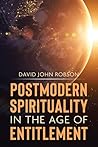
― Postmodern Spirituality in the Age of Entitlement
― Postmodern Spirituality in the Age of Entitlement
“Without question, I am a product of postmodernism.”
― Postmodern Spirituality in the Age of Entitlement
― Postmodern Spirituality in the Age of Entitlement
“In postmodernism, human knowledge seemed to double at great rates, but it’s impossible to continue at that rate. It’s one thing to double one’s knowledge from two to four, or four to eight. It’s another to double from a trillion! Nevertheless, the “size” of our current bank of knowledge is extensive and overwhelming. It’s reasonable to suggest that humanity accumulated more knowledge in the last decade than in all recorded history combined. Take a moment to ponder that piece of information. What does it say to you? How does it affect Western Society, Western Christianity, and Western spirituality? How does it affect you? In turn, we must ask if we have become any smarter or wiser. What do you think?”
― Postmodern Spirituality in the Age of Entitlement
― Postmodern Spirituality in the Age of Entitlement