Goodreads helps you follow your favorite authors. Be the first to learn about new releases!
Start by following Amy Thunig.

Showing 1-2 of 2
“Chapter 20-Part 2
"The hardest part of childhood with parents with these and are criminalised, isn’t necessarily life inside your home, it's how you are treated and mistreated by those outside your home. It’s the ways in which people with authority disrespect, demean, and dehumanise your whole family.
In childhood I am of my family, they are of me. We are treated collectively and collectively we are assessed to be worthless.”
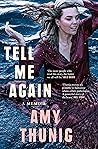
― Tell Me Again
"The hardest part of childhood with parents with these and are criminalised, isn’t necessarily life inside your home, it's how you are treated and mistreated by those outside your home. It’s the ways in which people with authority disrespect, demean, and dehumanise your whole family.
In childhood I am of my family, they are of me. We are treated collectively and collectively we are assessed to be worthless.”
― Tell Me Again
“I have been reading Amy Thunigs book.
And this quote stood out to me.
I really think this explains a lot about how AOD stigma and harmful prohibition drug policies that disproportionately criminalize the most marginalized has life long negative impacts not only on the people that use it themselves but their families. Especially when there are other intersects of discrimination involved.
Chp 20-part 2
"The hardest part of childhood with parents with these struggles (trauma, mental health conditions, drug addiction + Aboriginal etc) and are criminalized, isn’t necessarily life inside your home, it's how you are treated and mistreated by those outside your home. It’s the ways in which people with authority disrespect, demean, and dehumanize your whole family.
In childhood I am of my family, they are of me. We are treated collectively and collectively we are assessed to be worthless.”
― Tell Me Again
And this quote stood out to me.
I really think this explains a lot about how AOD stigma and harmful prohibition drug policies that disproportionately criminalize the most marginalized has life long negative impacts not only on the people that use it themselves but their families. Especially when there are other intersects of discrimination involved.
Chp 20-part 2
"The hardest part of childhood with parents with these struggles (trauma, mental health conditions, drug addiction + Aboriginal etc) and are criminalized, isn’t necessarily life inside your home, it's how you are treated and mistreated by those outside your home. It’s the ways in which people with authority disrespect, demean, and dehumanize your whole family.
In childhood I am of my family, they are of me. We are treated collectively and collectively we are assessed to be worthless.”
― Tell Me Again