Goodreads helps you follow your favorite authors. Be the first to learn about new releases!
Start by following Wendy Mogel.

Showing 1-19 of 19
“The sages advise us to study Torah lishma-"for its own sake" rather than to impress others with our scholarship. A paradox of parenting is that if we love our children for their own sake rather than for their achievements, it's more likely that they will reach their true potential.”
― The Blessing of a Skinned Knee: Using Jewish Teachings to Raise Self-Reliant Children
― The Blessing of a Skinned Knee: Using Jewish Teachings to Raise Self-Reliant Children
“If we want to give our children what they need to thrive, we must honor their basic nature- boyish or girlish, introverted or extroverted, wild or mellow.”
― The Blessing of a Skinned Knee: Using Jewish Teachings to Raise Self-Reliant Children
― The Blessing of a Skinned Knee: Using Jewish Teachings to Raise Self-Reliant Children
“A Hasidic teaching says, "If your child has a talent to be a baker, don't tell him to be a doctor." Judaism holds that every child is made in the divine image. When we ignore a child's intrinsic strengths in an effort to push him toward our notion of extraordinary achievement, we are undermining God's plan.”
― The Blessing of a Skinned Knee: Using Jewish Teachings to Raise Self-Reliant Children
― The Blessing of a Skinned Knee: Using Jewish Teachings to Raise Self-Reliant Children
“Real protection means teaching children to manage risks on their own, not shielding them from every hazard.”
― The Blessing of a Skinned Knee: Using Jewish Teachings to Raise Self-Reliant Children
― The Blessing of a Skinned Knee: Using Jewish Teachings to Raise Self-Reliant Children
“Unsure how to find grace and security in the complex world we’ve inherited, we try to fill up the spaces in our children’s lives with stuff: birthday entertainments, lessons, rooms full of toys and equipment, tutors and therapists. But material pleasures can’t buy peace of mind, and all the excess leads to more anxiety—parents fear that their children will not be able to sustain this rarefied lifestyle and will fall off the mountain the parents have built for them.”
― The Blessing of a Skinned Knee: Using Jewish Teachings to Raise Self-Reliant Children
― The Blessing of a Skinned Knee: Using Jewish Teachings to Raise Self-Reliant Children
“One of the most generous gifts you can give your child is to study her temperament, and once you've learned it, work to accept it.”
― The Blessing of a Skinned Knee: Using Jewish Teachings to Raise Self-Reliant Children
― The Blessing of a Skinned Knee: Using Jewish Teachings to Raise Self-Reliant Children
“No one is born feeling grateful; it’s an acquired skill. That’s why traditional Jewish law forbids spending money on the Sabbath. God commands us to stop shopping and count our blessings on that one day because he knows that left on our own, we wouldn’t be so inclined.”
― The Blessing of a Skinned Knee: Using Jewish Teachings to Raise Self-Reliant Children
― The Blessing of a Skinned Knee: Using Jewish Teachings to Raise Self-Reliant Children
“We take a snapshot of our teens in their current phase and mistake it for the epic movie of their entire life.”
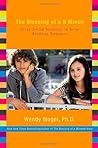
― The Blessing of a B Minus: Using Jewish Teachings to Raise Resilient Teenagers
― The Blessing of a B Minus: Using Jewish Teachings to Raise Resilient Teenagers
“A large, nationally representative study published in the journal Pediatrics showed that children aged ten to fifteen who play video games on any platform for an hour or less a day demonstrate better psychosocial adjustment compared with no play, whereas the opposite was true for those engaging in more than three hours of daily play.”
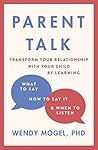
― Voice Lessons for Parents: What to Say, How to Say it, and When to Listen
― Voice Lessons for Parents: What to Say, How to Say it, and When to Listen
“Always, Judaism stresses deed before creed. Your actions, not your beliefs, are the true measure of your character...Judaism teaches that whether a person is considerate of others is as important as whether he prays daily. We are the sum of our actions, and most of our actions are small deeds, not large gestures.”
― The Blessing of a B Minus: Using Jewish Teachings to Raise Resilient Teenagers
― The Blessing of a B Minus: Using Jewish Teachings to Raise Resilient Teenagers
“Everything You NEVER Wanted Your Kids to Know About Sex but Were Afraid They’d Ask, by Justin Richardson and Mark Schuster.”
― The Blessing of a B Minus: Using Jewish Teachings to Raise Resilient Teenagers
― The Blessing of a B Minus: Using Jewish Teachings to Raise Resilient Teenagers
“Daughters don’t need to respect their mothers, she says, and mothers don’t need to demand that feeling from their daughters. The daughter can feel any way she likes. But in order to have the privilege of your attention she is required to speak politely.”
― Voice Lessons for Parents: What to Say, How to Say it, and When to Listen
― Voice Lessons for Parents: What to Say, How to Say it, and When to Listen
“If a child is distressed and sees Mom react with panic, he knows he should wail; if she’s compassionate but calm, he tends to recover quickly.”
― The Blessing of a Skinned Knee: Using Jewish Teachings to Raise Self-Reliant Children
― The Blessing of a Skinned Knee: Using Jewish Teachings to Raise Self-Reliant Children
“The Blessing of a B Minus: The Real Lessons of Homework, Chores, and Jobs”
― The Blessing of a B Minus: Using Jewish Teachings to Raise Resilient Teenagers
― The Blessing of a B Minus: Using Jewish Teachings to Raise Resilient Teenagers
“There was a time when a young person rose when an adult entered the room, would not consider calling adults by their first names, and automatically came to the door to pick up a date. I am not nostalgic for this time. Socially acceptable behavior also included discrimination of every sort, sweeping family problems under the rug, and establishing household order through intimidation and submissive deference to Dad the All-Knowing Patriarch.”
― The Blessing of a B Minus: Using Jewish Teachings to Raise Resilient Teenagers
― The Blessing of a B Minus: Using Jewish Teachings to Raise Resilient Teenagers
“One final suggestion before we start our study of conversation. When talking with children, pretend you’re an armchair traveler or cultural anthropologist. What are the ways of these people? What are their traditions, their beliefs? Whom do they admire, and why? What are they striving for? As you enter their land, let an open mind, curiosity, and courage be your guide.”
― Voice Lessons for Parents: What to Say, How to Say it, and When to Listen
― Voice Lessons for Parents: What to Say, How to Say it, and When to Listen
“How Do I Decide? A Contemporary Jewish Approach to What’s Right and Wrong, Rabbi Roland B. Gittlesohn’s”
― The Blessing of a B Minus: Using Jewish Teachings to Raise Resilient Teenagers
― The Blessing of a B Minus: Using Jewish Teachings to Raise Resilient Teenagers
“The muscles that allow us to talk are strengthened when we chew and swallow. As baby progresses from rooting for a nipple at birth, to more robust sucking, to eating her first mushy solids at age four to six months, she is preparing to utter her first words. Certain speech milestones correlate directly to baby’s eating milestones, for example, taking single sips from an open cup (not a sippy cup or bottle) correlates with advanced lip-movement sounds such as “w,” and being able to move food around inside the mouth enables baby to properly enunciate her words.”
― Voice Lessons for Parents: What to Say, How to Say it, and When to Listen
― Voice Lessons for Parents: What to Say, How to Say it, and When to Listen
“A cornerstone of Jewish thought is that God created each of us to fulfill a specific purpose during life in this world. Each person is responsible for discovering and carrying out their divinely intended purpose.”
― The Blessing of a B Minus: Using Jewish Teachings to Raise Resilient Teenagers
― The Blessing of a B Minus: Using Jewish Teachings to Raise Resilient Teenagers