Goodreads helps you follow your favorite authors. Be the first to learn about new releases!
Start by following Rob Moll.

Showing 1-28 of 28
“While we do not mourn as those who have no hope, we do mourn.”
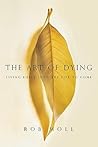
― The Art of Dying: Living Fully into the Life to Come
― The Art of Dying: Living Fully into the Life to Come
“if Christians are to know the greatness of Jesus Christ’s victory over death, they must know that death is evil.”
― The Art of Dying: Living Fully into the Life to Come
― The Art of Dying: Living Fully into the Life to Come
“Death is real; there is no need to say that because our loved one is in heaven, death doesn’t exist.”
― The Art of Dying: Living Fully into the Life to Come
― The Art of Dying: Living Fully into the Life to Come
“The living Christians and the dead are still of one body, still of one hope.”
― The Art of Dying: Living Fully into the Life to Come
― The Art of Dying: Living Fully into the Life to Come
“Christians sometimes impose a kind of ban on mourning, using the hope of heaven as an excuse to avoid being confronted with someone else’s pain.”
― The Art of Dying: Living Fully into the Life to Come
― The Art of Dying: Living Fully into the Life to Come
“However, those in mourning and their comforters may make grieving more difficult when our Christian hope is used to discourage public mourning.”
― The Art of Dying: Living Fully into the Life to Come
― The Art of Dying: Living Fully into the Life to Come
“Shorter prayers in which we make requests to God—the kind many of us are most familiar with—go undetected by a brain scan. This doesn’t mean they don’t work or they are not valuable. But it may encourage you toward deeper, longer prayer when you learn that twelve minutes of attentive and focused prayer every day for eight weeks changes the brain significantly enough to be measured in a brain scan.1 Not only that, but it strengthens areas of the brain involved in social interaction, increasing our sense of compassion and making us more sensitive to other people. It also reduces stress, bringing another measurable physical effect—lower blood pressure. Prayer in this deeper, more attentive way also strengthens the part of the brain that helps us override our emotional and irrational urges. Prayer that seeks communion with God actually makes us more thoughtful and rational, enhances our sense of peace and well-being, and makes us more compassionate and responsive to the needs of other people.”
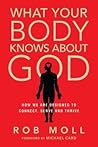
― What Your Body Knows About God: How We Are Designed to Connect, Serve and Thrive
― What Your Body Knows About God: How We Are Designed to Connect, Serve and Thrive
“Mourning is the transition from one life with a person we loved to another life without that person.”
― The Art of Dying: Living Fully into the Life to Come
― The Art of Dying: Living Fully into the Life to Come
“Paul called death the last enemy. Death is indeed evil. Yet death is also a mercy; it is the final affliction of life’s miseries.”
― The Art of Dying: Living Fully into the Life to Come
― The Art of Dying: Living Fully into the Life to Come
“it is good to look death in the eye and constantly remind ourselves that our hope is in God, who defeated death.”
― The Art of Dying: Living Fully into the Life to Come
― The Art of Dying: Living Fully into the Life to Come
“funeral, he says, is like the North Star to a sailor.”
― The Art of Dying: Living Fully into the Life to Come
― The Art of Dying: Living Fully into the Life to Come
“The funeral is when a mourner is for the first time among society as a different person.”
― The Art of Dying: Living Fully into the Life to Come
― The Art of Dying: Living Fully into the Life to Come
“We all need to learn to die well, whatever age we are.”
― The Art of Dying: Living Fully into the Life to Come
― The Art of Dying: Living Fully into the Life to Come
“Proper grieving takes time, and taking that time recognizes the importance of the person’s life.”
― The Art of Dying: Living Fully into the Life to Come
― The Art of Dying: Living Fully into the Life to Come
“unfamiliarity with death can discourage us from fulfilling our familial responsibilities.”
― The Art of Dying: Living Fully into the Life to Come
― The Art of Dying: Living Fully into the Life to Come
“For Christians in previous centuries, death was a sacred moment long prepared for.”
― The Art of Dying: Living Fully into the Life to Come
― The Art of Dying: Living Fully into the Life to Come
“Surely God is quite active at the deaths of his beloved, for precious in his sight are the deaths of his saints.”
― The Art of Dying: Living Fully into the Life to Come
― The Art of Dying: Living Fully into the Life to Come
“In the end death is as mysterious to us as resurrection.”
― The Art of Dying: Living Fully into the Life to Come
― The Art of Dying: Living Fully into the Life to Come
“Prepare your heart for your departure. If you are wise, you will expect it every hour. . . . And when the time of departure comes, go joyfully to meet it, saying, “come in peace. I knew you would come, and I have not neglected anything that could help me on the journey.”[10]”
― The Art of Dying: Living Fully into the Life to Come
― The Art of Dying: Living Fully into the Life to Come
“God is glorified when people die having lived a full life, accepting God’s plan, hoping for continued life in Christ and trusting God to care for them in the journey from this life to the next.”
― The Art of Dying: Living Fully into the Life to Come
― The Art of Dying: Living Fully into the Life to Come
“When Christians don’t allow for true lament, they can cut short the grieving process.”
― The Art of Dying: Living Fully into the Life to Come
― The Art of Dying: Living Fully into the Life to Come
“God, however, doesn’t need the surgeon’s assistance to restore health.”
― The Art of Dying: Living Fully into the Life to Come
― The Art of Dying: Living Fully into the Life to Come
“Dying is an art only because through it God is at work. Only in God’s hand can something ugly and terrible be transformed into a thing of beauty and purpose. In the end death is as mysterious to us as resurrection.”
― The Art of Dying: Living Fully into the Life to Come
― The Art of Dying: Living Fully into the Life to Come
“Where I live, on the West Coast, most churches tend to be small and to have little influence in the culture. Stark and Finke explain, “A major reason for the lack of church membership in the West is high rates of mobility, which decrease the ability of all voluntary organizations, not just churches, to maintain membership. That is, people move so often that they lack the social ties needed to affiliate with churches.”25 To address this problem, one of the most effective church-planting networks in the United States began in Tacoma, Washington, by using a method of developing intensive community in neighborhoods. Soma Communities fosters deep and intense relationships by teaching church planters to get closely involved in their neighborhoods, opening their homes to neighbors, gathering friends together on a regular basis, and forming “missional communities” focused on discovering and meeting the needs of neighbors and the community. It is these relational bonds that make someone unfamiliar with Christianity want to try it out. Rick Richardson, who directs the evangelism and leadership program at Wheaton College Graduate School, argues that “belonging comes before believing.” He contrasts older methods of evangelism that focused on asking individuals to make a set of commitments. Today, asserts Richardson, presenting four spiritual laws and inviting people to make decisions for Christ is less effective. “Evangelism is about helping people belong so that they can come to believe. So our communities need to be places where people can connect before they have to commit.”26 The idea is held up by social science research showing that converts tend to sign on to a new faith only after their social ties become stronger to those in the new faith than to others outside it. “This often occurs before a convert knows much about what the group believes.”
― What Your Body Knows About God: How We Are Designed to Connect, Serve and Thrive
― What Your Body Knows About God: How We Are Designed to Connect, Serve and Thrive
“A funeral begins the reintegration of a mourning believer into the community of Christians.”
― The Art of Dying: Living Fully into the Life to Come
― The Art of Dying: Living Fully into the Life to Come
“God himself is in control of our leaving this world,”
― The Art of Dying: Living Fully into the Life to Come
― The Art of Dying: Living Fully into the Life to Come
“Funerals help us to measure our days.”
― The Art of Dying: Living Fully into the Life to Come
― The Art of Dying: Living Fully into the Life to Come
“Churches that are “growing younger” don’t allow their members to do what they all must: grow older.”
― The Art of Dying: Living Fully into the Life to Come
― The Art of Dying: Living Fully into the Life to Come