Goodreads helps you follow your favorite authors. Be the first to learn about new releases!
Start by following Lita Epstein.

Showing 1-16 of 16
“The IRS requires you to use the accrual method if your business meets one or more of the following conditions: • Your business has inventory. • Your business is a C corporation. • Your gross sales exceed $5 million. (Some exceptions to this rule include sole proprietors, personal service companies, and farming businesses.)”
― The Complete Idiot's Guide to Accounting
― The Complete Idiot's Guide to Accounting
“Balance sheet accounts are never closed and their balances are carried forward from year to year, but you need to be sure the proper adjustments are made to place transactions in the correct year.”
― The Complete Idiot's Guide to Accounting
― The Complete Idiot's Guide to Accounting
“The balance sheet is made up of assets, liabilities, and equity. The P&L statement includes income, cost of sales, and expenses.”
― The Complete Idiot's Guide to Accounting
― The Complete Idiot's Guide to Accounting
“owner’s equity (net worth) = assets - liabilities Basically,”
― The Complete Idiot's Guide to Accounting
― The Complete Idiot's Guide to Accounting
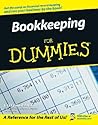
“Each transaction goes in the appropriate journal in chronological order. The entry should include information about the date of the transaction, the accounts to which the transaction was posted, and the source material used for developing the transaction.”
― Bookkeeping For Dummies
― Bookkeeping For Dummies
“Many small businesses use what is called a modified cash-basis accounting method. These businesses record most transactions when cash is exchanged, but account for certain transactions, such as the purchase and use of equipment, over time using a method called depreciation.”
― The Complete Idiot's Guide to Accounting
― The Complete Idiot's Guide to Accounting
“S corporations do not pay taxes. For tax purposes, they are treated primarily as a partnership with profits and losses passed through to the owners. All income and expenses are passed through to the owners/shareholders, even if they include you, your spouse, and your children.”
― The Complete Idiot's Guide to Accounting
― The Complete Idiot's Guide to Accounting
“Have you heard this classic accounting joke? Question: What’s the definition of an accountant? Answer: Someone who solves a problem you didn’t know you had in a way you don’t understand.”
― The Complete Idiot's Guide to Accounting
― The Complete Idiot's Guide to Accounting
“A payoff of loan principal reduces the liability section of the balance sheet, and a payment of interest increases the expense section of the profit and loss (P&L) statement.”
― The Complete Idiot's Guide to Accounting
― The Complete Idiot's Guide to Accounting
“a trial balance is. Basically it’s a worksheet or report that lists all of the accounts in the general ledger, the monthly summary of account totals, and their year-to-date balances.”
― The Complete Idiot's Guide to Accounting
― The Complete Idiot's Guide to Accounting
“Few businesses record each individual expense payment or each individual sale in the general ledger. Instead businesses have subledgers for key accounts, known as control accounts, including the Accounts Payable and Accounts Receivable accounts. Working”
― The Complete Idiot's Guide to Accounting
― The Complete Idiot's Guide to Accounting
“assets = liabilities + owner’s equity or”
― The Complete Idiot's Guide to Accounting
― The Complete Idiot's Guide to Accounting
“Basically you start this process from the bottom up. In other words, you check your balances in sub-ledgers or journals to be sure they are correct.”
― The Complete Idiot's Guide to Accounting
― The Complete Idiot's Guide to Accounting
“An accountant is someone who knows the cost of everything and the value of nothing.”
― The Complete Idiot's Guide to Accounting
― The Complete Idiot's Guide to Accounting
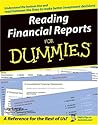
“Public companies, which sell stock on the open market, must file a series of reports with the Securities and Exchange Commission (SEC) each year if they have at least 500 investors or at least $10 million in assets. Smaller companies that have incorporated and sold stock must report to the state in which they incorporated, but they aren't required to file with the SEC. You can find more details about the SEC's reporting requirements for public companies in Chapters 3 and 19.”
― Reading Financial Reports For Dummies
― Reading Financial Reports For Dummies
“Each year, a portion of the original cost of an asset is written off as an expense, and that change is noted as an adjusting entry. Determining”
― Bookkeeping For Dummies
― Bookkeeping For Dummies