Goodreads helps you follow your favorite authors. Be the first to learn about new releases!
Start by following David Tuffley.

Showing 1-30 of 34
“But if you do not find an intelligent companion, a wise and well-behaved person going the same way as yourself, then go on your way alone, like a king abandoning a conquered kingdom, or like a great elephant in the deep forest – The Buddha.”
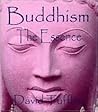
― The Essence of Buddhism
― The Essence of Buddhism
“Being attached to any worldly thing always leads to suffering, since nothing in the world is permanent and any attachment to impermanence is certain to cause suffering.”
― The Essence of Buddhism
― The Essence of Buddhism
“The greatest achievement is selflessness.”
― The Essence of Buddhism
― The Essence of Buddhism
“When happiness comes along, enjoy it while it lasts because it will not be permanent. You should not try hold onto it as if it were permanent because when it leaves, it will upset you.”
― The Essence of Buddhism
― The Essence of Buddhism
“The mental energy that is consumed by right effort is directed into self-discipline, truthfulness and compassion. The same energy might otherwise be channelled through a person’s base nature to produce desire, aggression and violence. Right effort ensures that this mental energy is expressed in wholesome ways.”
― The Essence of Buddhism
― The Essence of Buddhism
“The enlightened person therefore tells the truth, speaks with warm gentleness when they do speak, and refrains from speaking when they have nothing important to say.”
― The Essence of Buddhism
― The Essence of Buddhism
“Zen Koans The koan is an enigmatic or paradoxical question used to develop a person’s Intuition. Koans are a valuable tool in your quest for enlightenment, but how do they work and why use them? Koans work by confounding logic and forcing a person out of their normal thinking and into the realm of Intuition. In other words, the inherent meaning is inaccessible to rational understanding, but perhaps accessible to Intuition. This book presents some of the classic koans from traditional Zen, originally written hundreds of years ago in Japanese, and re-interpreted from early English translations into early 21st Century English. The underlying meaning is still there, so they will still work as a koan should, but they are expressed in language more easily understood by people in the 21st Century. Each koan encapsulates a profound truth for reflection. Zen counsels the lessening of the ego, not the strengthening of it as consumer culture would urge. Instead of making a name for ourselves in society, we should listen to the voice of pines and cedars when no wind stirs, in other words become no-thing, entering instead the field of pure being that is behind the phenomenal world.”
― Zen Kōans: Ancient Wisdom For Today
― Zen Kōans: Ancient Wisdom For Today
“The greatest wisdom is seeing through appearances.”
― The Essence of Buddhism
― The Essence of Buddhism
“essence of Buddhism: The greatest achievement is selflessness. The greatest worth is self-mastery. The greatest quality is seeking to serve others. The greatest precept is continual awareness. The greatest medicine is the emptiness of everything. The greatest action is not conforming with the worlds ways. The greatest magic is transmuting the passions. The greatest generosity is non-attachment. The greatest goodness is a peaceful mind. The greatest patience is humility. The greatest effort is not concerned with results. The greatest meditation is a mind that lets go. The greatest wisdom is seeing through appearances.”
― The Essence of Buddhism
― The Essence of Buddhism
“The third noble truth holds that you can end your suffering by eliminating the desire for sensual gratification and breaking the attachments you have to the egoic self and any of the other conceptual structures that are the furniture of your life.”
― The Essence of Buddhism
― The Essence of Buddhism
“think”
― Being Happy
― Being Happy
“The enlightened person has learned to observe their mind and control how it goes. They have cultivated consciousness about consciousness. It is doubtful whether any other creature on the planet is capable of this meta-awareness, since it appears to be a function of the recently evolved portions of the human brain that other animals do not have. Exercising these higher brain functions does not happen automatically in most people, it must be cultivated through right mindfulness.”
― The Essence of Buddhism
― The Essence of Buddhism
“The enlightened person can take immediate action to end the suffering, but while it lasts, they accept the reality of it and simply allow it to be, knowing that it will pass.”
― The Essence of Buddhism
― The Essence of Buddhism
“The cultivation of Right View is about applying the four noble truths in your life, taking them from an abstract idea into a living reality. The enlightened person sees the truth of the world, recognising the flawed and temporary nature of objects and ideas. They see the cause and effect relationships that connect the events of the world (karma). Because all ideas and concepts are ultimately impermanent, the enlightened person does not rely on ideologies and other external explanations of the world in order to practice Right View. Instead they cultivate their Intuition and use it to build a deeper, more complete understanding of the world beyond the level of appearances.”
― The Essence of Buddhism
― The Essence of Buddhism
“When we receive disapproval, it is profoundly uncomfortable. Most of us will do anything to avoid it. That means compliantly going along in order to get along. Disapproval is an instrument of control that society uses”
― Being Happy
― Being Happy
“has achieved Satori in Zen is described. They are qualitatively the same experience. It is a natural human state, albeit a state that few people have yet reached, but one which is certainly reachable with commitment and effort. An example”
― Being Happy
― Being Happy
“stereotyped appreciation of people and things. Moment to moment living is thrilling, transcendent and spiritual. SA people live the present moment to the fullest. Peak experiences. In Maslow’s”
― Being Happy
― Being Happy
“simply by deciding (and following through on the decision) to observe the on-going activity in your own mind. Using a computer metaphor, you activate a monitoring program that watches what is going on. Eckhart Tolle calls this a new dimension of thought. There is the part”
― Being Happy
― Being Happy
“the enlightened person does not rely on ideologies and other external explanations of the world in order to practice Right View. Instead they cultivate their Intuition and use it to build a deeper, more complete”
― The Essence of Buddhism
― The Essence of Buddhism
“The greatest effort is not concerned with results.”
― The Essence of Buddhism
― The Essence of Buddhism
“If you are monitoring your thinking and behavior, you might notice that much of what you think and do conforms to what people expect. To the greatest extent possible, you should listen to what your own intuition is telling you about people and situations and behave according to this. As you become Self-Actualised, the voice of your intuition becomes stronger because”
― Being Happy
― Being Happy
“The mental energy that is consumed by right effort is directed into self-discipline, truthfulness and compassion.”
― The Essence of Buddhism
― The Essence of Buddhism
“The greatest achievement is selflessness. The greatest worth is self-mastery. The greatest quality is seeking to serve others. The greatest precept is continual awareness. The greatest medicine is the emptiness of everything. The greatest action is not conforming with the worlds ways. The greatest magic is transmuting the passions. The greatest generosity is non-attachment. The greatest goodness is a peaceful mind. The greatest patience is humility. The greatest effort is not concerned with results. The greatest meditation is a mind that lets go. The greatest wisdom is seeing through appearances.”
― The Essence of Buddhism
― The Essence of Buddhism
“Now that I know my Creator Immediately after becoming enlightened, the Buddha is reported to”
― The Dhammapada: Your Guide on the Path to Enlightenment in the 21st Century
― The Dhammapada: Your Guide on the Path to Enlightenment in the 21st Century
“placement in time and space with, finally, the conviction that something extremely important and valuable had happened, so that the subject was to some extent transformed and strengthened even in his daily life by such experiences. When peak experiences are especially powerful, the sense of self dissolves into an awareness of a greater unity.’ (from Religion, Values and”
― Being Happy
― Being Happy
“at. Being honest with yourself, like mindfulness, is a foundation for Self-Actualisation. SA people are honest, even brutally honest with themselves at every level of their lives. What they aim for is congruency between their inner and outer worlds. Honesty will eventually create harmony inside and outside of yourself. Nature cannot lie to itself, but humans can lie to”
― Being Happy
― Being Happy
“Right mindfulness is therefore about becoming (a) conscious of your mind’s tendency to interpret and distort meaning from our experience of the world, and (b) to limit this tendency by simply allowing the world to be what it is without judging it or wishing it were otherwise.”
― The Essence of Buddhism
― The Essence of Buddhism
“Right mindfulness is a state of heightened consciousness in which a person has cultivated the mental ability to see the world around them clearly, without delusion.”
― The Essence of Buddhism
― The Essence of Buddhism
“The enlightened person understands that adversity can be a great teacher. Not everything has to feel good for there to be a benefit embedded somewhere in the experience.”
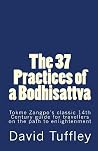
― The 37 Practices of a Bodhisattva: Tokme Zangpo's classic 14th Century guide for travellers on the path to enlightenment
― The 37 Practices of a Bodhisattva: Tokme Zangpo's classic 14th Century guide for travellers on the path to enlightenment
“The enlightened person sees the truth of the world, recognising the flawed and temporary nature of objects and ideas. They see the cause and effect relationships that connect the events of the world (karma).”
― The Essence of Buddhism
― The Essence of Buddhism