Goodreads helps you follow your favorite authors. Be the first to learn about new releases!
Start by following Craig J. Bryan.

Showing 1-5 of 5
“The things that reduce the symptoms of mental illness probably are not the same things that reduce the probability of suicidal behaviors. Unfortunately we don’t know which active ingredients of suicide focused treatments enable them to reduce the probability of suicidal behaviors better than status quo treatments. We can however reasonably conclude that suicide focused treatments do a better job at reducing the probability of suicidal behaviors because they act on something other than the symptoms of mental illness.”
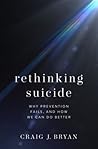
― Rethinking Suicide: Why Prevention Fails, and How We Can Do Better
― Rethinking Suicide: Why Prevention Fails, and How We Can Do Better
“If for example you are diagnosed with depression, then your clinician might prescribe therapy to reduce your depression and or recommend anti-depressant medication. As we have discussed previously though, reducing the symptoms of mental illness does not seem to reduce the probability that someone will make a suicide attempt. Two treatments in particular, dialectical behavior therapy DBT and cognitive behavioral therapy for suicide prevention, CBT-SP, have demonstrated the ability to reduce the probability of suicidal behaviors in multiple studies conducted by multiple research teams. Other treatments that share many of the same characteristics and components as these treatments via attempted suicide.”
― Rethinking Suicide: Why Prevention Fails, and How We Can Do Better
― Rethinking Suicide: Why Prevention Fails, and How We Can Do Better
“Today the causes of suicide are similarly unknown, but evidence from multiple sources suggests that certain types of treatments and interventions can reduce suicidal behaviors better than status quo practices, which often conceptualizes suicide as a symptom or outcome of mental illness. Consistent with this perspective, status quo practices target a patients diagnosed mental illness based on the assumption that reducing these symptoms or eliminating the psychological or behavioral disorder also will reduce or eliminate the risk of suicide.”
― Rethinking Suicide: Why Prevention Fails, and How We Can Do Better
― Rethinking Suicide: Why Prevention Fails, and How We Can Do Better
“process-based approach would include the following key features: (1) becoming comfortable with what we don’t know; (2) embracing the inherent complexity of suicide; (3) moving beyond a mental-illness-based model of suicide; (4) recognizing the importance of context; (5) being willing to change what we do even when it’s uncomfortable or inconvenient; and (6) attending to quality-of-life issues and social factors that influence the perceived value of living.”
― Rethinking Suicide: Why Prevention Fails, and How We Can Do Better
― Rethinking Suicide: Why Prevention Fails, and How We Can Do Better
“If someone says they want to die or want to hurt or kill themselves”
― Rethinking Suicide: Why Prevention Fails, and How We Can Do Better
― Rethinking Suicide: Why Prevention Fails, and How We Can Do Better