Goodreads helps you follow your favorite authors. Be the first to learn about new releases!
Start by following Jerry Givens.

Showing 1-2 of 2
“The Five Prana Vayus 1.Udana Vayu – The upward and outward movement of energy. This vayu governs enthusiasm, inspiration, expansion, and ascension. As prana enters the body, udana moves it upward toward the throat and face. With pranayama, udana vayu is affected by controlling the inhalation side of the breath and any retention of the breath after inhalation. 2.Prana Vayu – (Sometimes called “Pran” Vayu): The inward and upward movement of energy. This vayu governs the intake of prana into the body, as well as inhalation, eating, drinking, sensory impression, and mental experiences, and it is energizing and vitalizing. Prana vayu controls prana as it enters the body through the region of the chest and then ascends. With pranayama, prana vayu is affected by controlling the inhalation side of the breath and its capacity in the body. 3.Samana Vayu – The assimilating, inward-spiraling movement of energy. This vayu governs the assimilation of food, oxygen, and all experiences into the system. As prana enters the body, samana spirals it inward to coalesce around the navel center. With pranayama, samana vayu is affected by balancing the lengths and capacity of both the inhalation and exhalation. 4.Apana Vayu – The downward and outward movement of energy. This vayu governs the elimination of waste, as well as exhalation, energetic grounding, childbirth, and the removal of negative emotional and psychological experiences. Apana vayu moves prana downward toward the reproductive organs and out of the body, aiding with letting go. With pranayama, apana vayu is affected by controlling the exhalation side of the breath. 5.Vyana Vayu – The expanding and circulating movement of energy. This vayu governs the circulation of nutrients in the blood and bodily fluids, emotions and thoughts, and engagement in the wider world. Vyana vayu spirals from the center of the body and expands outward, integrating prana into the body and world. With pranayama, vyana vayu is affected by controlling the capacity of both the inhalation and exhalation.”
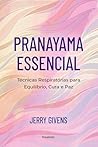
― Essential Pranayama: Breathing Techniques for Balance, Healing, and Peace
― Essential Pranayama: Breathing Techniques for Balance, Healing, and Peace
“In recent years, scientists have come to understand that consciously controlling your breath can have huge benefits on your overall system, primarily with regard to the regulation of your nervous system in relation to anxiety, depression, and restlessness. The vagal response is the stimulation of the vagus nerve, which runs down along the anterior portion of your spine from your brain to your internal organs. When the vagus nerve is stimulated, a signal is sent to the brain to reduce your blood pressure and calm your body and mind, reducing stress and helping to manage chronic illness, as healing can happen only in a more relaxed state of being. For example, if your amygdala, the nerve center at the lower-central part of your brain, is agitated, it triggers your sympathetic nervous system (SNS) and your fight-or-flight response. You may become anxious, fearful, reactive, or frozen. Once triggered, this response lasts at least 20 minutes, but you can often find yourself stuck in this state for much longer. According to Dr. Mladen Golubic, an internist at Cleveland Clinic’s Center for Integrative Medicine, when in this state, you take shallow chest breaths, sometimes halting the breath completely, extending the effects of your SNS response. By taking deeper and fuller breaths, especially by allowing the abdomen to relax and expand, the vagus nerve is stimulated, and calm can quickly be restored. This calming and stress-reducing response is called the parasympathetic nervous system (PNS) response, or vagal response. When your SNS is calmed, you have more access to the prefrontal cortex of your brain, boosting your ability to think clearly and rationalize. Dr. Golubic goes on to say, “The vagal response reduces stress. It reduces our heart rate and blood pressure.” This regulation of the nervous system is one of the primary benefits of a consistent pranayama practice.”
― Essential Pranayama: Breathing Techniques for Balance, Healing, and Peace
― Essential Pranayama: Breathing Techniques for Balance, Healing, and Peace