Goodreads helps you follow your favorite authors. Be the first to learn about new releases!
Start by following Shai Held.

Showing 1-30 of 33
“R. Abraham Ibn Ezra (1089–1167) takes this to a daunting extreme: One who witnesses oppression and says nothing, he insists, will meet the same fate as the oppressor himself (shorter commentary to Exod. 22:20–22). According to Jewish ethics, then, “in a society where some are oppressed, all are implicated. There are no innocent bystanders.”
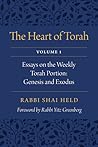
― The Heart of Torah, Volume 1: Essays on the Weekly Torah Portion: Genesis and Exodus
― The Heart of Torah, Volume 1: Essays on the Weekly Torah Portion: Genesis and Exodus
“Awareness of the divine,” Heschel writes, ultimately “bristles with an unbearable concern that deprives us of complacency and peace of mind, forcing us to care for ends which we do not wish to care for, for ends which have no appeal to our personal interest.” We resist this ineffable call “with all our might, pride and self-reliance,” but it is an “enforced concern . . . a pressure that weighs upon us,” and it “plants a question, a behest, in front of us, which our heart echoes like a bell, overpowering as if it were the only sound in endless stillness and we the only ones to answer it.” The voice of God, Heschel tells us, demands “concern for the unregarded.”
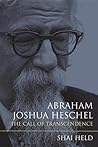
― Abraham Joshua Heschel: The Call of Transcendence
― Abraham Joshua Heschel: The Call of Transcendence
“The God of Israel is against injustice in all its forms, and not just injustice against this people or that (no matter how beloved). Put somewhat differently: what both Moses and Frederick Douglass intuitively understood is that for all the profound importance of ethnic solidarity, a wider human solidarity is also fundamental. One cannot lead this particular people without a concern for justice for all people(s).”
― The Heart of Torah, Volume 1: Essays on the Weekly Torah Portion: Genesis and Exodus
― The Heart of Torah, Volume 1: Essays on the Weekly Torah Portion: Genesis and Exodus
“But we are all also asked to live with our eyes open, in full view of just how complicated both we and the world are, and thus of how hard and elusive moral progress really is. We can and must improve ourselves; but we cannot perfect ourselves. We can and must improve the world, but we cannot perfect it.”
― The Heart of Torah, Volume 1: Essays on the Weekly Torah Portion: Genesis and Exodus
― The Heart of Torah, Volume 1: Essays on the Weekly Torah Portion: Genesis and Exodus
“Tanakh is in part the story of God’s struggle to subdue the forces of chaos, both cosmic and historical, so that human life can flourish.”
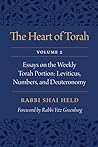
― The Heart of Torah, Volume 2: Essays on the Weekly Torah Portion: Leviticus, Numbers, and Deuteronomy
― The Heart of Torah, Volume 2: Essays on the Weekly Torah Portion: Leviticus, Numbers, and Deuteronomy
“If you want to love God, love those whom God loves. Love the fatherless, the widow, the orphan, and the stranger.”
― The Heart of Torah, Volume 1: Essays on the Weekly Torah Portion: Genesis and Exodus
― The Heart of Torah, Volume 1: Essays on the Weekly Torah Portion: Genesis and Exodus
“I do not think of believers and nonbelievers as “us” and “them.” Belief and nonbelief are both part of us, and to be totally honest, they are both part of me.”
― Judaism Is About Love: Recovering the Heart of Jewish Life
― Judaism Is About Love: Recovering the Heart of Jewish Life
“What has changed after the flood is not human nature but God’s attitude toward it.”
― The Heart of Torah, Volume 1: Essays on the Weekly Torah Portion: Genesis and Exodus
― The Heart of Torah, Volume 1: Essays on the Weekly Torah Portion: Genesis and Exodus
“To be sure, Moses does instruct the people in how to worship God, but he also teaches them torts, because biblical religion is, to a great extent, about learning to live with others.”
― The Heart of Torah, Volume 2: Essays on the Weekly Torah Portion: Leviticus, Numbers, and Deuteronomy
― The Heart of Torah, Volume 2: Essays on the Weekly Torah Portion: Leviticus, Numbers, and Deuteronomy
“God’s love may extend even to people we (perhaps legitimately) cannot stand.”
― The Heart of Torah, Volume 2: Essays on the Weekly Torah Portion: Leviticus, Numbers, and Deuteronomy
― The Heart of Torah, Volume 2: Essays on the Weekly Torah Portion: Leviticus, Numbers, and Deuteronomy
“We are charged never to go along to get along; in the face of injustice, we are challenged by God to speak up.”
― The Heart of Torah, Volume 1: Essays on the Weekly Torah Portion: Genesis and Exodus
― The Heart of Torah, Volume 1: Essays on the Weekly Torah Portion: Genesis and Exodus
“Judaism’s view is that we are called to be world builders; God believes in our ability to renew ourselves, and to make real and deep contributions to realizing a more just, decent, and compassionate world.”
― The Heart of Torah, Volume 1: Essays on the Weekly Torah Portion: Genesis and Exodus
― The Heart of Torah, Volume 1: Essays on the Weekly Torah Portion: Genesis and Exodus
“in the Torah’s values, upholding the worth and dignity of human lives takes precedence over attending to God.”
― The Heart of Torah, Volume 1: Essays on the Weekly Torah Portion: Genesis and Exodus
― The Heart of Torah, Volume 1: Essays on the Weekly Torah Portion: Genesis and Exodus
“For a certain kind of piety, expressions of anger, frustration, and disappointment are unacceptable, even blasphemous. But that is not the spirituality of the psalms. For them, anger, frustration, and disappointment are a natural and integral part of genuine relationship—and if the psalmists care about one thing, it is the genuineness of their relationship with God.”
― Judaism Is About Love: Recovering the Heart of Jewish Life
― Judaism Is About Love: Recovering the Heart of Jewish Life
“The Torah wants us to know that Moses is not just offended by injustices perpetrated against his own people. Moses also defends foreigners and strangers, and “his passion for justice makes no distinctions between nations.”
― The Heart of Torah, Volume 1: Essays on the Weekly Torah Portion: Genesis and Exodus
― The Heart of Torah, Volume 1: Essays on the Weekly Torah Portion: Genesis and Exodus
“For one-time events one can rely on passion and spontaneity; for enduring commitments, on the other hand, one needs steadiness and steadfastness.179”
― The Heart of Torah, Volume 1: Essays on the Weekly Torah Portion: Genesis and Exodus
― The Heart of Torah, Volume 1: Essays on the Weekly Torah Portion: Genesis and Exodus
“From the perspective of Jewish ethics, there are few (if any) graver crimes than violating the dignity of another human being. “In hurting another person I am not just running afoul of the will of God—though I am also surely doing that. At some level, I am also assaulting God, who, Jewish theology insists, is profoundly invested in the dignity of God’s creatures.”19 Conversely, as R. Abraham Paley (twentieth century) teaches, “being careful with and attentive to the honor of your fellow is the acceptance of the yoke of the kingdom of heaven.”20”
― The Heart of Torah, Volume 2: Essays on the Weekly Torah Portion: Leviticus, Numbers, and Deuteronomy
― The Heart of Torah, Volume 2: Essays on the Weekly Torah Portion: Leviticus, Numbers, and Deuteronomy
“God asks us to honor our fellow human beings just as we honor God, and to welcome them just as we would welcome God. We serve God in the very act of serving the neighbor who stands before us.”
― The Heart of Torah, Volume 1: Essays on the Weekly Torah Portion: Genesis and Exodus
― The Heart of Torah, Volume 1: Essays on the Weekly Torah Portion: Genesis and Exodus
“God wants Abraham to train his descendants to do what is just and right, but Abraham cannot teach what he himself has not yet learned. Abraham needs to learn how to stand up for justice and how to plead for mercy, so God places him in a situation in which he can do just that. Subtly the text communicates a powerful lesson, one that is learned all too slowly, if at all, by those of us blessed with children: We cannot teach our children values that we ourselves do not embody. If Abraham is to father a people who will stand up for what is good and just, he will first have to do so himself.”
― The Heart of Torah, Volume 1: Essays on the Weekly Torah Portion: Genesis and Exodus
― The Heart of Torah, Volume 1: Essays on the Weekly Torah Portion: Genesis and Exodus
“As Ibn Ezra forcefully avers, “the main purpose of the all the commandments is to straighten the heart”
― The Heart of Torah, Volume 1: Essays on the Weekly Torah Portion: Genesis and Exodus
― The Heart of Torah, Volume 1: Essays on the Weekly Torah Portion: Genesis and Exodus
“The trajectory of Exodus is unmistakable. When the book begins, the people are enslaved to a merciless despot who refuses to grant them even a moment’s respite (Exod. 5:5); when it ends they are serving the God of creation and covenant, who mandates and regularizes periods of rest (35:2). The mitzvah of Shabbat thus helps move the people from “perverted work, designed by Pharaoh to destroy God’s people . . . [to] divinely mandated work, designed to bring together God and God’s people, in the closest proximity possible in this life.”17 God rejects servility: whereas “Pharaoh places the Israelites under a backbreaking and soul-crushing yoke . . . God invites them to stand tall.”18”
― The Heart of Torah, Volume 1: Essays on the Weekly Torah Portion: Genesis and Exodus
― The Heart of Torah, Volume 1: Essays on the Weekly Torah Portion: Genesis and Exodus
“My concern is less with defending the Torah than with understanding it, and wrestling with it.”
― The Heart of Torah, Volume 1: Essays on the Weekly Torah Portion: Genesis and Exodus
― The Heart of Torah, Volume 1: Essays on the Weekly Torah Portion: Genesis and Exodus
“To be part of the Jewish tradition is to “argue for justice and plead for mercy.”
― The Heart of Torah, Volume 1: Essays on the Weekly Torah Portion: Genesis and Exodus
― The Heart of Torah, Volume 1: Essays on the Weekly Torah Portion: Genesis and Exodus
“God doesn’t share our ambivalence; God loves us more than we love ourselves.9 This is part of why self-loathing is so religiously”
― Judaism Is About Love: Recovering the Heart of Jewish Life
― Judaism Is About Love: Recovering the Heart of Jewish Life
“R. Abraham Joshua Heschel (1907–72) writes about prayer applies to life as a whole as well: “God is in exile; the world is corrupt. The universe itself is not at home. To pray means to bring God back into the world, to establish His kingship for a second at least. To pray means to expand His presence. . . . To worship, therefore, means to make God immanent, to make Him present. His being immanent in the world depends upon us.”
― The Heart of Torah, Volume 1: Essays on the Weekly Torah Portion: Genesis and Exodus
― The Heart of Torah, Volume 1: Essays on the Weekly Torah Portion: Genesis and Exodus
“Rabbi Yeruham Levovitz (1873–1936): “Woe to a person who is unaware of their shortcomings, because they will not know what to work on. But even greater woe to a person who is unaware of their virtues, because they don’t even know what they have to work with.”
― Judaism Is About Love: Recovering the Heart of Jewish Life
― Judaism Is About Love: Recovering the Heart of Jewish Life
“God will be present, but God will not be your possession. Any god you think you can possess or control is merely an idol. God is present, the Torah reminds us, but God is still God.”
― The Heart of Torah, Volume 1: Essays on the Weekly Torah Portion: Genesis and Exodus
― The Heart of Torah, Volume 1: Essays on the Weekly Torah Portion: Genesis and Exodus
“But since my actions are not in accordance with my true goal, I am not accomplishing my life’s mission, and I am still not worthy. Things have changed; I am now needed. And yet I go on living as if nothing had changed and I were not needed.59 What we confess on Yom Kippur, says R. Kook, is not our lack of worth, but precisely the opposite: we take responsibility for the fact that we insist on living as if we were worthless, and as if the hour did not need us.”
― Judaism Is About Love: Recovering the Heart of Jewish Life
― Judaism Is About Love: Recovering the Heart of Jewish Life
“Pivotally, what we find in Torah is not privatized religion but a social vision, not ascetic distancing from the world but a deep engagement with, and enmeshment in, the messy realities of living together day in and day out.”
― The Heart of Torah, Volume 1: Essays on the Weekly Torah Portion: Genesis and Exodus
― The Heart of Torah, Volume 1: Essays on the Weekly Torah Portion: Genesis and Exodus
“When all is said and done, religion is, in large part, about softening our hearts49 and learning to care, about cultivating generosity and an eagerness to share one’s bounty.”
― The Heart of Torah, Volume 1: Essays on the Weekly Torah Portion: Genesis and Exodus
― The Heart of Torah, Volume 1: Essays on the Weekly Torah Portion: Genesis and Exodus