Goodreads helps you follow your favorite authors. Be the first to learn about new releases!
Start by following Olive Collins.

Showing 1-30 of 60
“Did it matter what my Irish family thought? They lived in a green island where they were the black man, they were the oppressed majority. I had become the oppressive minority.”
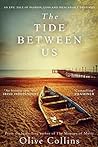
― The Tide Between Us: An Irish-Caribbean Story of Slavery & Emancipation
― The Tide Between Us: An Irish-Caribbean Story of Slavery & Emancipation
“whites lumped them all together using the Chippewa slur, Sioux, which means Little Snakes in English.” Aengus”
― The Weaver's Legacy: A Family Epic of the American West
― The Weaver's Legacy: A Family Epic of the American West
“I am more like my father’s people. My grandmother Flora was crazy and you are Irish,” he said as if my nationality soiled his pedigree. That day I thought he did not realise how offensive his comment was. Later I realised offending us was irrelevant to Okeke.”
― The Tide Between Us: An Irish-Caribbean Story of Slavery & Emancipation
― The Tide Between Us: An Irish-Caribbean Story of Slavery & Emancipation
“In the early months of 1891, Leon followed his father, Art, to the Big House. Leon sensed that trouble was brewing for his father. He’d secretly been forewarned by Henry that Blair was plotting something awful for Art.”
― The Tide Between Us: An Irish-Caribbean Story of Slavery & Emancipation
― The Tide Between Us: An Irish-Caribbean Story of Slavery & Emancipation
“Slavery, like poverty, death and other calamities are part of a God-given plan and nothing can be done to eradicate them.”
― The Tide Between Us: An Irish-Caribbean Story of Slavery & Emancipation
― The Tide Between Us: An Irish-Caribbean Story of Slavery & Emancipation
“As a token of her gratitude, for each decade of service I would receive one gold”
― The Tide Between Us: An Irish-Caribbean Story of Slavery & Emancipation
― The Tide Between Us: An Irish-Caribbean Story of Slavery & Emancipation
“This son was also a grandson of the overseer. Yes, relationships could become complicated in those days, with the masters having children outside marriage by their slaves or by the local women. Okeke was that grandson’s name. He would be my age if he is still alive. For a few years he was educated and then he worked for Mr. Stratford-Rice. When times were hard Mr. Stratford-Rice went into the slave-trading business. They brought slaves from Cuba and sold them to countries that continued slavery. Sometimes when their cargo was low they took some easy pickings from the shores of Black River.”
― The Tide Between Us: An Irish-Caribbean Story of Slavery & Emancipation
― The Tide Between Us: An Irish-Caribbean Story of Slavery & Emancipation
“For the last four years I had skimmed off the surface to make more money. I too had benefited from the slavery system.”
― The Tide Between Us: An Irish-Caribbean Story of Slavery & Emancipation
― The Tide Between Us: An Irish-Caribbean Story of Slavery & Emancipation
“The whites lumped them all together using the Chippewa slur, Sioux, which means Little Snakes in English.”
― The Weaver's Legacy: A Family Epic of the American West
― The Weaver's Legacy: A Family Epic of the American West
“Each year we will cherish the distance between slavery and freedom until memory is no more.”
― The Tide Between Us: An Irish-Caribbean Story of Slavery & Emancipation
― The Tide Between Us: An Irish-Caribbean Story of Slavery & Emancipation
“Akeem ‘Fonsy’ 1881–1923.”
― The Tide Between Us: An Irish-Caribbean Story of Slavery & Emancipation
― The Tide Between Us: An Irish-Caribbean Story of Slavery & Emancipation
“See the world and learn something other than prayers and morals.”
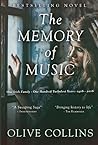
― The Memory of Music: An Irish Family Saga of War & Redemption
― The Memory of Music: An Irish Family Saga of War & Redemption
“I had passed great seas and must survive to tell my own tale. With each lash I was widening the great ocean that separated us. The whip I used had transformed me into another breed of another man in another country. This scorched colony that God had not yet found. An island adrift where the norm did not apply, a country that wanted to Christianise, but plundered, chastised and demonised a dignified people. Jamaica, the dot of an island, was now my only home.”
― The Tide Between Us: An Irish-Caribbean Story of Slavery & Emancipation
― The Tide Between Us: An Irish-Caribbean Story of Slavery & Emancipation
“The tide between us was shifting.”
― The Tide Between Us: An Irish-Caribbean Story of Slavery & Emancipation
― The Tide Between Us: An Irish-Caribbean Story of Slavery & Emancipation
“1833, the Emancipation Act was passed. Slavery would be phased out over the coming four years.”
― The Tide Between Us: An Irish-Caribbean Story of Slavery & Emancipation
― The Tide Between Us: An Irish-Caribbean Story of Slavery & Emancipation
“coin valued at fifty pounds. Whenever I wished to cease working for the Stratford-Rices, I would receive my gold. In the presence of her attorney and her sons, she showed me a pouch with my name on the front and two gold coins.”
― The Tide Between Us: An Irish-Caribbean Story of Slavery & Emancipation
― The Tide Between Us: An Irish-Caribbean Story of Slavery & Emancipation
“In 1859 she delivered another girl, followed by a third girl the following year. Each year I chuckled at the news and took a moment to admire my five strong sons and three daughters.”
― The Tide Between Us: An Irish-Caribbean Story of Slavery & Emancipation
― The Tide Between Us: An Irish-Caribbean Story of Slavery & Emancipation
“A country that practices such cruelties against one colour of people becomes heartless to all tender feelings. We can reject anything that dignifies our nature,”
― The Tide Between Us: An Irish-Caribbean Story of Slavery & Emancipation
― The Tide Between Us: An Irish-Caribbean Story of Slavery & Emancipation
“the lesson is learned when the student is ready, and maybe now, she was ready, as ready as she could ever be.”
― The Weaver's Legacy: A Family Epic of the American West
― The Weaver's Legacy: A Family Epic of the American West
“A man who tries to impress his wife by cutting down a tree with a scythe during the hottest time of the day has many failings.”
― The Tide Between Us: An Irish-Caribbean Story of Slavery & Emancipation
― The Tide Between Us: An Irish-Caribbean Story of Slavery & Emancipation
“Some men cannot overcome the inhumaneness of taking another man’s life,’ Phelim added as they watched the man attempt to walk.”
― The Memory of Music: An Irish Family Saga of War & Redemption
― The Memory of Music: An Irish Family Saga of War & Redemption
“A group of visitors arrived from Europe in 1876. They were English and Anglo-Irish.”
― The Tide Between Us: An Irish-Caribbean Story of Slavery & Emancipation
― The Tide Between Us: An Irish-Caribbean Story of Slavery & Emancipation
“The past is us,’ Catherine said without removing her eyes from the letter. ‘That’s why history is so significant. It defines nations, and in turn countries and smaller family units. We need to study and interpret the past to make sense of the present.”
― The Memory of Music: An Irish Family Saga of War & Redemption
― The Memory of Music: An Irish Family Saga of War & Redemption
“August 1, 1838, the British Parliament ended the apprenticeship programme, which had become an enormous administrative burden, and granted full emancipation to more than 300,000 slaves in Jamaica.”
― The Tide Between Us: An Irish-Caribbean Story of Slavery & Emancipation
― The Tide Between Us: An Irish-Caribbean Story of Slavery & Emancipation
“The memory of music is the kindest recollection of all,”
― The Memory of Music: An Irish Family Saga of War & Redemption
― The Memory of Music: An Irish Family Saga of War & Redemption
“Lydia didn’t wait for Blair’s funeral. Their friends thought she was so traumatised by the event that she fled the country immediately. The truth was she was afraid it would be discovered that Henry killed his father. She wanted to take him away as quickly as possible to another country where Blair Stratford-Rice’s murder in distant Jamaica would never be speculated upon. She would take Leon with her, the only witness to Henry’s guilt and one of the few people who treated her son with kindness.”
― The Tide Between Us: An Irish-Caribbean Story of Slavery & Emancipation
― The Tide Between Us: An Irish-Caribbean Story of Slavery & Emancipation
“There are no towns and nothing to root us to its past, only the future we make for ourselves.”
― The Weaver's Legacy: A Family Epic of the American West
― The Weaver's Legacy: A Family Epic of the American West
“It’s difficult to unlearn a belief like that, those type of accusations stick forever,” Makawee pointed to her head.”
― The Weaver's Legacy: A Family Epic of the American West
― The Weaver's Legacy: A Family Epic of the American West
“Darling Emilia, it might be best. It may not be forever – perhaps just a temporary arrangement until people here forget.” “People will never forget. I cannot forget despite the penalties. When I saw Jonathan again, I knew I would never forget.”
― The Tide Between Us: An Irish-Caribbean Story of Slavery & Emancipation
― The Tide Between Us: An Irish-Caribbean Story of Slavery & Emancipation
“Yseult wiped the dust from the spine of one of the albums. “Jamaica 1880–1890. ” She wanted the Irish albums. She knew the tree where the corpse lay was not planted in the last fifty years.”
― The Tide Between Us: An Irish-Caribbean Story of Slavery & Emancipation
― The Tide Between Us: An Irish-Caribbean Story of Slavery & Emancipation