Goodreads helps you follow your favorite authors. Be the first to learn about new releases!
Start by following L.E. Carmichael.

Showing 1-4 of 4
“Climate change is a major threat to polar ecosystems, but it's not the only one. From lead particles used in Ancient Roman water pipes, to refrigerator chemicals that punctured the ozone layer, humans have been polluting these remote and delicate habitats for thousands of years, sometimes without even being there.”
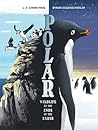
― Polar: Wildlife at the Ends of the Earth
― Polar: Wildlife at the Ends of the Earth
“Musk oxen meander down the frozen river valley, pawing at the snow to uncover last summer's plants. It's been a long winter, and their stomachs grumble.
The grizzly bear is hungry, too. He's just emerged from his den, and he'll risk injury for a chance at fresh meat. The bear lollops toward the herd.
The musk oxen run for it, but the drifts are deep and they sink into the snow. If they can't flee, they have to fight. The adults wheel, forming a ring around last year's young. The bear halts before the wall of horns, looking for an opening. Then one musk ox, a bull weighing almost as much as the bear, breaks formation to charge. The grizzly bolts: he'll search elsewhere for a meal.
Danger passed, the musk oxen regain their calm. The young oxen, and the calves about to be born, are safe. The long night is nearly over. Light - and life - will soon return to the Arctic.”
― Polar: Wildlife at the Ends of the Earth
The grizzly bear is hungry, too. He's just emerged from his den, and he'll risk injury for a chance at fresh meat. The bear lollops toward the herd.
The musk oxen run for it, but the drifts are deep and they sink into the snow. If they can't flee, they have to fight. The adults wheel, forming a ring around last year's young. The bear halts before the wall of horns, looking for an opening. Then one musk ox, a bull weighing almost as much as the bear, breaks formation to charge. The grizzly bolts: he'll search elsewhere for a meal.
Danger passed, the musk oxen regain their calm. The young oxen, and the calves about to be born, are safe. The long night is nearly over. Light - and life - will soon return to the Arctic.”
― Polar: Wildlife at the Ends of the Earth
“Carbon dioxide is a greenhouse gas in the Earth's atmosphere that traps the sun's heat. The amount of carbon dioxide in the air has risen steadily since the nineteenth century and is now at it's highest levels in 800,000 years. As a result, global temperatures are also rising: 2020 was one of the hottest years on record. But the planet is not warming evenly. The polar regions are heating up five times faster than anywhere else on Earth.
As a result, polar habitats are changing dramatically. Snow covers the Arctic for fewer days each decade, and the glaciers over Greenland and Antarctica are melting away. Sea ice is changing, too, getting thinner and covering less ocean. Polar bears depend on Arctic summer sea ice for hunting and traveling, but within a few decades, there might be none left.
Changes in climate and habitat have other consequences for polar animals. Some adaptions that supported survival are becoming unhelpful or even harmful. For example, blubber keeps marine mammals warm in cold water (see page 13). As temperatures continue to rise, the same blubber could cause those animals to overheat. When days get longer, ptarmigan turn brown for camouflage when the snow melts (see page 20). If warmer spring temperatures melt snow before the days lengthen, birds that are still white will be more visible to predators. As climate chance continues, these and other polar species may find it harder to persist.”
― Polar: Wildlife at the Ends of the Earth
As a result, polar habitats are changing dramatically. Snow covers the Arctic for fewer days each decade, and the glaciers over Greenland and Antarctica are melting away. Sea ice is changing, too, getting thinner and covering less ocean. Polar bears depend on Arctic summer sea ice for hunting and traveling, but within a few decades, there might be none left.
Changes in climate and habitat have other consequences for polar animals. Some adaptions that supported survival are becoming unhelpful or even harmful. For example, blubber keeps marine mammals warm in cold water (see page 13). As temperatures continue to rise, the same blubber could cause those animals to overheat. When days get longer, ptarmigan turn brown for camouflage when the snow melts (see page 20). If warmer spring temperatures melt snow before the days lengthen, birds that are still white will be more visible to predators. As climate chance continues, these and other polar species may find it harder to persist.”
― Polar: Wildlife at the Ends of the Earth
“The belugas spent the winter in the Bering Sea, between Russia and Alaska, where Arctic pack ice could not trap them. Now it's almost spring. The ice is melting, splitting, retreating toward the pole. The whales' migration route is opening up. The older females lead the way, north and east, teaching younger belugas how to find Canada's Beaufort Sea.
At more than 2500 km (1550 mi.), the belugas' journey takes months to complete. It's worth it. When the whales reach the Mackenzie River Delta, they'll rub against the ocean floor, shedding itchy layers of yellowed skin until they're glowing white again. Pregnant mothers will also give birth. The shallow coastal waters will protect the newborns from hungry orcas. While the babies play, their mothers will feast on krill and codfish, regaining their strength. Their rich milk will fatten the calves all summer, before the journey south begins.”
― Polar: Wildlife at the Ends of the Earth
At more than 2500 km (1550 mi.), the belugas' journey takes months to complete. It's worth it. When the whales reach the Mackenzie River Delta, they'll rub against the ocean floor, shedding itchy layers of yellowed skin until they're glowing white again. Pregnant mothers will also give birth. The shallow coastal waters will protect the newborns from hungry orcas. While the babies play, their mothers will feast on krill and codfish, regaining their strength. Their rich milk will fatten the calves all summer, before the journey south begins.”
― Polar: Wildlife at the Ends of the Earth