
Discover new books on Goodreads
See if your friends have read any of Robert Hay's books
Robert Hay’s Followers (1)

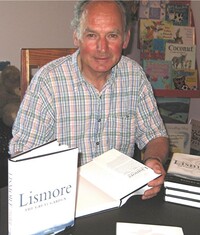
Robert Hay
Genre
Influences


|
Lismore: The Great Garden
—
published
2009
—
10 editions
|
|

|
How an Island Lost its People: Improvement, Clearance and Resettlement on Lismore, 1830 - 1914
—
published
2015
—
4 editions
|
|

|
Monks and Bishops: Lismore 560 - 1560
—
published
2025
—
4 editions
|
|

|
Farming and the Land (Scottish Life and Society, A Compendium of Scottish Ethnology series)
by
—
published
2012
|
|

|
Lochnavando No More: The Life and Death of a Moray Farming Community, 1750 - 1850
—
published
2005
|
|

|
The Story of Lismore in Fifty Objects
—
published
2018
|
|

|
Minute Book of the Lismore Agricutural Society, 1853 - 1868
by
—
published
2018
|
|
“This book attempts to evaluate the roles of the traditional landowners (whose reckless lifestyles led to bankruptcy and the acquisition of their lands by commercially-minded entrepreneurs); the new breed of accountant trustees (for whom financial probity was paramount); the Highland Potato Famine; James Cheyne, the clearing landlord; events elsewhere on Lismore, particularly on the Baleveolan estate, factored by Allan MacDougall; the influence of the Lismore Agricultural Society; investment in infrastructure on the Airds estate; the differing fates of farmers and cottars; the lack of alternative employment for the young; and opportunites elsewhere, particularly in the Central Belt of Scotland.”
― How an Island Lost its People: Improvement, Clearance and Resettlement on Lismore, 1830 - 1914
― How an Island Lost its People: Improvement, Clearance and Resettlement on Lismore, 1830 - 1914
Is this you? Let us know. If not, help out and invite Robert to Goodreads.