
Discover new books on Goodreads
See if your friends have read any of Gretchen Baskerville's books

Gretchen’s 2025 Year in Books
Take a look at Gretchen’s Year in Books, including some fun facts about their reading.
Gretchen Baskerville’s Followers (16)


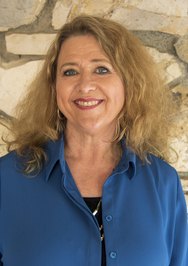
Gretchen Baskerville
Goodreads Author
Born
The United States
Website
Twitter
Genre
Member Since
December 2019
Gretchen Baskerville is a divorce recovery leader and researcher. For more than 20 years, she has worked with Christian women and men going through difficult, life-saving divorces, listening with compassion to those who have suffered from domestic violence, betrayal, infidelity, and emotional abuse. She helps heartbroken people find strength and courage and healing.
Herself the survivor of a toxic marriage, she walked through her own life-saving divorce and lived as a single mother for many years. Today she is happily remarried and writes about divorce recovery. She is a graduate of Wheaton College with a degree in Bible and Christian Education, and she regularly gives interviews on podcasts, blogs, and radio programs on the topic of Christi Gretchen Baskerville is a divorce recovery leader and researcher. For more than 20 years, she has worked with Christian women and men going through difficult, life-saving divorces, listening with compassion to those who have suffered from domestic violence, betrayal, infidelity, and emotional abuse. She helps heartbroken people find strength and courage and healing.
Herself the survivor of a toxic marriage, she walked through her own life-saving divorce and lived as a single mother for many years. Today she is happily remarried and writes about divorce recovery. She is a graduate of Wheaton College with a degree in Bible and Christian Education, and she regularly gives interviews on podcasts, blogs, and radio programs on the topic of Christianity and divorce.
Her book, "The Life-Saving Divorce" is about the 50% of divorces that are for very serious reasons. She will give you optimism about your children's future (8 in 10 children turn out fine after divorce, according to today's top researchers); and will help you understand emotional abuse, "gaslighting," the abuse cycle, and tips for surviving high-conflict divorces.
For more information, view her blog at http://www.LifeSavingDivorce.com/about. Follow her on Twitter http://twitter.com/GGBaskerville or Facebook http://www.facebook.com/lifesavingdiv...
Instagram: https://www.instagram.com/gretchenbas... ...more
Gretchen Baskerville hasn't written any blog posts yet.
Gretchen Baskerville
Average rating:
4.63
 ·
272
ratings
·
94
reviews
· 3 distinct works
• Similar authors
·
272
ratings
·
94
reviews
· 3 distinct works
• Similar authors

|
The Life-Saving Divorce: Hope for People Leaving Destructive Relationships
4.61 avg rating — 252 ratings
—
5 editions
|
Error rating book. Refresh and try again.
Rate this book
Clear rating
|

|
Parenting Plan Idea Workbook
by
Gretchen Baskerville (Goodreads Author)
4.90 avg rating — 20 ratings
—
published
2025
|
Error rating book. Refresh and try again.
Rate this book
Clear rating
|

|
Parenting Plan Idea Workbook: Options for Custody Agreements and Time-Sharing
by
Gretchen Baskerville (Goodreads Author)
0.00 avg rating — 0 ratings
|
Error rating book. Refresh and try again.
Rate this book
Clear rating
|
* Note: these are all the books on Goodreads for this author. To add more, click here.
Gretchen’s Recent Updates
|
Gretchen Baskerville
rated a book did not like it

|
Error rating book. Refresh and try again.
Rate this book
Clear rating
|
|
Book Review:
Restoring Hope
by Robert S. Paul, Robert K. Burbee, and Christine A. Arnzen Will Focus on the Family’s Hope Restored Marriage Intensive — based on the therapy model found in this book — fix your desperate marriage? Focus on the Family’ Book Review: Restoring Hope by Robert S. Paul, Robert K. Burbee, and Christine A. Arnzen Will Focus on the Family’s Hope Restored Marriage Intensive — based on the therapy model found in this book — fix your desperate marriage? Focus on the Family’s marriage program, Hope Restored, promises couples on the brink of divorce a path to reconciliation through a 3–5 day “marriage intensive,” costing between $3,000 and $6,000. The underlying model—called Focus Marital Therapy (FMT)—is presented in the book "Restoring Hope," a $35 training manual for Christian therapists & pastors. At first glance, the book seems wholesome and well-intentioned: it integrates faith, psychology, and communication tools to strengthen marriages under stress. But a closer reading reveals something troubling. Beneath the language of prayer and restoration lies a counseling model that pressures spouses to remain in destructive or unsafe marriages as a measure of spiritual devotion. In this review, I point out 10 problematic issues with the book. While Restoring Hope offers techniques for empathy, unity, and forgiveness, it replaces trauma-informed care, safety assessment, and accountability for abuse with communication exercises that only work when both partners are safe and willing. In practice, this theology of “never suggesting divorce” can cause deep harm. By turning endurance into a moral test, Restoring Hope confuses faith with submission and silences those seeking escape from coercion or danger. 1. When Faith and Communication Replace Safety “Strong marriages and families are the cornerstone of a vibrant and successful society, and widespread marital decay leads to a weakened society.” — Restoring Hope, p. viii This worldview elevates staying married as a sacred duty for the health of families and communities. Within it, the role of therapy centers on restoring communication and harmony—noble goals that reflect deep covenant faithfulness. Yet commitment and safety are not the same thing. A marriage that honors God must also be safe, respectful, and faithful in practice. People come to these intensives precisely because their marriages have ceased to be so. 2. Spiritual Framing That Shames Victims “Spouses who are already determined to exit their marriage and reject the possibility of a miracle from God are respectfully and sensitively referred to other resources.” — Restoring Hope, p. 190 This frames divorce as a lack of faith on the part of genuine victims of abuse and betrayal, not a valid option for distance and safety. Victims are urged to keep communicating, keep praying, keep hoping—rather than to get away from their abuser. It’s spiritual pressure disguised as pastoral sensitivity. Yet Scripture doesn’t command people to endure harm. The Bible repeatedly tells believers to turn away from evildoers and to have nothing to do with those who exploit or abuse (2 Timothy 3:1–5; 1 Corinthians 5:11). Protecting oneself from violence or cruelty isn’t rebellion against God—it’s obedience to His heart for justice and dignity. Sometimes the most faithful act is not staying, but running from those who destroy peace and safety. 3. What Does Hope Restored Teach? “Focus Marriage Therapy [FMT] is designed to help couples explore whether there are ways to restore or create a relationship that both of them can feel good about… Nowhere within that focus is divorce assistance.” — Restoring Hope, p. 190 “FMT therapists do not advise or encourage people to divorce. They do, however, encourage people to seriously take the issue before the Lord Himself and seek His direct guidance prior to making any permanent decision.” — Restoring Hope, p. 189 Hope Restored presents marital healing as a matter of prayer, forgiveness, and better communication. But communication tools can’t fix coercion, chronic deceit, or violence. Teaching a victim to share their fears, insecurities, and needs with an abuser doesn’t promote intimacy—it hands them ammunition to do future harm. If reconciliation fails—or if the marriage remains unsafe—the book says couples are referred elsewhere. The victim is abandoned by Hope Restored to find support wherever they can. The model itself offers no therapeutic — or spiritual — pathway for those who must leave a destructive or violent marriage. No doubt this is why so many past participants follow me on Facebook and join my Life-Saving Divorce Private Group on Facebook for people of faith. 4. Abuse Declared “Beyond the Scope” “A comprehensive treatment of abusive dynamics in marital therapy is beyond the scope of this text.” — Restoring Hope, p. 274 This is the book’s most revealing admission. By declaring abuse “beyond the scope,” the authors excuse themselves from addressing the single issue that determines whether therapy can occur safely and the entire reason that abuse victims attend. They add that couples with “significant concerns about abuse dynamics” are usually screened out and “sensitively referred.” But in the same paragraph, they concede that some spouses say they’re already in therapy and “sufficiently in command of their personal safety” to participate anyway. Translation: if someone insists they’re safe—and can pay the $3,000-$6,000 fee and are open to God doing a miracle—Hope Restored will still accept them. Once inside, therapists “process how they will attend to their safety” during the intensive. In other words, safety planning happens after intake, not before. Sometimes, the authors note, the “clarity and severity” of abuse only emerge mid-program, forcing couples to exit early. This isn’t trauma-informed care—it’s liability management. If communication coaching continues while violence or coercion is present, therapy can retraumatize victims and empower abusers. One former participant whose violent husband's attacks had put her in the hospital and resulted in a restraining order (before the intensive), described her experience this way: “They had to make sure I was safe. That should have been a clue that this was not safe.” She described her faith as so strong that she attended three weeklong marriage intensives under Robert S. Paul, Bob Burbee, Christine Arnzen, convinced that God would perform a miracle and restore her husband’s heart. Each time, she went in believing that prayer, forgiveness, and counseling could redeem their marriage. But even after the third intensive, she reported that her husband continued to beat her—weekly. Today, she is divorced—and despite being disabled from the abuse—finally feels safe. Her story illustrates the devastating cost of a theology that equates endurance with faith. When programs like Hope Restored treat fear as a lack of belief and minimize the reality of danger, they risk sanctifying abuse instead of saving lives. 5. Ignoring Their Own Research “A successful outcome for such couples may include them deciding to terminate the relationship (Wood et al., 2005), and couples therapy may be contraindicated (Christensen et al., 2004).” — Restoring Hope, p. 331 The authors cite research showing that in severely distressed or violent marriages, couples therapy can be harmful, and sometimes the healthiest outcome is terminating the relationship. Yet they never integrate that finding into FMT. Instead, they double down on communication and spiritual unity—precisely the tactics research warns can escalate danger when abuse exists. 6. When “Never Suggesting Divorce” Becomes Dangerous “If God were to perform a miracle in your marriage, would you be willing to accept it?… Nowhere within that focus is divorce assistance.” — Restoring Hope, p. 190 This “miracle question” is required of all participants. If you say no—even for safety reasons—you’re ineligible (technically). But evidence tells a different story. A Harvard study found that when divorce laws were liberalized in the 1970s, suicide by wives, domestic violence, and homicide of wives by their husbands all declined. Giving people a way out saved lives. What Attendees Say (Anonymized) These first-person accounts (summarized and quoted from attendee responses) show the pattern: initial hope fueled by intensive communication work, followed by disillusionment when deeper harm resurfaces. Costs commonly ranged from $3,000–$6,000, sometimes sponsored by friends or churches. “My hope was restored. I had hope my husband cared and wanted to work on us.” — About the same “We wanted a healthy relationship and to understand each other. We’re divorced.” “I felt responsible. I hated giving up without trying… after the intensive, I knew it was over.” — Now separated. “We got tools and felt hopeful, but it didn’t address the deeper issues.” — Now separated “I wanted boundaries and a miracle. We’re separated.” “I was done, but hoped they’d tell my husband he needed help. Clarity—we’re separated.” “I reported physical abuse during the trip. We left worse than we came.” “They failed to call out my husband’s adultery and gaslighting. I was blamed.” —Now Separated “We left hopeful; on the drive home he said nothing had changed.” —Now Divorced. “I thought we were healed… we’re divorced.” “The intensive was amazing and a turning point for us.” Better now. Taken together, these stories show a consistent throughline: short-term hope from communication work often collapses when unaddressed patterns—coercion, deceit, rage, addiction—resurface. In a few cases (about 15%), couples reported meaningful improvement; in many others, separation or divorce follows. 7. Is Hope Restored Trauma-Informed or Evidence-Based? No. While the book uses the word “trauma” occasionally, it never discusses PTSD, coercive control, or trauma-informed practice. Instead, it relies on prayer, forgiveness, and communication techniques to mend marriages—even those marked by fear or harm. This isn’t clinical therapy; it’s pastoral coaching. When a counseling model teaches communication but omits trauma assessment, it doesn’t empower—it endangers. 8. What Clients Expect vs. What They Actually Get In Restoring Hope, the authors acknowledge that couples arrive at Hope Restored with powerful expectations. Many come desperate, told this is their “last chance,” believing they’re about to witness a miracle—that God will use this $3,000–$6,000 weekend to save their marriage. But the fine print tells a different story. In the section on Collaborative Goal Setting (pp. 254–259), therapists are instructed to “shape” or “adjust” participants’ expectations if they are “unrealistic or nontherapeutic.” In practice, that means couples who came for help fixing betrayal, addiction, or abuse are quickly redirected to work on communication skills and self-responsibility. The book warns therapists to reframe clients’ goals toward “what they can control,” meaning their own attitudes—not their partner’s harmful behavior. So, while the marketing promises divine transformation, the reality is a kind of spiritual bait-and-switch. Participants who come hoping for repentance or rescue often leave with a few talking tools and the message that they must change how they respond to pain. One woman wrote, “I hoped for a miracle. My husband had been cheating and lying. We left with ‘communication tools,’ but the deeper issues were never addressed.” Another said, “They taught us how to talk better—but not how to stop the abuse.” The contradiction couldn’t be starker: Hope Restored asks you to believe in a miracle but delivers a workshop in polite conversation. It preaches divine intervention but practices interpersonal technique. And for those trapped in destructive marriages, that gap between expectation and reality isn’t just disappointing—it can be devastating. No wonder that independent surveys find that more than 7 in 10 Hope Restored attendees later divorce or separate. 9. Why Avoiding the Possibility of Personality Disorders Is Dangerous Restoring Hope never mentions narcissism, sociopathy, or antisocial behavior—conditions that often drive chronic manipulation and abuse. Without screening for these patterns, counselors can mistake cruelty for “poor communication” and advise victims to speak more gently to those who harm them. Ignoring pathology doesn’t make therapy more faithful; it makes it less safe. It's no wonder I hear so many stories of wives weeping in despair during the intensive — and being ignored. 10. Shifting the Blame to the Victim The paragraph at the top of page 271 is a classic example of double-speak: it appears to acknowledge there may be danger from a deceitful or abusive spouse while subtly reframing responsibility away from the therapist and onto the victim. “A significant challenge to the therapeutic alliance between a couple in distress and their marriage therapist/counselor may be how the professional addresses dynamics of abuse occurring in the relationship. Spouses may be exceedingly sensitive and reactive to the suggestion that their behavior in the relationship is abusive to their spouse. An abused spouse may be struggling with feelings of fear and anxiety about disclosing abusive patterns, reluctant to invite greater inquiry about details of the relationship which would alert the therapist/counselor to the abusive dynamics occurring. Most experienced marriage therapists and counselors recognize how delicate and yet critical it may be to address abusive dynamics occurring in the relationship, even if it stresses the therapeutic alliance being sought with a couple.” — Restoring Hope, p. 271 At first glance, this seems balanced and professional. It acknowledges that therapists must assess risk and that abuse can be complex. It uses the right words—“risk,” “safety,” “degree of abuse”—and positions the therapist as cautious and discerning. This paragraph appears to show clinical awareness (“delicate and yet critical”), but it’s actually a rhetorical maneuver. It's a mind game. When the authors worry that talking about abuse might “stress the therapeutic alliance,” they’re really saying that keeping the peace with both spouses matters more than protecting the person being hurt. In other words, the focus shifts from safety to not upsetting anyone. It puts the therapist’s comfort and the couple’s surface harmony above the victim’s safety. Instead of stopping the harm, the goal becomes keeping everyone calm. And there’s even a deeper problem. This paragraph quietly shifts responsibility for identifying abuse onto the couple rather than the professional Hope Restored therapist. It says that therapy is complicated when “one or both spouses do not self-identify as abusive” — implying that unless an abuser openly admits their behavior, the therapist’s hands are tied. That’s false and ethically indefensible. In legitimate trauma-informed practice, it is the therapist’s professional duty to assess and name abuse, regardless of self-report. Abusers rarely “self-identify.” Victims often minimize or hide their fear. When a model treats denial as a barrier instead of a symptom, it effectively excuses the professional from intervening. This is why on the last day of the intensive, half people in an independent survey said they left the intensive "hopeful" and the other half left confused, disappointed, hopeless, indifferent, injured, or worse. Then comes the rhetorical sleight of hand: the paragraph concludes by urging both spouses to be “honest about how their interactions affect one another.” That sounds fair, but it’s a false equivalence — equating mutual communication breakdown with abuse. It recasts a power imbalance as a shared “interaction problem.” Here are some comments from Hope Restored participants: “The screening process should have caught that we had a toxic relationship and not let us go.” → This shows the program’s failure to screen for danger — exactly what the book calls a “delicate challenge” for maintaining the therapeutic alliance (aka keeping the peace). “At the end of one of the sessions, my husband verbally attacked me in front of everyone. The counselors did not address this at all… At the end of the week, they praised my husband for being ‘so committed to his marriage.’ It was sickening.” → This is the clearest real-world proof of the danger: therapists prioritized keeping the peace over addressing open aggression. “I felt bruised and undermined and felt like he was viewed as a victim due to his childhood… I was emotionally and psychologically abused by him, but the tables were turned. They said ahead of time the intensive wasn’t for domestic violence, but I didn’t know I was in an emotionally destructive marriage.” → This shows how abusers are reframed as wounded while victims are treated as overreactive — a hallmark of “therapeutic alliance” over truth-telling. I first heard Robert S. Paul, coauthor of Restoring Hope, speak at the #AACC2025 American Association of Christian Counselors Conference, where he described the Hope Restored marriage intensive as a biblically grounded path to reconciliation. The program, developed by Focus on the Family, reflects the same ideas found in this book: that communication, prayer, and forgiveness can heal any relationship. Yet this approach—called Focus Marital Therapy (FMT)—raises serious questions for those seeking trauma-informed Christian counseling or safety within faith-based marriage therapy. As many survivors of spiritual abuse and domestic violence have noted, the line between faith and endurance can blur when “restoring hope” becomes more important than protecting people from harm. For readers exploring Christian marriage counseling, Hope Restored reviews, or critiques of Focus on the Family’s counseling model, this discussion highlights the urgent need for safe, evidence-based, Christ-centered care. My Amazon Review of the Book, Restoring Hope: ⭐☆☆☆☆ Faith Without Safety Isn’t Healing I bought Restoring Hope to better understand Focus on the Family’s Hope Restored marriage-counseling program, but the book raises serious concerns. The authors proudly write that therapists “never advise or encourage divorce” (p. 190) and concede that “a comprehensive treatment of abusive dynamics is beyond the scope” (p. 275). They also reference research (p. 331) showing that in severely distressed or violent marriages, couples therapy can be contraindicated—and that sometimes the healthiest, safest outcome is to end the relationship. Yet this book rejects that reality, minimizing trauma and avoiding any discussion of PTSD or personality disorders. For spouses living with coercion or violence, this approach confuses faith with endurance. Genuine Christian counseling should integrate Scripture with evidence-based insight and, above all, protect those in danger rather than pressuring them to stay where they are unsafe. ...more |
|
|
Gretchen Baskerville
rated a book

|
Error rating book. Refresh and try again.
Rate this book
Clear rating
|
|
Empowered to Love
by Robert Paul and Tara Lalonde (published by Focus on the Family/Tyndale) contains some genuinely useful material about self-care, emotional regulation, boundaries, personal responsibility, and communication. But the book’s cen
Empowered to Love
by Robert Paul and Tara Lalonde (published by Focus on the Family/Tyndale) contains some genuinely useful material about self-care, emotional regulation, boundaries, personal responsibility, and communication. But the book’s central problem is much bigger than its individual tools. The authors repeatedly emphasize that the tools work when people use them. That sounds reasonable until you ask what happens when one spouse is lying, cheating, using pornography, abusing, deceiving, refusing accountability, or simply refusing to act married. A healthy marriage requires two people. One spouse can become healthier, calmer, wiser, more forgiving, and more emotionally mature. But one person cannot create honesty, faithfulness, trust, safety, or reconciliation alone. What concerned me most was comparing this book with Tara Lalonde’s 2014 doctoral dissertation on couples who attended the National Institute of Marriage, now Hope Restored. She uses the case studies from the 370-page dissertation in the Empowered to Love book. But there's a problem: In the dissertation, some couples’ stories include serious betrayal, emotional affairs, hidden behavior, financial secrecy, troubling porn use, and long-term failure to rebuild trust. In Empowered to Love, some of those details are greatly reduced or disappear entirely, while the emphasis shifts toward the invested spouse's unforgiveness, personal responsibility, and perseverance. That changes the moral meaning of the stories. The book also sits within Focus Marital Therapy, a model with a strong presumption in favor of preserving the marriage. Lalonde herself wrote in her dissertation that she learned to “first remove divorce from my possible options,” and in this book she praises her parents because “divorce was never an option for them.” That makes me uneasy when unsuccessful marriages are interpreted primarily through lack of perseverance or insufficient use of the model. Perseverance is a virtue. But perseverance without a stopping rule can become “hopium.” And perseverance is required at Focus on the Family, where their official doctrinal statement does not include violence or coercive control as acceptable reasons for divorce. Sometimes the healthiest conclusion is not, “I need to try harder.” Sometimes it is, “I cannot change this person, and I am no longer willing to remain in the marriage that actually exists.” For ordinary marital conflict, many of these tools may be helpful. For abuse, betrayal, addiction, coercion, or chronic deception, this framework needs far more caution than the book provides. ...more |
|
|
Gretchen Baskerville
rated a book it was ok

Keep It Shut: What to Say, How to Say It, and When to Say Nothing at All
by Karen Ehman (Goodreads Author) |
Error rating book. Refresh and try again.
Rate this book
Clear rating
|
|
I'm a Christian, but I am concerned about this book being used in women's church small groups without any kind of domestic violence education first. An Institute for Family Studies analysis reported that roughly 1 in 4 highly religious U.S. couples ha I'm a Christian, but I am concerned about this book being used in women's church small groups without any kind of domestic violence education first. An Institute for Family Studies analysis reported that roughly 1 in 4 highly religious U.S. couples had experienced intimate partner violence in their current relationship. That is why books like this need to be safety aware. Christian books about speech, silence, forgiveness, conflict, and “not gossiping” are not neutral when many readers may be living with coercion, deceit, degradation, sexual abuse, or danger. Karen Ehman’s "Keep It Shut" is about the power of words: gossip, anger, listening, prayer before speaking, social media, and learning when not to say something. For ordinary conflict, awkward conversations, family tension, or careless speech, some readers may find it helpful. But I would be very cautious about recommending this book to someone in an abusive or destructive marriage. The book’s main instincts are restraint, self-examination, forgiveness, assuming the best of others, and avoiding gossip. For example, in chapter 5, Ehman describes leaving the premises but “not the relationship” when dealing with hurtful comments, and then frames the ongoing response as forgiveness (pp. 91–92). She also advises readers to “believe the best before we assume the worst” when conflict arises (p. 92). Later, in the chapter on gossip, she urges readers to ask whether what they are saying is kind, true, and necessary, and warns that gossip “betrays confidences” (pp. 125–126). One representative quote: “We should believe the best before we assume the worst.” — Keep It Shut, p. 92 That may be wise advice for normal misunderstandings. But in an abusive relationship, it can be dangerous. A victim of abuse often already assumes the best, gives grace, forgives, minimizes, stays quiet, and questions her own motives. She does not primarily need another reminder to be tenderhearted, tough-skinned, or careful not to speak negatively about someone. She needs clarity about her own safety. A person being abused needs to be able to name coercion, degradation, deceit, sexual abuse, intimidation, and danger truthfully. She may need safe outside help, documentation, advocacy, legal and medical resources, and a safety plan. In some cases, she needs separation or divorce. Telling a pastor, counselor, domestic violence advocate, attorney, doctor, police officer, trusted friend, or family member about abuse is not gossip. It is disclosure. It is help-seeking. It may be life-saving. My concern is not that every sentence in this book is bad. My concern is that the framework is not abuse-aware. Applied to normal relationship friction, it may help. Applied to a destructive marriage, it may make it harder for the harmed spouse to recognize the problem clearly, tell the truth, seek protection, and leave when necessary. ...more |
|
|
Gretchen Baskerville
rated a book did not like it

|
Error rating book. Refresh and try again.
Rate this book
Clear rating
|
|
Book title: "Ready to Wed?" This book does not help couples know if they are ready for marriage or if they are marrying someone safe, loving, reliable, or stable. Let me be fair to this premarital book, which includes contributions from many respecte Book title: "Ready to Wed?" This book does not help couples know if they are ready for marriage or if they are marrying someone safe, loving, reliable, or stable. Let me be fair to this premarital book, which includes contributions from many respected authors. PROS: • Strong emphasis on communication skills. • Encourages growth and intentional habits in marriage. • Frames hardship as an opportunity for maturity. PROBLEMS: The book appears largely silent on: • Physical violence (hitting, pushing, restraining) • Threats or intimidation • Fear or safety planning • Explosive anger or volatile temper • Emotional abuse or gaslighting • Coercion or control (financial, social, sexual) • Pornography use or sexual secrecy • Infidelity, adultery, chronic deception • Addiction (substances, gambling, sex) • Jealousy and possessiveness • Contempt, humiliation, verbal degradation • Monitoring devices, phone checking, surveillance • Unequal power dynamics • Patterns or “cycles” of harm • Criteria for genuine repentance and change • When to postpone or cancel a wedding These omissions do not make the book useless. They do suggest it prepares couples for ordinary conflict—but not for recognizing potentially disqualifying behavior before marriage. ...more |
|
|
Feb 21, 2026 01:04PM
· 1 like · like
· see review ·
preview book
See a Problem?
We’d love your help.
Let us know what’s wrong with this preview of
Ready to Wed by Greg Smalley.
Thanks for telling us about the problem.
Not the book you’re looking for?
Preview — Ready to Wed by Greg Smalley |
|
|
Gretchen Baskerville
made a comment on
Sheila Gregoire’s review
of
Lies Women Believe: And the Truth that Sets Them Free

"
Do a search to find Sheila's video interview "Review of “Lies Women Believe” by Nancy Leigh DeMoss Wolgemuth" about "Lies Women Believe"
Do a search to find Sheila's video interview "Review of “Lies Women Believe” by Nancy Leigh DeMoss Wolgemuth" about "Lies Women Believe"
...more
"
|
|
|
Gretchen Baskerville
rated a book did not like it
|
Error rating book. Refresh and try again.
Rate this book
Clear rating
|
|
Book Review:
Restoring Hope
by Robert S. Paul, Robert K. Burbee, and Christine A. Arnzen Will Focus on the Family’s Hope Restored Marriage Intensive — based on the therapy model found in this book — fix your desperate marriage? Focus on the Family’ Book Review: Restoring Hope by Robert S. Paul, Robert K. Burbee, and Christine A. Arnzen Will Focus on the Family’s Hope Restored Marriage Intensive — based on the therapy model found in this book — fix your desperate marriage? Focus on the Family’s marriage program, Hope Restored, promises couples on the brink of divorce a path to reconciliation through a 3–5 day “marriage intensive,” costing between $3,000 and $6,000. The underlying model—called Focus Marital Therapy (FMT)—is presented in the book "Restoring Hope," a $35 training manual for Christian therapists & pastors. At first glance, the book seems wholesome and well-intentioned: it integrates faith, psychology, and communication tools to strengthen marriages under stress. But a closer reading reveals something troubling. Beneath the language of prayer and restoration lies a counseling model that pressures spouses to remain in destructive or unsafe marriages as a measure of spiritual devotion. In this review, I point out 10 problematic issues with the book. While Restoring Hope offers techniques for empathy, unity, and forgiveness, it replaces trauma-informed care, safety assessment, and accountability for abuse with communication exercises that only work when both partners are safe and willing. In practice, this theology of “never suggesting divorce” can cause deep harm. By turning endurance into a moral test, Restoring Hope confuses faith with submission and silences those seeking escape from coercion or danger. 1. When Faith and Communication Replace Safety “Strong marriages and families are the cornerstone of a vibrant and successful society, and widespread marital decay leads to a weakened society.” — Restoring Hope, p. viii This worldview elevates staying married as a sacred duty for the health of families and communities. Within it, the role of therapy centers on restoring communication and harmony—noble goals that reflect deep covenant faithfulness. Yet commitment and safety are not the same thing. A marriage that honors God must also be safe, respectful, and faithful in practice. People come to these intensives precisely because their marriages have ceased to be so. 2. Spiritual Framing That Shames Victims “Spouses who are already determined to exit their marriage and reject the possibility of a miracle from God are respectfully and sensitively referred to other resources.” — Restoring Hope, p. 190 This frames divorce as a lack of faith on the part of genuine victims of abuse and betrayal, not a valid option for distance and safety. Victims are urged to keep communicating, keep praying, keep hoping—rather than to get away from their abuser. It’s spiritual pressure disguised as pastoral sensitivity. Yet Scripture doesn’t command people to endure harm. The Bible repeatedly tells believers to turn away from evildoers and to have nothing to do with those who exploit or abuse (2 Timothy 3:1–5; 1 Corinthians 5:11). Protecting oneself from violence or cruelty isn’t rebellion against God—it’s obedience to His heart for justice and dignity. Sometimes the most faithful act is not staying, but running from those who destroy peace and safety. 3. What Does Hope Restored Teach? “Focus Marriage Therapy [FMT] is designed to help couples explore whether there are ways to restore or create a relationship that both of them can feel good about… Nowhere within that focus is divorce assistance.” — Restoring Hope, p. 190 “FMT therapists do not advise or encourage people to divorce. They do, however, encourage people to seriously take the issue before the Lord Himself and seek His direct guidance prior to making any permanent decision.” — Restoring Hope, p. 189 Hope Restored presents marital healing as a matter of prayer, forgiveness, and better communication. But communication tools can’t fix coercion, chronic deceit, or violence. Teaching a victim to share their fears, insecurities, and needs with an abuser doesn’t promote intimacy—it hands them ammunition to do future harm. If reconciliation fails—or if the marriage remains unsafe—the book says couples are referred elsewhere. The victim is abandoned by Hope Restored to find support wherever they can. The model itself offers no therapeutic — or spiritual — pathway for those who must leave a destructive or violent marriage. No doubt this is why so many past participants follow me on Facebook and join my Life-Saving Divorce Private Group on Facebook for people of faith. 4. Abuse Declared “Beyond the Scope” “A comprehensive treatment of abusive dynamics in marital therapy is beyond the scope of this text.” — Restoring Hope, p. 274 This is the book’s most revealing admission. By declaring abuse “beyond the scope,” the authors excuse themselves from addressing the single issue that determines whether therapy can occur safely and the entire reason that abuse victims attend. They add that couples with “significant concerns about abuse dynamics” are usually screened out and “sensitively referred.” But in the same paragraph, they concede that some spouses say they’re already in therapy and “sufficiently in command of their personal safety” to participate anyway. Translation: if someone insists they’re safe—and can pay the $3,000-$6,000 fee and are open to God doing a miracle—Hope Restored will still accept them. Once inside, therapists “process how they will attend to their safety” during the intensive. In other words, safety planning happens after intake, not before. Sometimes, the authors note, the “clarity and severity” of abuse only emerge mid-program, forcing couples to exit early. This isn’t trauma-informed care—it’s liability management. If communication coaching continues while violence or coercion is present, therapy can retraumatize victims and empower abusers. One former participant whose violent husband's attacks had put her in the hospital and resulted in a restraining order (before the intensive), described her experience this way: “They had to make sure I was safe. That should have been a clue that this was not safe.” She described her faith as so strong that she attended three weeklong marriage intensives under Robert S. Paul, Bob Burbee, Christine Arnzen, convinced that God would perform a miracle and restore her husband’s heart. Each time, she went in believing that prayer, forgiveness, and counseling could redeem their marriage. But even after the third intensive, she reported that her husband continued to beat her—weekly. Today, she is divorced—and despite being disabled from the abuse—finally feels safe. Her story illustrates the devastating cost of a theology that equates endurance with faith. When programs like Hope Restored treat fear as a lack of belief and minimize the reality of danger, they risk sanctifying abuse instead of saving lives. 5. Ignoring Their Own Research “A successful outcome for such couples may include them deciding to terminate the relationship (Wood et al., 2005), and couples therapy may be contraindicated (Christensen et al., 2004).” — Restoring Hope, p. 331 The authors cite research showing that in severely distressed or violent marriages, couples therapy can be harmful, and sometimes the healthiest outcome is terminating the relationship. Yet they never integrate that finding into FMT. Instead, they double down on communication and spiritual unity—precisely the tactics research warns can escalate danger when abuse exists. 6. When “Never Suggesting Divorce” Becomes Dangerous “If God were to perform a miracle in your marriage, would you be willing to accept it?… Nowhere within that focus is divorce assistance.” — Restoring Hope, p. 190 This “miracle question” is required of all participants. If you say no—even for safety reasons—you’re ineligible (technically). But evidence tells a different story. A Harvard study found that when divorce laws were liberalized in the 1970s, suicide by wives, domestic violence, and homicide of wives by their husbands all declined. Giving people a way out saved lives. What Attendees Say (Anonymized) These first-person accounts (summarized and quoted from attendee responses) show the pattern: initial hope fueled by intensive communication work, followed by disillusionment when deeper harm resurfaces. Costs commonly ranged from $3,000–$6,000, sometimes sponsored by friends or churches. “My hope was restored. I had hope my husband cared and wanted to work on us.” — About the same “We wanted a healthy relationship and to understand each other. We’re divorced.” “I felt responsible. I hated giving up without trying… after the intensive, I knew it was over.” — Now separated. “We got tools and felt hopeful, but it didn’t address the deeper issues.” — Now separated “I wanted boundaries and a miracle. We’re separated.” “I was done, but hoped they’d tell my husband he needed help. Clarity—we’re separated.” “I reported physical abuse during the trip. We left worse than we came.” “They failed to call out my husband’s adultery and gaslighting. I was blamed.” —Now Separated “We left hopeful; on the drive home he said nothing had changed.” —Now Divorced. “I thought we were healed… we’re divorced.” “The intensive was amazing and a turning point for us.” Better now. Taken together, these stories show a consistent throughline: short-term hope from communication work often collapses when unaddressed patterns—coercion, deceit, rage, addiction—resurface. In a few cases (about 15%), couples reported meaningful improvement; in many others, separation or divorce follows. 7. Is Hope Restored Trauma-Informed or Evidence-Based? No. While the book uses the word “trauma” occasionally, it never discusses PTSD, coercive control, or trauma-informed practice. Instead, it relies on prayer, forgiveness, and communication techniques to mend marriages—even those marked by fear or harm. This isn’t clinical therapy; it’s pastoral coaching. When a counseling model teaches communication but omits trauma assessment, it doesn’t empower—it endangers. 8. What Clients Expect vs. What They Actually Get In Restoring Hope, the authors acknowledge that couples arrive at Hope Restored with powerful expectations. Many come desperate, told this is their “last chance,” believing they’re about to witness a miracle—that God will use this $3,000–$6,000 weekend to save their marriage. But the fine print tells a different story. In the section on Collaborative Goal Setting (pp. 254–259), therapists are instructed to “shape” or “adjust” participants’ expectations if they are “unrealistic or nontherapeutic.” In practice, that means couples who came for help fixing betrayal, addiction, or abuse are quickly redirected to work on communication skills and self-responsibility. The book warns therapists to reframe clients’ goals toward “what they can control,” meaning their own attitudes—not their partner’s harmful behavior. So, while the marketing promises divine transformation, the reality is a kind of spiritual bait-and-switch. Participants who come hoping for repentance or rescue often leave with a few talking tools and the message that they must change how they respond to pain. One woman wrote, “I hoped for a miracle. My husband had been cheating and lying. We left with ‘communication tools,’ but the deeper issues were never addressed.” Another said, “They taught us how to talk better—but not how to stop the abuse.” The contradiction couldn’t be starker: Hope Restored asks you to believe in a miracle but delivers a workshop in polite conversation. It preaches divine intervention but practices interpersonal technique. And for those trapped in destructive marriages, that gap between expectation and reality isn’t just disappointing—it can be devastating. No wonder that independent surveys find that more than 7 in 10 Hope Restored attendees later divorce or separate. 9. Why Avoiding the Possibility of Personality Disorders Is Dangerous Restoring Hope never mentions narcissism, sociopathy, or antisocial behavior—conditions that often drive chronic manipulation and abuse. Without screening for these patterns, counselors can mistake cruelty for “poor communication” and advise victims to speak more gently to those who harm them. Ignoring pathology doesn’t make therapy more faithful; it makes it less safe. It's no wonder I hear so many stories of wives weeping in despair during the intensive — and being ignored. 10. Shifting the Blame to the Victim The paragraph at the top of page 271 is a classic example of double-speak: it appears to acknowledge there may be danger from a deceitful or abusive spouse while subtly reframing responsibility away from the therapist and onto the victim. “A significant challenge to the therapeutic alliance between a couple in distress and their marriage therapist/counselor may be how the professional addresses dynamics of abuse occurring in the relationship. Spouses may be exceedingly sensitive and reactive to the suggestion that their behavior in the relationship is abusive to their spouse. An abused spouse may be struggling with feelings of fear and anxiety about disclosing abusive patterns, reluctant to invite greater inquiry about details of the relationship which would alert the therapist/counselor to the abusive dynamics occurring. Most experienced marriage therapists and counselors recognize how delicate and yet critical it may be to address abusive dynamics occurring in the relationship, even if it stresses the therapeutic alliance being sought with a couple.” — Restoring Hope, p. 271 At first glance, this seems balanced and professional. It acknowledges that therapists must assess risk and that abuse can be complex. It uses the right words—“risk,” “safety,” “degree of abuse”—and positions the therapist as cautious and discerning. This paragraph appears to show clinical awareness (“delicate and yet critical”), but it’s actually a rhetorical maneuver. It's a mind game. When the authors worry that talking about abuse might “stress the therapeutic alliance,” they’re really saying that keeping the peace with both spouses matters more than protecting the person being hurt. In other words, the focus shifts from safety to not upsetting anyone. It puts the therapist’s comfort and the couple’s surface harmony above the victim’s safety. Instead of stopping the harm, the goal becomes keeping everyone calm. And there’s even a deeper problem. This paragraph quietly shifts responsibility for identifying abuse onto the couple rather than the professional Hope Restored therapist. It says that therapy is complicated when “one or both spouses do not self-identify as abusive” — implying that unless an abuser openly admits their behavior, the therapist’s hands are tied. That’s false and ethically indefensible. In legitimate trauma-informed practice, it is the therapist’s professional duty to assess and name abuse, regardless of self-report. Abusers rarely “self-identify.” Victims often minimize or hide their fear. When a model treats denial as a barrier instead of a symptom, it effectively excuses the professional from intervening. This is why on the last day of the intensive, half people in an independent survey said they left the intensive "hopeful" and the other half left confused, disappointed, hopeless, indifferent, injured, or worse. Then comes the rhetorical sleight of hand: the paragraph concludes by urging both spouses to be “honest about how their interactions affect one another.” That sounds fair, but it’s a false equivalence — equating mutual communication breakdown with abuse. It recasts a power imbalance as a shared “interaction problem.” Here are some comments from Hope Restored participants: “The screening process should have caught that we had a toxic relationship and not let us go.” → This shows the program’s failure to screen for danger — exactly what the book calls a “delicate challenge” for maintaining the therapeutic alliance (aka keeping the peace). “At the end of one of the sessions, my husband verbally attacked me in front of everyone. The counselors did not address this at all… At the end of the week, they praised my husband for being ‘so committed to his marriage.’ It was sickening.” → This is the clearest real-world proof of the danger: therapists prioritized keeping the peace over addressing open aggression. “I felt bruised and undermined and felt like he was viewed as a victim due to his childhood… I was emotionally and psychologically abused by him, but the tables were turned. They said ahead of time the intensive wasn’t for domestic violence, but I didn’t know I was in an emotionally destructive marriage.” → This shows how abusers are reframed as wounded while victims are treated as overreactive — a hallmark of “therapeutic alliance” over truth-telling. I first heard Robert S. Paul, coauthor of Restoring Hope, speak at the #AACC2025 American Association of Christian Counselors Conference, where he described the Hope Restored marriage intensive as a biblically grounded path to reconciliation. The program, developed by Focus on the Family, reflects the same ideas found in this book: that communication, prayer, and forgiveness can heal any relationship. Yet this approach—called Focus Marital Therapy (FMT)—raises serious questions for those seeking trauma-informed Christian counseling or safety within faith-based marriage therapy. As many survivors of spiritual abuse and domestic violence have noted, the line between faith and endurance can blur when “restoring hope” becomes more important than protecting people from harm. For readers exploring Christian marriage counseling, Hope Restored reviews, or critiques of Focus on the Family’s counseling model, this discussion highlights the urgent need for safe, evidence-based, Christ-centered care. My Amazon Review of the Book, Restoring Hope: ⭐☆☆☆☆ Faith Without Safety Isn’t Healing I bought Restoring Hope to better understand Focus on the Family’s Hope Restored marriage-counseling program, but the book raises serious concerns. The authors proudly write that therapists “never advise or encourage divorce” (p. 190) and concede that “a comprehensive treatment of abusive dynamics is beyond the scope” (p. 275). They also reference research (p. 331) showing that in severely distressed or violent marriages, couples therapy can be contraindicated—and that sometimes the healthiest, safest outcome is to end the relationship. Yet this book rejects that reality, minimizing trauma and avoiding any discussion of PTSD or personality disorders. For spouses living with coercion or violence, this approach confuses faith with endurance. Genuine Christian counseling should integrate Scripture with evidence-based insight and, above all, protect those in danger rather than pressuring them to stay where they are unsafe. ...more |
|
|
Gretchen Baskerville
rated a book it was ok

|
Error rating book. Refresh and try again.
Rate this book
Clear rating
|
|
I purchased The Single Mom Journey: A 30-Day Devotional Guide, open to finding resources for single mothers grounded in faith and empathy. (I started leading single mothers groups in my church in 1998 and have been working with evangelical Christian s I purchased The Single Mom Journey: A 30-Day Devotional Guide, open to finding resources for single mothers grounded in faith and empathy. (I started leading single mothers groups in my church in 1998 and have been working with evangelical Christian single mothers for nearly 30 years.) Honestly, I was surprised to realize the book was written by a man—himself a married man and father, not a single parent personally. The co-author, Connie Teis, whose name appears below his—in much smaller type—is his mother who went through a divorce due to having a violent alcoholic husband. Connie tells her horrifying story on page 45: “A few months after we got married I came to the realization that the man I had married was an abusive alcoholic. There were multiple occasions where he would go out and get completely drunk and when he was in this state of mind I never knew what he was going to do. My entire body would shake in fear when he was coming home. If you are wondering why I did not just leave this abusive man, well, he told me if I did he would find me and take our son away to be with him.” What perplexes me is that, despite Sean’s direct experience of hardship—his abusive, alcoholic father not only abused his mother, but threw him, as an infant, across a room in a drunken rage before abandoning the family when Sean was only 10 months old—he comes across as surprisingly unsupportive of divorce, even in extreme and dangerous situations like the ones his own family endured. Given the trauma and risk he and his mother survived, one might expect a more compassionate or nuanced approach to the question of safety and the necessity of leaving a harmful marriage. Sean and his mother’s story is so sad. Her fear about getting divorced as a Christian — even in the face of violence and substance abuse — was deeply ingrained. And yet 30 years ago, she likely would have gotten sole custody of him. Some churches might have validated her worth to God and supported her need to get to safety, but apparently her church did not. What perplexes me is that, despite Sean’s direct experience of hardship, he comes down so hard on single mothers, framing single motherhood as a “national tragedy” and warning women not to become another negative statistic. He ought to be angry at churches that don’t support abused parents who want to divorce to save their family’s lives and sanity. But I think the real tragedy is that Sean spent his infancy around a violent alcoholic, thanks to the religious teachings in their community. This likely exposed Sean to some of the ACEs (adverse childhood experiences) that we know damage kids: physical abuse, emotional abuse, observing the abuse of his mother, as well as alcohol abuse and possibly criminality or mental illness in the home. Surely, that lived experience merits more empathy for the families who find themselves in similar situations today. Sean’s ministries regularly describe single motherhood as a national tragedy—a “devastating social issue” and “epidemic”—and the book echoes this perspective, warning mothers not to “become a negative statistic.” I had hoped for a more nuanced approach but found very little praise for the courage, resilience, or wisdom required when a Christian woman walks away from a destructive relationship, whether due to abuse, infidelity, or substance abuse. The devotional lumps together never-married single mothers, divorced mothers, and those who file for divorce due to serious harm, but the message comes out subtly condemning. All single mothers are cast as at risk or in crisis, and the solutions rarely go beyond prayer and finding contentment, with little recognition for the autonomy and heroism these women often demonstrate. The overall tone implies that single motherhood is a problem to survive—never a decision that could reflect moral strength or the hope of a safety for the family. While Connie shares honest struggles, most advice and encouragement is filtered through Sean’s ministry lens, which repeatedly equates single motherhood with failure and despair rather than possibility, dignity, or empowerment. Several passages in “The Single Mom Journey” risk coming across as condescending toward single mothers, either through the assumptions they make or the tone they take. Here are some specific quotes with commentary: 1. “Devastating Social Issue” and “Negative Statistic” (back cover of book) “Since he [Sean] grew up in a single parent home he understands first-hand the results of this devastating social issue. It is Sean’s desire to flood broken homes with Biblical tools and resources that will enable them to have a chance at a successful life.” • Comment: By referring to single motherhood as a “devastating social issue” and “broken homes,” the text frames the reader’s life circumstances as inherently tragic or deficient, implying that only intervention from outside (tools, resources, or Sean’s ministry) can provide a “chance” at success. This language can make single mothers feel judged or pitied rather than understood. 2. Fear of “Becoming a Negative Statistic” (back cover) “In addition to the obstacles, there are several negative statistics set against you and your children; this devotional is designed to guide your family away from becoming a negative statistic.” (back cover) • Comment: This positions single mothers and their children as likely to become negative statistics unless they follow the prescribed path. It emphasizes risk and deficit rather than potential and strength, reinforcing stigma. Today's family research shows that children in emotionally healthy single parent homes are better off than those in toxic married homes. 3. Binary Framing of Choices “You can lie down and be defeated and never conquer this journey, dealing with the consequences for the rest of your life. (p. 11) -OR- You can get started, conquer this life circumstance, and put this journey behind you as much as possible.” (p. 11) • Comment: This passage oversimplifies the very real and complex process of healing, suggesting there are only two mutually exclusive outcomes: defeat or “conquest.” It ignores nuance and can feel dismissive of the struggles and hard choices most single mothers face, as if not “moving on” fast enough is a failure. For many single mothers it take 2 years to get through the worst, and another three years to rebuild their financial stability. 4. Accept Your Situation and Compare to Others “Remember that there are others who have a harder situation to work through. You must accept the situation that God has given you and learn to be content.” (p. 23) • Comment: While meant as encouragement, this can come off as minimizing—a subtle message that frustration or grief are ungrateful responses, and whatever the reader’s struggle, someone “has it worse.” This risks invalidating the reader’s perfectly reasonable feelings of loss, fear, or struggle. 5. “This Obligation Has Been Given to You…” “Once you realize that you are a single mom,and that God wants you to complete this task, it is then time to get going and not giveup! This obligation has been given to you.” (p. 22) • Comment: Calling single motherhood an “obligation given to you” may ring as dismissive, especially to women who sacrificed so much for their children and made difficult decisions to leave abusive or unhealthy situations or chose not to marry a romantic partner who was abusive or couldn’t be trusted. It frames solo parenting as a something a mother never took seriously, a burden to be endured, not a courageous path that was the best among destructive options. 6. Reliance on External Rescue “Connie shares her real life stories of struggles and success as a single mom wanting to bring you encouragement. Sean is the president of [his nonprofit]. … It is Sean’s desire to flood broken homes with Biblical tools and resources that will enable them to have a chance at a successful life.” (back cover) • Comment: The repeated emphasis on intervention by Sean and his ministry, as opposed to celebrating mothers’ internal strengths and decisions, can make the book feel like it’s offering a rescue, not walking alongside as equals. Each of these passages (and their underlying tone) can make parts of the book feel condescending, especially to single mothers who are seeking validation, not pity or deficit-oriented framing. Speaking for my own family, my children have told me they were grateful I divorced their father. They look up to me as a courageous and godly mother. For 20 years I was a single mother before I remarried a man who treats my [now adult] children with love. This book may comfort those seeking support from an evangelical perspective. For those looking for affirmation and respect for single mothers, especially in cases of courageous choices, be prepared for a message that may feel out of touch and stigmatizing. I would not use this book in my church, but it’s probably better than no single mother’s ministry at all. That's why I gave it 2 stars rather than one. ...more |
|

"
Thank you so much for this thoughtful and generous review! I’m delighted to hear that "The Parenting Plan Idea Workbook" is serving its purpose—to giv
Thank you so much for this thoughtful and generous review! I’m delighted to hear that "The Parenting Plan Idea Workbook" is serving its purpose—to give parents a practical, neutral, and supportive resource during such an important transition. Your insight about using it as both an interim and long-term planning tool is exactly what I hoped families and professionals would take from it, and I’m especially glad you highlighted its usefulness in mediation or with counsel.
I’m so grateful you took the time to share your experience. If you feel your review matches a 5-star reflection of your thoughts, it would mean the world if you updated it—but regardless, I deeply appreciate your kind words and recommendation. Wishing you all the best as you continue your journey! ...more " |
|
Quotes by Gretchen Baskerville
(?)
Quotes are added by the Goodreads community and are not verified by Goodreads.
(Learn more)
“Those who treat their spouse like the enemy or like a slave to their whims, rather than like a partner through life’s ups and downs, are not safe to remain married to.”
― Gretchen Baskerville, The Life-Saving Divorce: Hope for People Leaving Destructive Relationships
― Gretchen Baskerville, The Life-Saving Divorce: Hope for People Leaving Destructive Relationships
“Imagine an animal out in the the forest with its foot caught in a trap. Normally an animal would never gnaw their foot off, but they are terrified, they are desperate, and they do it. These people are being cheated on, emotionally abused, physically battered, and treated with contempt. They love the Lord and honor marriage, but don't tell them to go back and put their foot back into the trap.”
― Gretchen Baskerville, The Life-Saving Divorce: Hope for People Leaving Destructive Relationships
― Gretchen Baskerville, The Life-Saving Divorce: Hope for People Leaving Destructive Relationships