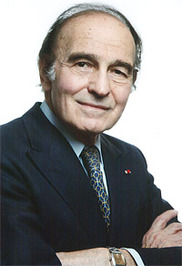
Samuel Pisar was born in Białystok, Poland. His parents and younger sister perished during the Holocaust. Pisar was sent to the Nazi concentration camps at Majdanek, Auschwitz and Dachau. At the end of the Second World War, he escaped during a death march and was rescued by American soldiers.
After the liberation of Poland, he was rescued by an aunt living in Paris. He was later sent to Melbourne, Australia where attained a Bachelor of Laws from the University of Melbourne in 1953. Later, he travelled to the United States and earned a doctorate in law from Harvard University. He also holds a doctorate from the Sorbonne.
In 1950, Pisar worked for the United Nations in New York and Paris. He returned to Washington in 1960 to become a member of Samuel Pisar was born in Białystok, Poland. His parents and younger sister perished during the Holocaust. Pisar was sent to the Nazi concentration camps at Majdanek, Auschwitz and Dachau. At the end of the Second World War, he escaped during a death march and was rescued by American soldiers.
After the liberation of Poland, he was rescued by an aunt living in Paris. He was later sent to Melbourne, Australia where attained a Bachelor of Laws from the University of Melbourne in 1953. Later, he travelled to the United States and earned a doctorate in law from Harvard University. He also holds a doctorate from the Sorbonne.
In 1950, Pisar worked for the United Nations in New York and Paris. He returned to Washington in 1960 to become a member of John F. Kennedy's economic and foreign policy task force.
Pisar's memoir, Le sang de l'espoir (Of Blood and Hope) in which he tells the story of how he survived the Holocaust, received the Present Tense literary award in 1981. He has also written a narration based on his experiences and his anger at God, for Leonard Bernstein's Symphony No. 3 ("Kaddish"). After 9/11, Pisar wrote Dialogue with God, in which he expresses his concern for the future of mankind. ...more