
Discover new books on Goodreads
See if your friends have read any of Shinmon Aoki's books
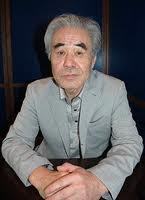

Shinmon Aoki
Born
in Japan
April 11, 1937
Genre
More books by Shinmon Aoki…


“In fact, no form of death places a greater burden on society than suicide, for the act of suicide is the way a person seeks to resolve his alienation from a cooperative society.”
― Coffinman: The Journal of a Buddhist Mortician
― Coffinman: The Journal of a Buddhist Mortician
“I would contend that it is more accurate to say there's no good person or evil person among those who die...Many [Shin commentaries] say the good person relies on self-power in an effort to achieve birth in the Pure Land, while the evil person does not operate in that way. Various explanations are brought forth, but the peaceful composure of the faces of the dead are completely oblivious to these weary arguments.”
― Coffinman: The Journal of a Buddhist Mortician
― Coffinman: The Journal of a Buddhist Mortician
“When you die, you want to die a beautiful death. But what makes for a beautiful death is not always clear. To die without suffering, to die without causing trouble to others, to die leaving behind a beautiful corpse, to die looking good -- it's not clear what is meant by a beautiful death. Does a beautiful death refer to the way you die or the condition of your corpse after death? This distinction is not clear. And when you start to stretch the image of death to the method of how to dispose of your corpse as befitting your image of death, everything grows completely out of hand.”
― Coffinman: The Journal of a Buddhist Mortician
― Coffinman: The Journal of a Buddhist Mortician
Is this you? Let us know. If not, help out and invite Shinmon to Goodreads.