The Decadent movement in literature was a short-lived but influential style during the latter half of the 19th century. It is most associated with French literature, and Charles Baudelaire was perhaps the foremost figure of the Decadent movement. Decadent writers used elaborate, stylized language to discuss taboo and often unsavory topics, such as death, depression, and deviant sexualities.
The Decadent movement was born from the Romantic work of poets like Wordsworth. The word Decadent arose in the literary world as a disparaging assessment from critics. As an adjective, with a lowercase d, dThe Decadent movement in literature was a short-lived but influential style during the latter half of the 19th century. It is most associated with French literature, and Charles Baudelaire was perhaps the foremost figure of the Decadent movement. Decadent writers used elaborate, stylized language to discuss taboo and often unsavory topics, such as death, depression, and deviant sexualities.
The Decadent movement was born from the Romantic work of poets like Wordsworth. The word Decadent arose in the literary world as a disparaging assessment from critics. As an adjective, with a lowercase d, decadent denotes effeteness and a decline of morals, such as that which supposedly caused the dissolution of the Roman Empire. French literary critics in the 19th century used the term to dismiss writers who they felt were unimportant and merely wallowing in shocking subject matter, but some writers embraced the term and began identifying their own work as Decadent, taking pride in their opposition to everyday morality and mores.
Decadent writers used elaborate, stylized language to discuss taboo and often unsavory topics, such as death, depression, and deviant sexualities. Decadent literature encompasses poetry, novels, and short fiction. It was in part born out of the Romantic movement, which sought to effect emotions in the reader, but also a revolt against Romanticism's glorification of nature. The Decadents favored art and artifice over the natural world, and in this respect were closely aligned to the Symbolist and Aesthetic movements of the same period. The Gothic offshoot of Romantic fiction, especially the work of Edgar Allen Poe, was a major inspiration to the Decadents. In fact, Baudelaire translated Poe's works into French.
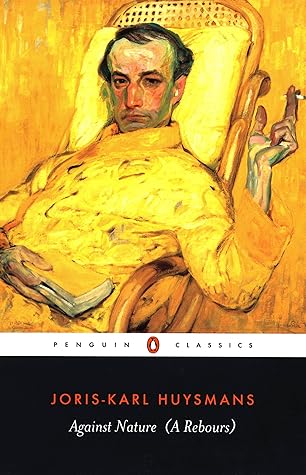
Decadent novelists include Joris-Karl Huysmans, Theophile Gautier, and Octave Mirbeau. In addition to Baudelaire, notable poets of the genre include Arthur Rimbaud, Auguste Villiers de l'Isle-Adam, and the Comte de Lautréamont. The French Decadents gained a following in English literary circles in the late 19th century, and a few English writers adopted the Decadent style. Oscar Wilde and Aubrey Beardsley were the foremost English Decadents. Wilde famously incorporated Huysmans' A Rebours into his novel The Picture of Dorian Gray; though he did not name the book, his readers undoubtedly recognized it from the description....more
“
The habit is now confirmed in me of spending the greater part of the day in sleep, while by night I wander far and wide through the city under the sedative influence of a tincture which has become necessary to my life
”
―
M.P. Shiel,
Xélucha and Others
“
The madness of the eyes is the lure of the abyss. Sirens lurk in the dark depths of the pupils as they lurk at the bottom of the sea, that I know for sure - but I have never encountered them, and I am searching still for the profound and plaintive gazes in whose depths I might be able, like Hamlet redeemed, to drown the Ophelia of my desire.
”
―
Jean Lorrain,
Monsieur de Phocas
Snuggly Books publishes the best of experimental and Decadent fiction from the past, present, an…more
[close]
Snuggly Books publishes the best of experimental and Decadent fiction from the past, present, and perhaps even future...translations of classic works included. Find out more at:
http://www.snugglybooks.co.uk/
This group aims to encourage discussion and take suggestions from members for future projects, and will also have a quarterly read through of a selected Snuggly Book.