
German Idealism
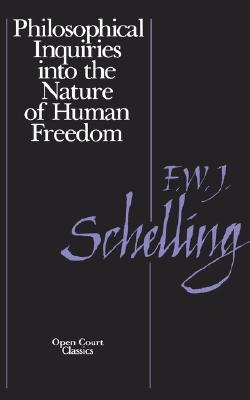
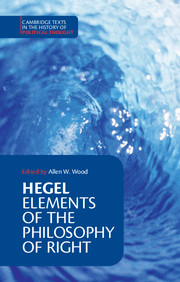
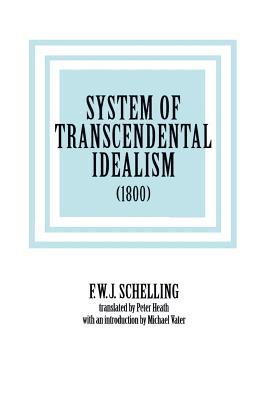
"Deutscher Idealismus" (german-idealism) is signalizes from three important postulates.
The three postulates are a free will, the immortality of the soul and the existence of God.
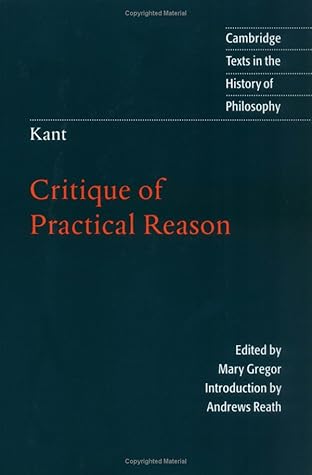
That are the required qualifications for Immanuel Kant´s (* 22. April 1724 in Königsberg; † 12. Februar 1804 in Königsberg) "Critik der praktischen Vernunft (Critique of Practical Reason)". That´s his second critique (1788). His first critique is the "Critik der reinen Vernunft (Critique of Pure Reason)" The Critique of Pure Reason (KrV) is from 1781.
He wrote his third critique in the year 1790. The "Kritik der Urteils ...more
The three postulates are a free will, the immortality of the soul and the existence of God.
That are the required qualifications for Immanuel Kant´s (* 22. April 1724 in Königsberg; † 12. Februar 1804 in Königsberg) "Critik der praktischen Vernunft (Critique of Practical Reason)". That´s his second critique (1788). His first critique is the "Critik der reinen Vernunft (Critique of Pure Reason)" The Critique of Pure Reason (KrV) is from 1781.
He wrote his third critique in the year 1790. The "Kritik der Urteils ...more









“
It is said that the spirits of the night are alarmed when they catch sight of the executioner’s sword: how then must they be alarmed when they are confronted by Kant’s Critique of Pure Reason! This book is the sword with which deism was put to death in Germany. Frankly, in comparison with us Germans, you French are tame and moderate. You have at most been able to kill a king . . . Immanuel Kant has stormed . . . heaven, he has put the whole crew to the sword, the Supreme Lord of the world swims
...more
”
―
―
“
Not only powers of intentional action, the power of intentional action is self-predicated. She who acts intentionally knows herself to have this power. The self-predication I am an intentional agent underlies and is contained in any dynamic self-predication I am doing A. Indeed, this self- predication is none other than the consciousness expressed by the word I in I am doing A. Once one recognizes this, it becomes much easier to read German Idealism.
”
―
―
 community for:
1. polizeistaatphilosophen,
2. german idealists (see: title),
3. budding histor…more
community for:
1. polizeistaatphilosophen,
2. german idealists (see: title),
3. budding histor…more
12 members,
last active one year ago