“
Another example of the same attitude, this time on a less cosmic and more humble scale, comes from the life of the warrior-poet Egil Skallagrimsson. According to his saga, toward the end of his life, one of his sons died, after the others had died before him. Such was the depth of Egil's grief that he planned to kill himself, but his surviving daughter convinced him instead to use his poetic talent to compose a memorial poem for his lost children. Egil's poem is called The Wreck Of Sons (SonatorAnother example of the same attitude, this time on a less cosmic and more humble scale, comes from the life of the warrior-poet Egil Skallagrimsson. According to his saga, toward the end of his life, one of his sons died, after the others had died before him. Such was the depth of Egil's grief that he planned to kill himself, but his surviving daughter convinced him instead to use his poetic talent to compose a memorial poem for his lost children. Egil's poem is called The Wreck Of Sons (Sonatorrek). In it, Egil bemoans his lot in life and curses Odin, his patron god, for having made him suffer so much. But Egil finds that this suffering has also carried a gift within it, for his anguish inspires him to compose better poetry than ever before. He lets loose an eloquent cry of both despair and joy, or at least contented acceptance. The final three stanzas read:
I offer nothing
With an eager heart
To the greatest of gods,
The willful Odin.
But I must concede
That the friend of the wise
Has paid me well
For all my wounds.
The battle-tested
Foe of the wolf
Has given me
A towering art,
And wits to discern
In those around me
Who wishes well,
Who wishes ill.
Times are dire,
Yet glad is my heart,
Full of courage,
Without complaint.
I wait for the goddess
Of dirt and of death
Who stands on the headland
To bear me away....more
”
―
Daniel McCoy,
The Viking Spirit: An Introduction to Norse Mythology and Religion
“
There sat Iduna in the golden house that opened on her garden, Had she been in the world of men, every one who saw her would have remembered their own innocence, seeing one who was so fair and good. She had eyes blue as the blue sky, and she smiled as if she were remembering lovely things she had seen or heard. The basket of shining apples was beside her.
To each God and Goddess Iduna gave a shining apple. Each one ate the apple given, rejoicing to think that they would never become a day olderThere sat Iduna in the golden house that opened on her garden, Had she been in the world of men, every one who saw her would have remembered their own innocence, seeing one who was so fair and good. She had eyes blue as the blue sky, and she smiled as if she were remembering lovely things she had seen or heard. The basket of shining apples was beside her.
To each God and Goddess Iduna gave a shining apple. Each one ate the apple given, rejoicing to think that they would never become a day older. Then Odin, the Father of the Gods, said the runes that were always said in praise of Iduna, and the Dwellers in Asgard went out of Iduna's garden, each one going to his or her own shining house....more
”
―
Padraic Colum


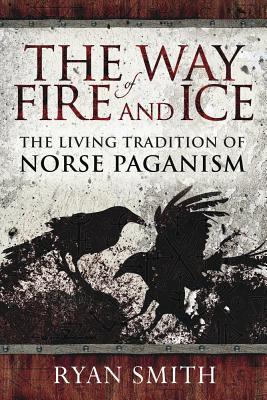


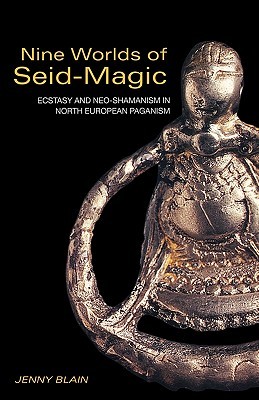


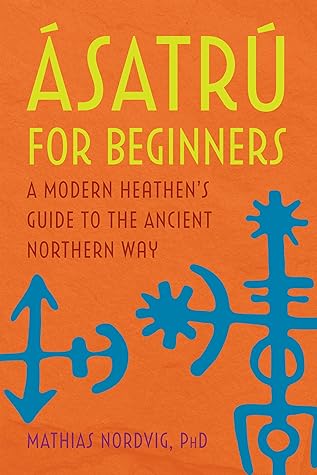
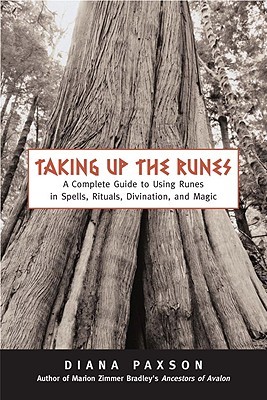



 the reading group for the three ravens kindred
 Welcome to Scandinavia, home of elves, trolls, giants, and dwarves.