Most Read This Week In Urbanism

Urbanism is the study of how inhabitants of urban areas, such as towns and cities, interact with the built environment.

Most Read This Week Tagged "Urbanism"
Paved Paradise: How Parking Explains the World
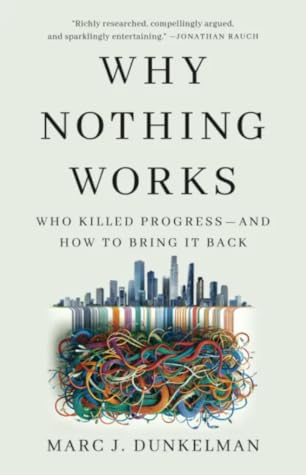
Why Nothing Works: Who Killed Progress―and How to Bring It Back
Life After Cars: Freeing Ourselves from the Tyranny of the Automobile
Crossings: How Road Ecology Is Shaping the Future of Our Planet
52 Ways to Walk: The Surprising Science of Walking for Wellness and Joy, One Week at a Time
Zapaść. Reportaże z mniejszych miast
Stuck: How the Privileged and the Propertied Broke the Engine of American Opportunity
A Paradise of Small Houses: The Evolution, Devolution, and Potential Rebirth of Urban Housing
Shade: The Promise of a Forgotten Natural Resource
Killed by a Traffic Engineer: Shattering the Delusion that Science Underlies Our Transportation System
Arbitrary Lines: How Zoning Broke the American City and How to Fix It
Carmageddon: How Cars Make Life Worse and What to Do About It
Paradise Bronx: The Life and Times of New York's Greatest Borough
A Natural History of Empty Lots: Field Notes from Urban Edgelands, Back Alleys, and Other Wild Places
Everything Now: Lessons from the City-State of Los Angeles
There Are No Accidents
Confessions of a Recovering Engineer: Transportation for a Strong Town
Rooted: The American Legacy of Land Theft and the Modern Movement for Black Land Ownership
Homelessness Is a Housing Problem: How Structural Factors Explain U.S. Patterns
Two Wheels Good: The History and Mystery of the Bicycle
Build, Baby, Build: The Science and Ethics of Housing Regulation
Meet Me by the Fountain: An Inside History of the Mall
Against Landlords: How to Solve the Housing Crisis
Engineering in Plain Sight: An Illustrated Field Guide to the Constructed Environment
Disillusioned: Five Families and the Unraveling of America's Suburbs
American Oasis: Finding the Future in the Cities of the Southwest
City Limits: Infrastructure, Inequality, and the Future of America's Highways
New York, New York, New York: Four Decades of Success, Excess, and Transformation
Gentrification Is Inevitable and Other Lies
Our Crumbling Foundation: How We Solve Canada's Housing Crisis
Curbing Traffic: The Human Case for Fewer Cars in Our Lives
Emergent Tokyo: Designing the Spontaneous City
The Nature of Our Cities: Harnessing the Power of the Natural World to Survive a Changing Planet
When Driving Is Not an Option: Steering Away from Car Dependency
A Fortress in Brooklyn: Race, Real Estate, and the Making of Hasidic Williamsburg
2020: One City, Seven People, and the Year Everything Changed
The Lies of the Land: Seeing Rural America for What It Is―and Isn’t
Sideways: The City Google Couldn't Buy
Inclusive Transportation: A Manifesto for Repairing Divided Communities
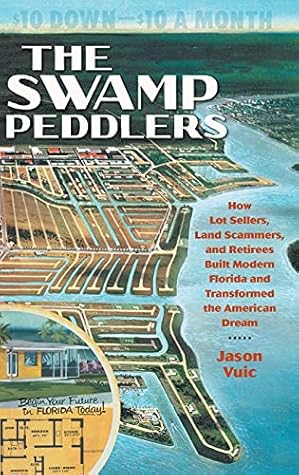
The Swamp Peddlers: How Lot Sellers, Land Scammers, and Retirees Built Modern Florida and Transformed the American Dream
London Clay: Journeys into the Deep City
Killing Sydney: The Fight for a City's Soul
Dividing Lines: How Transportation Infrastructure Reinforces Racial Inequality
Excluded: How Snob Zoning, NIMBYism, and Class Bias Build the Walls We Don't See
Fixer-Upper: How to Repair America's Broken Housing Systems
Urban Jungle: The History and Future of Nature in the City
Sunbelt Blues: The Failure of American Housing
Paint Your Town Red: How Preston Took Back Control and Your Town Can Too
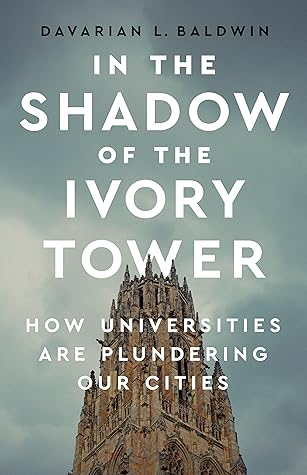
In the Shadow of the Ivory Tower: How Universities Are Plundering Our Cities
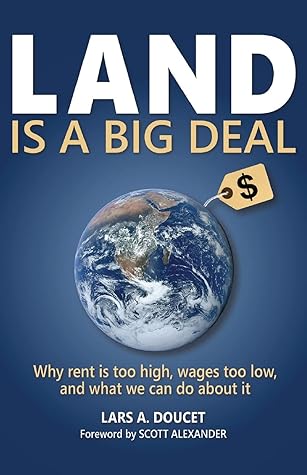
Land is a Big Deal: Why rent is too high, wages too low, and what we can do about it
Město pro každého: Manuál urbanisty začátečníka
American Urbanist: How William H. Whyte's Unconventional Wisdom Reshaped Public Life
City Authentic: How the Attention Economy Builds Urban America

Related Genres

Jane Jacobs
I have been dwelling upon downtowns. This is not because mixtures of primary uses are unneeded elsewhere in cities. On the contrary they are needed, and the success of mixtures downtown (on in the most intensive portions of cities, whatever they are called) is related to the mixture possible in other part of cities.
Jane Jacobs, The Death and Life of Great American Cities

Jane Jacobs
To generate exuberant diversity in a city's streets and districts four conditions are indispensable: 1. The district, and indeed as many of its internal parts as possible, must serve more than one primary function; preferably more than two... 2. Most blocks must be short; that is, streets and opportunities to turn corners must be frequent. 3. The district must mingle buildings that vary in age and condition, including a good proportion of old ones so that they vary in the economic yield they ...more
Jane Jacobs, The Death and Life of Great American Cities

More quotes...
ULA it's all about urbanism, landscape, and architecture.…more
5 members, last active 14 years ago
The Urbanist Bookclub A place to share and discuss urbanism books and authors from around the world. The group is ope…more
71 members, last active 9 years ago
A group for the exchange of books and ideas about cities.
8 members, last active 14 years ago
Readers interested in cross disciplinary discussion specific to urban design and transportation …more
14 members, last active 5 years ago