
Sanskrit


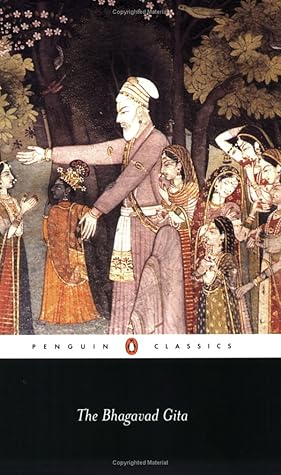
The Bhagavad Gita
The Recognition of Śakuntalā
The Meghadūta of Kālidāsa
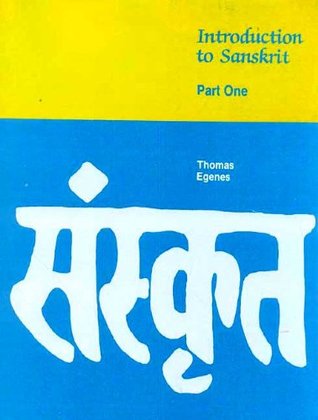
Introduction to Sanskrit, Part 1
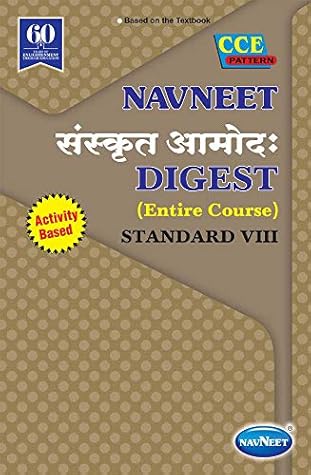
Navneet Sanskrit Digest Amod | Std 8 | English Medium | Maharashtra State Board |
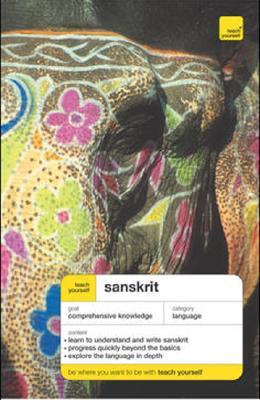
Sanskrit (Teach Yourself)
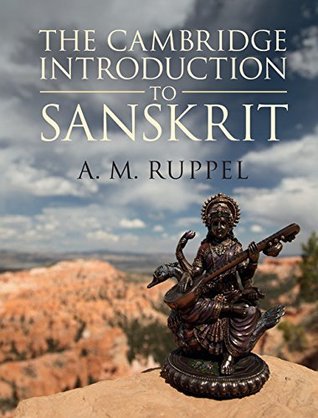
The Cambridge Introduction to Sanskrit
The Upanishads
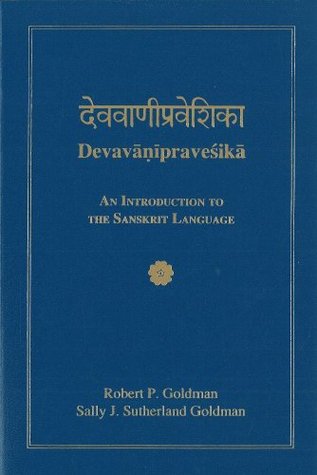
Devavāṇīpraveśikā: An Introduction to the Sanskrit Language
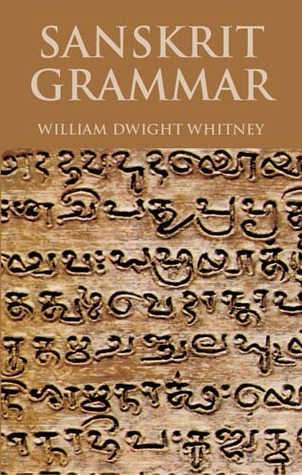
Sanskrit Grammar (Dover Language Guides)
Mahabharata
A Sanskrit Reader: Text and Vocabulary and Notes
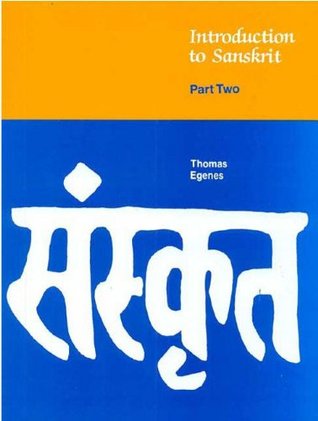
Introduction to Sanskrit, Part 2
Panchatantra (Illustrated): Classic Tales
Kumarasambhava of Kalidasa
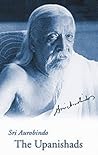
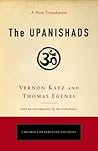
Essence of the Upanishads by Eknath EaswaranTales From The Upanishads by Dev NadkarniThe Upanishads by Sri AurobindoThe Upanishads by Vernon KatzThe Upanishads by Anonymous
The Upanishads
20 books — 1 voter
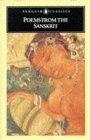
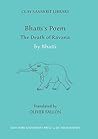
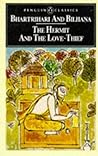
The Hermit and The Love-Thief by Bhartrihariरघुवंशम् [Raghuvamsham] by KālidāsaPoems from the Sanskrit by John BroughBhatti’s Poem by Bhatti
Sanskrit Poetry
4 books — 2 voters

Ramayana by VālmīkiAsura by Anand NeelakantanThe Ramayana by R.K. NarayanThe Forest of Enchantments by Chitra Banerjee DivakaruniSita's Ramayana by Samhita Arni
The Ramayana
58 books — 17 voters
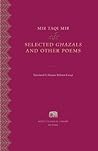
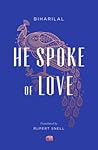
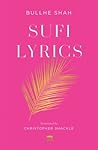
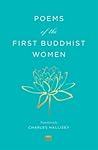
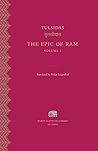
Selected Ghazals and Other Poems by Mir Taqi MirHe Spoke of Love by Bihari LalSufi Lyrics by Bullhe ShāhPoems of the First Buddhist Women by Charles HalliseyThe Epic of Ram, Vol. 1 by Tulsidas
Murty Classical Library of India
31 books — 1 voter


Rajiv Malhotra
“ I found Sheldon Pollock to be remarkably well informed about Sanskrit and sanskriti, as well as on modern Indian politics in which he takes strong positions. I also found him to be a worthy opponent with whom to engage, and doing so has expanded and sharpened my own thoughts. What I take exception to is his allowing himself to be positioned as a spokesperson for Sringeri Peetham, a central institution of Hinduism, his lack of self-awareness about the ways in which his own assumptions and world v ...more ”
― Rajiv Malhotra, The Battle for Sanskrit: Is Sanskrit Political or Sacred, Oppressive or Liberating, Dead or Alive?

“ Sanskrit was oral: for centuries it had no writing system, and when it did get one, it was not much used, as there were elaborate procedures in place for memorizing texts. Maybe it was a good decision to keep it oral, as this restricted access to all but a small and inbred group of Vedic men who had full control of the valuable srauta rituals. As a result, the sound of the language was the first thing anyone would notice, and this made it clear who was 'us' and who was not. ...more ”
― Peggy Mohan, Father Tongue, Motherland: The Birth of Languages in South Asia

More quotes...
Underground Knowledge — A discussion group This global discussion group has been designed to encourage debates about important and underrep…more
26,281 members, last active 18 hours ago
Indology The study of Indian (south-asian) Civilization
20 members, last active 10 years ago
Kashmir Join the weekly meet by registering at https://forms.gle/pu8RjTEYXtHApF9Z8 Welcome to Kasmira t…more
187 members, last active 2 years ago
Devoted to studying the grammar of Vedic or Old-Indian language as in Rgveda, Brahmanas and Upan…more
4 members, last active 13 years ago