



Sociality


Strength Training Anatomy
Heartstopper: Volume One (Heartstopper, #1)
The Plague
Exploring Animal Social Networks
Loneliness: Human Nature and the Need for Social Connection
The Miracle of Castel di Sangro: A Tale of Passion and Folly in the Heart of Italy
Message to the Movement (Occupied Media Pamphlet Series, 3)
The Art of Gathering: How We Meet and Why It Matters
Eros and Civilization: A Philosophical Inquiry into Freud
Letter to a Christian Nation
The Culture of Make Believe
Dear Ijeawele, or A Feminist Manifesto in Fifteen Suggestions
Free Software, the Internet, and Global Communities of Resistance (Routledge Studies in New Media and Cyberculture)
Solitude: A Singular Life in a Crowded World
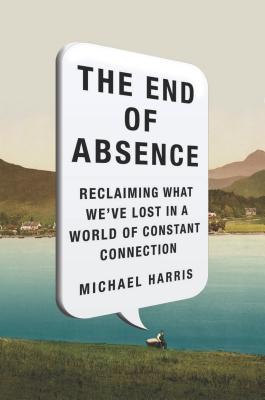
The End of Absence: Reclaiming What We've Lost in a World of Constant Connection
Robert B. Pippin
It is certainly possible that an individual can, qua individual, suffer some failure of meaning, as in pathological boredom or depression. But any given social world is also a nexus of common significances, saliences, taboos, and a general shared orientation that can also either be sustained or can fail. Indeed one of the most interesting aspects of such a social condition, shared meaningfulness, or intelligibility, is that it can fail, go dead, lose its grip, and a very great deal of what inter ...more
Robert B. Pippin, Hegel's Practical Philosophy: Rational Agency as Ethical Life

Matt Ridley
Our minds have been built by selfish genes, but they have been built to be social, trustworthy and cooperative. That is the paradox this book has tried to explain. Human beings have social instincts. They come into the world equipped with predispositions to learn how to cooperate, to discriminate the trustworthy from the treacherous, to commit themselves to be trustworthy, to earn good reputations, to exchange goods and information, and to divide labour.
Matt Ridley , The Origins of Virtue: Human Instincts and the Evolution of Cooperation

More quotes...