


35 books
—
22 voters
| 1 |

|
A House Near Luccoli
by See Review |
|
| 2 |

|
To A Strange Somewhere Fled
by See Review |
|



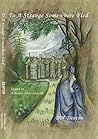
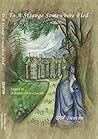
What the Bronte story has always had at its core is a question, how did literary genius flower in three women of a Victorian family from the English village of Haworth and the landscape of the English Moors when the mother died so young and the father was a clergyman in a small village? After all, in the years she served as a governess, the idealistic Anne had a status only a little better than that the servants hand in that time’s stratified English society.
Denton’s novel provides more than a hint of how the three sisters turned societal and domestic constraints in which they lived into characters and stories and poetry that have stood the test of time. Anne was, at least to the modern sensibility, a great novelist in spite of her contemporary reputation, and as she weaves her gentle spirit into dealing with the dissolution of her brother, her father’s loving distraction, and her two sisters’ determination to overcome the limitations of their sex in Victorian society, the reader gets a sense of how genius rose out of the tensions, love, and straining within the family itself.
This was not a flowering of genius from wealth and status, but from sparks engendered out of living in a certain time and place where meals were prepared and eaten, long walks in foreboding weather were gloried in, and conversation helped spur what would seem to have been, at the time, literary efforts without much chance of bearing fruit.
What Denton has achieved is a portrait placed in a time very different from the jangling present. Her story resonates in a way that suspends years and centuries and lets us feel the joys and sadness of a writer whose unflinching look at life, especially in her novels, rings with the authenticity of who, inside, she really was.