
 Sign in with Facebook
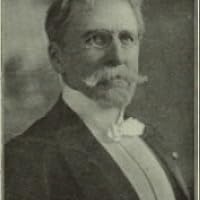
“I. Carthage. 900–200 B.C. In the third century B.C., Rome and Carthage divided the power of the Mediterranean world. Rome was first on land, Carthage first at sea. Intolerant of powerful neighbors, Rome quarreled with Carthage, and in the First Punic War brought her to her knees. The Carthaginians were of Phœnician origin, one of the early settlements of Tyre. By their energy and intelligence they succeeded in acquiring the hegemony of all the Phœnician colonies on the Mediterranean, as Tyre had done at home. The government was an aristocracy of capitalists, controlled by a senate. This “London of antiquity” gradually extended her conquests all around the western Mediterranean. The city was strongly walled and beautifully built; and in addition possessed vast commercial works, harbors and arsenals. Agriculture was as highly esteemed and practiced as commerce, and the land was worked by rich planters. The prosperity of the city was equally indebted to either art. Carthage was really the capital of a great North African empire, as Rome was of the Italian peninsula.”
―
Hannibal: A History of the Art of War Among the Carthaginians and Romans Down to the Battle of Pydna, 168 B.C., With a Detailed Account of the Second Punic War
Share this quote:


Friends Who Liked This Quote
To see what your friends thought of this quote, please sign up!
2 likes
All Members Who Liked This Quote


This Quote Is From

Browse By Tag
- love (101729)
- life (79700)
- inspirational (76130)
- humor (44470)
- philosophy (31123)
- inspirational-quotes (28999)
- god (26967)
- truth (24808)
- wisdom (24742)
- romance (24433)
- poetry (23400)
- life-lessons (22727)
- quotes (21197)
- death (20608)
- travel (20433)
- happiness (19106)
- hope (18634)
- faith (18496)
- inspiration (17426)
- spirituality (15788)
- relationships (15714)
- life-quotes (15656)
- religion (15429)
- love-quotes (15426)
- motivational (15409)
- writing (14979)
- success (14220)
- motivation (13292)
- time (12902)
- motivational-quotes (12649)
