
Nothing But Reading Challenges discussion
note: This topic has been closed to new comments.
Tower Teams XI
>
Say Cheese!
date newest »
newest »
 Mod
Mod
Pecorino cheese is an Italian cheese made from sheep's milk, particularly the milk of the Sardinian breed of sheep known as "Pecora" in Italian, from which it gets its name.

Pecorino cheese has a unique and robust flavour that sets it apart from other types of cheese. It has a tangy, saline feel with slight nutty undertones and a distinct freshness. The flavour intensifies as the cheese matures, developing a sharper and more complex profile. The aging process also contributes to an increasingly firm yet crumbly texture that adds to the overall experience of eating Pecorino.
Mod
Ubriaco al Prosecco
Ubriaco Prosecco is a raw cow's milk cheese from the Veneto region in Northeast Italy, home to the Prosecco growing region and several superb sparkling and still wines.

Affectionately called "drunken cheese", the cheese is bathed in gallons of sparkling Prosecco wine along with skins, seeds, and leftovers from the wine-making process. The creamy yet crystalline paste develops delicate floral aromas and hints of pear and golden apple. Ubriaco al Prosecco is a firm moist cheese.
Mod
Yeghegnadzor has been knocked out of the odd clay pots by the Chipmunks of Chaos lobbing a new cheese from down-under through your window!
Bruny Island Cheese C2
Bruny Island Cheese C2 is an artisan cheese that originates on Bruny Island in Tasmania, Australia and it is a relatively young cheese as it was first produced in 2009.

C2 is known for its hard, uncooked, and unpressed curds, showcasing traditional cheesemaking methods. The cheese is aged for several months, allowing it to develop a dense and creamy texture with a rich, nutty flavour profile.
Note For this spell-it-out, you need to spell out the word TWO for 2.
i.e. your spell it out is Bruny Island Cheese CTwo
Mod
Mozzarella
Mozzarella cheese originated in Italy, mainly in the region of Campania, which includes cities like Naples. It has been produced in this region for centuries, using traditional methods handed down through generations.

Mozzarella cheese is a popular type of cheese known for its smooth, creamy texture and mild flavour. It is commonly used in Italian cuisine, particularly pizza, pasta, and salads. It is a semi-soft cheese made using cow's milk or buffalo milk, but some variations are made from goat or sheep milk as well.
Mod
Pálpusztai
The production of Pálpiusztai cheese originated as a family business in Győr-Ménfőcsanak since the beginning of the 20th century. It is one of the few traditional Hungarian cheeses, although its history does not go back too far yet.
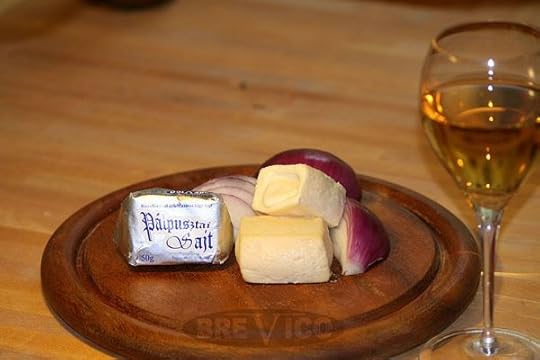
Pálpusztai cheese is famous for its characteristically strong, piquant, slightly ammoniacal bouquet, which is characteristic of all smear-ripened cheeses. The cheese dough is soft, with at most a few small fermentation or curd holes. Its flavour develops during ripening, and it may become runny during storage.
Mod
Queijo Coalho
Queijo (de) coalho is a traditional Brazilian cheese produced in Northeastern Brazil. Handcrafted coalho is mainly produced from raw cow's milk, but commercially produced versions are made from pasteurised cow's milk.

Queijo coalho is a firm, lightweight yellowish-white cheese with an elastic texture. It is a salty cheese with a slightly acidic taste, and it is known for its "squeaky" texture when bitten into. On the beaches of Brazil, you get coalho cheese as a cheap snack where it is cooked over a charcoal grill, often with a sprinkling of oregano or garlic-flavoured sauce.
Mod
Bouhezza
Bouhezza is a type of ripened cheese that has traditionally been prepared by the Chaouia community of the Aurès Mountains in Algeria. Although traditional cheese-making calls for the use of a chekoua (a specially designed goatskin or sheepskin bag), cloth fabric is nowadays more commonly used in the production of this cheese.
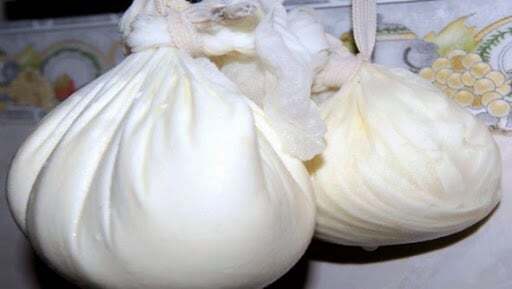
Produced between March and June, this cheese is made from raw goat’s or sheep’s milk (today also with cow’s milk), with the addition of lben (fermented milk), salt, and additional raw milk. Ripening usually takes from several weeks up to 2 or 3 months, and red chili powder is sometimes added for spiciness.
Mod
Roquefort
Roquefort originated in the South of France and is first tasted with your eyes. The blue-green marbling that dots it from the center to the edges is harmoniously and evenly distributed in the pearly white of the slightly moist dough. The cavities are well dilated.
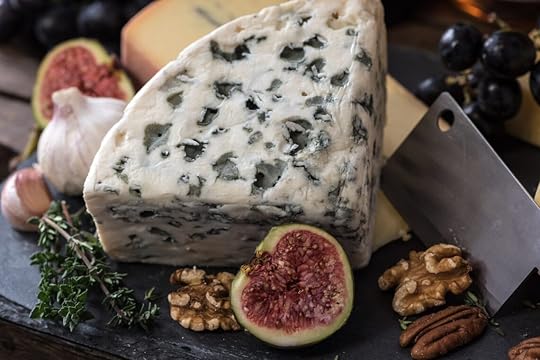
Then smell the flavours expressed by the mold and the acidity of the curdled milk, which emanates from the ivory paste. Now savour it. Roquefort has sweet and frank notes, a fine taste and pronounced bitterness. Its texture is melting.
Mod
Parmigiano Reggiano
The production area of Parmigiano Reggiano is more localized, occurring in very specific provinces of Italy. (In comparison to Grana Padano where the production is more widely spread.) To make Parmigiano Reggiano, cows are exclusively fed hay and grass (alfalfa and stable meadows), without using silage or fermented forage.

Parmigiano Reggiano is a cooked, hard parmesan cheese made from partially skimmed cow's milk. It has a rich, sharp flavour. The cheese's complex flavour and extremely granular texture is a result of the long aging.
Mod
Stinking Bishop
Launched in 1994, Stinking Bishop is an award-winning British Cheese, handmade by artisan cheesemakers Charles Martell & Son Ltd. Stinking Bishop was appropriately named due to its striking smell and unrivalled taste, developing a strong following amongst cheese lovers for its unique qualities.

If you can overcome the smell, Stinking Bishop is a delicious soft cheese made with full fat pasteurised cows’ milk and vegetarian rennet. The rind is thoroughly washed in perry, giving Stinking Bishop its distinctive characteristic flavour and unique ‘stinking’ aroma.
Mod
Panquehue
Panquehue originates in the Andean Aconcagua region of Chile. It is named after the Chilean town of Panquehue, located in the fertile Aconcagua Valley. It is made from pasteurised cow's milk of breeds raised exclusively in the Andes region. This ensures that the cheese is free of growth hormones and artificial ingredients.

Panquehue comes in several varieties, such as the semi-soft variety with a nutty, creamy flavour and a velvety texture, or a spicier variety with coriander, cumin, and red chili peppers. The cheese is traditionally paired with wine and crackers, although it can also be used in the preparation of cheese dips.
Mod
Halloumi
Halloumi is a Cypriot cheese traditionally made from goat's and sheep's milk, or a mixture of the two. Cow's milk is sometimes used. It's most appreciated as a grilling cheese because it maintains its shape when heated and grills well.

Halloumi is a white, layered cheese, similar to mozzarella. It is a semihard, unripened, and brined cheese with a slightly spongy texture. Its flavour is tangy and salty, and it has no rind. When eaten raw, Halloumi is plain and somewhat rubbery with salty notes. However, once crisped in a pan or on the grill, it becomes beautifully crispy and savory on the outside and sensually melted on the inside, similar to the consistency of a marshmallow when toasted.
Mod
Monterey Jack
Monterey Jack originated in the Mexican Franciscan friars of Monterey, California. Around the 1700s, these monasteries around the Monterey region were making a semi-firm, creamy, mild-flavoured cheese from cow’s milk which was aged for a short period.

The high fat and moisture content in this California-born, semi-hard cheese helps it melt more smoothly than an ice cream cone in Death Valley, yet the mild flavour of this mild and creamy white cheese won't get in the way of other ingredients.
Mod
Cornish Yarg
Cornish Yarg gets its name from the original cheese maker, Alan Gray which is actually Yarg spelt backwards. He reportedly found the recipe from 1615 in his attic and sold it to a nearby farm in 1984. It is made from cow's milk and wrapped in edible stinging nettles.

The ideal Cornish Yarg nettle leaf is young, vibrantly green and larger than average. Cornish Yarg is a semi-hard cheese. The cheese's delicately earthy rind gives way to a buttery breakdown and crumbly core, with notes of lemon and yoghurt.
Mod
Wagassi
Wagassi is a cow's milk cheese from northern Benin in West Africa. It is traditionally prepared by the Fulani people, mostly women, and it can be bought in towns such as Parakou.
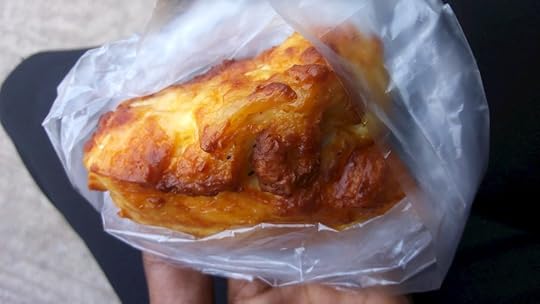
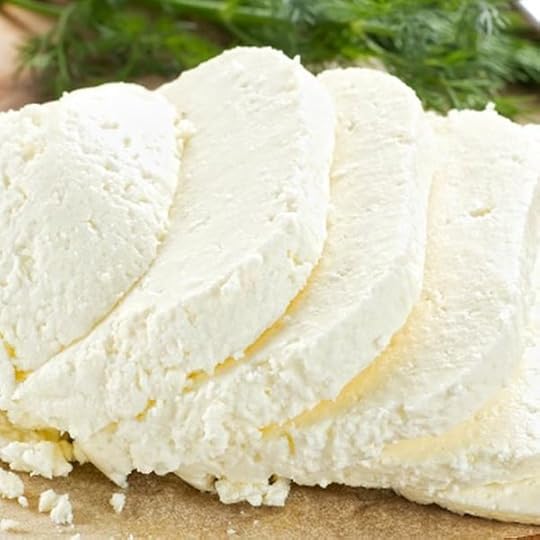
Wagassi is characterised by its mild flavour and red rind, which is a result of dipping the cheese into warm water with the Calotropis procera leaf extract. The cheese is praised for its unique properties such as the fact that it does not melt easily, even at high temperatures. It can be consumed fried or cooked in sauces, but it is rarely consumed fresh.
Mod
Oaxaca
Oaxaca cheese originates in the state of Oaxaca in Mexico, where most of the production still continues today. Dominican friars first brought string cheese to Mexico and the Oaxaca was developed using the same process for cheese making.

Oaxaca, also known as quesillo and queso de hebra, is a white, semihard, low-fat cheese made from cow's milk. It's texture is similar to that of mozzarella and other string cheeses. Oaxaca is widely used in Mexican cuisine, but it also tastes incredible paired with a simple plate of fruit. To incorporate Oaxaca into everyday dishes, it can be shredded, peeled and melted for pizzas, quesadillas, birria tacos, empanadas or nachos. You can even deep-fry Oaxaca cheese to make crispy, gooey, mega-elastic cheese curds.
Mod
Velveeta
Velveeta is actually more of a brand name than a cheese name. It was invented in 1918 by Emil Frey, who was sent broken pieces of (Swiss) cheese from a factory in an attempt to avoid wasting the cheese. Frey began taking broken pieces of cheese back to his house where he spent two years working on a process to make use of them.

Nowadays, marketed as a "pasteurised prepared cheese product" (no longer a cheese spread), Velveeta has a velvety smooth texture, which brought on its name. There is some Swiss cheese mixed in. Or used to be. It has been described as an "abhorrent orange thing", certainly not culinary goodness.
Enjoy an extra special, slightly creepy image of Velveeta:
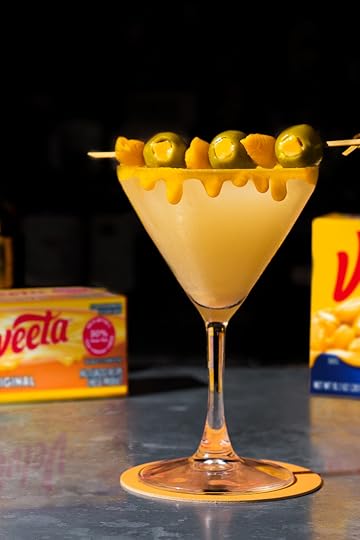
PS if you are wondering who to
This topic has been frozen by the moderator. No new comments can be posted.

Say Cheese!
Who doesn't love cheese? Cheese!
Hard or creamy, light or dark, spicy or sweet - we love it all.
And don't say you haven't been warned - you know better than to feed the Chipmunks of Doom!
Chaos can take many forms and flavours, including various types of cheese. Who knows when the NBRC Mods will lob a brick of cheese into your tower window. Will it be today? Tomorrow? Next week? Again, WHO KNOWS!
Teams will have a chance to earn bonuses of 5 points per letter of various cheese varieties. The cheese varieties will arrive at random times and will be added to team sheets.
As with all perishable items, things spoil. Sometimes unexpectedly ruining plans. How long until cheese spoils? Depends on many factors and the whims of nature. The Mods recommend using read books as much as possible to 'consume' the cheese before it goes bad and needs to get defenestrated from your tower.
Books used for the cheese spell-outs can be used for one of the other Tower Teams mini challenges. Yes, you read that correctly. Books can be used for the cheese spell-out in addition to another mini challenge task.
◈ Each book read can only be used for one letter in the cheese spell-out.
◈ 'Banked' books, or books read before the given spell-out is announced can be used, provided they were finished AFTER the first cheese was thrown (20th May)
◈ Each book read can be used for one of the other Tower Teams mini challenge tasks.
◈ Books can be started at any point since the start of Tower Teams XI (17th May 9am UTC), but must be finished after the first cheese was thrown (20th May).
◈ The usual book length rules apply.
◈ The usual spell-out rules apply.
◈ Each cheese spell-out will have its own spell-out completion time that will remain a mystery. Partial spellings are accepted.
◈ Since spell-out completion times are a mystery, spreadsheets need to be updated as soon as a book for the cheese spell-out is finished. Any book not added to the official team sheet by the cut-off time will not count.
◈ You will gain 5 points for each letter you complete.