
 Sign in with Facebook
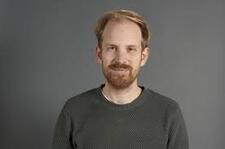
Rutger Bregman
https://www.rutgerbregman.com

“Instead, we should be posing a different question altogether: Which knowledge and skills do we want our children to have in 2030? Then, instead of anticipating and adapting, we’d be focusing on steering and creating. Instead of wondering what we need to do to make a living in this or that bullshit job, we could ponder how we want to make a living. This is a question no trend watcher can answer. How could they? They only follow the trends, they don’t make them. That part is up to us.”
― Utopia for Realists: And How We Can Get There – from the presenter of the 2025 BBC ‘Moral Revolution’ Reith lectures
― Utopia for Realists: And How We Can Get There – from the presenter of the 2025 BBC ‘Moral Revolution’ Reith lectures
“In the twenty-first century, the real elite are those born not in the right family or the right class but in the right country.”
― Utopia for Realists: And How We Can Get There – from the presenter of the 2025 BBC ‘Moral Revolution’ Reith lectures
― Utopia for Realists: And How We Can Get There – from the presenter of the 2025 BBC ‘Moral Revolution’ Reith lectures
“Imagine for a moment that a new drug comes on the market. It’s super-addictive, and in no time everyone’s hooked. Scientists investigate and soon conclude that the drug causes, I quote, ‘a misperception of risk, anxiety, lower mood levels, learned helplessness, contempt and hostility towards others, and desensitization'......That drug is the news.”
― Humankind: A Hopeful History
― Humankind: A Hopeful History
“Van de mooiste dingen in het leven krijg je alleen maar meer als je ze weggeeft: vertrouwen, vriendschap, vrede.”
― De meeste mensen deugen: Een nieuwe geschiedenis van de mens
― De meeste mensen deugen: Een nieuwe geschiedenis van de mens
“Over the last several decades, extreme poverty, victims of war, child mortality, crime, famine, child labour, deaths in natural disasters and the number of plane crashes have all plummeted. We’re living in the richest, safest, healthiest era ever. So why don’t we realise this? It’s simple. Because the news is about the exceptional, and the more exceptional an event is – be it a terrorist attack, violent uprising, or natural disaster – the bigger its newsworthiness.”
― Humankind: A Hopeful History – from the presenter of the 2025 BBC ‘Moral Revolution’ Reith lectures
― Humankind: A Hopeful History – from the presenter of the 2025 BBC ‘Moral Revolution’ Reith lectures

Rutger’s 2025 Year in Books
Take a look at Rutger’s Year in Books, including some fun facts about their reading.
Rutger hasn't connected with his friends on Goodreads, yet.
Favorite Genres
Philosophy and Psychology
Polls voted on by Rutger
Lists liked by Rutger
