
 Sign in with Facebook
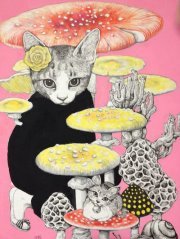


“I never wish to be easily defined. I’d rather float over other people’s minds as something strictly fluid and non-perceivable; more like a transparent, paradoxically iridescent creature rather than an actual person.”
―
―

“...counselling man to treat her as a slave while persuading her that she is a queen.”
― The Second Sex
― The Second Sex

“When a madman appears thoroughly sane, indeed, it is high time to put him in a straight jacket.”
―
―
“If they want to flirt or initiate a friendship, they should carefully avoid giving the impression they are taking the initiative; men do not like tomboys, nor bluestockings, nor thinking women; too much audacity, culture, intelligence, or character frightens them.
In most novels, as George Eliot observes, it is the dumb, blond heroine who outshines the virile brunette; and in The Mill on the Floss, Maggie tries in vain to reverse the roles; in the end she dies and it is blond Lucy who marries Stephen. In The Last of the Mohicans, vapid Alice wins the hero’s heart and not valiant Cora; in Little Women kindly Jo is only a childhood friend for Laurie; he vows his love to curly-haired and insipid Amy.
To be feminine is to show oneself as weak, futile, passive, and docile. The girl is supposed not only to primp and dress herself up but also to repress her spontaneity and substitute for it the grace and charm she has been taught by her elder sisters. Any self-assertion will take away from her femininity and her seductiveness.”
― The Second Sex
In most novels, as George Eliot observes, it is the dumb, blond heroine who outshines the virile brunette; and in The Mill on the Floss, Maggie tries in vain to reverse the roles; in the end she dies and it is blond Lucy who marries Stephen. In The Last of the Mohicans, vapid Alice wins the hero’s heart and not valiant Cora; in Little Women kindly Jo is only a childhood friend for Laurie; he vows his love to curly-haired and insipid Amy.
To be feminine is to show oneself as weak, futile, passive, and docile. The girl is supposed not only to primp and dress herself up but also to repress her spontaneity and substitute for it the grace and charm she has been taught by her elder sisters. Any self-assertion will take away from her femininity and her seductiveness.”
― The Second Sex

“Sensitive people are the most genuine and honest people you will ever meet. There is nothing they won’t tell you about themselves if they trust your kindness. However, the moment you betray them, reject them or devalue them, they become the worse type of person. Unfortunately, they end up hurting themselves in the long run. They don’t want to hurt other people. It is against their very nature. They want to make amends and undo the wrong they did. Their life is a wave of highs and lows. They live with guilt and constant pain over unresolved situations and misunderstandings. They are tortured souls that are not able to live with hatred or being hated. This type of person needs the most love anyone can give them because their soul has been constantly bruised by others. However, despite the tragedy of what they have to go through in life, they remain the most compassionate people worth knowing, and the ones that often become activists for the broken hearted, forgotten and the misunderstood. They are angels with broken wings that only fly when loved.”
―
―

Juste’s 2025 Year in Books
Take a look at Juste’s Year in Books, including some fun facts about their reading.

561 books
|
23 friends

367 books
|
38 friends

710 books
|
90 friends

51 books
|
68 friends

72 books
|
327 friends

111 books
|
100 friends

632 books
|
231 friends

207 books
|
149 friends
More friends…

Favorite Genres
Polls voted on by Juste
Lists liked by Juste
