This will prevent Julio from sending you messages, friend request or from viewing your profile. They will not be notified. Comments on discussion boards from them will be hidden by default.
“For better or worse, humans or our descendants will be responsible for life on Earth for the indefinite future. Despite the initially daunting technical challenges, the biggest obstacle to compassionate stewardship of the world's free-living nonhuman animal population is not technical or even financial but ideological.”
―
David Pearce
“A questão da consideração moral só existe porque existem seres que podem ser passíveis de serem prejudicados e/ou beneficiados. Dar consideração moral a alguém é buscar que esse alguém seja beneficiado e evitar que seja prejudicado. Se determinada entidade é incapaz de ser prejudicada e/ou beneficiada (por ser indiferente ao que lhe acontece), para que não faz sentido se preocupar diretamente com ela.”
―
Luciano Carlos Cunha
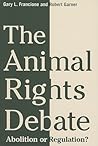
“We do not need to eat animals, wear animals, or use animals for entertainment purposes, and our only defense of these uses is our pleasure, amusement, and convenience.”
―
Gary L. Francione
“[...] o reforço oculto do especismo está presente em qualquer discurso que subentenda que os danos para os animais não são razões suficientes para rejeitarmos as práticas especistas. A percepção do público geral é: "se mesmo os ativistas pensam que o sofrimento e as mortes dos animais não são suficientes para que a exploração deva ser abolida, então provavelmente não há nada de errado com prejudicar os animais".”
―
Luciano Carlos Cunha,
Uma breve introdução à ética animal: desde as questões clássicas até o que vem sendo discutido atualmente