
Discover new books on Goodreads
Meet your next favorite book
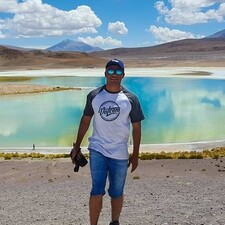


“Hoje entendo bem meu pai. Um homem precisa viajar. Por sua conta, não por meio de histórias, imagens, livros ou TV. Precisa viajar por si, com seus olhos e pés, para entender o que é seu. Para um dia plantar as suas próprias árvores e dar-lhes valor. Conhecer o frio para desfrutar do calor. E o oposto. Sentir a distância e o desabrigo para estar bem sob o próprio teto. Um homem precisa viajar para lugares que não conhece para quebrar essa arrogância que nos faz ver o mundo como o imaginamos, e não simplesmente como é ou pode ser; que nos faz professores e doutores do que não vimos, quando deveríamos ser alunos, e simplesmente ir ver. Não há como não admirar um homem – Cousteau, ao comentar o sucesso do seu primeiro grande filme: “Não adianta, não serve para nada, é preciso ir ver.” Il faut aller voir. Pura verdade, o mundo na TV é lindo, mas serve para pouca coisa. É preciso questionar o que se aprendeu. É preciso ir tocá-lo.”
―
―

“The key to pursuing excellence is to embrace an organic, long-term learning process, and not to live in a shell of static, safe mediocrity. Usually, growth comes at the expense of previous comfort or safety.”
― The Art of Learning: A Journey in the Pursuit of Excellence
― The Art of Learning: A Journey in the Pursuit of Excellence
“Descobri como é bom chegar quando se tem paciência. E para se chegar, onde quer que seja, aprendi que não é preciso dominar a força, mas a razão. É preciso antes de mais nada, querer.”
― Cem dias entre céu e mar
― Cem dias entre céu e mar
“Descobri que a maior felicidade que existe é a silenciosa certeza de que vale a pena viver.”
― Cem dias entre céu e mar
― Cem dias entre céu e mar
“When uncomfortable, my instinct is not to avoid the discomfort but to become at peace with it.”
― The Art of Learning: An Inner Journey to Optimal Performance
― The Art of Learning: An Inner Journey to Optimal Performance

Jonathan’s 2025 Year in Books
Take a look at Jonathan’s Year in Books, including some fun facts about their reading.

15 books
|
3 friends

1 book
|
1 friend

0 books
|
11 friends

1 book
|
5 friends

0 books
|
32 friends

3 books
|
49 friends

1 book
|
6 friends
0 books
|
7 friends
More friends…
Favorite Genres
Polls voted on by Jonathan
Lists liked by Jonathan