
Discover new books on Goodreads
Meet your next favorite book



“Ne volim ljude koji se izvlače iz sveta kao kišne gliste. Bez ožiljka i bez ogrebotine. Komedijaši. Agnosceo veteris vestigia flamme. Ožiljkom jednim obogaćen.”
―
―

“Human life must be some kind of mistake. The truth of this will be sufficiently obvious if we only remember that man is a compound of needs and necessities hard to satisfy; and that even when they are satisfied, all he obtains is a state of painlessness, where nothing remains to him but abandonment to boredom. This is direct proof that existence has no
real value in itself; for what is boredom but the feeling of the emptiness of life? If life—the craving for which is the very essence of our being—were possessed of any positive intrinsic value, there would be no such thing as boredom at all: mere existence would satisfy us in itself, and we should want for nothing.”
― Studies in Pessimism: The Essays
real value in itself; for what is boredom but the feeling of the emptiness of life? If life—the craving for which is the very essence of our being—were possessed of any positive intrinsic value, there would be no such thing as boredom at all: mere existence would satisfy us in itself, and we should want for nothing.”
― Studies in Pessimism: The Essays

“...new prejudices will serve as well as old ones to harness the great unthinking masses.
For this enlightenment, however, nothing is required but freedom, and indeed the most harmless among all the things to which this term can properly be applied. It is the freedom to make public use of one's reason at every point. But I hear on all sides, 'Do not argue!' The Officer says: 'Do not argue but drill!' The tax collector: 'Do not argue but pay!' The cleric: 'Do not argue but believe!' Only one prince in the world says, 'Argue as much as you will, and about what you will, but obey!' Everywhere there is restriction on freedom.”
― An Answer to the Question: What Is Enlightenment?
For this enlightenment, however, nothing is required but freedom, and indeed the most harmless among all the things to which this term can properly be applied. It is the freedom to make public use of one's reason at every point. But I hear on all sides, 'Do not argue!' The Officer says: 'Do not argue but drill!' The tax collector: 'Do not argue but pay!' The cleric: 'Do not argue but believe!' Only one prince in the world says, 'Argue as much as you will, and about what you will, but obey!' Everywhere there is restriction on freedom.”
― An Answer to the Question: What Is Enlightenment?
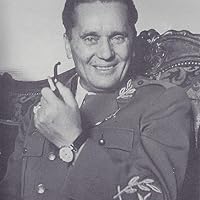
“During the war, a battle was fought here, not only for the creation of a new Yugoslavia, but also a battle for Bosnia and Herzegovina as a sovereign republic. To some generals and leaders their position on this was not quite clear. I never once doubted my stance on Bosnia. I always said that Bosnia and Herzegovina cannot belong to this or that, only to the people that lived there since the beginning of time.”
―
―

“There's nothing to mourn about death any more than there is to mourn about the growing of a flower. What is terrible is not death but the lives people live or don't live up until their death. They don't honor their own lives, they piss on their lives. They shit them away. Dumb fuckers. They concentrate too much on fucking, movies, money, family, fucking. Their minds are full of cotton. They swallow God without thinking, they swallow country without thinking. Soon they forget how to think, they let others think for them. Their brains are stuffed with cotton. They look ugly, they talk ugly, they walk ugly. Play them the great music of the centuries and they can't hear it. Most people's deaths are a sham. There's nothing left to die.”
―
―

Samir’s 2025 Year in Books
Take a look at Samir’s Year in Books, including some fun facts about their reading.

146 books
|
38 friends

2 books
|
75 friends

0 books
|
20 friends

7 books
|
16 friends

3 books
|
11 friends

23 books
|
9 friends
Polls voted on by Samir
Lists liked by Samir