
Discover new books on Goodreads
Meet your next favorite book



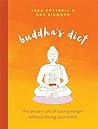
The one strict gastronomic rule the Buddha prescribed was that monks should avoid what he called “untimely eating.” Specifically, they should eat only between dawn and noon.

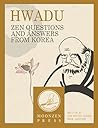

“The essential point about meditation is this: to get anywhere in meditation you need to be able to really steady the mind and be present. That’s just all there is to it and it is largely a question of just doing it. There is an important shift that happens in people’s practice when they really make the commitment to developing concentration and follow through with it. Until one does this, not much is likely to happen in one’s meditative practice! If you decide to do a concentration practice, stay on that object like a rabid dog until you have enough stability and skill to let the mind rest on it naturally. The first formal goal when training in concentration is to attain something called “access concentration,” meaning the ability to stay consistently with your chosen object with relative ease to the general exclusion of distractions. This is the basic attainment that allows you to access the higher stages of concentration and also to begin the path of insight (the third training), so make attaining access concentration your first goal in your meditative practice. You will know when you have it.”
― Mastering the Core Teachings of the Buddha: An Unusually Hardcore Dharma Book - Revised and Expanded Edition
― Mastering the Core Teachings of the Buddha: An Unusually Hardcore Dharma Book - Revised and Expanded Edition
“the essential formal insight meditation instructions are: find a place where the distractions are tolerable, pick a stable and sustainable posture, and for a defined period of time notice every single sensation that makes up your reality as best you can. Just as with concentration practices, more time and more diligent practice pays off. These simple instructions can easily seem overwhelming, vague or strangely trivial to many people, and so I am going to spend a lot of time laying out a large number of empowering concepts and more structured practices that have helped countless practitioners over thousands of years to follow these basic instructions.”
― Mastering the Core Teachings of the Buddha: An Unusually Hardcore Dharma Book - Revised and Expanded Edition
― Mastering the Core Teachings of the Buddha: An Unusually Hardcore Dharma Book - Revised and Expanded Edition
“In another exercise, which is quite common to many meditation traditions, I sit quietly in a quiet place, close my eyes, and concentrate on the breath. More than just concentrating on it, I know that the sensations that make up the concept “breath” are each impermanent, lasting only an instant. With this knowledge, I try to see how many individual times in each part of the breath I can perceive the sensations that make up the breath. During the in-breath I try to experience it as many times as possible, and try to be quite precise about exactly when the in-breath begins and ends. More than this, I try to perceive exactly and precisely when each sensation of motion or physicality of the breath arises and passes.”
― Mastering the Core Teachings of the Buddha: An Unusually Hardcore Dharma Book - Revised and Expanded Edition
― Mastering the Core Teachings of the Buddha: An Unusually Hardcore Dharma Book - Revised and Expanded Edition
“So don’t make stories, but know this: things come and go, they don’t satisfy, and they ain’t you. That is the truth. It is just that simple.”
― Mastering the Core Teachings of the Buddha: An Unusually Hardcore Dharma Book - Revised and Expanded Edition
― Mastering the Core Teachings of the Buddha: An Unusually Hardcore Dharma Book - Revised and Expanded Edition
“My favorite exercise for examining suffering is to sit in a quiet place with my eyes closed and examine the physical sensations that make up any sort of desire, be it desire to get something, get away from something or just tune out and go to sleep. At a rate of one to ten times per second, I try to experience exactly how I know that I wish to do something other than simply face my current experience as it is. Moment to moment, I try to find those little uncomfortable urges and tensions that try to prod my mind into fantasizing about past or future or stopping my meditation entirely.”
― Mastering the Core Teachings of the Buddha: An Unusually Hardcore Dharma Book - Revised and Expanded Edition
― Mastering the Core Teachings of the Buddha: An Unusually Hardcore Dharma Book - Revised and Expanded Edition

Ben O'Hare’s 2025 Year in Books
Take a look at Ben O'Hare’s Year in Books, including some fun facts about their reading.

148 books
|
685 friends

89 books
|
36 friends

543 books
|
50 friends

28 books
|
3 friends

8 books
|
319 friends

1 book
|
167 friends

40 books
|
169 friends

1 book
|
204 friends
More friends…


Favorite Genres
Polls voted on by Ben O'Hare
Lists liked by Ben O'Hare