Goodreads helps you follow your favorite authors. Be the first to learn about new releases!
Start by following Jeanne Safer.

Showing 1-27 of 27
“There is no life without regrets. Every important choice has its benefits and its deficits, whether or not people admit it or even recognize the fact: no mother has the radical, lifelong freedom that is essential for my happiness. I will never know the intimacy with, or have the impact on, a child that a mother has. Losses, including the loss of future possibilities, are inevitable in life; nobody has it all.”
― Selfish, Shallow, and Self-Absorbed: Sixteen Writers on The Decision Not To Have Kids
― Selfish, Shallow, and Self-Absorbed: Sixteen Writers on The Decision Not To Have Kids
“You never know how the loss will come -- whether he will lose you or you him, but it is a certainty that there will be a shattering involuntary separation. Death is the abandonment caused not by betrayal but by fidelity.”
―
―
“People are more likely to fall intensely in love when they are anxious and their self-esteem is lowest.... Feeling inadequate, unhappy, and empty are virtual prerequisites for falling and staying desperately in love; at least temporarily, the ecstasy of desire seems to cure everything that ails you. There is a connection between aversive states of mind -- loneliness, shame, even grief and horror -- and a propensity to feel overwhelming passion; this is one reason why romances blossom in times of war or natural disasters, as well as during the private disasters of our everyday lives.”
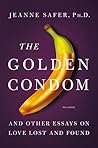
― The Golden Condom: And Other Essays on Love Lost and Found
― The Golden Condom: And Other Essays on Love Lost and Found
“When you look in the mirror, your difficult sibling always looks back, though the image is distorted. In the shadows lurk parts of yourself and your past that you don't want to notice. Behind the reflection, silently influencing the interaction, stand your parents, your grandparents, and all their siblings.”
―
―
“Even though it inspires some of the world's greatest literature, music, and art, obsessive love is one of the most potent and compelling of tortures and one of the most difficult to overcome -- especially because it feels beyond conscious control. Tormented lovers try the patience even of those who truly love them, because they sufferers do not desire help extricating themselves though they claim to be seeking it; this is an illness from which no one wants to be cured.”
― The Golden Condom: And Other Essays on Love Lost and Found
― The Golden Condom: And Other Essays on Love Lost and Found
“Exercising will builds esteem from within through action on one's own behalf; it disproves the premise that only another person can provide it. The result, long in coming and always worth the effort, is the experience of authentic agency in your own life, a sense of self that cannot be destroyed because it is not dependent on anyone else.”
― The Golden Condom: And Other Essays on Love Lost and Found
― The Golden Condom: And Other Essays on Love Lost and Found
“The world shrinks to include only two people, only one of whom -- the beloved -- has power. This inequitable distribution naturally breeds resentment and feelings of hopelessness that the dependent person dare not express for fear of alienating the necessary person even more.”
― The Golden Condom: And Other Essays on Love Lost and Found
― The Golden Condom: And Other Essays on Love Lost and Found
“I don’t really want to have a baby; I want to want to have a baby.” I longed to feel like everybody else, but I had to face the fact that I did not.”
― Selfish, Shallow, and Self-Absorbed: Sixteen Writers on The Decision Not To Have Kids
― Selfish, Shallow, and Self-Absorbed: Sixteen Writers on The Decision Not To Have Kids
“I said it grieved me to part from anything that mattered to me, yet I welcomed the grief because it meant I had felt deeply and needed to express it. 'I even had trouble leaving the Parthenon,' I told him ... 'because it was so beautiful and I knew I'd never see it again.”
― The Golden Condom: And Other Essays on Love Lost and Found
― The Golden Condom: And Other Essays on Love Lost and Found
“Defining your own truth and then living according to it ... changes your sense of self and sets you free; it makes you fearless -- or at least more courageous -- with every significant person in your life. When you're not so insecure, there are things -- offhand cruelties, insensitivities large and small -- you don't tolerate, things you don't have to deny.... Once you are the one who determines the meaning of your life, nobody can gainsay it. This act of self-assertive defiance immunizes you -- at least to a certain extent -- from ever allowing someone else to control your destiny ever again.”
― The Golden Condom: And Other Essays on Love Lost and Found
― The Golden Condom: And Other Essays on Love Lost and Found
“The longing to belong and to be prized by one's peers permeates childhood and adolescence and can be compelling and anxiety provoking at any time in life, as the common dread of cocktail parties in adulthood attests. This need -- as old and as potent as erotic desire -- is a fundamental part of being human; according to object relations theory, we become ourselves by being recognized and loved by others.”
― The Golden Condom: And Other Essays on Love Lost and Found
― The Golden Condom: And Other Essays on Love Lost and Found
“What ultimately got me through was my single-minded determination, voiced aloud to myself and recorded in my diary, to discover the causes of my blindness and never to repeat them. Fearlessly pursuing insight was my badge of honor, my route back to self-respect.”
― The Golden Condom: And Other Essays on Love Lost and Found
― The Golden Condom: And Other Essays on Love Lost and Found
“Trauma is as subjective as desire, and the meanings we attribute to experiences, as well as the context in which they occur, determine their ultimate effect on our lives.”
― The Golden Condom: And Other Essays on Love Lost and Found
― The Golden Condom: And Other Essays on Love Lost and Found
“Will is underrated as a therapeutic agent, an instrument of transformation and self-determination – sometimes the only tool a person can call upon in extremis. There is nothing natural or spontaneous about it. To make a blessing out of a curse is a genuine triumph of will, and transforming shame into pride a rare form of alchemy.”
― The Golden Condom: And Other Essays on Love Lost and Found
― The Golden Condom: And Other Essays on Love Lost and Found
“There are many ways to become mistress (or master) of one's fate after a betrayal, but they all have things in common: conscious effort and a fighting spirit, embodied in what I call 'the Affirmative No.' The Affirmative No incorporates self-enhancing outrage, independence, and courage. It is a stance through which a traumatized person actively proclaims her will by rejecting the role of victim.... Unable to change our predicaments, we actively changed their meaning and our relationship to them, and in the process, we discovered that we could exert power when we thought we had none.”
― The Golden Condom: And Other Essays on Love Lost and Found
― The Golden Condom: And Other Essays on Love Lost and Found
“One of my teachers at the psychoanalytic institute where I trained used to say, only half humorously, that 'the most important prerequisite for a vocation as a psychotherapist is a depressed mother'; based on my history, I think that a suffering but inaccessible father and a damaged sibling should be added to the list of qualifications.”
― The Golden Condom: And Other Essays on Love Lost and Found
― The Golden Condom: And Other Essays on Love Lost and Found
“We need to take yet another step in reconsidering mourning: resurrecting and redefining, rather than discarding, the significance of detaching from the dead. Paradoxically, detachment is an integral part of the mature posthumous bond as an adult maintains with a parent. It helps us uncover the essence of the relationship beyond the noise of interaction. I believe that what we disconnect from if we are lucky and effective mourners, is not the relationship with deceased parents per se but rather the way we were embedded in that relationship when they were alive. This new stance permits us to reinterpret the past and expands our understanding of what our parents were in relation to them, enhancing recognition, compassion, and sympathy for all concerned. This type of detachment radically changed my life, and the lives of the people I interviewed, for the better. When we finally see with adult eyes, we can recover as well as discover our parents’ hidden strengths and discard their newly obvious weaknesses. Detachment, the perspective it affords, and the growth it makes possible, is the greatest death benefit of all, and the prerequisite for all the rest. 62
Acting responsibly may not be glamorous, but it matters in the end. 194
Your Prescription for Collecting Death Benefits
Four Practices to Cultivate Death Benefits
Motivate
Anticipate
Meditate
Activate (includes the Three Steps below)
Three Steps to Reap Death Benefits
Construct a narrative of your parent’s history
Conduct a Psychological Inventory of your parent’s character (Includes the Four Questions below)
Seek experiences and relationships to create necessary changes
Four Questions for Conducting Your Psychological Inventory
What did you get from your parent that you want to keep?
What did your parent have that you regret not getting?
What did you get from your parent that you want to discard?
What did you need that your parent couldn’t provide? 215”
― Death Benefits: How Losing a Parent Can Change an Adult's Life--For the Better
Acting responsibly may not be glamorous, but it matters in the end. 194
Your Prescription for Collecting Death Benefits
Four Practices to Cultivate Death Benefits
Motivate
Anticipate
Meditate
Activate (includes the Three Steps below)
Three Steps to Reap Death Benefits
Construct a narrative of your parent’s history
Conduct a Psychological Inventory of your parent’s character (Includes the Four Questions below)
Seek experiences and relationships to create necessary changes
Four Questions for Conducting Your Psychological Inventory
What did you get from your parent that you want to keep?
What did your parent have that you regret not getting?
What did you get from your parent that you want to discard?
What did you need that your parent couldn’t provide? 215”
― Death Benefits: How Losing a Parent Can Change an Adult's Life--For the Better
“Sober appreciation of what you have gained at so great a cost helps you feel consoled and proud. This recognition differs from the saccharine and self-obliterating exhortation to ‘count your blessings’ forced on many normal ones in childhood, because it is based on having enumerated your curses first.”
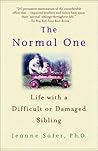
― The Normal One: Life with a Difficult or Damaged Sibling
― The Normal One: Life with a Difficult or Damaged Sibling
“Taking a solemn oath and sticking to it casts everything in a different light and infuses the ordinary with significance. It can change a person more radically than any drug or many years of therapy.”
― The Golden Condom: And Other Essays on Love Lost and Found
― The Golden Condom: And Other Essays on Love Lost and Found
“We need to take yet another step in reconsidering mourning: resurrecting and redefining, rather than discarding, the significance of detaching from the dead. Paradoxically, detachment is an integral part of the mature posthumous bond as an adult maintains with a parent. It helps us uncover the essence of the relationship beyond the noise of interaction. I believe that what we disconnect from if we are lucky and effective mourners, is not the relationship with deceased parents per se but rather the way we were embedded in that relationship when they were alive. This new stance permits us to reinterpret the past and expands our understanding of what our parents were in relation to them, enhancing recognition, compassion, and sympathy for all concerned. This type of detachment radically changed my life, and the lives of the people I interviewed, for the better. When we finally see with adult eyes, we can recover as well as discover our parents’ hidden strengths and discard their newly obvious weaknesses. Detachment, the perspective it affords, and the growth it makes possible, is the greatest death benefit of all, and the prerequisite for all the rest. 62
Acting responsibly may not be glamorous, but it matters in the end. 194
Your Prescription for Collecting Death Benefits
Four Practices to Cultivate Death Benefits
Motivate
Anticipate
Meditate
Activate (includes the Three Steps below
)
Three Steps to Reap Death Benefits
Construct a narrative of your parent’s history
Conduct a Psychological Inventory of your parent’s character (Includes the Four Questions below)
Seek experiences and relationships to create necessary changes
Four Questions for Conducting Your Psychological Inventory
What did you get from your parent that you want to keep?
What did your parent have that you regret not getting?
What did you get from your parent that you want to discard?
What did you need that your parent couldn’t provide? 215
”
― Death Benefits: How Losing a Parent Can Change an Adult's Life--For the Better
Acting responsibly may not be glamorous, but it matters in the end. 194
Your Prescription for Collecting Death Benefits
Four Practices to Cultivate Death Benefits
Motivate
Anticipate
Meditate
Activate (includes the Three Steps below
)
Three Steps to Reap Death Benefits
Construct a narrative of your parent’s history
Conduct a Psychological Inventory of your parent’s character (Includes the Four Questions below)
Seek experiences and relationships to create necessary changes
Four Questions for Conducting Your Psychological Inventory
What did you get from your parent that you want to keep?
What did your parent have that you regret not getting?
What did you get from your parent that you want to discard?
What did you need that your parent couldn’t provide? 215
”
― Death Benefits: How Losing a Parent Can Change an Adult's Life--For the Better
“He talked about her in a way that only the obsessed do. It was always a pressured monologue, and it was always the same. He had to relate every detail, interpreting and seeking meaning in her every utterance or action, like a fundamentalist minutely analyzing a biblical text.”
― The Golden Condom: And Other Essays on Love Lost and Found
― The Golden Condom: And Other Essays on Love Lost and Found
“Some never escape from the imprisoning conviction that a cold or unattainable lover can be persuaded to become warm or attainable if they only discover the key.”
― The Golden Condom: And Other Essays on Love Lost and Found
― The Golden Condom: And Other Essays on Love Lost and Found
“Obsessive love is built on a tissue of illusions: that by having sex with someone you can possess that person's soul; that you can transmute past defeats into present triumphs without understanding or mourning; that you make the unloving love you by constancy, uncomplaining availability, and molding yourself into what you thing that person wants.”
― The Golden Condom: And Other Essays on Love Lost and Found
― The Golden Condom: And Other Essays on Love Lost and Found
“While some siblings accept, and even embrace, their destiny as members of the
'team,' others are (mostly privately) outraged, having experienced the obverse of the soothing stereotype in their own families. A graphic designer whose autistic brother tried to strangle her when they were children, and who struggled for years to get her parents to recognize the danger he presented, is acutely aware of the discrepancy between the illusion and the reality of damaged families: I'm trying to eradicate the Hallmark Hall of Fame Special myth - 'how I learned the meaning of life by having a disabled sibling.' The cover of Newsweek on autism had a beautiful blond good boy. People just want to look at the pretty kids on Jerry Lewis, the sanitized version, not the ugly cases like my brother. The severely disabled aren't telegenic.”
― The Normal One: Life with a Difficult or Damaged Sibling
'team,' others are (mostly privately) outraged, having experienced the obverse of the soothing stereotype in their own families. A graphic designer whose autistic brother tried to strangle her when they were children, and who struggled for years to get her parents to recognize the danger he presented, is acutely aware of the discrepancy between the illusion and the reality of damaged families: I'm trying to eradicate the Hallmark Hall of Fame Special myth - 'how I learned the meaning of life by having a disabled sibling.' The cover of Newsweek on autism had a beautiful blond good boy. People just want to look at the pretty kids on Jerry Lewis, the sanitized version, not the ugly cases like my brother. The severely disabled aren't telegenic.”
― The Normal One: Life with a Difficult or Damaged Sibling
“What ultimately got me through was my single-minded determination, voiced aloud to myself and recorded in my diary, to discover the causes of my blindness and never to repeat them. Fearlessly pursuing insight was my badge of honor, my route back to self-respect. […] There are many ways to become mistress (or master) of one’s fate after a betrayal, but they all have things in common: conscious effort and a fighting spirit, embodied in what I call ‘the Affirmative No.’ The Affirmative No incorporates self-enhancing outrage, independence, and courage. It is a stance through which a traumatized person actively proclaims her will by rejecting the role of victim. This is not an act of negation or rebellion; it is an act of self-assertion, subjectively defined. […] Unable to change our predicaments, we actively changed their meaning and our relationship to them, and in the process, we discovered that we could exert power when we thought we had none.”
― The Golden Condom: And Other Essays on Love Lost and Found
― The Golden Condom: And Other Essays on Love Lost and Found
“When he described their actual interactions, I got only the most superficial impression of what she was actually like and a great deal of information about how he felt when he was with her – a sure sign of self-absorption masked as love.”
― The Golden Condom: And Other Essays on Love Lost and Found
― The Golden Condom: And Other Essays on Love Lost and Found
“We need to take yet another step in reconsidering mourning: resurrecting and redefining, rather than discarding, the significance of detaching from the dead. Paradoxically, detachment is an integral part of the mature posthumous bond as an adult maintains with a parent. It helps us uncover the essence of the relationship beyond the noise of interaction. I believe that what we disconnect from if we are lucky and effective mourners, is not the relationship with deceased parents per se but rather the way we were embedded in that relationship when they were alive. This new stance permits us to reinterpret the past and expands our understanding of what our parents were in relation to them, enhancing recognition, compassion, and sympathy for all concerned. This type of detachment radically changed my life, and the lives of the people I interviewed, for the better. When we finally see with adult eyes, we can recover as well as discover our parents’ hidden strengths and discard their newly obvious weaknesses. Detachment, the perspective it affords, and the growth it makes possible, is the greatest death benefit of all, and the prerequisite for all the rest. 62
Acting responsibly may not be glamorous, but it matters in the end. 194
Your Prescription for Collecting Death Benefits
Four Practices to Cultivate Death Benefits
1. Motivate
2. Anticipate
3. Meditate
4. Activate (includes the Three Steps below)
Three Steps to Reap Death Benefits
1. Construct a narrative of your parent’s history
2. Conduct a Psychological Inventory of your parent’s character (Includes the Four Questions below)
3. Seek experiences and relationships to create necessary changes
Four Questions for Conducting Your Psychological Inventory
1. What did you get from your parent that you want to keep?
2. What did your parent have that you regret not getting?
3. What did you get from your parent that you want to discard?
4. What did you need that your parent couldn’t provide? 215”
― Death Benefits: How Losing a Parent Can Change an Adult's Life--For the Better
Acting responsibly may not be glamorous, but it matters in the end. 194
Your Prescription for Collecting Death Benefits
Four Practices to Cultivate Death Benefits
1. Motivate
2. Anticipate
3. Meditate
4. Activate (includes the Three Steps below)
Three Steps to Reap Death Benefits
1. Construct a narrative of your parent’s history
2. Conduct a Psychological Inventory of your parent’s character (Includes the Four Questions below)
3. Seek experiences and relationships to create necessary changes
Four Questions for Conducting Your Psychological Inventory
1. What did you get from your parent that you want to keep?
2. What did your parent have that you regret not getting?
3. What did you get from your parent that you want to discard?
4. What did you need that your parent couldn’t provide? 215”
― Death Benefits: How Losing a Parent Can Change an Adult's Life--For the Better