Goodreads helps you follow your favorite authors. Be the first to learn about new releases!
Start by following Tulku Thondup.

Showing 1-18 of 18
“Even if you have a lot of work to do, if you think of it as wonderful, and if you feel it as wonderful, it will transform into the energy of joy and fire, instead of becoming a burden.”
―
―
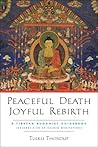
“Sitting beside a deathbed, staring into the face of life’s fragility, leaves us no secure corner to hide. It is always a powerful wake-up call.”
― Peaceful Death, Joyful Rebirth: A Tibetan Buddhist Guidebook
― Peaceful Death, Joyful Rebirth: A Tibetan Buddhist Guidebook
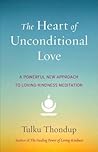
“According to Buddhism, all existents abide in loving-kindness free from concepts in their absolute nature. But the understanding and realization of that true nature have been covered over by the webs of our own mental, emotional, and intellectual obscurations. Now, in order to uncover the true nature and its qualities, we must dispel the cover — our unhealthy concepts, emotions, and actions. Through the power of devotion and contemplation, we must uncover and see the true innate enlightened qualities — loving-kindness that is free from concepts — shining forever.”
― The Heart of Unconditional Love: A Powerful New Approach to Loving-Kindness Meditation
― The Heart of Unconditional Love: A Powerful New Approach to Loving-Kindness Meditation
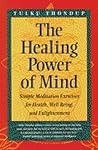
“Always we should appreciate what we are able to do, and not feel bad about what we haven’t done.”
― The Healing Power of Mind: Simple Meditation Exercises for Health, Well-Being, and Enlightenment
― The Healing Power of Mind: Simple Meditation Exercises for Health, Well-Being, and Enlightenment
“If you can solve your problem, Then what is the need of worrying? If you cannot solve it, Then what is the use of worrying?”
― The Healing Power of Mind: Simple Meditation Exercises for Health, Well-Being, and Enlightenment
― The Healing Power of Mind: Simple Meditation Exercises for Health, Well-Being, and Enlightenment
“The special skill of esoteric Buddhism is transmutation by right view and pure perception, using all appropriate means for training. For example, eating food is not itself a Buddhist practice, but if one uses it as a means of training, it becomes a Buddhist training in transforming one's daily life as Buddhist practice.”
― Hidden Teachings of Tibet
― Hidden Teachings of Tibet
“Shantideva says: If you are trained, There is nothing which will not become easy. First by training to tolerate minor problems, Later you will become able to tolerate great problems.”
― The Healing Power of Mind: Simple Meditation Exercises for Health, Well-Being, and Enlightenment
― The Healing Power of Mind: Simple Meditation Exercises for Health, Well-Being, and Enlightenment
“Set attainable goals and strive for them with positive energy. Don’t worry about difficulties, but instead feel glad about any benefits that come. Even negative experiences or so-called shortcomings can be a benefit if we view them positively.”
― The Healing Power of Mind: Simple Meditation Exercises for Health, Well-Being, and Enlightenment
― The Healing Power of Mind: Simple Meditation Exercises for Health, Well-Being, and Enlightenment
“Appreciation and contentment, the ability to rejoice in all things large and small, is a major training of Buddhism. The Dharmapada says: Good health is the most excellent of achievements. Contentment is the most excellent wealth. A harmonious friend is the most excellent of friends. Nirvana is the most excellent happiness.”
― The Healing Power of Mind: Simple Meditation Exercises for Health, Well-Being, and Enlightenment
― The Healing Power of Mind: Simple Meditation Exercises for Health, Well-Being, and Enlightenment
“It can be so empowering for us to understand, even on a conceptual level, that we are enlightened in our true nature.”
― Boundless Healing: Medittion Exercises to Enlighten the Mind and Heal the Body
― Boundless Healing: Medittion Exercises to Enlighten the Mind and Heal the Body
“thoughts gain power as they take a concrete shape in our mind.”
― The Healing Power of Mind: Simple Meditation Exercises for Health, Well-Being, and Enlightenment
― The Healing Power of Mind: Simple Meditation Exercises for Health, Well-Being, and Enlightenment
“Buddhism is centered on the principle of two truths, the absolute truth and the relative truth. The absolute is that the true nature of our minds and of the universe is enlightened, peaceful, and perfect. By the true nature of the mind, Nyingma Buddhism means the union of awareness and openness.”
― The Healing Power of Mind: Simple Meditation Exercises for Health, Well-Being, and Enlightenment
― The Healing Power of Mind: Simple Meditation Exercises for Health, Well-Being, and Enlightenment
“Dodrupchen writes: Whenever problems come to us from beings or inanimate objects, if our mind gets used to perceiving only the suffering or the negative aspects of them, then even from a small negative incident great mental pain will ensue. For it is the nature of indulgence in any concept, whether suffering or happiness, that the experience of this happiness or suffering will thereby be intensified.”
― The Healing Power of Mind: Simple Meditation Exercises for Health, Well-Being, and Enlightenment
― The Healing Power of Mind: Simple Meditation Exercises for Health, Well-Being, and Enlightenment
“As by churning the milk, its essence-butter appears immaculately, By purifying mental afflictions, the “ultimate sphere” manifests immaculately. As a lamp in a vase does not manifest, The “ultimate sphere” enveloped in the vase of mental afflictions is not visible for us. In whatever part of the vase you make a hole, From that very part, light from the lamp will shine forth. When the vase of mental afflictions is destroyed through vajralike meditation, The light shines unto the limits of space.”
― The Healing Power of Mind: Simple Meditation Exercises for Health, Well-Being, and Enlightenment
― The Healing Power of Mind: Simple Meditation Exercises for Health, Well-Being, and Enlightenment
“Ten ma (bsTan Ma [བསྟན་མ་]). Twelve local female spirits of Tibet who have taken the vow from Guru Padmasambhava to protect the Dharma and its followers: the Four Ten mas of the Dud mo [bDud Mo] type: 1) Tshe ring ma (Tshe Ring Ma [ཚེ་རིང་མ་] or Kun Grags Ma [ཀུན་གྲགས་མ་]), 2) Dor je Ya ma kyong (rDo rje gYa Ma sKyong [རྡོ་རྗེ་གཡ་མ་སྐྱོང་]), 3) Kun zang mo (Kun bZang Mo [ཀུན་བཟང་མོ་] and 4) Geg gyi tso (bGegs Kyi gTso [བགེགས་ཀྱི་གཙོ་]; The Four Ten mas of the Nod jin mo (S. Yakṣasi, T. gNod sByin Mo [གནོད་སྦྱིན་མོ་]) type: 1) Chen chig ma (sPyan gChig Ma [སྤྱན་གཅིག་མ་]), 2) Kha ding Lu mo gyal (mKha' lDing Klu Mo rGyal [མཁའ་ལྡིང་ཀླུ་མོ་རྒྱལ་]), 3) Dor je Khyung tsun ma (rDo rje Khyung bTsun Ma [རྡོ་རྗེ་ཁྱུང་བཙུན་མ་]), and 4) Trag mo gyal (Drag Mo rGyal [དྲག་མོ་རྒྱལ་]); The Four Men Mo (sMan Mo [སྨེན་མོ་]): 1) Pod kham kyong (Bod Khams sKyong [བོད་ཁམས་སྐྱོང་]), 2) Men chig ma (sMan gChig Ma [སྨན་གཅིག་མ་]), 3) Yar mo sil (gYar Mo bSil [གཡར་མོ་བསིལ་]), and 4) Dor je Zu le men (rDo rje Zu Le sMan [རྡོ་རྗེ་གཟུགས་ལེགས་སྨན་]).”
― Hidden Teachings of Tibet
― Hidden Teachings of Tibet
“If we train our mind to become peaceful and loving, then whatever we say and do will be peaceful and loving, and will inspire peace and joy in those around us. Say we are in a garden, appreciating its peace and beauty; our mind will naturally become relaxed and joyful. The more peaceful our mind becomes, the more it will be filled with joy. Then our vocal and physical expressions will also spontaneously become caring and soothing for others. All our actions will become sources of true service for everyone we engage with.”
― The Heart of Unconditional Love: A Powerful New Approach to Loving-Kindness Meditation
― The Heart of Unconditional Love: A Powerful New Approach to Loving-Kindness Meditation
“All the violence, fear, and suffering That exists in the world Comes from grasping at self.”
― The Healing Power of Mind: Simple Meditation Exercises for Health, Well-Being, and Enlightenment
― The Healing Power of Mind: Simple Meditation Exercises for Health, Well-Being, and Enlightenment
“One sign of the strength of the connection between mind and body is the finding, in an analysis of more than one hundred studies linking emotions and health, that people who are chronically distressed—whether anxious and worried, depressed and pessimistic, or angry and hostile—have double the average risk of getting a major disease in the ensuing years. Smoking increases the risk of serious disease by 60 percent; chronic emotional distress by 100 percent. This makes distressing emotion almost double the health risk compared with smoking.”
― The Healing Power of Mind: Simple Meditation Exercises for Health, Well-Being, and Enlightenment
― The Healing Power of Mind: Simple Meditation Exercises for Health, Well-Being, and Enlightenment