Goodreads helps you follow your favorite authors. Be the first to learn about new releases!
Start by following Thomas Lux.

Showing 1-7 of 7
“No poem ever bought a hamburger, or not too many.”
―
―
“THE VOICE YOU HEAR WHEN YOU READ SILENTLY
is not silent, it is a speaking-
out-loud voice in your head; it is *spoken*,
a voice is *saying* it
as you read. It's the writer's words,
of course, in a literary sense
his or her "voice" but the sound
of that voice is the sound of *your* voice.
Not the sound your friends know
or the sound of a tape played back
but your voice
caught in the dark cathedral
of your skull, your voice heard
by an internal ear informed by internal abstracts
and what you know by feeling,
having felt. It is your voice
saying, for example, the word "barn"
that the writer wrote
but the "barn" you say
is a barn you know or knew. The voice
in your head, speaking as you read,
never says anything neutrally- some people
hated the barn they knew,
some people love the barn they know
so you hear the word loaded
and a sensory constellation
is lit: horse-gnawed stalls,
hayloft, black heat tape wrapping
a water pipe, a slippery
spilled *chirr* of oats from a split sack,
the bony, filthy haunches of cows...
And "barn" is only a noun- no verb
or subject has entered into the sentence yet!
The voice you hear when you read to yourself
is the clearest voice: you speak it
speaking to you.
~~-Thomas Lux
”
―
is not silent, it is a speaking-
out-loud voice in your head; it is *spoken*,
a voice is *saying* it
as you read. It's the writer's words,
of course, in a literary sense
his or her "voice" but the sound
of that voice is the sound of *your* voice.
Not the sound your friends know
or the sound of a tape played back
but your voice
caught in the dark cathedral
of your skull, your voice heard
by an internal ear informed by internal abstracts
and what you know by feeling,
having felt. It is your voice
saying, for example, the word "barn"
that the writer wrote
but the "barn" you say
is a barn you know or knew. The voice
in your head, speaking as you read,
never says anything neutrally- some people
hated the barn they knew,
some people love the barn they know
so you hear the word loaded
and a sensory constellation
is lit: horse-gnawed stalls,
hayloft, black heat tape wrapping
a water pipe, a slippery
spilled *chirr* of oats from a split sack,
the bony, filthy haunches of cows...
And "barn" is only a noun- no verb
or subject has entered into the sentence yet!
The voice you hear when you read to yourself
is the clearest voice: you speak it
speaking to you.
~~-Thomas Lux
”
―
“The voice you hear when you read to yourself
is the clearest voice: you speak it
speaking to you.”
―
is the clearest voice: you speak it
speaking to you.”
―
“There’s plenty of room for strangeness, mystery, originality, wildness, etc. in poems that also invite the reader into the human and alive center about which the poem circles.”
―
―
“For some semitropical reason
when the rains fall
relentlessly they fall
into swimming pools, these otherwise
bright and scary
arachnids. They can swim
a little, but not for long
and they can’t climb the ladder out.
They usually drown—but
if you want their favor,
if you believe there is justice,
a reward for not loving
the death of ugly
and even dangerous (the eel, hog snake,
rats) creatures, if
you believe these things, then
you would leave a lifebuoy
or two in your swimming pool at night.
And in the morning
you would haul ashore
the huddled, hairy survivors
and escort them
back to the bush, and know,
be assured that at least these saved,
as individuals, would not turn up
again someday
in your hat, drawer,
or the tangled underworld
of your socks, and that even—
when your belief in justice
merges with your belief in dreams—
they may tell the others
in a sign language
four times as subtle
and complicated as man’s
that you are good,
that you love them,
that you would save them again.”
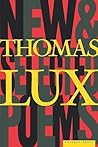
― New and Selected Poems, 1975-1995
when the rains fall
relentlessly they fall
into swimming pools, these otherwise
bright and scary
arachnids. They can swim
a little, but not for long
and they can’t climb the ladder out.
They usually drown—but
if you want their favor,
if you believe there is justice,
a reward for not loving
the death of ugly
and even dangerous (the eel, hog snake,
rats) creatures, if
you believe these things, then
you would leave a lifebuoy
or two in your swimming pool at night.
And in the morning
you would haul ashore
the huddled, hairy survivors
and escort them
back to the bush, and know,
be assured that at least these saved,
as individuals, would not turn up
again someday
in your hat, drawer,
or the tangled underworld
of your socks, and that even—
when your belief in justice
merges with your belief in dreams—
they may tell the others
in a sign language
four times as subtle
and complicated as man’s
that you are good,
that you love them,
that you would save them again.”
― New and Selected Poems, 1975-1995
“We built new houses on the new riverbanks and our abandoned riverbed became, seen from space (we saw pictures), a long, pale line by day, a deep, black slash at night. Ode to Asa Bundy Sheffey, which was Robert Hayden’s birth name, reduced from three trochees to two. It was a family issue, his unhappy mother giving him to unhappy neighbors, the Haydens, who raised him, and called him Robert Hayden, though they never bothered to make it legal. From time to time, he’d see his blood parents—in a blur, his eyes so bad he never knew what they looked like, nor even what he himself looked like, without his glasses, which were so thick sometimes sight got lost inside them. Might he have left, or found, some poems in those dense lenses? An austere militant of reticence: Robert Hayden Asa Bundy Sheffey. Permissionless, I’m adding three more tumbling trochees, making five in a row, to inject into your name even more velocity. They’re all I can give you, in gratitude for some truths you left, in deep-set ink, on the page.”
― To The Left Of Time: A Kingsley Tufts Award-Winning Poetry Collection—Satirical, Humorous, and Insightful
― To The Left Of Time: A Kingsley Tufts Award-Winning Poetry Collection—Satirical, Humorous, and Insightful
“More like a vault -- you pull the handle out
and on the shelves: not a lot,
and what there is (a boiled potato
in a bag, a chicken carcass
under foil) looking dispirited,
drained, mugged. This is not
a place to go in hope or hunger.
But, just to the right of the middle
of the middle door shelf, on fire, a lit-from-within red,
heart red, sexual red, wet neon red,
shining red in their liquid, exotic,
aloof, slumming
in such company: a jar
of maraschino cherries. Three-quarters
full, fiery globes, like strippers
at a church social. Maraschino cherries, maraschino,
the only foreign word I knew. Not once
did I see these cherries employed: not
in a drink, nor on top
of a glob of ice cream,
or just pop one in your mouth. Not once.
The same jar there through an entire
childhood of dull dinners -- bald meat,
pocked peas and, see above,
boiled potatoes. Maybe
they came over from the old country,
family heirlooms, or were status symbols
bought with a piece of the first paycheck
from a sweatshop,
which beat the pig farm in Bohemia,
handed down from my grandparents
to my parents
to be someday mine,
then my child's?
They were beautiful
and, if I never ate one,
it was because I knew it might be missed
or because I knew it would not be replaced
and because you do not eat
that which rips your heart with joy.”
―
and on the shelves: not a lot,
and what there is (a boiled potato
in a bag, a chicken carcass
under foil) looking dispirited,
drained, mugged. This is not
a place to go in hope or hunger.
But, just to the right of the middle
of the middle door shelf, on fire, a lit-from-within red,
heart red, sexual red, wet neon red,
shining red in their liquid, exotic,
aloof, slumming
in such company: a jar
of maraschino cherries. Three-quarters
full, fiery globes, like strippers
at a church social. Maraschino cherries, maraschino,
the only foreign word I knew. Not once
did I see these cherries employed: not
in a drink, nor on top
of a glob of ice cream,
or just pop one in your mouth. Not once.
The same jar there through an entire
childhood of dull dinners -- bald meat,
pocked peas and, see above,
boiled potatoes. Maybe
they came over from the old country,
family heirlooms, or were status symbols
bought with a piece of the first paycheck
from a sweatshop,
which beat the pig farm in Bohemia,
handed down from my grandparents
to my parents
to be someday mine,
then my child's?
They were beautiful
and, if I never ate one,
it was because I knew it might be missed
or because I knew it would not be replaced
and because you do not eat
that which rips your heart with joy.”
―