Goodreads helps you follow your favorite authors. Be the first to learn about new releases!
Start by following Ingrid Clayton.

Showing 1-30 of 40
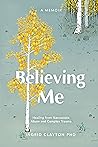
“The Narcissist’s Prayer That didn’t happen. And if it did, it wasn’t that bad. And if it was, that’s not a big deal. And if it is, that’s not my fault. And if it was, I didn’t mean it. And if I did, you deserved it. ― Author Unknown”
― Believing Me: Healing from Narcissistic Abuse and Complex Trauma
― Believing Me: Healing from Narcissistic Abuse and Complex Trauma
“Although we have great capacity to heal on our own, there is a saying in trauma therapy: “Wounding happens in relationship, and healing happens in relationship.”
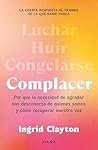
― Fawning: Why the Need to Please Makes Us Lose Ourselves—and How to Find Our Way Back
― Fawning: Why the Need to Please Makes Us Lose Ourselves—and How to Find Our Way Back
“A definitive symptom of childhood trauma is trying to get a difficult person to be good to us.”
― Fawning: Why the Need to Please Makes Us Lose Ourselves—and How to Find Our Way Back
― Fawning: Why the Need to Please Makes Us Lose Ourselves—and How to Find Our Way Back
“Due to our anxiety, fawners overfunction and overcommit. We volunteer, take on extra work, take the load off for others. We can’t tolerate the anxiety when no one else steps up, and this leads to—you guessed it—more anxiety. We can’t do it all, and while being of service is a wonderful thing, fawners don’t know where the line is, when we are of service to others—at the expense of ourselves.”
― Fawning: Why the Need to Please Makes Us Lose Ourselves—and How to Find Our Way Back
― Fawning: Why the Need to Please Makes Us Lose Ourselves—and How to Find Our Way Back
“Every decision or opinion is an opportunity to upset someone by not doing things their way.”
― Fawning: Why the Need to Please Makes Us Lose Ourselves—and How to Find Our Way Back
― Fawning: Why the Need to Please Makes Us Lose Ourselves—and How to Find Our Way Back
“Healthy conflict involves tolerating some upset, but most fawners don’t know what healthy conflict feels like. We don’t know if we are in relationships that can support it, and we don’t want to risk trying. Our bodies are keeping a perpetual eye out for new threats, so even potential upset is overwhelming. We might interpret hints of disappointment as It’s happening again, and automatically say we like onions rather than face being violently kicked out of the house. Building new capacity means facing the fear and overwhelm we’ve instinctively turned away from, for good reason.”
― Fawning: Why the Need to Please Makes Us Lose Ourselves—and How to Find Our Way Back
― Fawning: Why the Need to Please Makes Us Lose Ourselves—and How to Find Our Way Back
“children can’t learn to regulate emotions they aren’t allowed to have.”
― Fawning: Why the Need to Please Makes Us Lose Ourselves—and How to Find Our Way Back
― Fawning: Why the Need to Please Makes Us Lose Ourselves—and How to Find Our Way Back
“Avoiding conflict is avoiding intimacy, but it’s sometimes the safest bet. And in that initial safety, we can see how perpetual fawning becomes the thing that keeps us stuck. It keeps us from actual safety. From enlarging our capacity for healthy conflict. From healthy attachments. From engaging with reality. From healing. We can wear those blinders for decades, and they ultimately conceal a lot more than conflict—they conceal our unprocessed trauma while we’re attempting to rise above it. Thinking that we can.”
― Fawning: Why the Need to Please Makes Us Lose Ourselves—and How to Find Our Way Back
― Fawning: Why the Need to Please Makes Us Lose Ourselves—and How to Find Our Way Back
“This is what unfawning often looks like in the beginning, telling a radical truth we didn’t think we could tell (once enough internal and external safety has been established). A risk that feels bigger than we might survive.”
― Fawning: Why the Need to Please Makes Us Lose Ourselves—and How to Find Our Way Back
― Fawning: Why the Need to Please Makes Us Lose Ourselves—and How to Find Our Way Back
“This is the most heartbreaking component of fawning. We lose the connection to ourselves. We develop these coping mechanisms that become so ingrained in us we don’t even know we are using them. We are the fawner and yet we can appear happy”
― Fawning: Why the Need to Please Makes Us Lose Ourselves – and How to Find our Way Back
― Fawning: Why the Need to Please Makes Us Lose Ourselves – and How to Find our Way Back
“Perfectionism, in truth, is anxiety masquerading as discipline. In this context, it aims to keep us relationally safe by ensuring we are “perfect.” We achieve in order to please. So many fawners are longing for validation, to be seen, and it seems safe to do it through success, achievement, some obvious marker of our worthiness. But perfectionism is just another way to mask our fears. It ultimately keeps our worries firmly in place because no amount of success erases their origins. And then the perfectionist thinks, Maybe next time…”
― Fawning: Why the Need to Please Makes Us Lose Ourselves—and How to Find Our Way Back
― Fawning: Why the Need to Please Makes Us Lose Ourselves—and How to Find Our Way Back
“Because of these fears, fawners have trouble asserting ourselves, asking for help, or expressing opinions. We have difficulty setting fees or asking for money we’re owed. We’re afraid of taking up too much space in the overhead bin. We don’t want to disappoint people or “get in trouble.” Most people want to be liked, but fawners need it like Linus needs his security blanket.”
― Fawning: Why the Need to Please Makes Us Lose Ourselves—and How to Find Our Way Back
― Fawning: Why the Need to Please Makes Us Lose Ourselves—and How to Find Our Way Back
“here is where there is some good news for fawners: We are brilliant caretakers. We have loads of resourcefulness. We are creative and compassionate and willing to go to any lengths. And when we turn all of that back on ourselves”
― Fawning: Why the Need to Please Makes Us Lose Ourselves—and How to Find Our Way Back
― Fawning: Why the Need to Please Makes Us Lose Ourselves—and How to Find Our Way Back
“Fawning is not a conscious choice. It is a survival mechanism. In a nanosecond”
― Fawning: Why the Need to Please Makes Us Lose Ourselves – and How to Find our Way Back
― Fawning: Why the Need to Please Makes Us Lose Ourselves – and How to Find our Way Back
“At that point in my life, it had become easy to talk about my alcoholism. I was proud of my recovery. But all the ways I still didn’t like or trust myself, all the ways I still felt broken were shrouded in shame. Learning how wounding in childhood could lead to post-traumatic stress disorder (PTSD)––a switch was flipped in my brain. I went from someone with a story to someone who had actual pain for actual reasons. With Dr. van der Kolk’s seeming permission, I was starting to make sense to myself. These are trauma responses. He went on to discuss how secrecy often plays a role in childhood trauma. The combination of being hurt, without a compassionate witness, can lead someone to feel as though they are fundamentally flawed. How often had I thought, it wasn’t that bad, while judging myself for being haunted by my past? No matter where I moved or what I accomplished, all roads led back to my chasm of confusion. Did I make the whole thing up? Why is every waking thought tied to Randy? Exposing the fact that I was relating to these case presentations would have exposed these questions, and I wasn’t ready. It felt too risky. I believed my alcoholism could help me work with other addicts, because I was on the “other side” of addiction and in recovery. I was nine-years sober. But this was an area I had no recovery in at all. I needed to believe, and I needed the people in that room to believe, that my past wasn’t still defining me. Owning that truth, even to myself, felt like I had failed, like I had no business trying”
― Believing Me: Healing from Narcissistic Abuse and Complex Trauma
― Believing Me: Healing from Narcissistic Abuse and Complex Trauma
“Hypoarousal can range from this panicked but immobilized presentation”
― Fawning: Why the Need to Please Makes Us Lose Ourselves – and How to Find our Way Back
― Fawning: Why the Need to Please Makes Us Lose Ourselves – and How to Find our Way Back
“Survivors of complex trauma are constantly assessing people’s moods, scanning our surroundings for potential threats. We notice subtle cues and facial expressions. We see things coming from a mile away. Our hypervigilance has us walking on eggshells, being preoccupied with the worst-case scenario, not sleeping well, startling easily, overanalyzing, and waiting for the other shoe to drop.”
― Fawning: Why the Need to Please Makes Us Lose Ourselves—and How to Find Our Way Back
― Fawning: Why the Need to Please Makes Us Lose Ourselves—and How to Find Our Way Back
“Backed into countless corners and then blamed for the ingenious ways we’ve adapted, women have been sexualized, then called sluts; victimized, then scapegoated; never seen as whole people with bodies reflexively keeping us safe, for good reason.”
― Fawning: Why the Need to Please Makes Us Lose Ourselves—and How to Find Our Way Back
― Fawning: Why the Need to Please Makes Us Lose Ourselves—and How to Find Our Way Back
“Trauma responses lead to emotional dysregulation”
― Fawning: Why the Need to Please Makes Us Lose Ourselves – and How to Find our Way Back
― Fawning: Why the Need to Please Makes Us Lose Ourselves – and How to Find our Way Back
“fawners “are usually the children of at least one narcissistic parent who uses contempt to press them into service, scaring and shaming them out of developing a healthy sense of self.”
― Fawning: Why the Need to Please Makes Us Lose Ourselves—and How to Find Our Way Back
― Fawning: Why the Need to Please Makes Us Lose Ourselves—and How to Find Our Way Back
“And here is where the fragmentation of complex trauma can happen. As though I were two different people sandwiched together: the one who knew what happened—who knew it was wrong and that I wasn’t to blame—and the one who had to take responsibility just to survive it.”
― Fawning: Why the Need to Please Makes Us Lose Ourselves—and How to Find Our Way Back
― Fawning: Why the Need to Please Makes Us Lose Ourselves—and How to Find Our Way Back
“fawning is a relational trauma response—dependent on the relationship we are in at the time.”
― Fawning: Why the Need to Please Makes Us Lose Ourselves—and How to Find Our Way Back
― Fawning: Why the Need to Please Makes Us Lose Ourselves—and How to Find Our Way Back
“our bodies don’t ask our opinions when they feel threatened.”
― Fawning: Why the Need to Please Makes Us Lose Ourselves – and How to Find our Way Back
― Fawning: Why the Need to Please Makes Us Lose Ourselves – and How to Find our Way Back
“there are power structures everywhere we turn that reinforce, reward, even require fawning. We can’t just say, Stop doing that! when we continue to live in contexts that encourage, and actually necessitate fawning.”
― Fawning: Why the Need to Please Makes Us Lose Ourselves—and How to Find Our Way Back
― Fawning: Why the Need to Please Makes Us Lose Ourselves—and How to Find Our Way Back
“Many fawners have an experience like this in our backgrounds— something that shows us we can never wholly rely on anyone but ourselves. We’ve learned that interpersonal safety nets are for other people”
― Fawning: Why the Need to Please Makes Us Lose Ourselves – and How to Find our Way Back
― Fawning: Why the Need to Please Makes Us Lose Ourselves – and How to Find our Way Back
“if your nervous system was oriented to safety in a context of abuse and neglect, you likely felt like you couldn’t survive unless you devoted significant emotional resources to appeasing your parents and other family/caregivers. Like a fish who can’t conceive of life outside its bowl, fawning becomes a condition of living in a toxic system.”
― Fawning: Why the Need to Please Makes Us Lose Ourselves—and How to Find Our Way Back
― Fawning: Why the Need to Please Makes Us Lose Ourselves—and How to Find Our Way Back
“Touted as simple “respect,” fawning is an adaptive response to living in a hierarchal”
― Fawning: Why the Need to Please Makes Us Lose Ourselves – and How to Find our Way Back
― Fawning: Why the Need to Please Makes Us Lose Ourselves – and How to Find our Way Back
“This is how the body seeks power in powerless situations. If I broke it, I can fix it. This also sets up the rescuer dynamic as a proxy for secure attachment. We learn that safety and connection happen only when we prioritize someone else’s needs.”
― Fawning: Why the Need to Please Makes Us Lose Ourselves—and How to Find Our Way Back
― Fawning: Why the Need to Please Makes Us Lose Ourselves—and How to Find Our Way Back
“I’ve been gaslighting myself for most of my life. It ran so deep that I became a psychologist who specialized in trauma but still couldn’t believe or reconcile my own traumatic past. It was like a ghost that haunted me, as I kept thinking, I’m being too sensitive, I’m probably overreacting.”
― Fawning: Why the Need to Please Makes Us Lose Ourselves—and How to Find Our Way Back
― Fawning: Why the Need to Please Makes Us Lose Ourselves—and How to Find Our Way Back