Goodreads helps you follow your favorite authors. Be the first to learn about new releases!
Start by following Instant Relief.

Showing 1-8 of 8
“down to the family or person in question. Besides medication and therapy, it is important to have a healthy lifestyle when dealing with ADHD symptoms. It is often recommended that those with ADHD focus on building healthy eating habits, getting in as many vegetables, fruits, and whole grains as they should. Protein should also come from lean sources. Daily physical exercises or routines also help and should be designed with the age and capabilities of the person in mind. It helps to have less time with screens, whether television, cellphones, or any other electronic device. Also, adequate sleep does amazing things for the ADHD mind.”
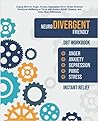
― Neurodivergent Friendly DBT Workbook: Coping Skills for Anger, Anxiety, Depression, Panic, Stress. Embrace Emotional Wellbeing to Thrive with Autism, ADHD, Dyslexia and Other Brain Differences
― Neurodivergent Friendly DBT Workbook: Coping Skills for Anger, Anxiety, Depression, Panic, Stress. Embrace Emotional Wellbeing to Thrive with Autism, ADHD, Dyslexia and Other Brain Differences
“Being Motivated by Shame: Neurodivergent people don’t learn as others do and are shamed for how they learn and their choices in life. So, they discover that shame is a driving force for learning and other accomplishments. This shame isn’t something neurodivergent people are born with. Instead, it’s something that is beaten into them as the years go by, and society continues to tell them they’re broken — which is not true. Stimming: Stimming refers to any action that’s meant to help the neurodivergent person feel stimulated for whatever reason. There are all kinds of stims, from vocal to tactile. Stimming helps to alleviate boredom and to regulate and express emotions as needed. Examples of stimming include throat clicking, finger-snapping, rocking back and forth, running hands through hair, pacing, repeating sounds or words, and so on.”
― Neurodivergent Friendly DBT Workbook: Coping Skills for Anger, Anxiety, Depression, Panic, Stress. Embrace Emotional Wellbeing to Thrive with Autism, ADHD, Dyslexia and Other Brain Differences
― Neurodivergent Friendly DBT Workbook: Coping Skills for Anger, Anxiety, Depression, Panic, Stress. Embrace Emotional Wellbeing to Thrive with Autism, ADHD, Dyslexia and Other Brain Differences
“The first category needs to be done, the second needs to be planned for, the third can be delegated, and the final category doesn’t need to be handled. However, with the neurodivergent brain, since there’s no “assistant,” everything winds up on the exec’s desk vying for their attention. As a result, either the wrong thing gets done, or nothing gets done at all.”
― Neurodivergent Friendly DBT Workbook: Coping Skills for Anger, Anxiety, Depression, Panic, Stress. Embrace Emotional Wellbeing to Thrive with Autism, ADHD, Dyslexia and Other Brain Differences
― Neurodivergent Friendly DBT Workbook: Coping Skills for Anger, Anxiety, Depression, Panic, Stress. Embrace Emotional Wellbeing to Thrive with Autism, ADHD, Dyslexia and Other Brain Differences
“Narrow Stimulation Range: With neurodivergence, you’re either easily underwhelmed or overwhelmed. There’s no balance where you sense enough to hold your interest but not so much that you’re overwhelmed by what’s happening. Low Tolerance for Frustration: You’re probably neurodivergent if you think that trying things once and failing means you should never try again. The reason this happens is that neurodivergent people learn differently from neurotypical ones.”
― Neurodivergent Friendly DBT Workbook: Coping Skills for Anger, Anxiety, Depression, Panic, Stress. Embrace Emotional Wellbeing to Thrive with Autism, ADHD, Dyslexia and Other Brain Differences
― Neurodivergent Friendly DBT Workbook: Coping Skills for Anger, Anxiety, Depression, Panic, Stress. Embrace Emotional Wellbeing to Thrive with Autism, ADHD, Dyslexia and Other Brain Differences
“The neurodivergent brain is like an exec without an assistant.”
― Neurodivergent Friendly DBT Workbook: Coping Skills for Anger, Anxiety, Depression, Panic, Stress. Embrace Emotional Wellbeing to Thrive with Autism, ADHD, Dyslexia and Other Brain Differences
― Neurodivergent Friendly DBT Workbook: Coping Skills for Anger, Anxiety, Depression, Panic, Stress. Embrace Emotional Wellbeing to Thrive with Autism, ADHD, Dyslexia and Other Brain Differences
“Trouble Making and Maintaining Eye Contact: Neurodivergent people may not always do well with eye contact. For some, it can appear as though they’re staring right into your soul, which is something not many people are comfortable with. Other neurodivergent people find eye contact distracting and uncomfortable, so they’ll opt to look everywhere but at you. Rich Inner World vs. The Outer World: Neurodivergent people often tend to be in their heads. They feel things more deeply than neurotypical people and tend to think a lot more.”
― Neurodivergent Friendly DBT Workbook: Coping Skills for Anger, Anxiety, Depression, Panic, Stress. Embrace Emotional Wellbeing to Thrive with Autism, ADHD, Dyslexia and Other Brain Differences
― Neurodivergent Friendly DBT Workbook: Coping Skills for Anger, Anxiety, Depression, Panic, Stress. Embrace Emotional Wellbeing to Thrive with Autism, ADHD, Dyslexia and Other Brain Differences
“Neurodivergent Checklist Time Blindness: Many neurodivergent people have trouble properly perceiving time as it passes. It either goes by too quickly or slowly. The perception of time depends on the level of stimulation the neurodivergent person is dealing with. It also can vary depending on what you’re focused on. If you’ve ever found yourself unable to account for time, you may be neurodivergent. Executive Dysfunction: This is what you experience when you want to accomplish a task, but despite how hard you try, you cannot see it through. Executive dysfunction happens for various reasons, depending on the type of neurodivergence in question. Still, the point is that this is a common occurrence in neurodivergent people. Task Multiplication: What is task multiplication? It happens when you set off to accomplish one thing but have to do a million other things, even though that wasn’t your original plan. For instance, you may want to sit down to finish some writing, only to notice water on the floor. You get up to grab a mop, and on the way, you notice the laundry you were supposed to drop off at the dry cleaners. Stooping to pick up the bag, you find yourself at eye level with your journal and remember you were supposed to make an entry the previous day, so you’re going to do that now. On and on it goes. Inconsistent Sleep Habits: This depends on what sort of neurodivergence you’re dealing with and if you’ve got comorbid disorders. Most importantly, neurodivergent people sleep more or less than “regular” people. You may also notice that your sleep habits fluctuate a lot. Sometimes you may sleep for eight hours at a stretch for a week, only to suddenly start running on just three hours of sleep. Emotional Dysregulation: With many neurodivergent people, it’s hard to keep emotions in check. Emotional dysregulation occurs in extreme emotions, sudden mood swings, or inappropriate emotional reactions (either not responding to the degree they should or overreacting). Hyperfixation: This also plays out differently depending on the brand of neurodivergence in question. Often, neurodivergent people get very involved in topics or hobbies to the point of what others may think of as obsession. Picking Up on Subtleties but Missing the Obvious: Neurodivergent people may struggle with picking up on things neurotypical people can see easily. At the same time, they are incredibly adept at noticing the subtle things everyone else misses. Sensory Sensitivities: If you’re neurodivergent, you may be unable to ignore your clothes tag scratching your back, have trouble hearing certain sounds, and can’t quite deal with certain textures of clothing, food, and so on. Rejection Sensitivity: Neurodivergent people are often more sensitive to rejection than others due to neurological differences and life experiences. For instance, children with ADHD get much more negative feedback than their peers without ADHD. Neurodivergent people are often rejected to the point where they notice rejection even when it’s not there.”
― Neurodivergent Friendly DBT Workbook: Coping Skills for Anger, Anxiety, Depression, Panic, Stress. Embrace Emotional Wellbeing to Thrive with Autism, ADHD, Dyslexia and Other Brain Differences
― Neurodivergent Friendly DBT Workbook: Coping Skills for Anger, Anxiety, Depression, Panic, Stress. Embrace Emotional Wellbeing to Thrive with Autism, ADHD, Dyslexia and Other Brain Differences
“look at your trauma and see it for what it is - a combination of thoughts and feelings.”
― Neurodivergent Friendly DBT Workbook: Coping Skills for Anger, Anxiety, Depression, Panic, Stress. Embrace Emotional Wellbeing to Thrive with Autism, ADHD, Dyslexia and Other Brain Differences
― Neurodivergent Friendly DBT Workbook: Coping Skills for Anger, Anxiety, Depression, Panic, Stress. Embrace Emotional Wellbeing to Thrive with Autism, ADHD, Dyslexia and Other Brain Differences