Goodreads helps you follow your favorite authors. Be the first to learn about new releases!
Start by following Gerrilyn Smith.

Showing 1-6 of 6
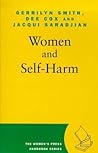
“In our culture women are often taught how to manage
other people’s feelings at the expense of managing their own, whereas men are taught to manage their own at the expense of others. In particular being angry has often been deemed ‘unfeminine’ and yet one of the most powerful emotional responses to trauma is anger.”
― Women and Self-Harm
other people’s feelings at the expense of managing their own, whereas men are taught to manage their own at the expense of others. In particular being angry has often been deemed ‘unfeminine’ and yet one of the most powerful emotional responses to trauma is anger.”
― Women and Self-Harm
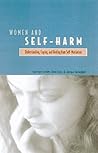
“Unfortunately, many people in our society do believe that individuals are in some way responsible for the abuse they experience, that they must have in some way contributed to it, or deserved it. It seems more comforting to believe this than to put the issue of blame and responsibility for abuse with those who perpetrate it. By subscribing to victim-blaming beliefs, so often voiced by perpetrators of such crimes, people can delude themselves with the idea that they, and their children, can avoid being abused by not being like those who have been; victims are ‘not like us’.”
― Women and Self-Harm
― Women and Self-Harm
“Importantly, society’s construction of the male does not automatically include the idea that men should be nurturing and caring, but it does assume the notion that men’s needs should and will be catered for, and that men should actively express their feelings of anger and aggression. Women, on the other hand, are expected to meet the needs of others, often at personal expense. We are to tolerate passively situations in which we feel used, abused and powerless. The predictable consequence is feelings of worthlessness, anger and frustration, yet we are so rarely encouraged to voice these emotions, that we often take them back into ourselves”
― Women and Self-Harm
― Women and Self-Harm
“Feeling dissatisfied with yourself, how you look, the person you are, or how you feel is an almost universal female experience within our culture. Even when we outwardly reject the cultural mores, many of us are still left with internalised feelings of inadequacy, of not quite ‘measuring up’. Women, in particular, are encouraged to focus on their appearance and body shape—hence the success of special diets, low-fat foods, slimming aids and cosmetic surgery.”
― Women and Self-Harm
― Women and Self-Harm
“But for those of us who grew up without the wider influence of feminism encouraging our parents to allow us to develop all of our selves, there were (and probably still are) strong prohibitions against expressing strong emotions. Instead we were taught that females should be nurturing, caring, and protecting of others. In a distorted way to injure oneself could be seen as morally superior to injuring others, no matter how injurious those others may have been towards us; by directing anger inwards towards ourselves, we successfully protect others from the full fury of our anger. It seems to us that this is what tips the balance in the gender ratio.”
― Women and Self-Harm
― Women and Self-Harm
“Women in general are expected to hold less power than men and there are different expectations as to the tasks we will perform and the positions we will subsequently hold. Women tend to be offered less opportunities in life and are generally treated with less respect than men. We tend to receive less reward, tangible and intangible, for the work we do and the roles we play; we are often made to feel less important and our opinions less valid. Women are encouraged to compromise rather than question; to acquiesce rather than agitate.”
― Women and Self-Harm
― Women and Self-Harm